Motor skills development Letter Recognition Worksheets for Ages 3-9
5 filtered results
-
From - To
Boost your child's motor skills and letter recognition with our specialized worksheets for ages 3-9. These engaging activities are designed to enhance fine motor skills, such as handwriting and coordination, while making letter learning fun. Each worksheet is crafted to combine tracing, matching, and drawing tasks, perfect for developing your child's ability to recognize and write letters confidently. Ideal for preschool through early elementary students, our worksheets seamlessly integrate educational standards with playful learning moments. Encourage your child’s growth with our expertly designed motor skills development letter recognition worksheets!

Letter H Tracing Page
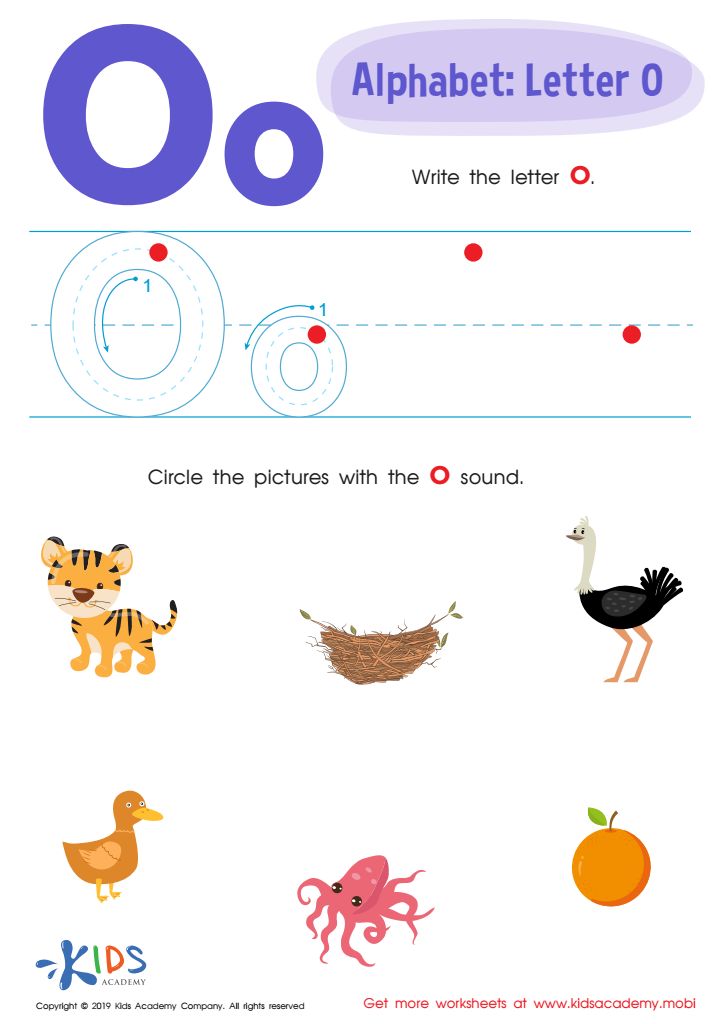
Letter O Tracing Worksheet
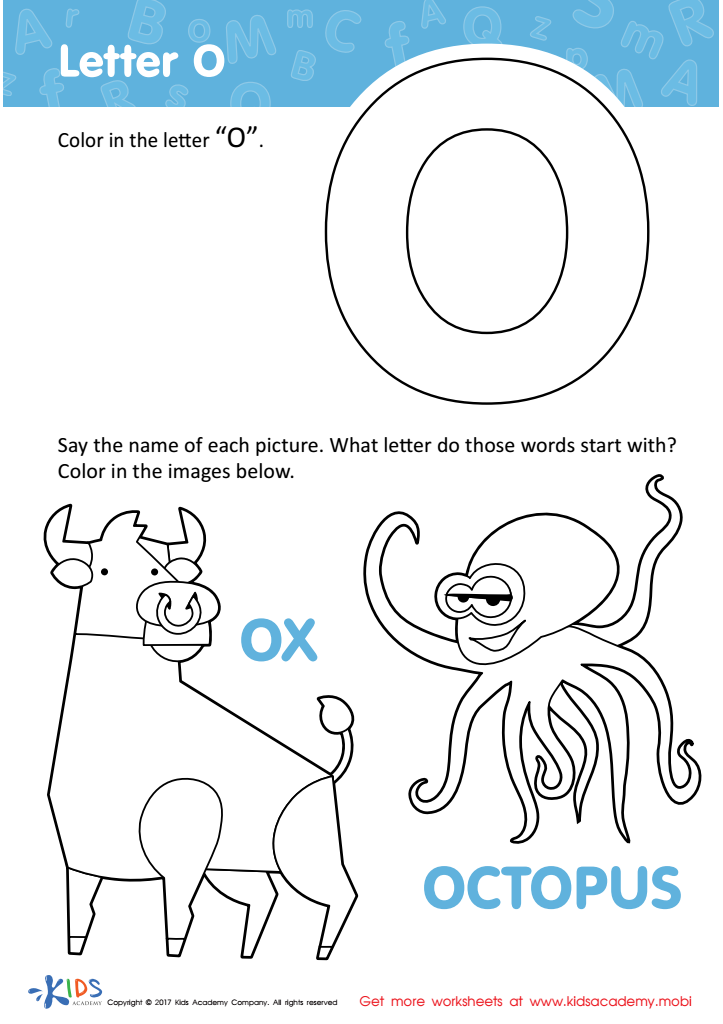
Letter O Coloring Sheet
 Assign to My Students
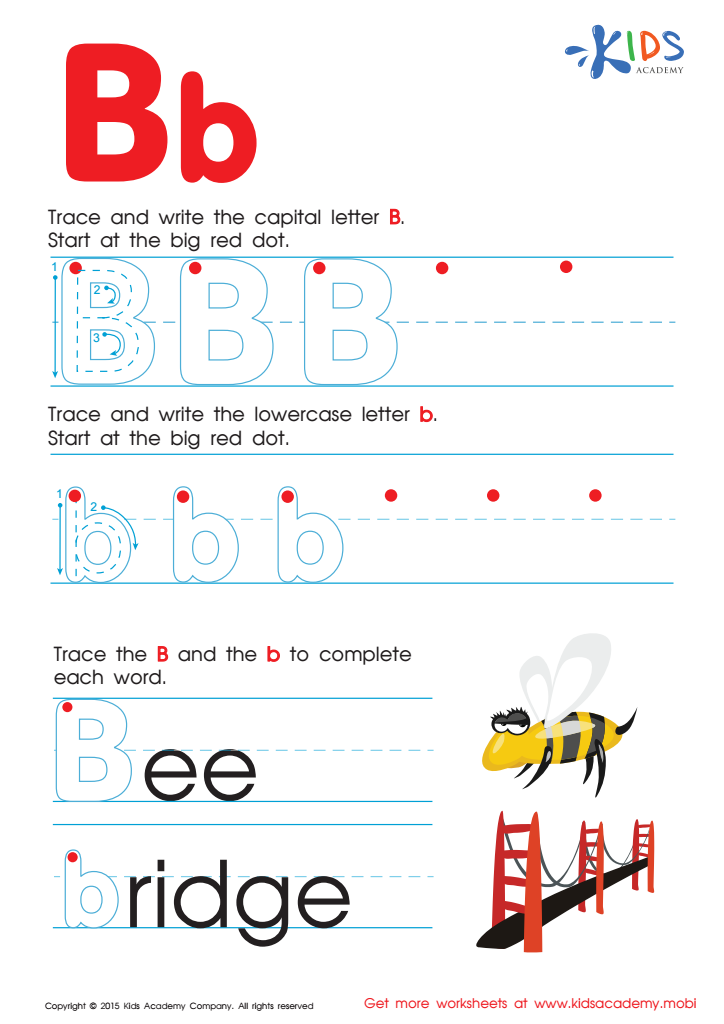
Letter B Tracing Page
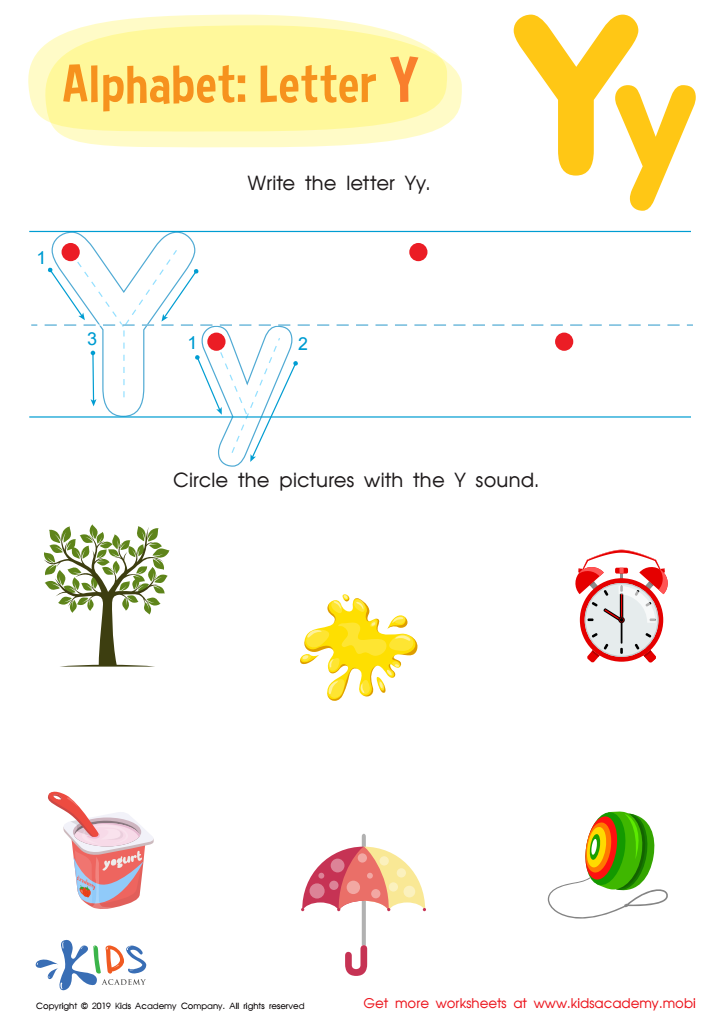
Letter Y Tracing Worksheet








Motor skills and letter recognition are foundational elements in early childhood development that critically influence a child's academic and personal growth. Motor skills encompass both fine and gross motor abilities and play a vital role in everyday tasks and educational activities. Fine motor skills, such as gripping a pencil or cutting with scissors, enhance a child's capacity to write, draw, and manipulate small objects, fostering increased independence and confidence.
Letter recognition is equally important, setting the stage for literacy. Recognizing letters of the alphabet enables children to progress from mere identification to understanding letter sounds and eventually to reading and writing. This foundational knowledge supports all future learning, as literacy is essential across subjects like mathematics, science, and social studies. Enhanced letter recognition skills improve a child's ability to decode new words, comprehend text, and communicate effectively.
Moreover, early development in these areas fosters cognitive skills such as problem-solving, memory, and attention, alongside emotional benefits like self-esteem and a love of learning. When parents and teachers prioritize motor skills and letter recognition, they not only aid immediate educational outcomes but also contribute to the long-term success and well-being of the child, creating a robust foundation for lifelong learning and achievement.







