Vocabulary Building Letter Recognition Worksheets for Ages 3-9
3 filtered results
-
From - To
Enhance your child's language skills with our Vocabulary Building Letter Recognition Worksheets, designed for ages 3-9. Perfect for young learners, these engaging worksheets help children identify letters while expanding their vocabulary through fun activities. Each worksheet focuses on different letters and words, fostering recognition and comprehension in an enjoyable way. Parents and educators will appreciate the carefully crafted exercises that promote literacy skills, boost confidence, and encourage a love of learning. Whether at home or in the classroom, these resources provide a solid foundation in language proficiency. Unlock your child’s potential with our comprehensive and interactive worksheets today!
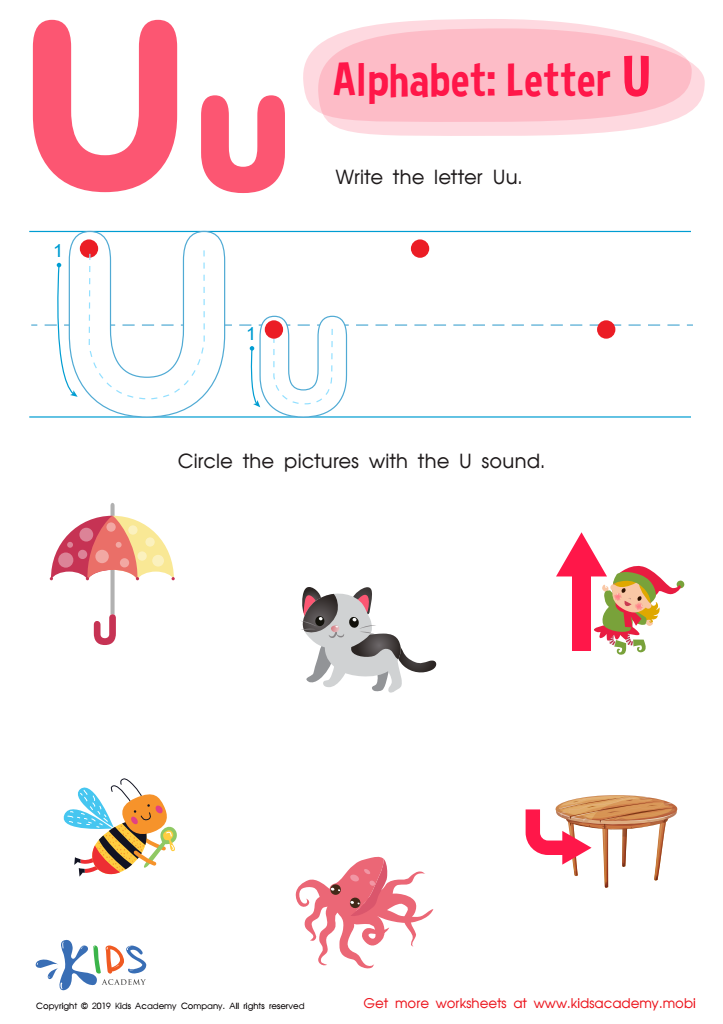
Letter U Tracing Worksheet
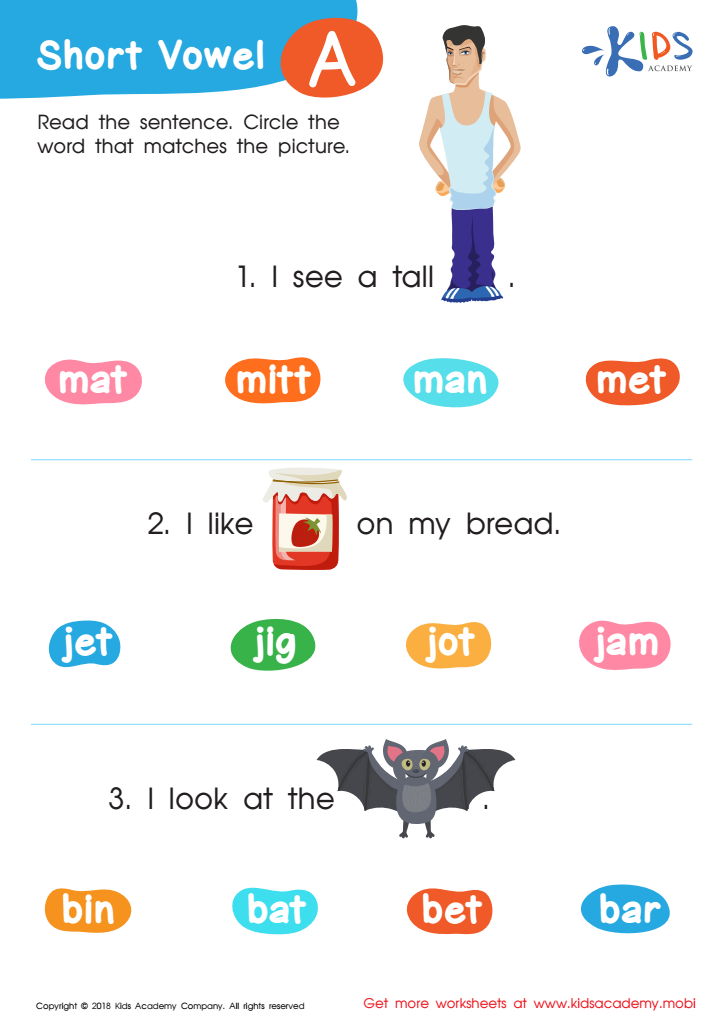
Short Vowel /a/ Worksheet
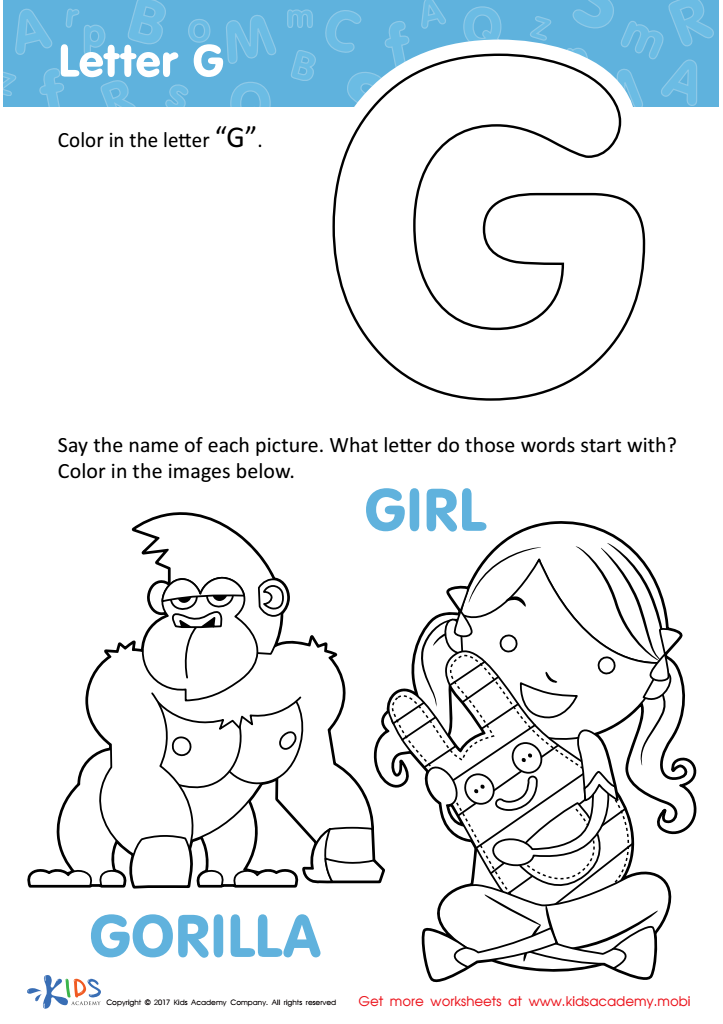
Letter G Coloring Sheet
 Assign to My Students








Vocabulary building and letter recognition are critical components of early childhood education that significantly impact a child's future learning. For children ages 3-9, developing these skills lays a solid foundation for reading and writing, which are essential for academic success.
Parents and teachers should prioritize vocabulary building because a rich vocabulary enhances comprehension and communication skills. When children have a broad range of words to express themselves, they become more confident in sharing their thoughts and emotions, fostering their social and emotional development. Engaging in regular vocabulary-building activities also introduces them to concepts and contexts that enrich their understanding of the world.
Letter recognition is equally important, as it aids children in understanding that letters represent sounds, which are the building blocks of reading. By recognizing letters and their corresponding sounds, children gain the necessary tools to start decoding words as they progress. Early mastery of these skills also contributes to improved spelling and writing abilities.
Ultimately, when parents and teachers emphasize vocabulary building and letter recognition, they empower children to become effective communicators and lifelong learners. Investing time in these areas can significantly enhance a child’s educational journey, helping set the stage for future academic achievements.







