Hand-eye Coordination Phonics Worksheets for Ages 3-9
5 filtered results
-
From - To
Discover fun and engaging Hand-Eye Coordination Phonics Worksheets for children ages 3-9! These expertly crafted worksheets seamlessly blend the excitement of learning phonics with activities designed to enhance hand-eye coordination. Perfect for young learners, each worksheet helps to build fundamental reading skills through interactive tracing, coloring, and matching exercises. Ideal for both classroom and home use, these educational resources promote fine motor skills and critical thinking while making learning an enjoyable adventure. Boost your child's literacy and coordination simultaneously with our comprehensive collection of Hand-Eye Coordination Phonics Worksheets available at Kids Academy!
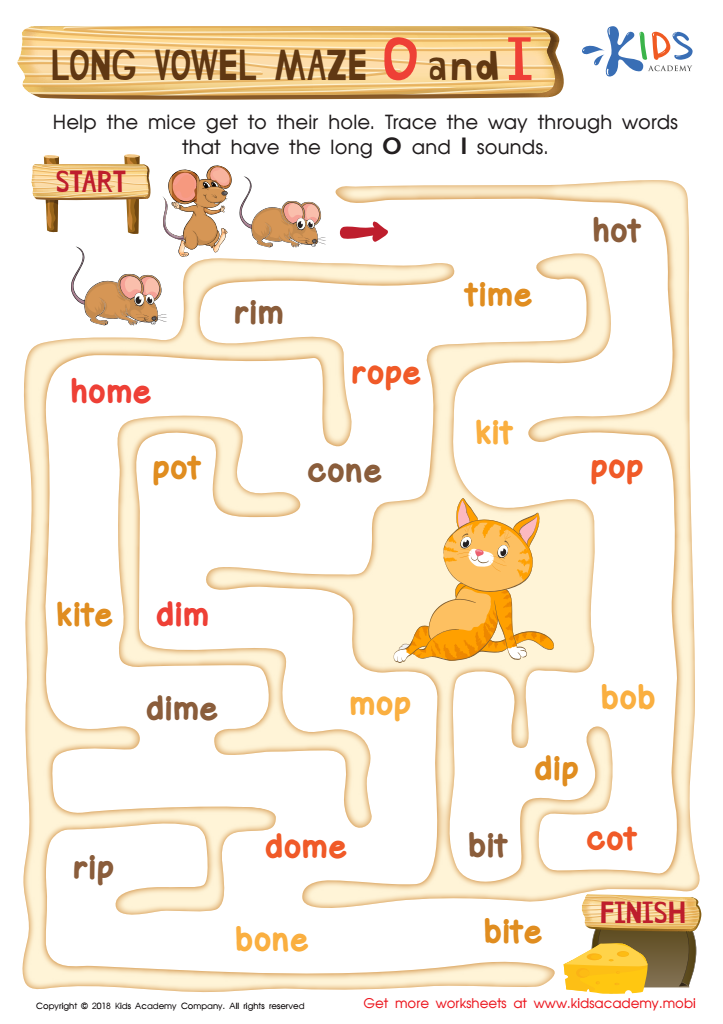
Long Vowel Maze /o/ and /i/ Worksheet
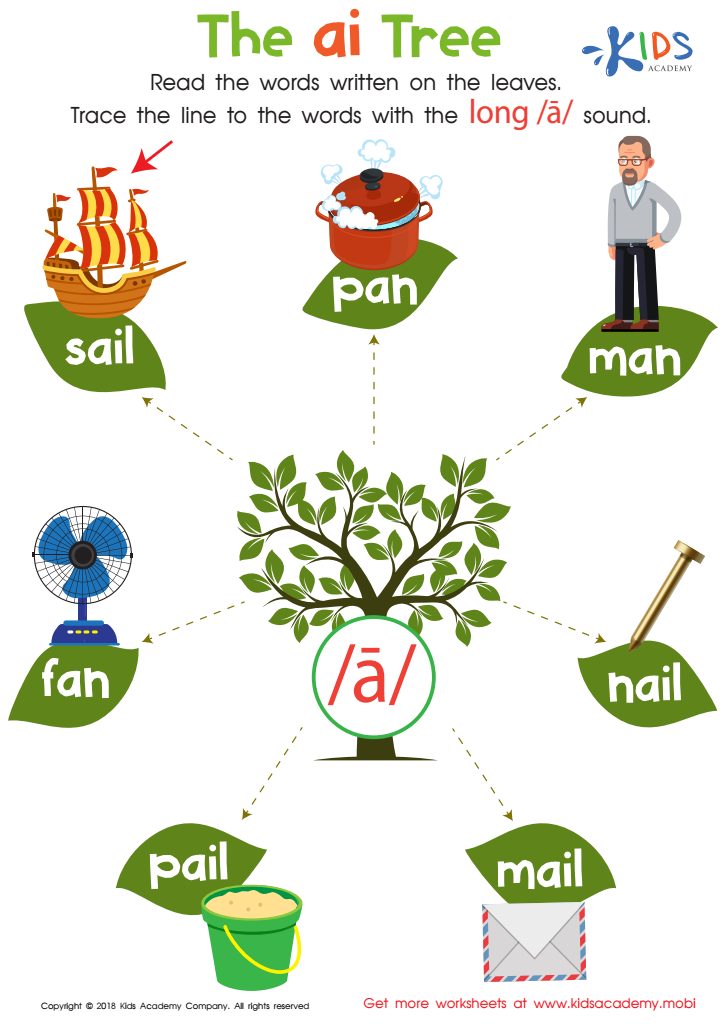
The AI Tree Worksheet
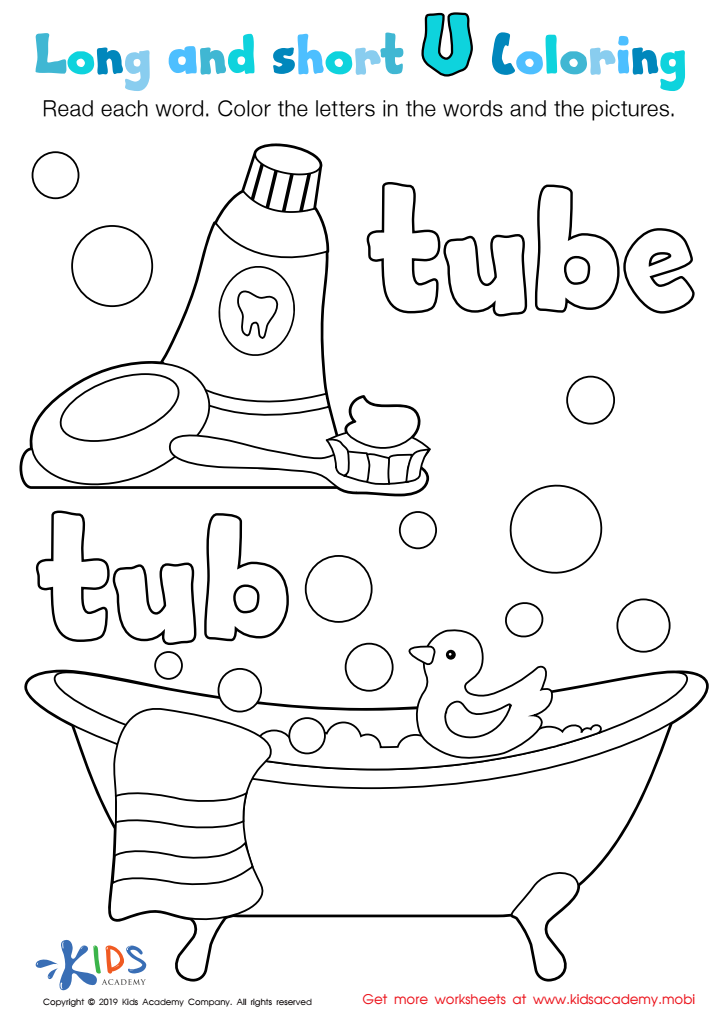
Long and Short U Worksheet
 Assign to My Students
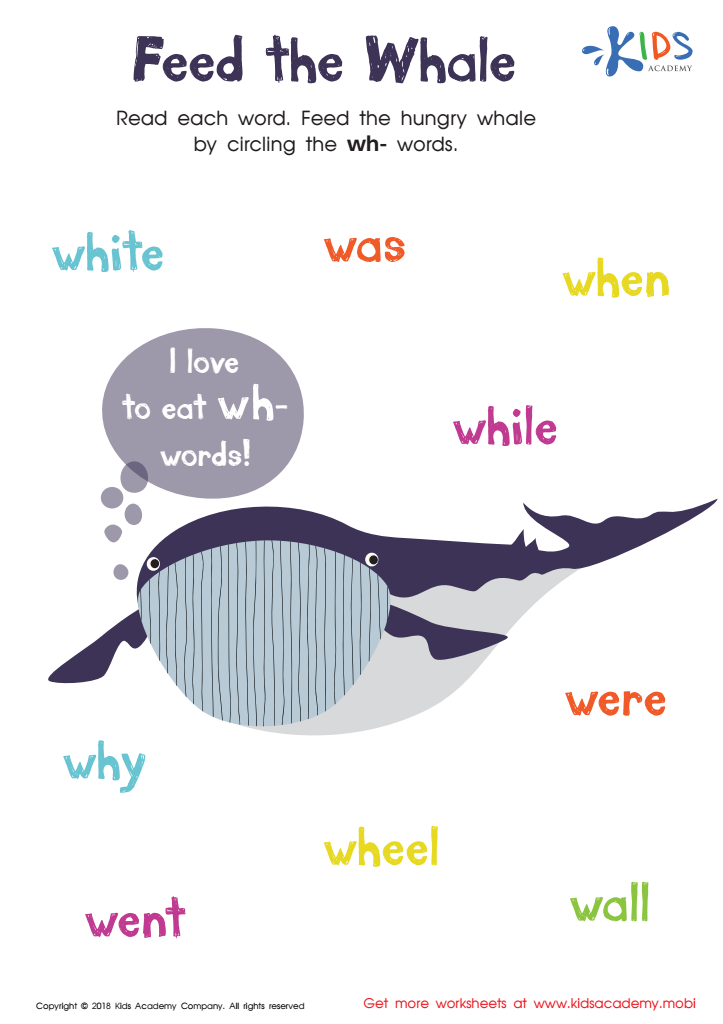
Feed the Whale Worksheet
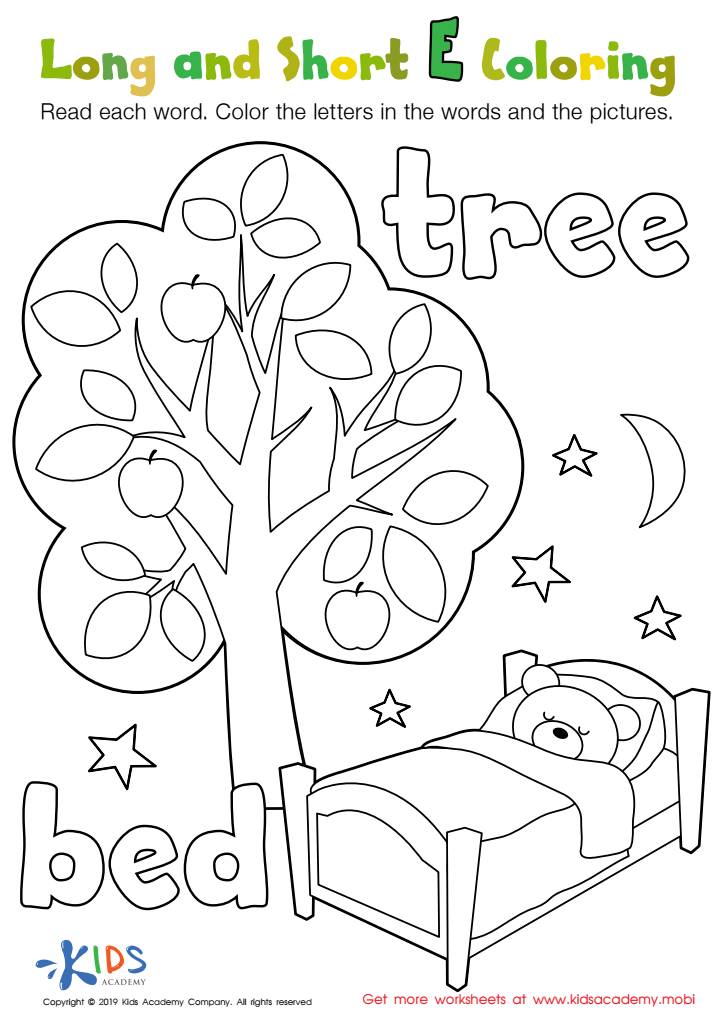
Long and Short E Worksheet
Assign to My Students








Hand-eye coordination and phonics are foundational skills that significantly impact a child's overall development and academic success, particularly between the ages of 3-9. First, hand-eye coordination—the ability to synchronize visual input with hand movements—is crucial for everyday tasks such as writing, tying shoes, and using utensils. For young learners, it directly influences their ability to hold a pencil, form letters, and ultimately develop neat handwriting, which is essential for effective communication of ideas.
Similarly, phonics plays a critical role in a child's reading and language abilities. Phonics instruction helps children understand the relationship between sounds and letters, equipping them with decoding skills necessary for reading proficiency. When children can read effortlessly, they are more likely to enjoy learning and perform well across all subjects.
Integrating hand-eye coordination activities with phonics instruction can multiply these benefits. For instance, interactive games that require children to match letter sounds with written symbols can improve both their phonetic awareness and fine motor skills. This dual-focus approach ensures a more holistic educational development. Thus, parents and teachers should prioritize nurturing both these critical skills. By doing so, they lay a robust foundation for future learning, boost self-esteem, and foster a lifelong love for reading and learning.







