Alphabet sequencing Tracing Letters Worksheets for Ages 3-9
3 filtered results
-
From - To
Discover the perfect Alphabet Sequencing Tracing Letters Worksheets for ages 3-9 on our Kids Academy page! These engaging printables are designed to enhance your child’s letter recognition, handwriting, and sequencing skills through fun, hands-on practice. Perfect for preschoolers to grade school kids, our worksheets offer a variety of activities that foster foundational literacy skills. Whether at home or in the classroom, these tools are an ideal resource for building confidence and mastering the alphabet. Explore our comprehensive collection and watch your child’s learning soar with our expertly crafted alphabet worksheets!
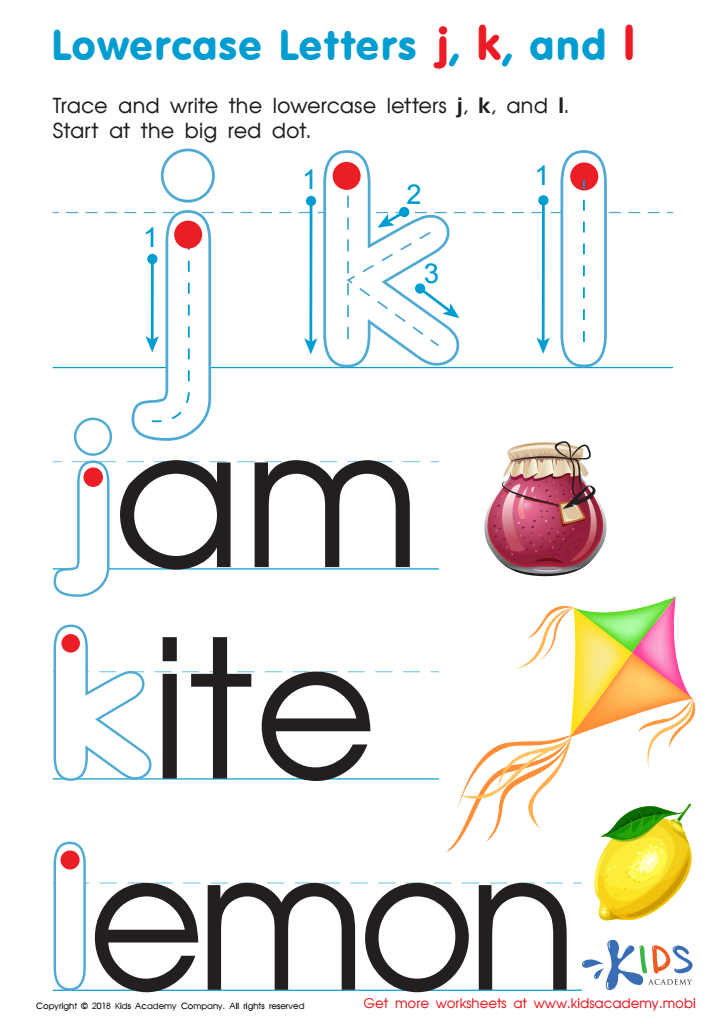
Lowercase Letters j k l Worksheet
 Assign to My Students
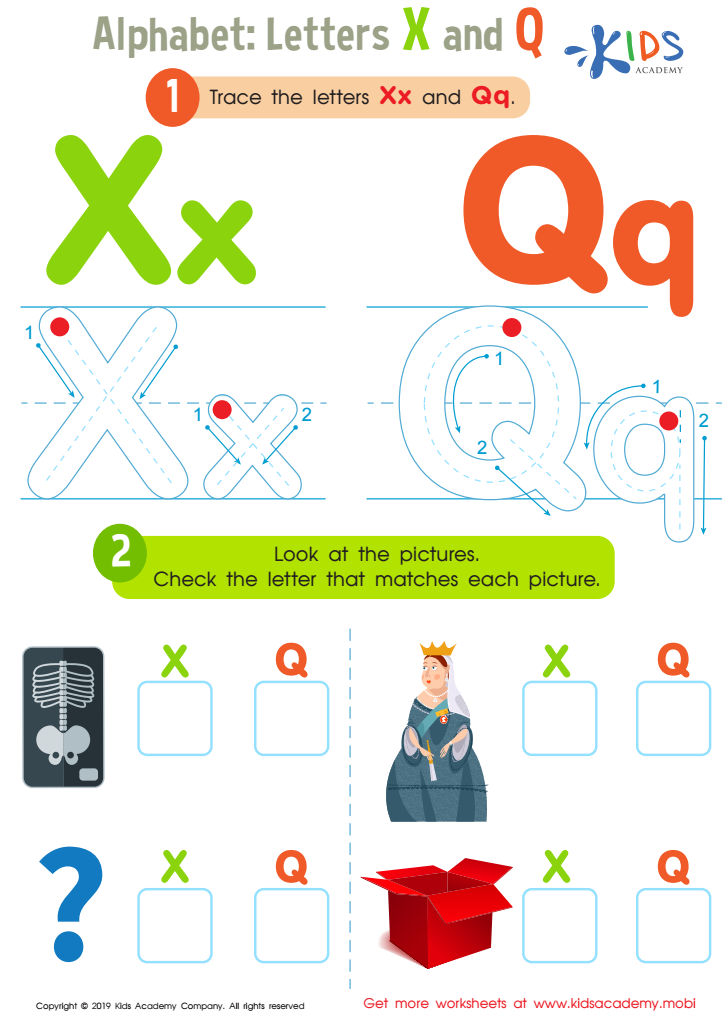
Letters X and Q Tracing Worksheet
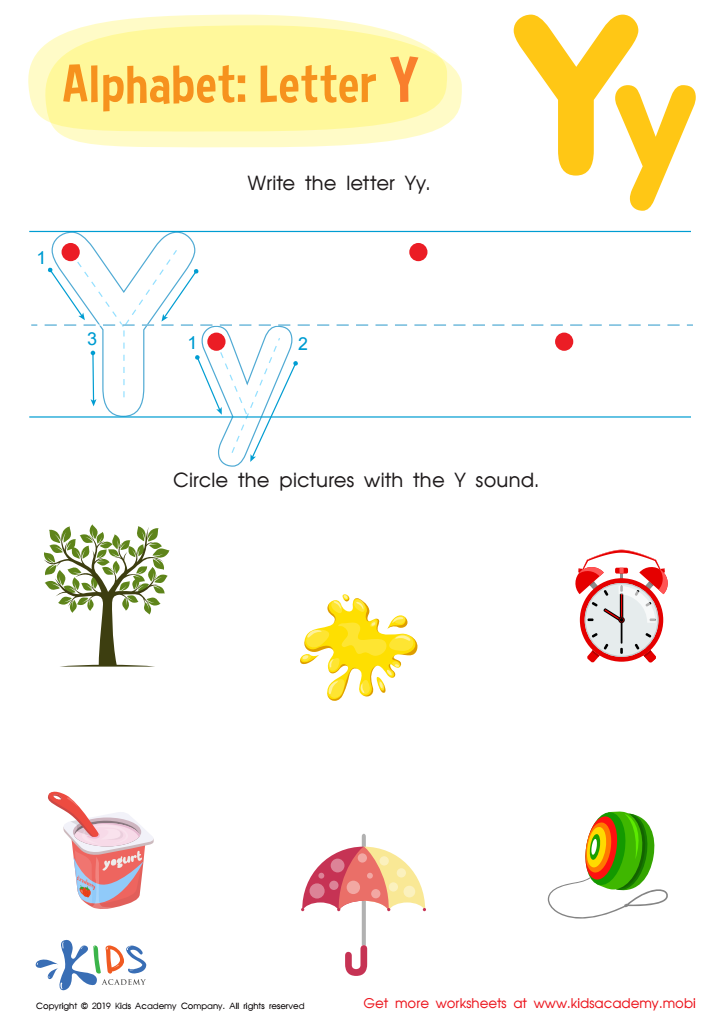
Letter Y Tracing Worksheet








Parents and teachers should prioritize alphabet sequencing and letter tracing for children ages 3 to 9 to lay the foundation for literacy and cognitive development. Alphabet sequencing helps children understand the order and structure of the alphabet, which is crucial for recognizing patterns in words and developing reading skills. When children practice tracing letters, they enhance their fine motor skills and hand-eye coordination, fostering readiness for writing.
These activities also support memory retention by reinforcing the visual and tactile aspects of each letter. This multisensory approach strengthens neural connections, making it easier for children to recall and recognize letters. Understanding the sequence of letters assists in phonemic awareness, enabling children to grasp sounds associated with each letter, a key component in decoding words during reading.
Additionally, engaging in these activities encourages patience, concentration, and persistence. These traits not only contribute to academic success but also to overall personal growth. Early mastery of alphabet skills reduces future learning anxieties and builds confidence, setting a strong precedent for educational enthusiasm. By investing in alphabet sequencing and letter tracing at these formative ages, parents and teachers equip children with essential tools for lifelong learning and achievement.








