Letter Tracing Practice Tracing Letters Worksheets for Ages 3-9
5 filtered results
-
From - To
Introduce your young learners to the joy of writing with our "Letter Tracing Practice: Tracing Letters Worksheets for Ages 3-9". These engaging, printable worksheets seamlessly blend fun and education, helping children master beautiful, legible handwriting. Based on ongoing developmental needs for this age group, the exercises cater to beginners' scribbles and hone essential skills for older kids. Perfect for homeschooling and classroom usage, these sheets guide children's hands in forming each letter, reinforcing letter recognition and pencil control. Start building strong foundational literacy skills today with our carefully crafted and enjoyable letter tracing worksheets!
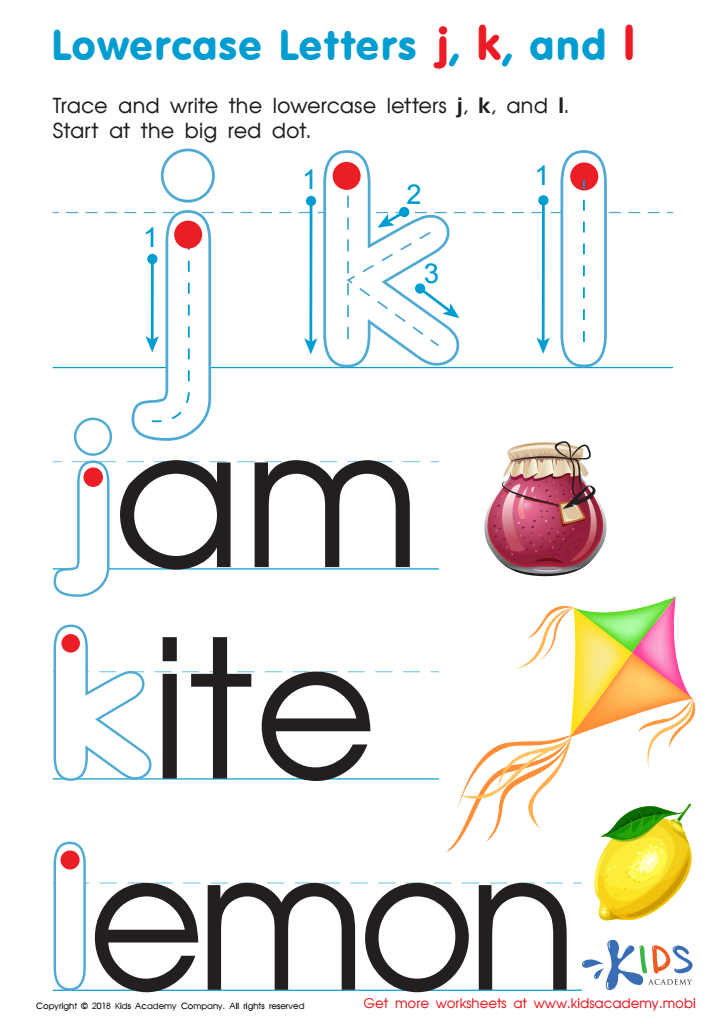
Lowercase Letters j k l Worksheet
 Assign to My Students
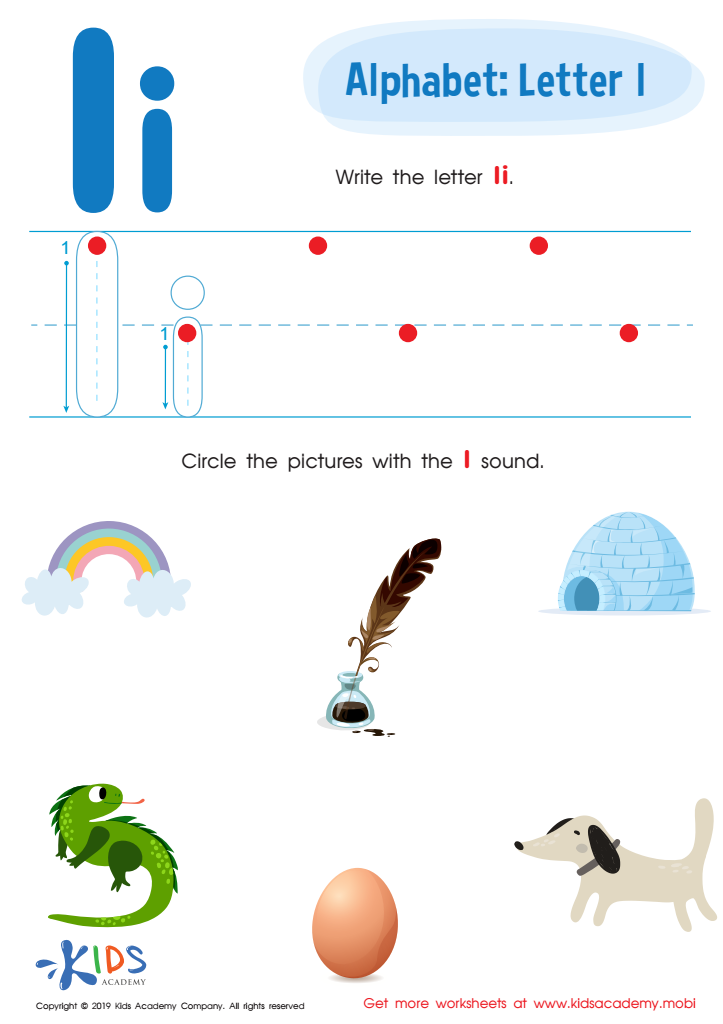
Letter I Tracing Worksheet
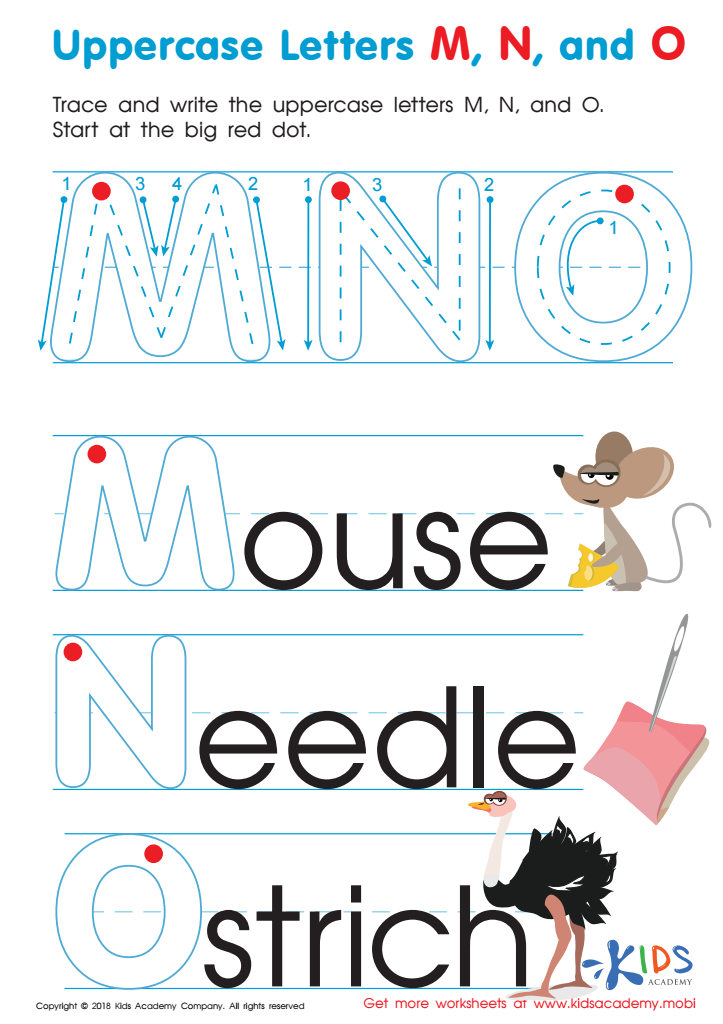
Uppercase Letters M, N, and O Worksheet
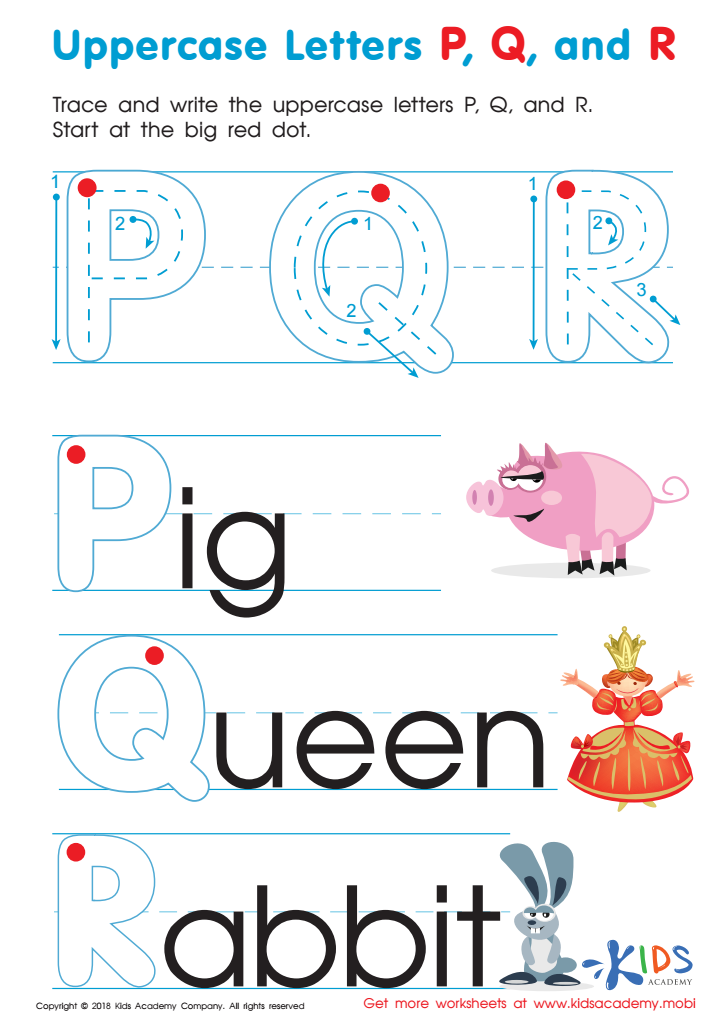
Uppercase Letters P, Q, and R Worksheet
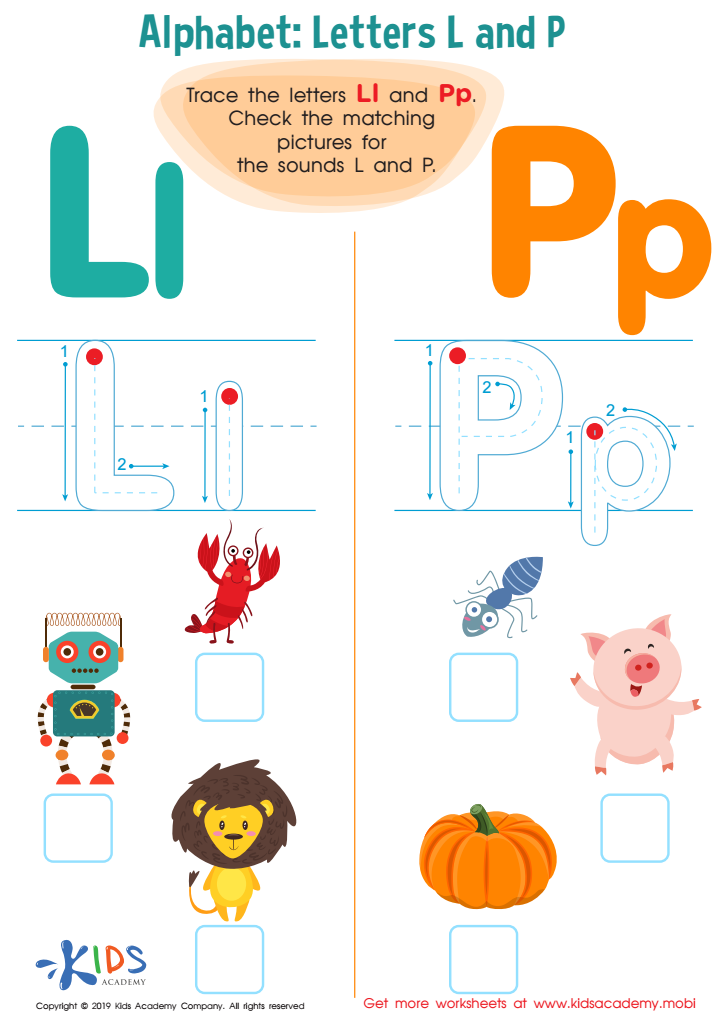
Letter L and P Tracing Worksheet







Letter tracing is a fundamental activity for young children aged 3-9, playing a critical role in developing their early literacy skills. By carefully guiding young learners through the process of tracing letters, we help them acquire the building blocks necessary for reading and writing.
Firstly, letter tracing aids in the development of fine motor skills, essential for tasks like writing, buttoning clothes, and using utensils. The act of tracing each letter requires hand-eye coordination and control over small muscles in the hand and fingers, which are foundational skills for effective handwriting.
Secondly, it reinforces the recognition of letters and their corresponding sounds, an important step in phonemic awareness. This awareness forms the basis for understanding the structure of words, aiding in both reading and spelling proficiency.
Beyond the physical and cognitive benefits, tracing letters nurtures a sense of accomplishment and confidence in children. As they progress from tracing to writing independently, they gain a feeling of mastery that motivates continued learning.
In sum, letter tracing is not just about learning to write; it is a pivotal educational activity that builds the essential skills for lifelong literacy and personal development. Parents and teachers should emphasize and support this practice to lay a strong literacy foundation for their children.








