Story comprehension Coloring Pages Worksheets for Ages 3-9
3 filtered results
Difficulty Level
Grade
Age
-
From - To
Subject
Activity
Standards
Introducing our Story Comprehension Coloring Pages Worksheets for children ages 3-9! These engaging worksheets blend creative coloring with essential story comprehension skills. Each sheet features captivating tales and related questions designed to enhance reading comprehension while keeping young minds active and entertained. Perfect for early learners, our worksheets foster a love for reading and creativity. They help kids develop critical thinking, sequencing, and recall abilities. Ideal for home or classroom use, these worksheets are a fun and educational resource for building foundational literacy skills. Let your child's imagination and reading skills soar with our Story Comprehension Coloring Pages Worksheets!
Favorites
With answer key
Interactive
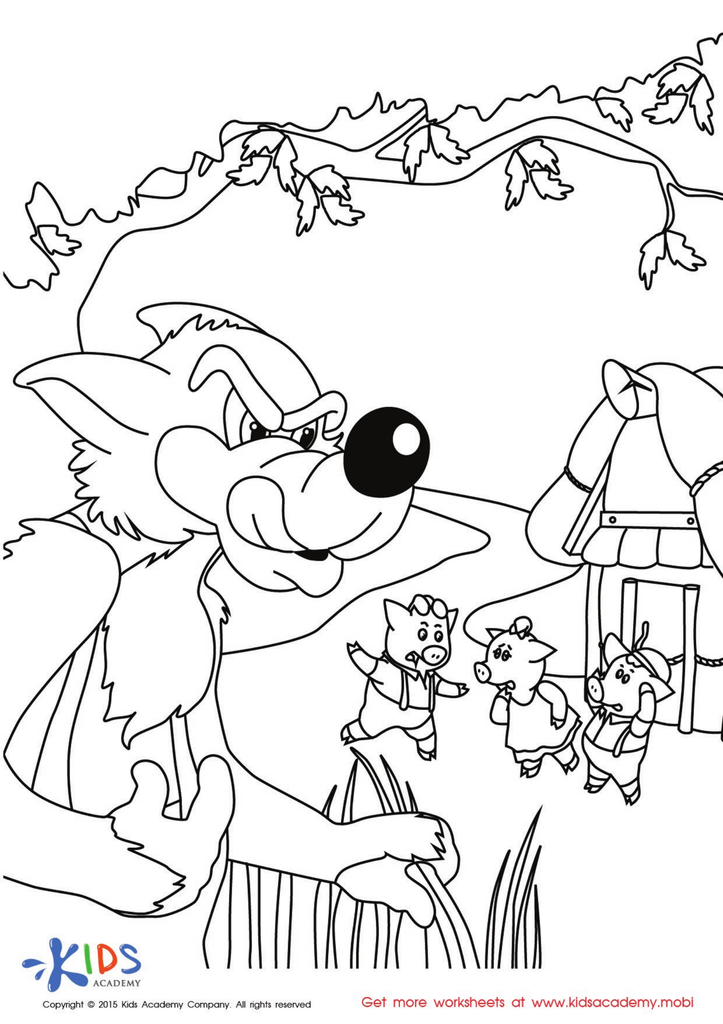
The Story of the Three Little Pigs Coloring Worksheet
The three little pigs play on the grass, enjoying the sun and peace. But a Big Bad Wolf has found them! Ask your child what he looks like? Is he scary? And hungry? Will the little pigs be safe in their houses? Unleash their imaginations with a printable coloring page to make the story of the little pigs come alive.
The Story of the Three Little Pigs Coloring Worksheet
Worksheet
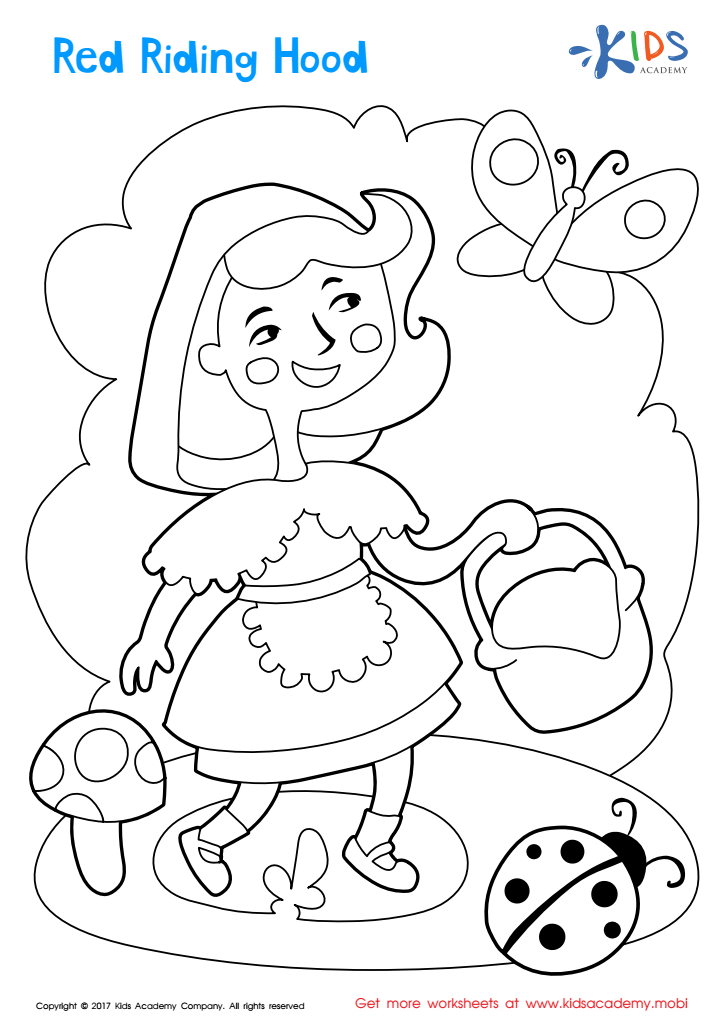
Red Riding Hood Coloring Page
Red Riding Hood awaits in the woods, with a butterfly, mushroom, and ladybug around her. Let your child bring the story to life with this magical printable coloring page. Fairytale fun for all!
Download (PDF)
 Assign to My Students
Assign to My Students
Red Riding Hood Coloring Page
Worksheet
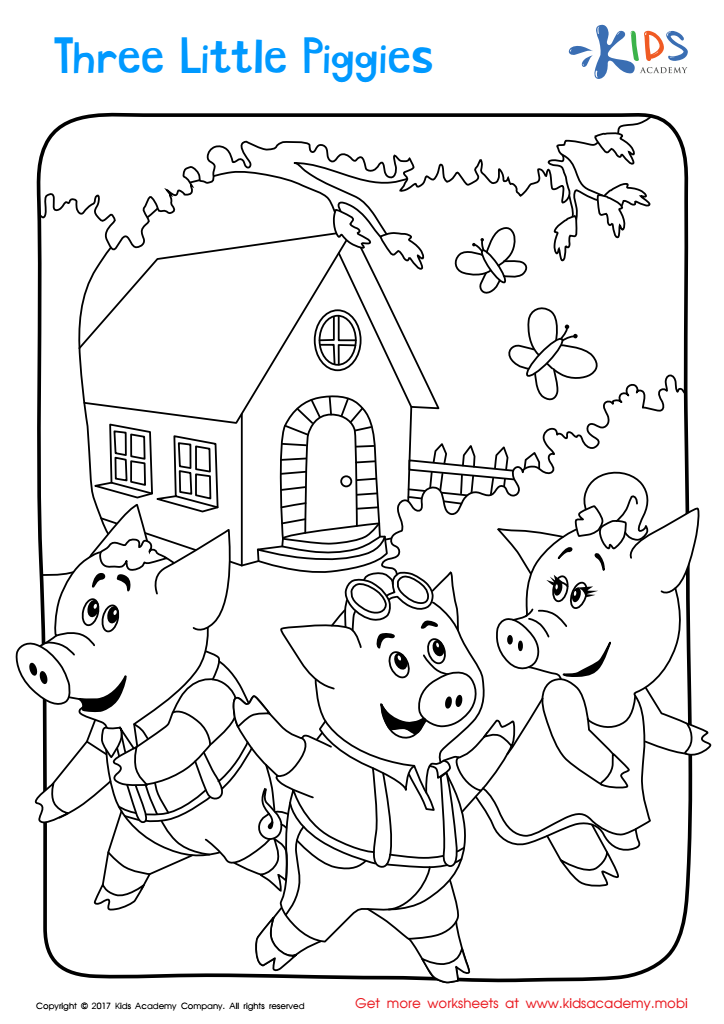
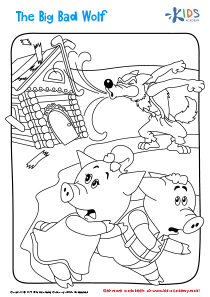
Three Little Piggies Printable Coloring Page
Recall a childhood favorite with your child and color in the Three Little Piggies printable. It's a great way to excite them for reading, as it helps them learn about characters and plot.
Download (PDF)
Assign to My Students
Assign to My Students
Three Little Piggies Printable Coloring Page
Worksheet
Join Kids Academy for Free
Who is primarily going to use this learning content?




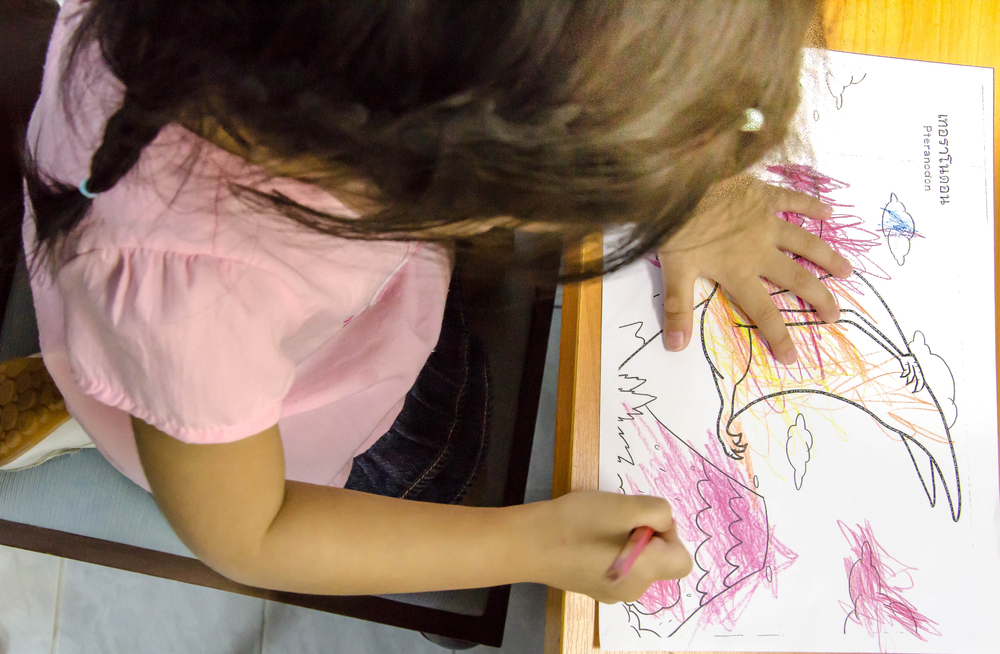

Story comprehension coloring pages are valuable tools for children aged 3-9, fostering both their cognitive and emotional development. Parents and teachers should care about these resources because they help bridge the gap between imaginative play and learning essential literacy skills. As children color, they also engage with stories visually, which aids in memory retention and comprehension. This multisensory approach harnesses a child’s natural creativity, making learning more enjoyable and effective.
For younger children, these coloring pages provide a stepping stone to understanding narrative structure. They illustrate key events and characters, making abstract concepts more concrete and accessible. This early interaction with stories sets the foundation for future reading skills, such as sequencing, plot recognition, and character analysis.
In addition, coloring within the lines enhances fine motor skills and hand-eye coordination, while discussing the stories encourages language development and verbal expression. By asking questions about the scenes they are coloring, adults can stir children's critical thinking and emotional connections to the narrative, instilling a love for reading early on.
For older children within the 3-9 age range, comprehension coloring pages can reinforce existing literacy skills and deepen their understanding of complex narratives. They serve as useful tools for reviewing and reflecting on stories, making learning a multifaceted and interactive experience.