Alphabet Recognition English for Beginners Worksheets for Ages 3-9 - Page 2
32 filtered results
-
From - To
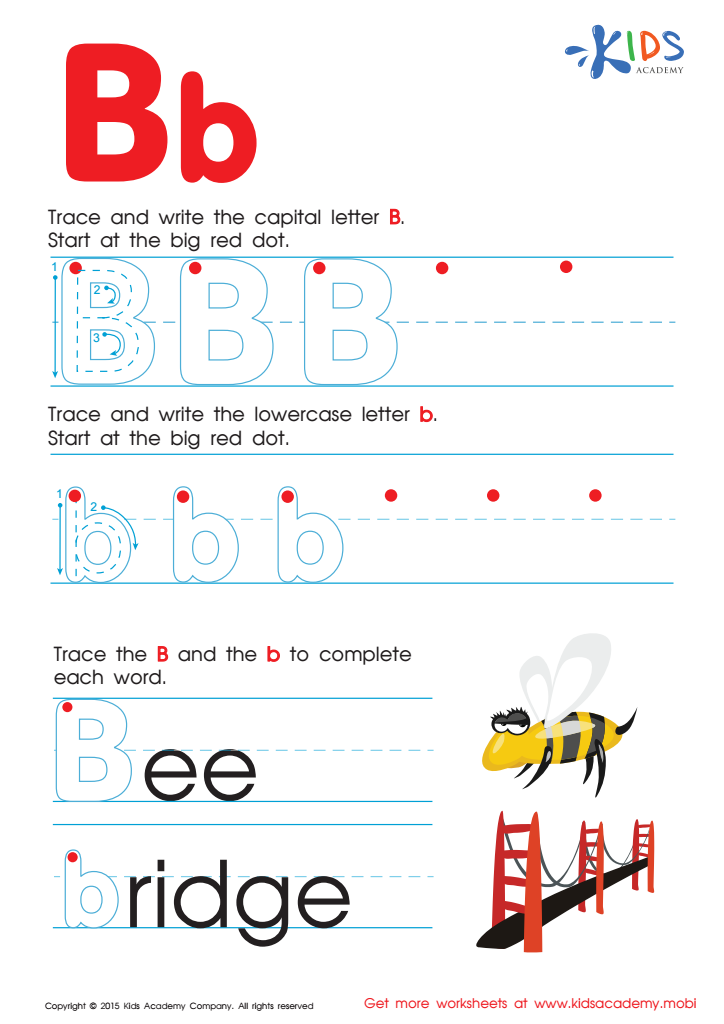
Letter B Tracing Page
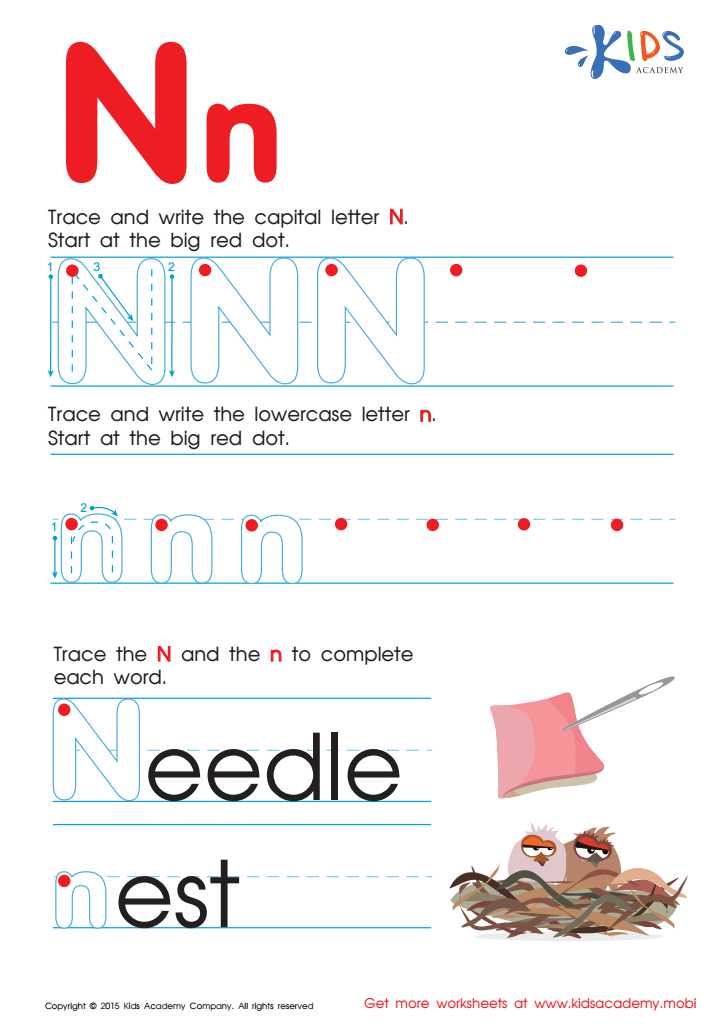
Letter N Tracing Page
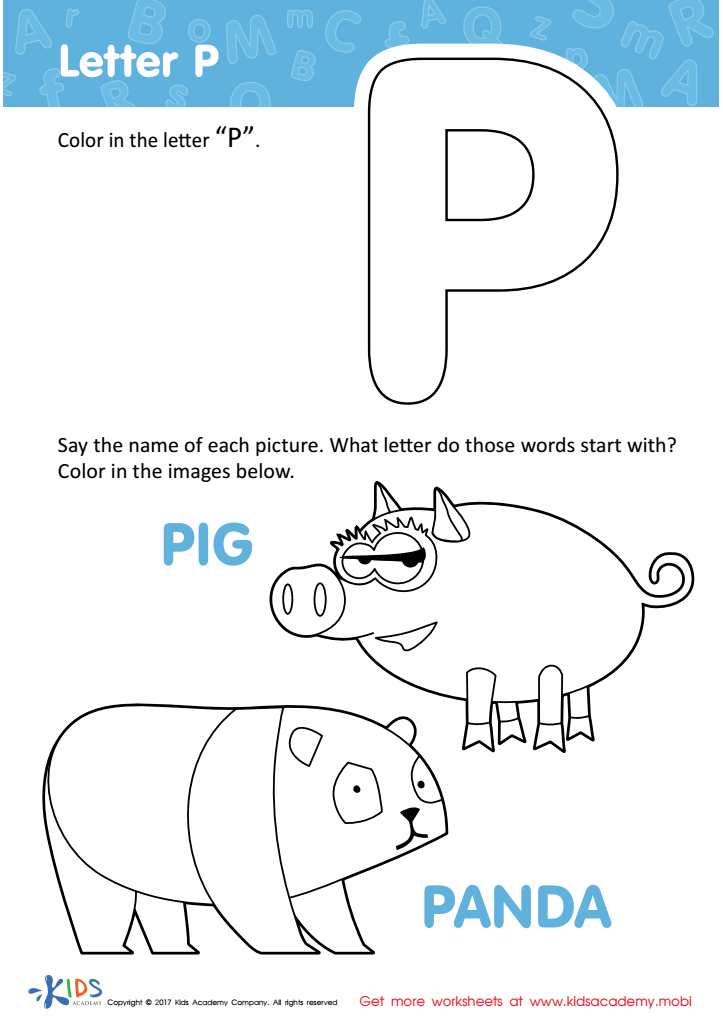
Letter P Coloring Sheet
 Assign to My Students
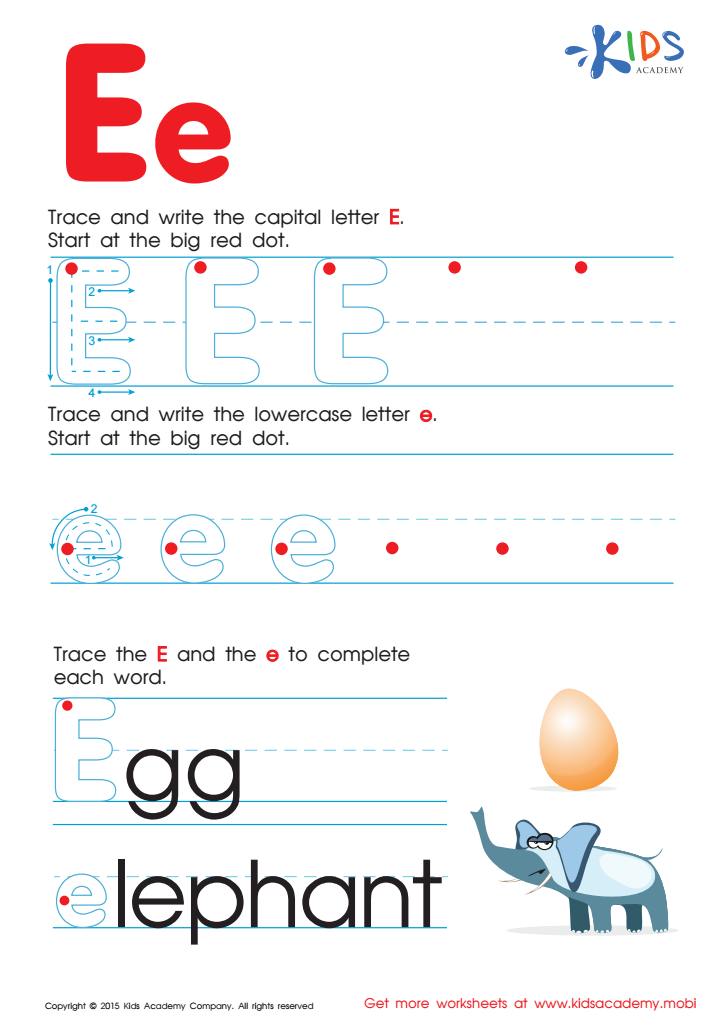
Letter E Tracing Page
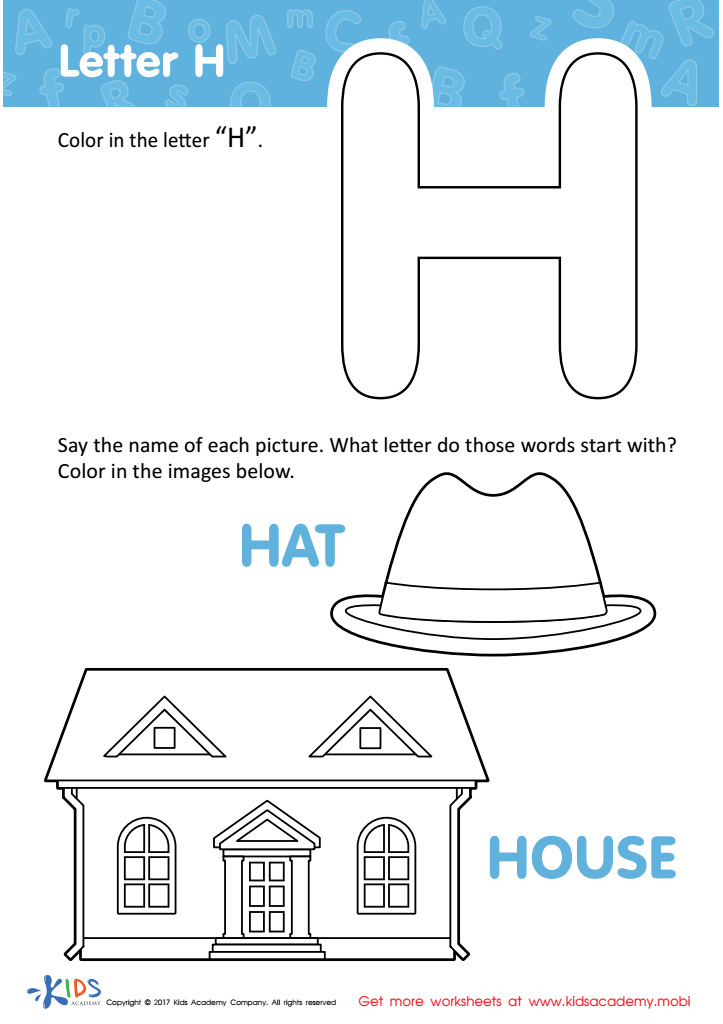
Letter H Coloring Sheet
Assign to My Students
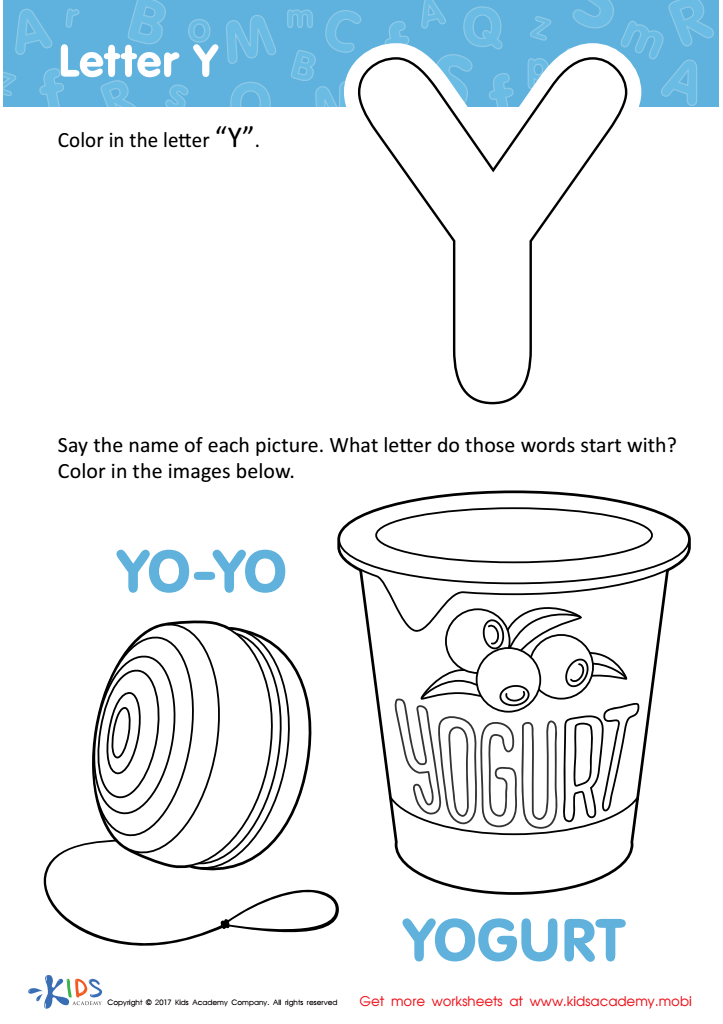
Letter Y Coloring Sheet
Assign to My Students
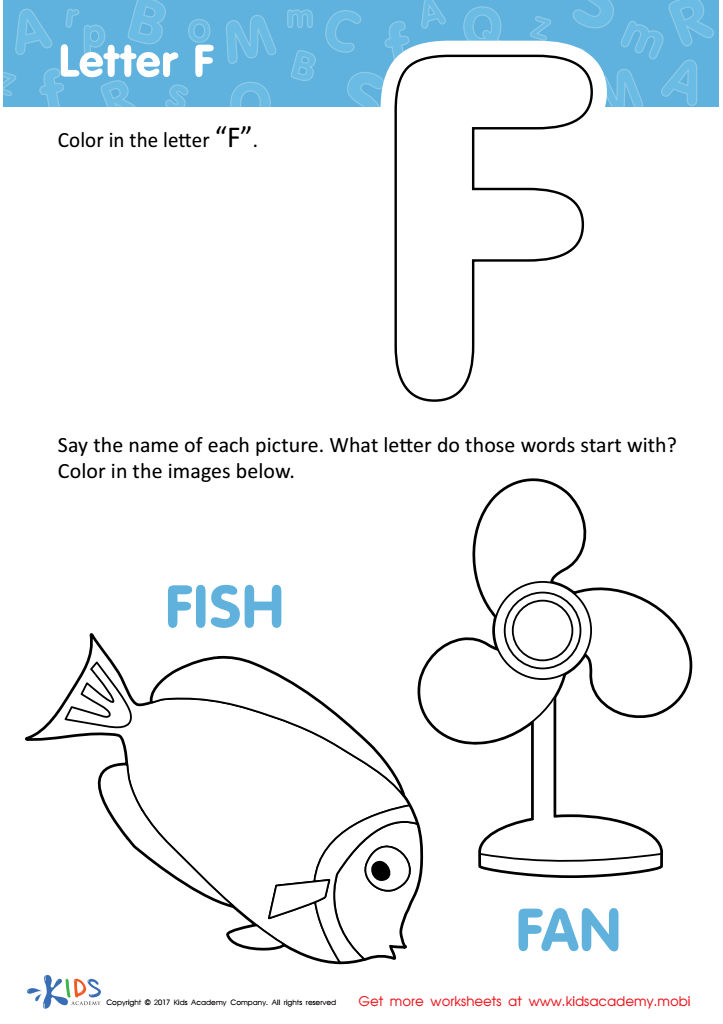
Letter F Coloring Sheet
Assign to My Students
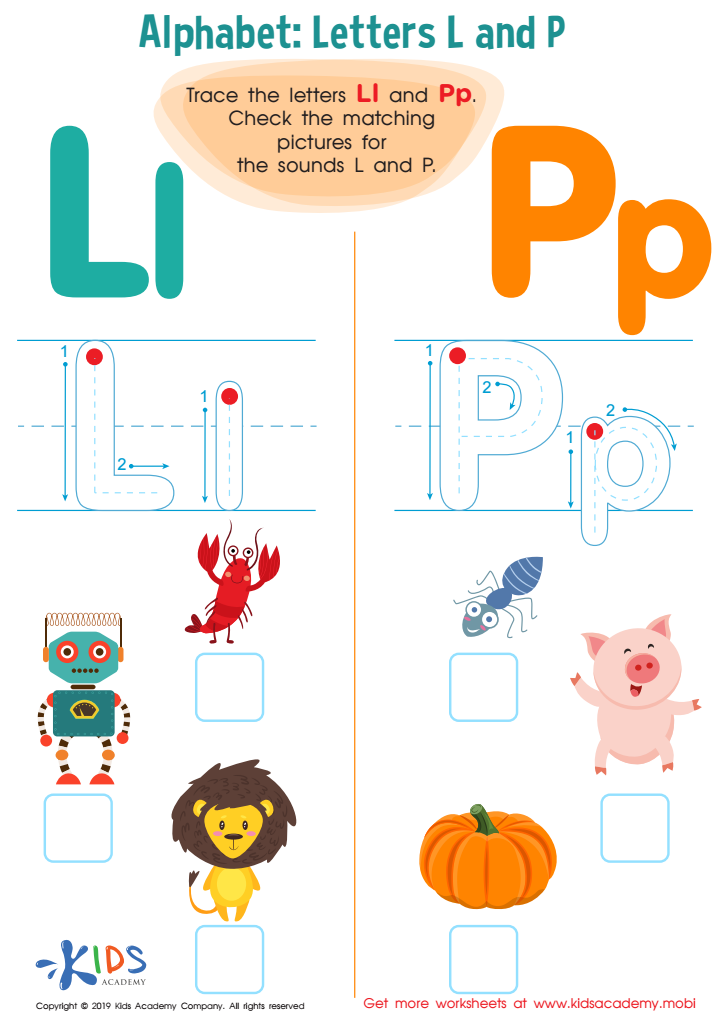
Letter L and P Tracing Worksheet





Alphabet recognition is crucial for young learners aged 3-9 because it lays the foundation for literacy and language development. At this stage, children's brains are highly adaptable and ready to absorb new information. Recognizing letters enables them to develop phonemic awareness, which is essential for reading and writing skills. When children can identify letters and their corresponding sounds, they are better equipped to decode words, ultimately leading to improved reading fluency and comprehension.
Moreover, early alphabet recognition fosters confidence in children. As they begin to recognize and use letters independently, they feel a sense of accomplishment, encouraging a love for learning. Parents and teachers play a vital role in supporting this skill through engaging activities, such as alphabet songs, games, and interactive reading.
Additionally, strong alphabet recognition skills contribute to a child's success in school. It enhances their ability to follow instructions, engage in classroom conversations, and participate in activities that require reading and writing, allowing for a more comprehensive educational experience.
Investing time in alphabet recognition not only equips children with fundamental skills but also instills a lifelong passion for reading, ultimately setting them on a path to academic success and effective communication.