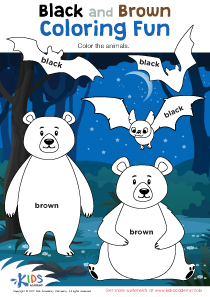
Alphabetical order understanding English for Beginners Worksheets for Ages 3-9
4 filtered results
-
From - To
Discover our engaging "Alphabetical Order Understanding" worksheets designed specifically for beginners aged 3-9. These educational resources help young learners grasp the fundamentals of alphabetical order through fun activities tailored for early education. With colorful illustrations and simple instructions, children will develop their sorting skills, vocabulary, and recognition of letters. Ideal for ESL learners, our worksheets promote language acquisition in a playful and interactive manner. Enhance your child's confidence and literacy foundation with these structured worksheets that encourage exploration and discovery within the English language. Perfect for home or classroom use, our resources are sure to inspire a love for learning!
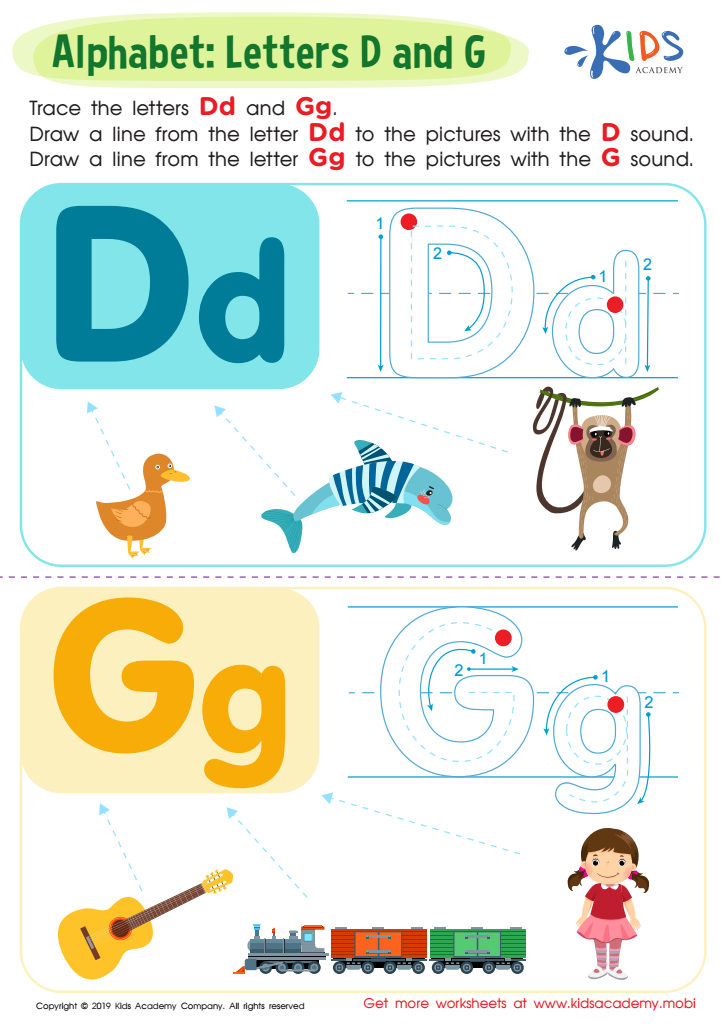
Letter D and G Tracing Worksheet
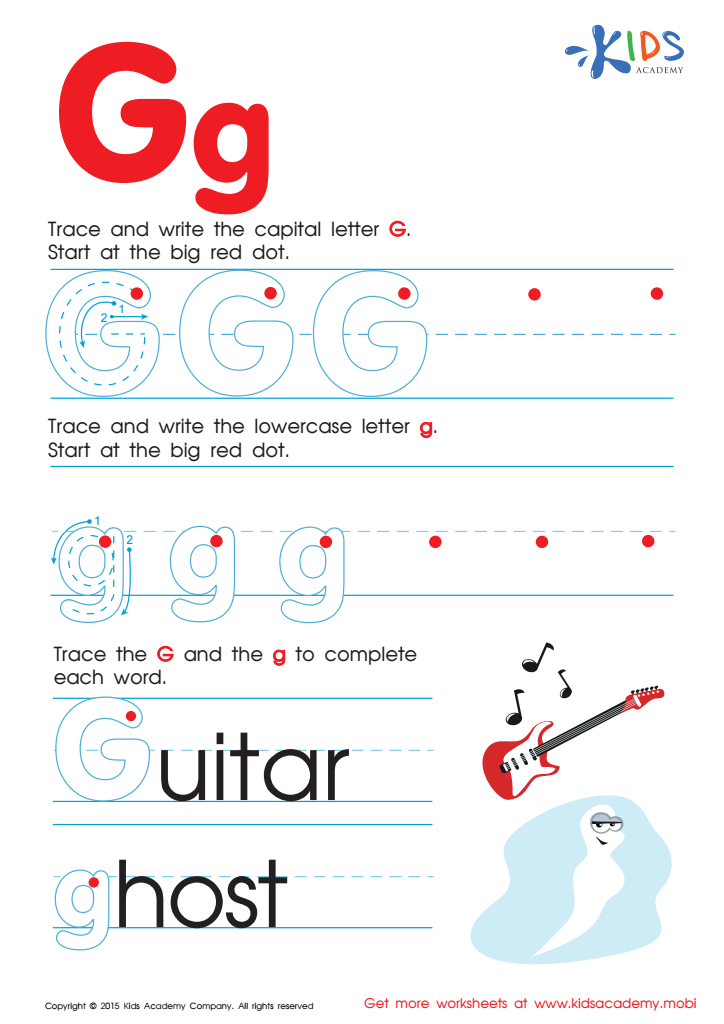
Letter G Tracing Page
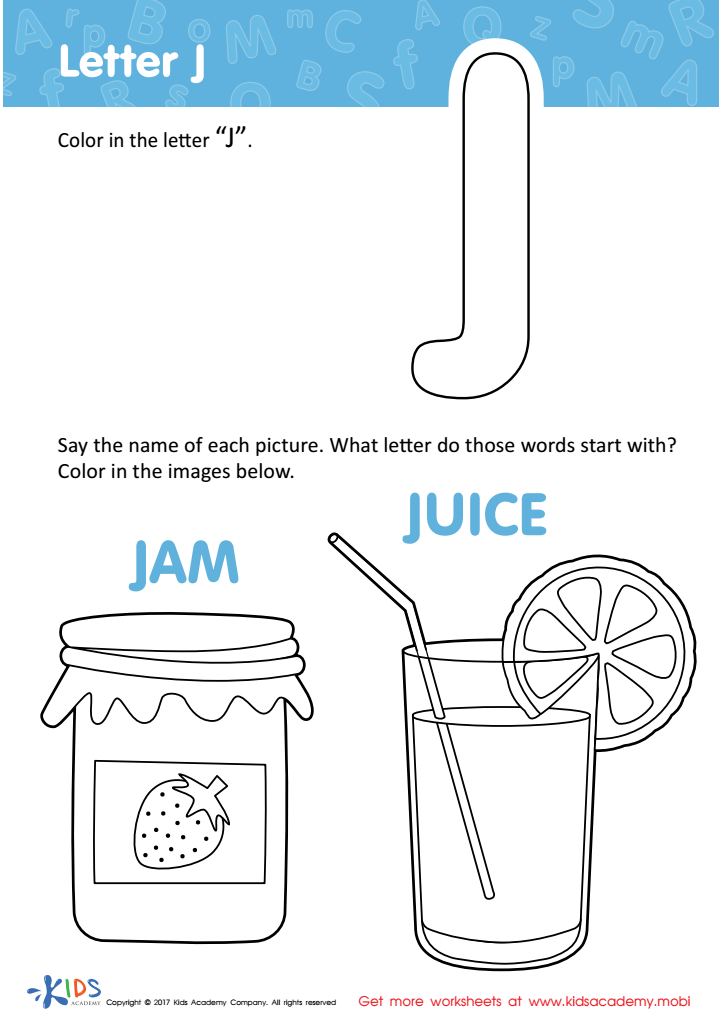
Letter J Coloring Sheet
 Assign to My Students
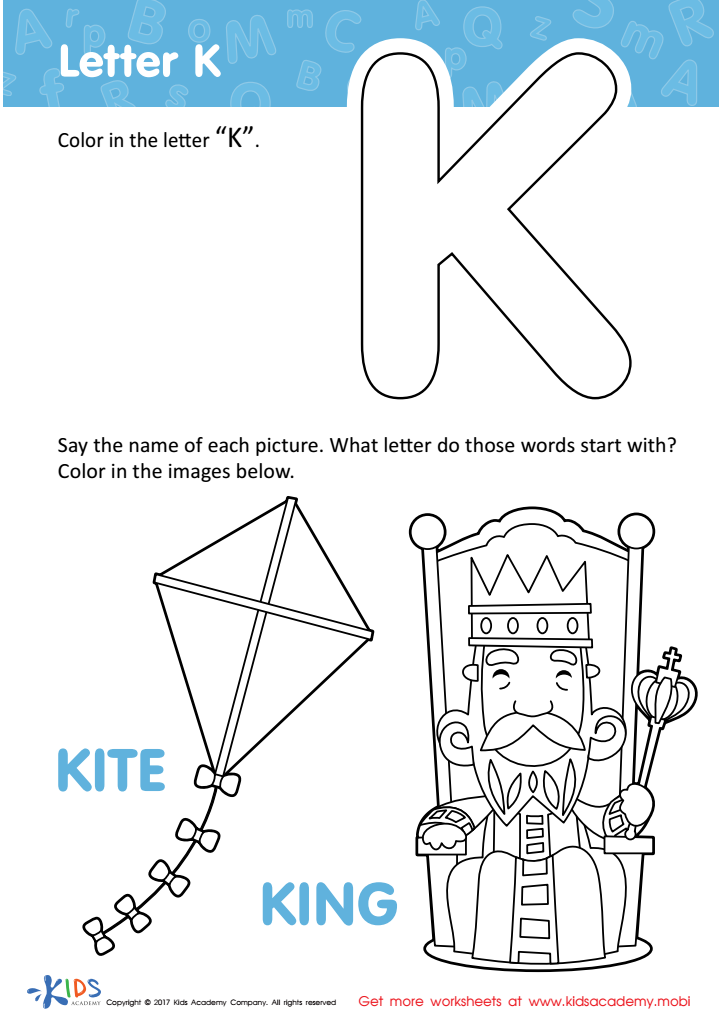
Letter K Coloring Sheet
Assign to My Students





Understanding alphabetical order is a foundational skill for young learners aged 3-9 as it is crucial for their literacy development. Parents and teachers should prioritize this concept because it helps children recognize and organize letters and words, ultimately facilitating reading and writing abilities. Familiarity with the alphabet lays the groundwork for phonics instruction, enabling children to decode words effectively.
Additionally, mastering alphabetical order has practical application in daily activities. For instance, knowing how to find books in a library, search for items in a store, or even manage classroom materials fosters independence and problem-solving skills. This foundational knowledge builds confidence as children navigate both academic and social environments.
Moreover, a strong grasp of alphabetical order promotes cognitive skills like categorization and sequencing, which are essential for overall learning. Engaging in activities like singing the alphabet song, playing sorting games, or creating alphabet books can make the process fun and interactive.
Ultimately, understanding alphabetical order is not just about letters; it is about paving the way for future learning opportunities, developing early literacy skills, and ensuring that children are prepared for more complex reading and writing tasks as they grow. Early mastery of these skills greatly enhances educational growth and self-sufficiency.