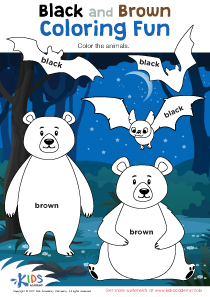
Hand-eye Coordination English for Beginners Worksheets for Ages 3-9
15 filtered results
-
From - To
Boost your child's hand-eye coordination with our "Hand-eye Coordination English for Beginners Worksheets" designed specifically for ages 3-9. These engaging worksheets combine fun activities that enhance fine motor skills while introducing essential English vocabulary and sentence structure. Children will connect words with actions through interactive exercises, promoting language development and coordination simultaneously. Ideal for homeschooling or classroom settings, our resource provides a playful way to learn. Foster early learning with worksheets that captivate young learners’ attention, helping them build crucial skills for future academic success. Explore our collection today and watch your child thrive in both language and movement!
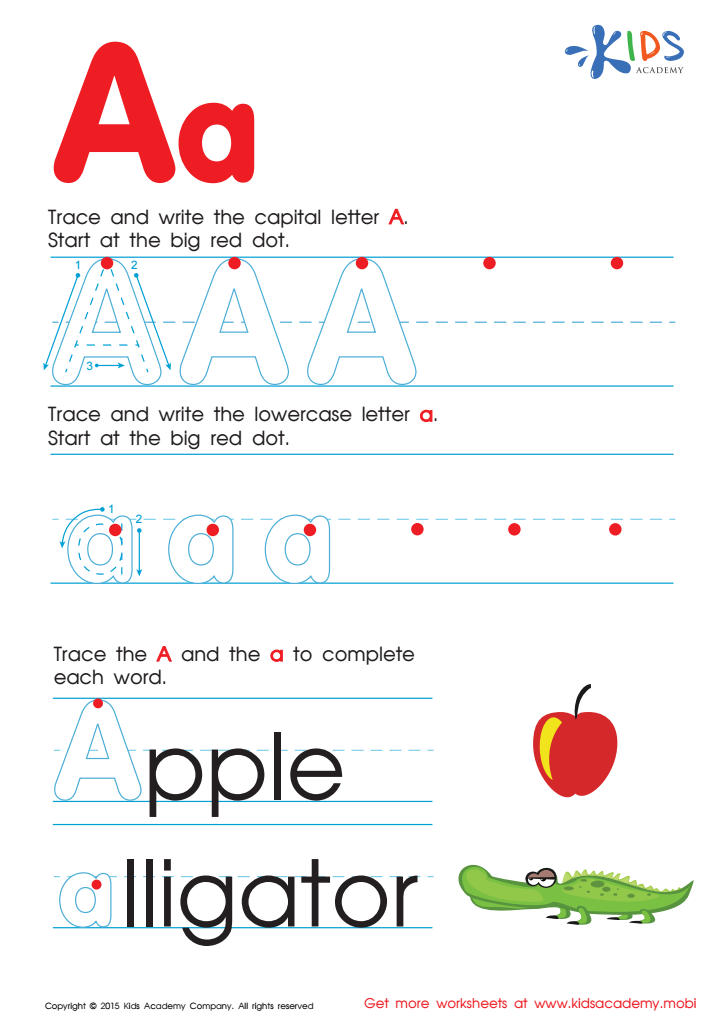
Letter A Tracing Page
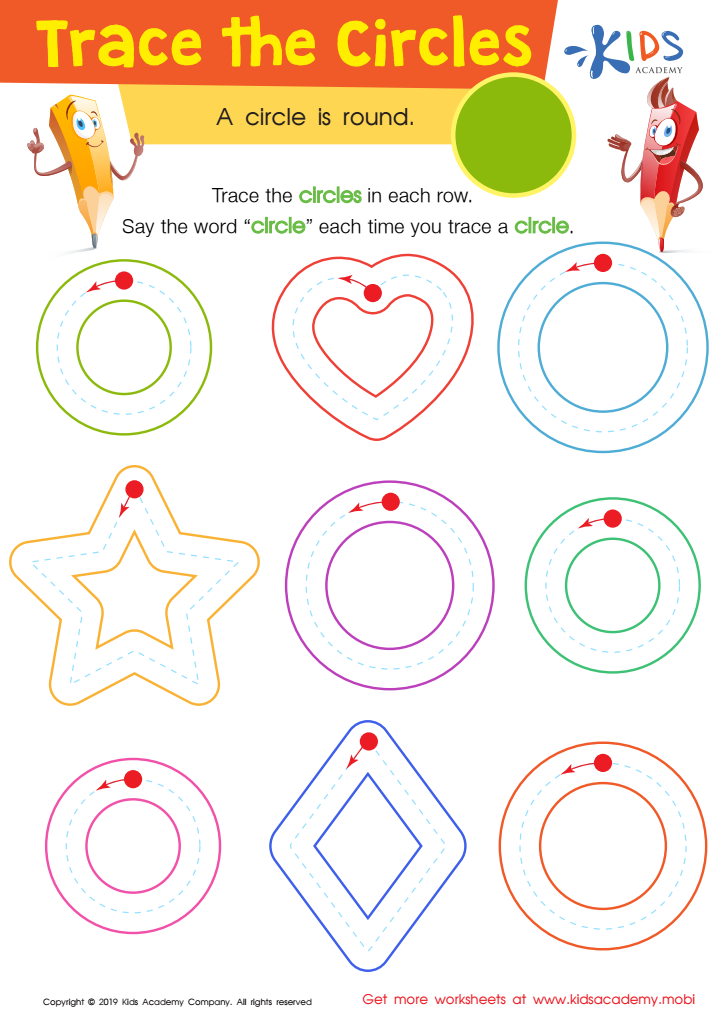
Trace The Circles Worksheet
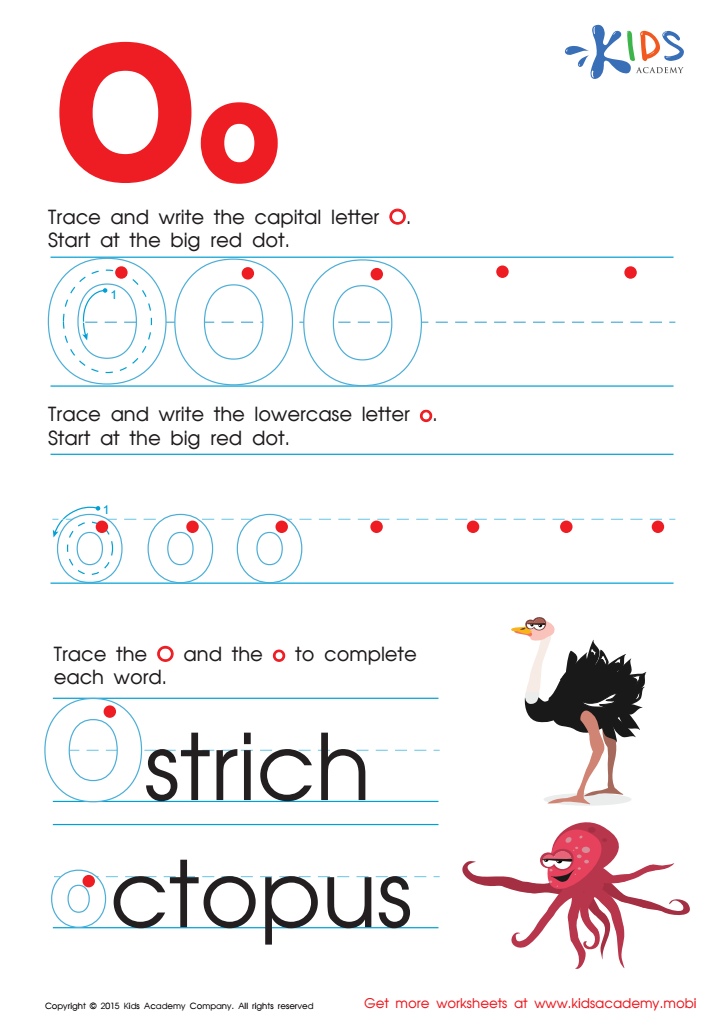
Letter O Tracing Page

Letter P Tracing Page
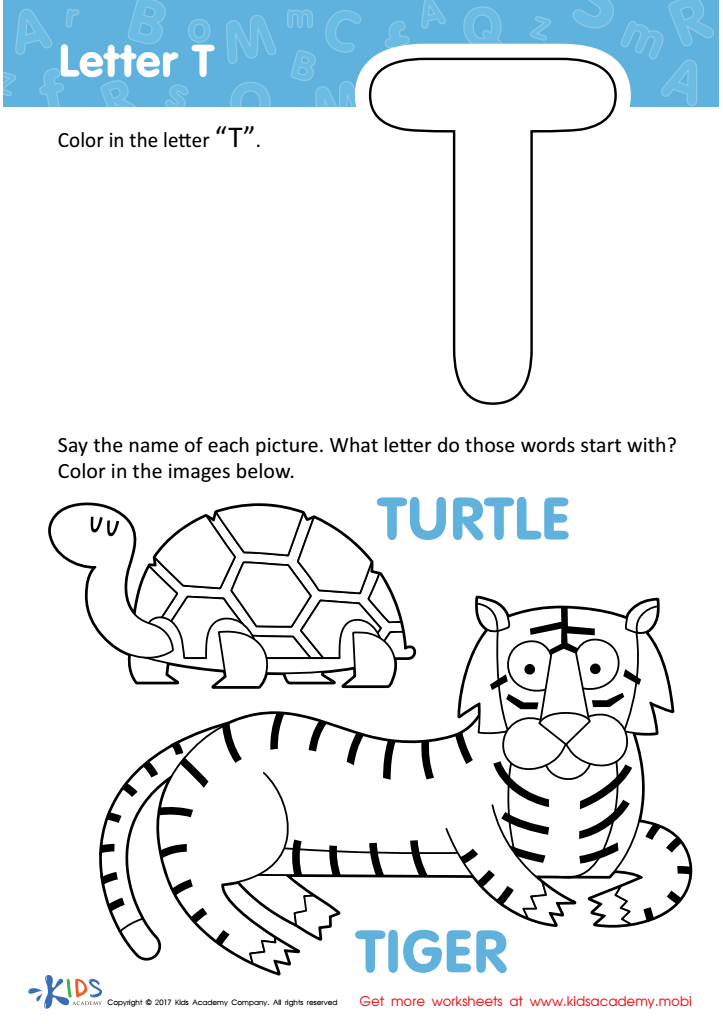
Letter T Coloring Sheet
 Assign to My Students
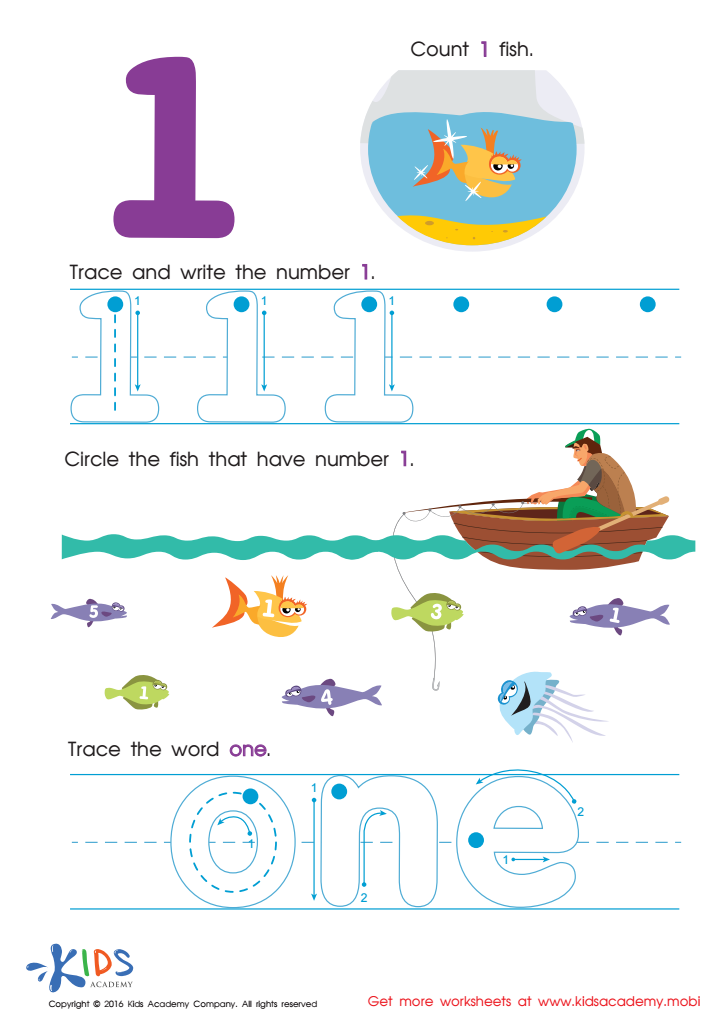
Learning to Write 1 Worksheet
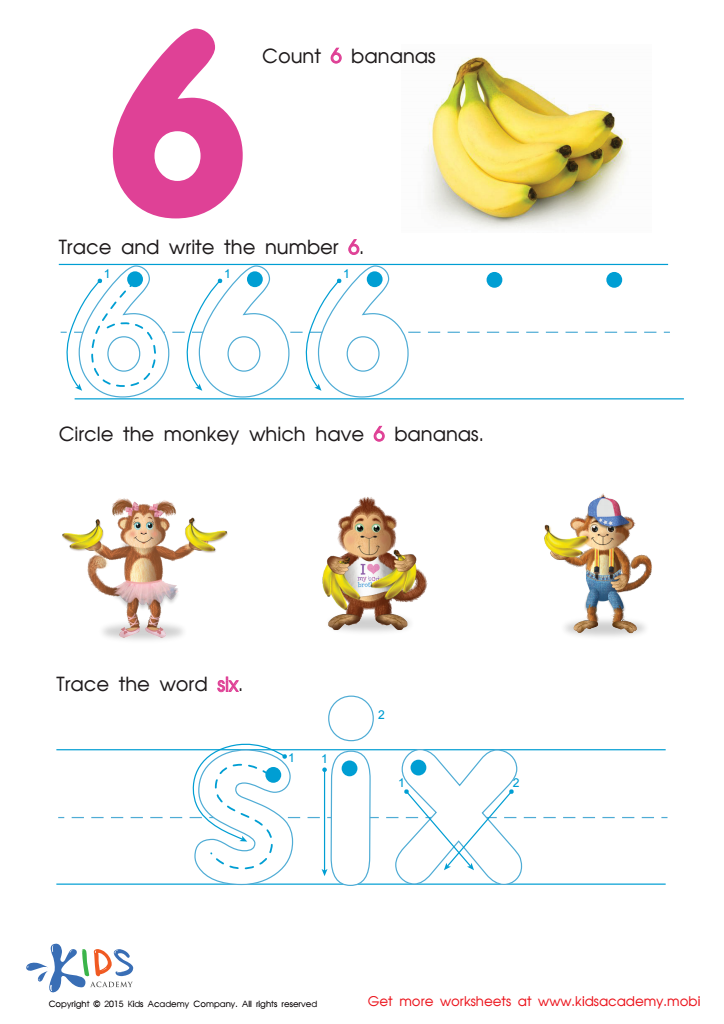
Tracing And Writing Number 6 Worksheet

Letter H Tracing Page
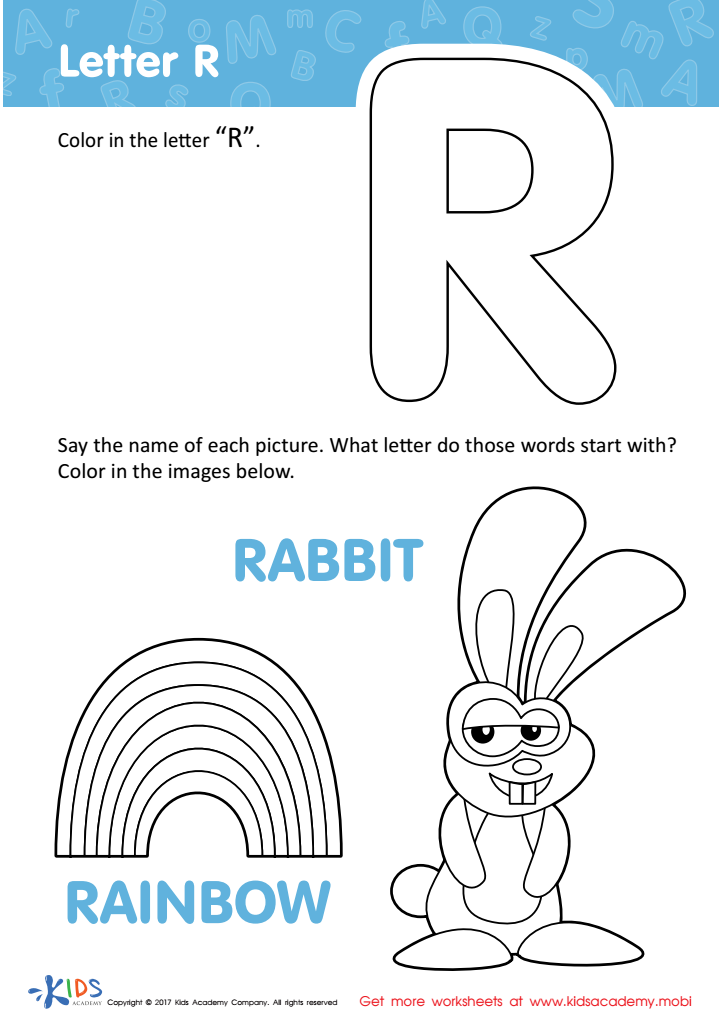
Letter R Coloring Sheet
Assign to My Students

Long and Short U Worksheet
Assign to My Students
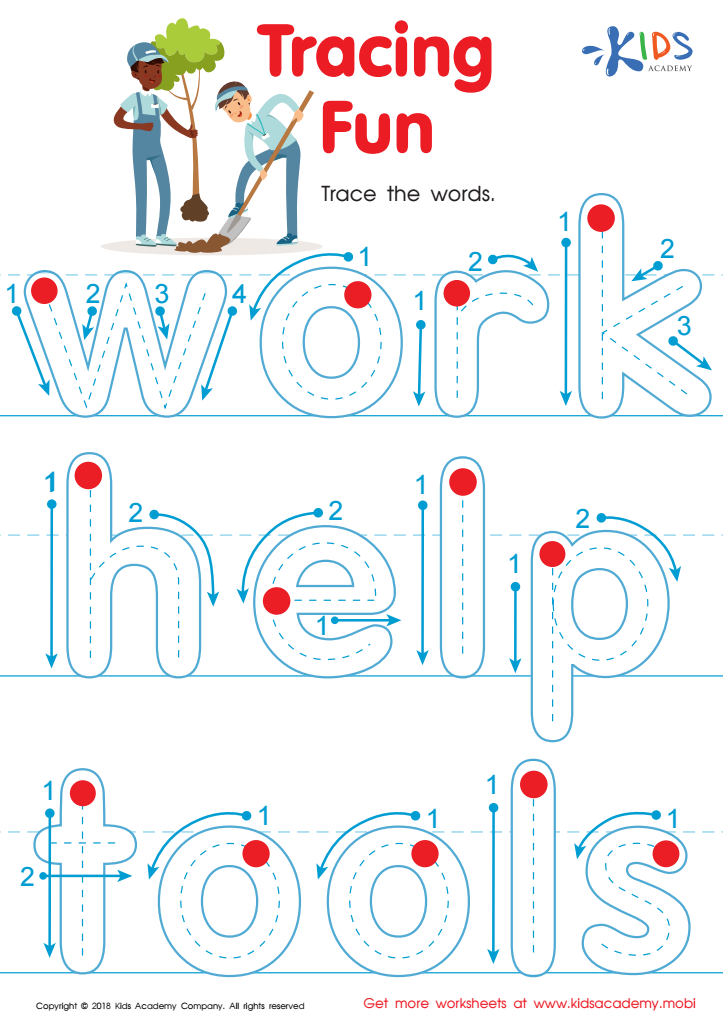
Tracing Fun Worksheet
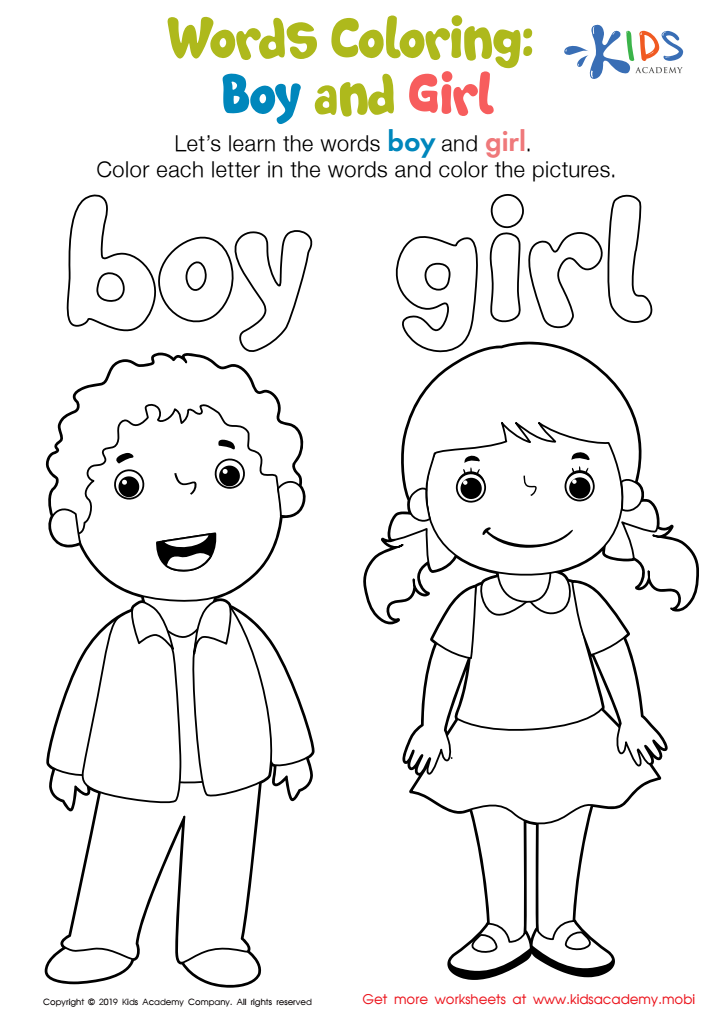
Boy and Girl Words Coloring Worksheet
Assign to My Students
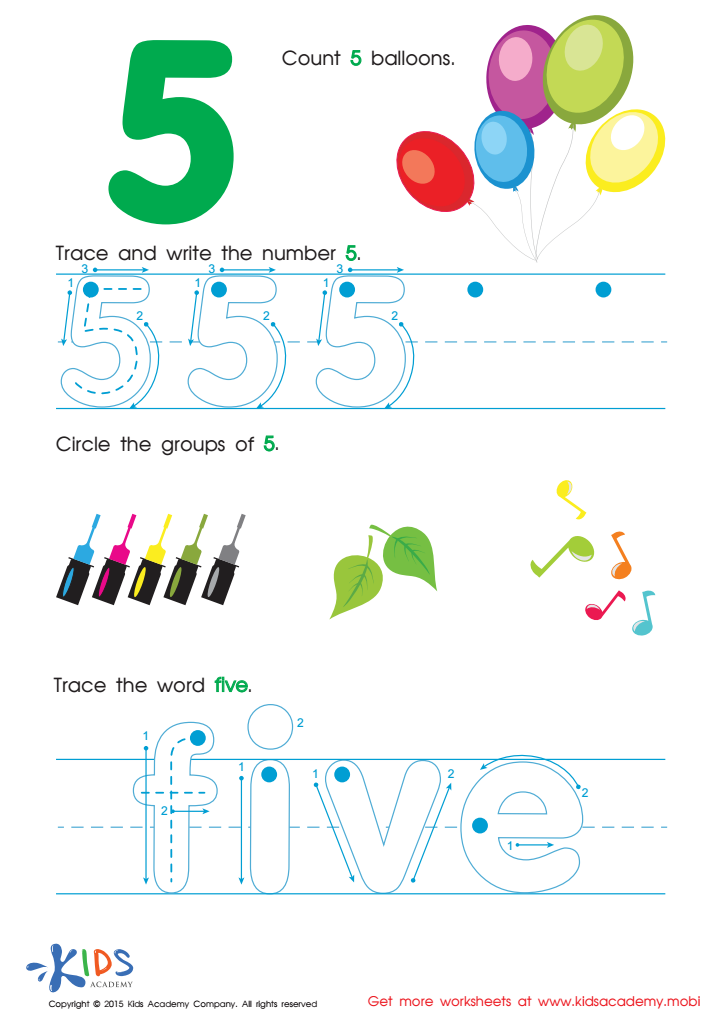
Practice Writing Number 5 Worksheet
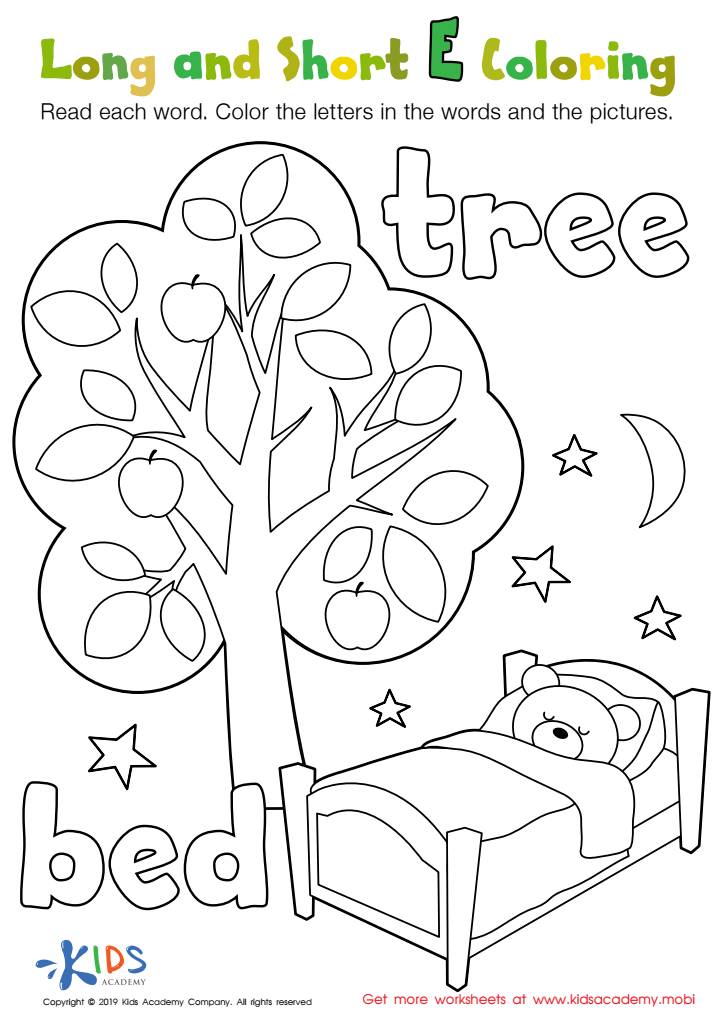
Long and Short E Worksheet
Assign to My Students
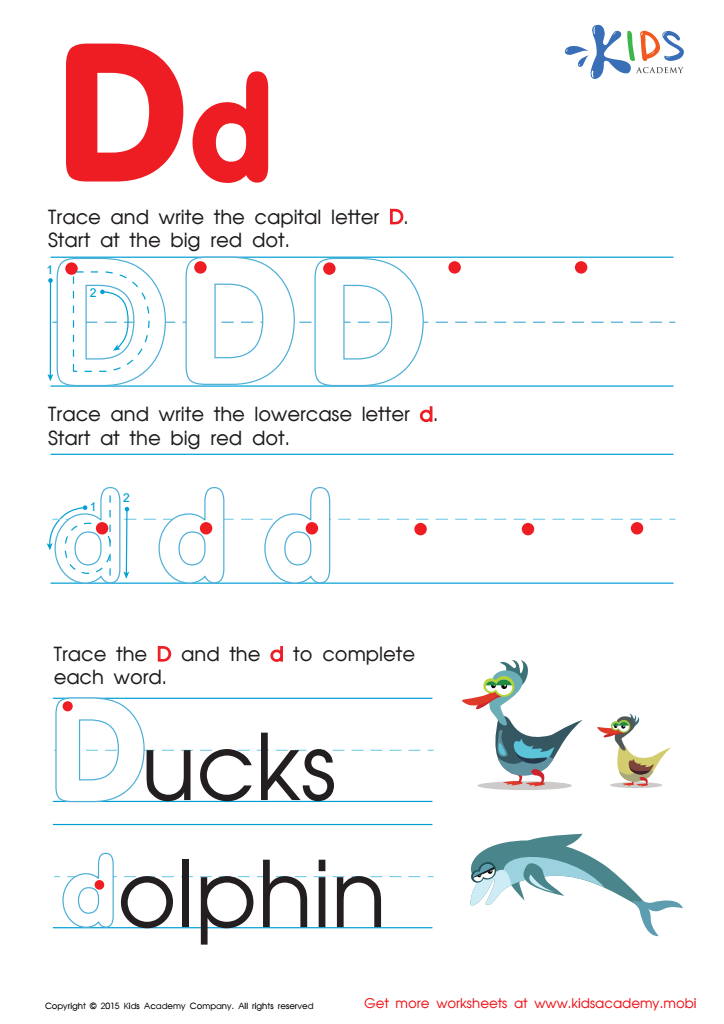
Letter D Tracing Page





Hand-eye coordination is vital for children's overall development, especially for ages 3-9, as it is foundational in learning both academically and socially. For parents and teachers, fostering this skill is crucial as it directly impacts a child's ability to engage in activities like writing, drawing, and playing sports. These activities not only enhance fine motor skills but also boost confidence in their abilities.
In the classroom, effective hand-eye coordination aids students in developing a strong grasp of fundamental concepts in subjects such as math and science. For instance, pouring liquids in science experiments or aligning numbers during math activities requires precise hand-eye coordination.
At home, parents can encourage this development through simple play-based activities, such as puzzles or arts and crafts. By participating together, parents help their children improve these skills while also fostering bonding and building communication.
Moreover, strong hand-eye coordination facilitates smoother social interactions, as children needing to engage in cooperative play often rely on this skill to collaborate effectively, ensuring a well-rounded developmental experience. Given the profound effects of hand-eye coordination on learning and socialization, both parents and teachers should prioritize cultivating these skills in young children.