Letter Tracing English for Beginners Worksheets for Ages 3-9
6 filtered results
-
From - To
Enhance your child's writing skills with our "Letter Tracing English for Beginners Worksheets for Ages 3-9." Perfectly designed for young learners, these worksheets make mastering the alphabet fun and engaging. They offer clear, traceable letters with dotted lines, aiding in proper stroke formation and pencil control. Ideal for homeschooling or supplementary practice, this educational resource supports early literacy and builds a strong foundation for future learning. Start your child's journey towards fluent writing with these expertly crafted tracing activities. Download now from Kid’s Academy and witness their steady progress in English letter recognition and handwriting skills.
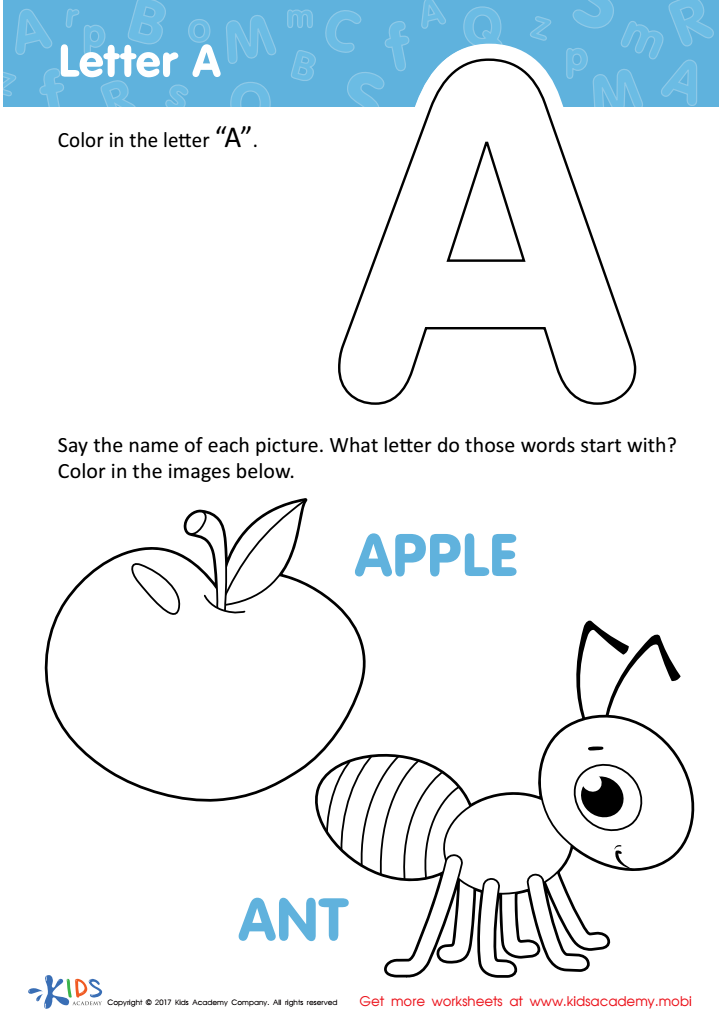
Letter A Coloring Sheet
 Assign to My Students
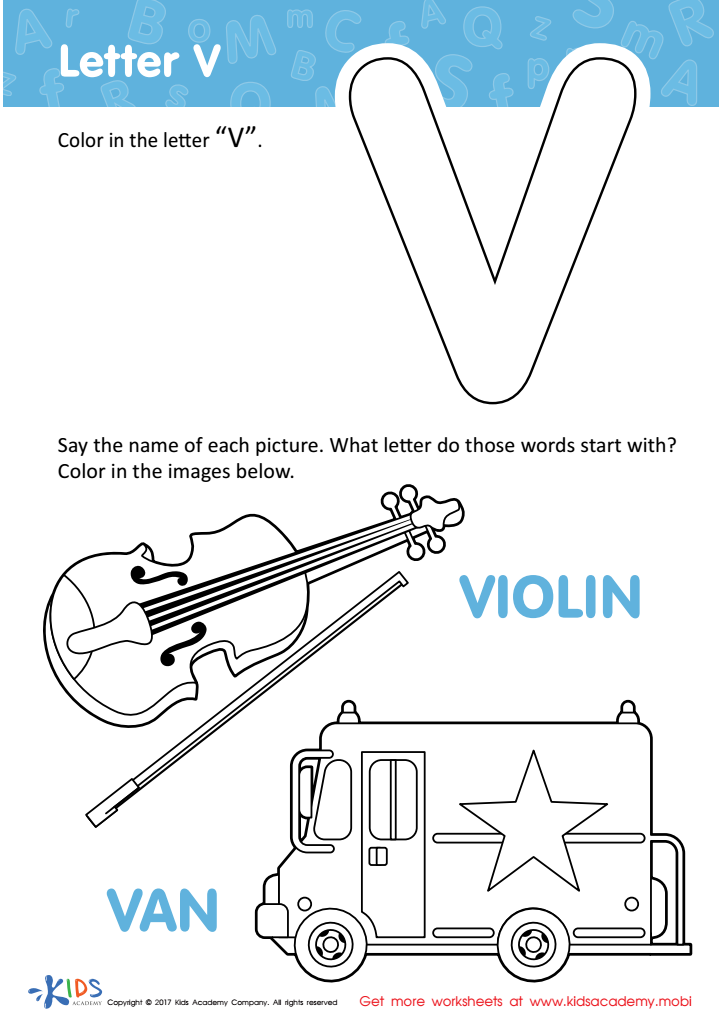
Letter V Coloring Sheet
Assign to My Students
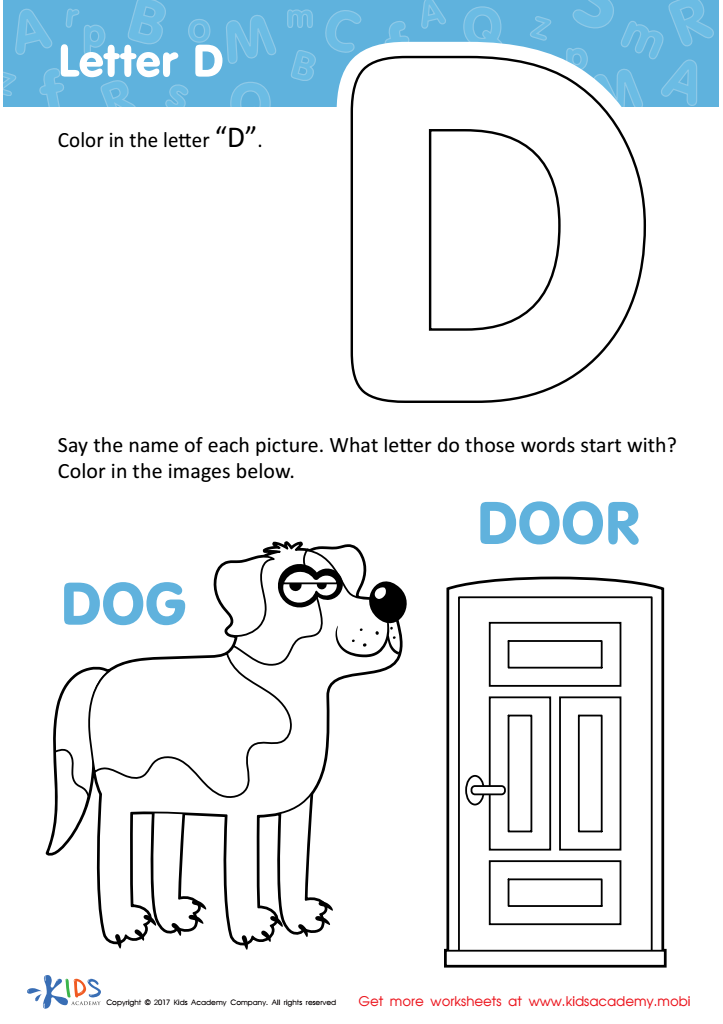
Letter D Coloring Sheet
Assign to My Students
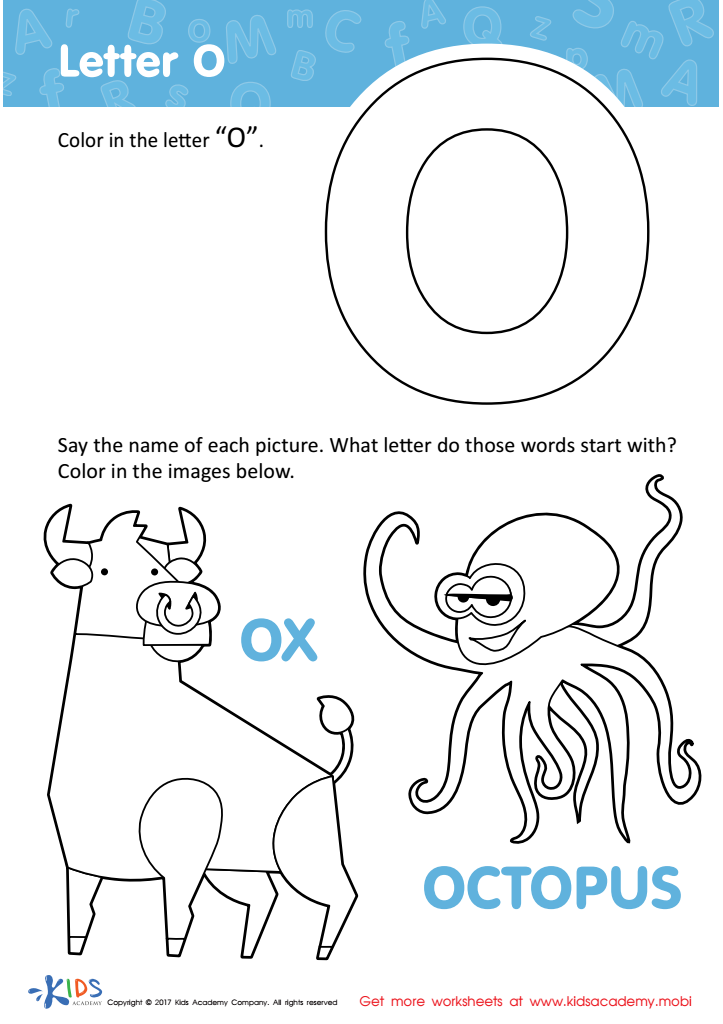
Letter O Coloring Sheet
Assign to My Students
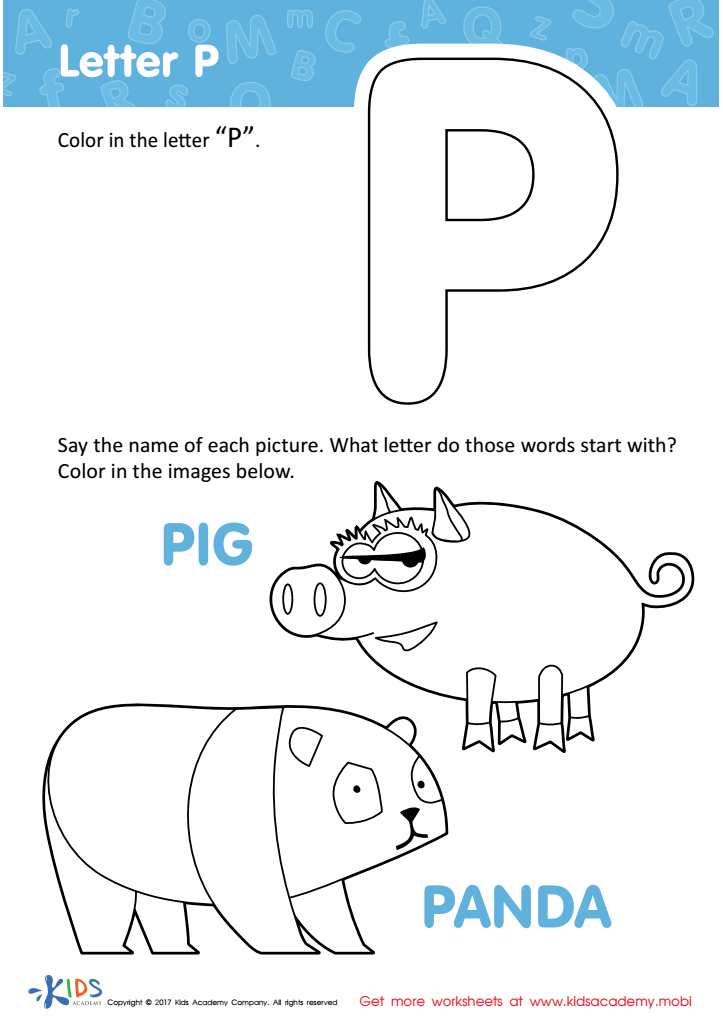
Letter P Coloring Sheet
Assign to My Students
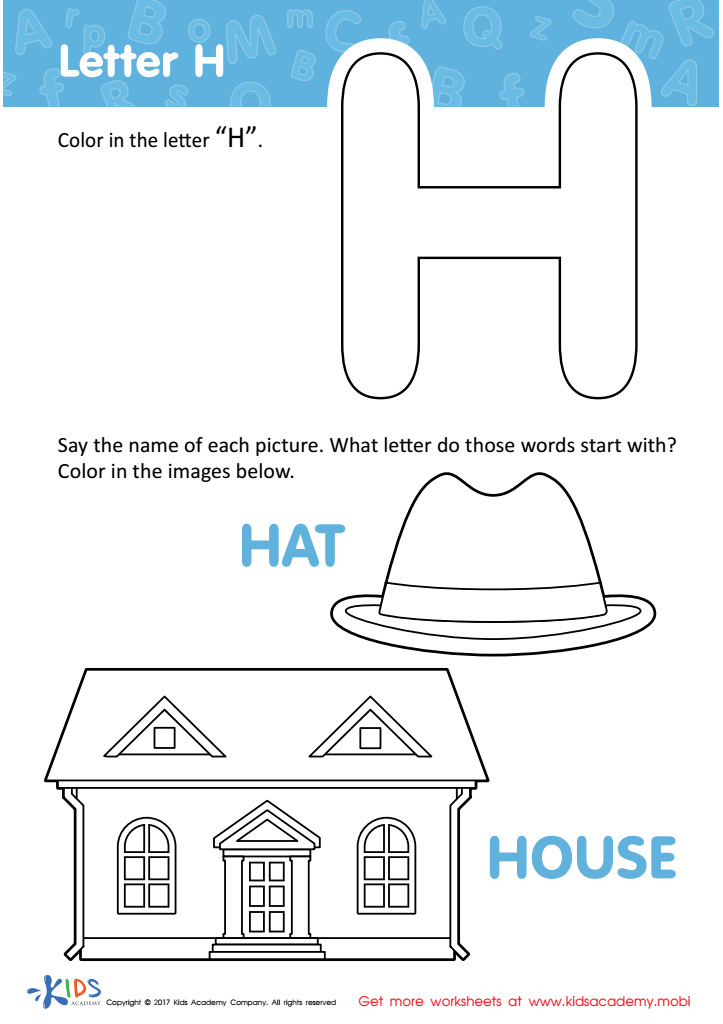
Letter H Coloring Sheet
Assign to My Students





Letter tracing for young children, specifically those aged 3-9, deeply influences their early literacy and fine motor skill development, hence garnering the attention of both parents and teachers. At its core, letter tracing helps toddlers enhance their hand-eye coordination and dexterity. As they trace each letter, they develop the fine motor muscles essential for writing, setting a strong foundation for their future academic tasks.
Moreover, engaging children in letter tracing exercises boosts their familiarity with the alphabet. This recognition is the building block for phonics, reading, and, eventually, comprehension skills. Creating a stimulus-rich environment early in life helps children build the neural connections necessary for linguistic and cognitive development.
Practicing letter tracing also offers a sense of accomplishment for young learners. As they succeed in forming letters, these small victories build confidence and instill a love for learning. Additionally, structured routines and exercises contribute to better concentration and persistence, as children learn to stay on task.
For parents and teachers, paying attention to letter tracing equips children with valuable early literacy tools. This proactive approach supports smoother transitions into more complex reading and writing tasks, adequately preparing them for the classroom and bolstering overall academic performance. This investment shortcut to essential literacy skills warrants serious consideration.