Alphabet Recognition Worksheets for Ages 3-9
79 filtered results
-
From - To
Explore our engaging Alphabet Recognition Worksheets designed for children ages 3-9! These expertly crafted resources are perfect for young learners eager to master the letters of the alphabet. With colorful, interactive exercises, kids will practice identifying, tracing, and recognizing both uppercase and lowercase letters. Our worksheets promote essential literacy skills through fun activities that keep children motivated and excited to learn. Perfect for classrooms or at-home practice, these worksheets cater to various learning styles. Help your child build a strong foundation in letter recognition and prepare them for academic success. Download now and watch their confidence soar!
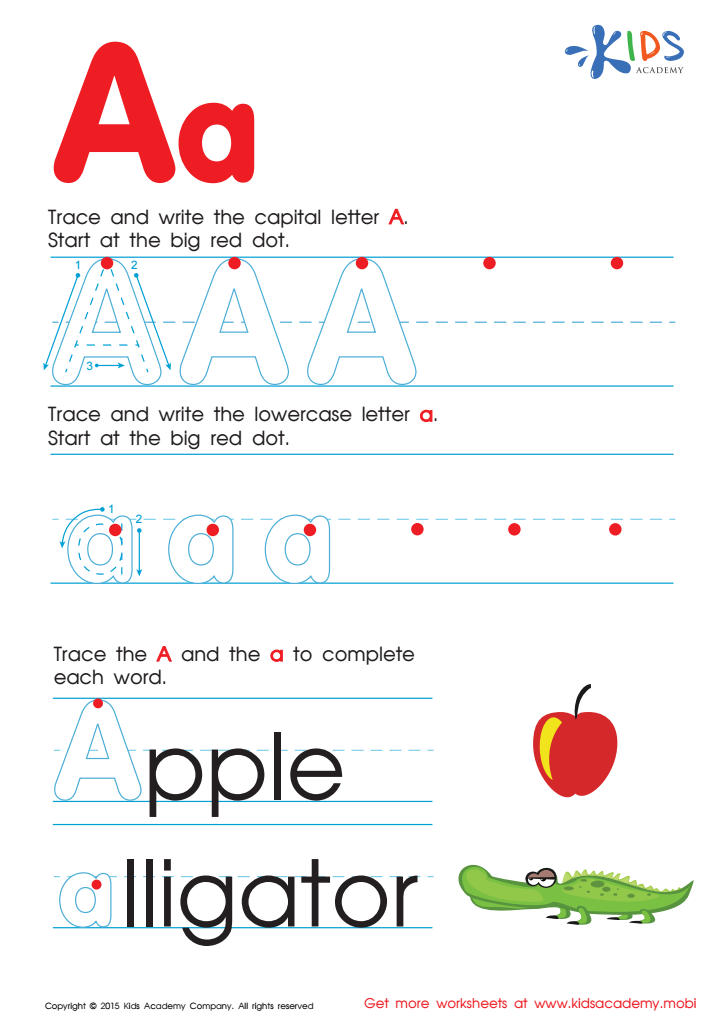
Letter A Tracing Page
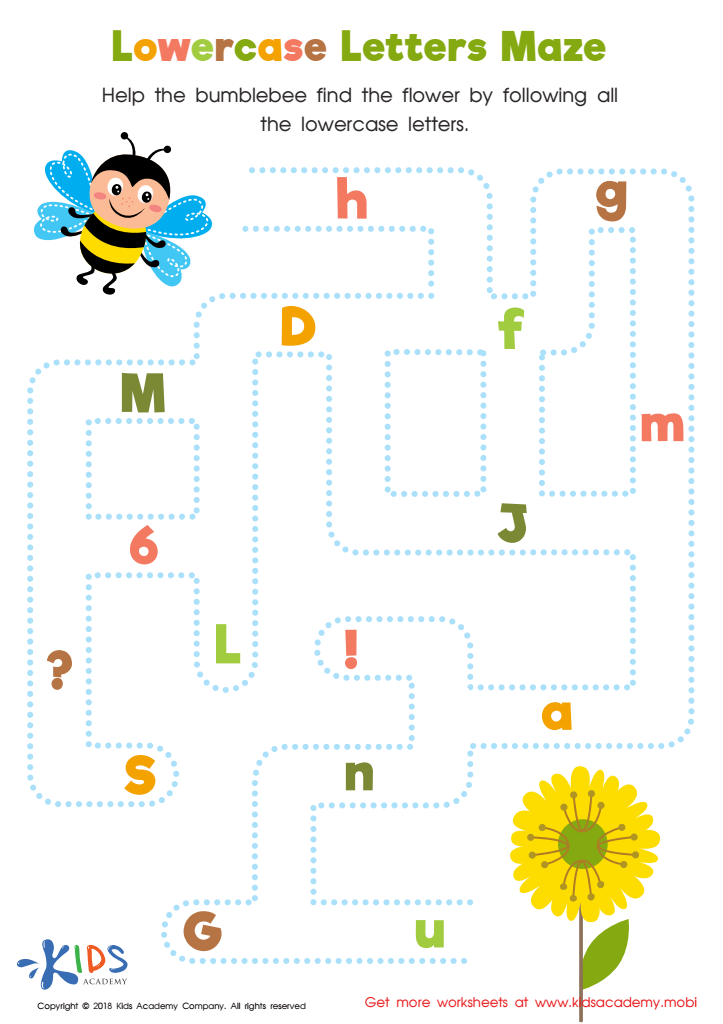
Lowercase Letters Maze Worksheet
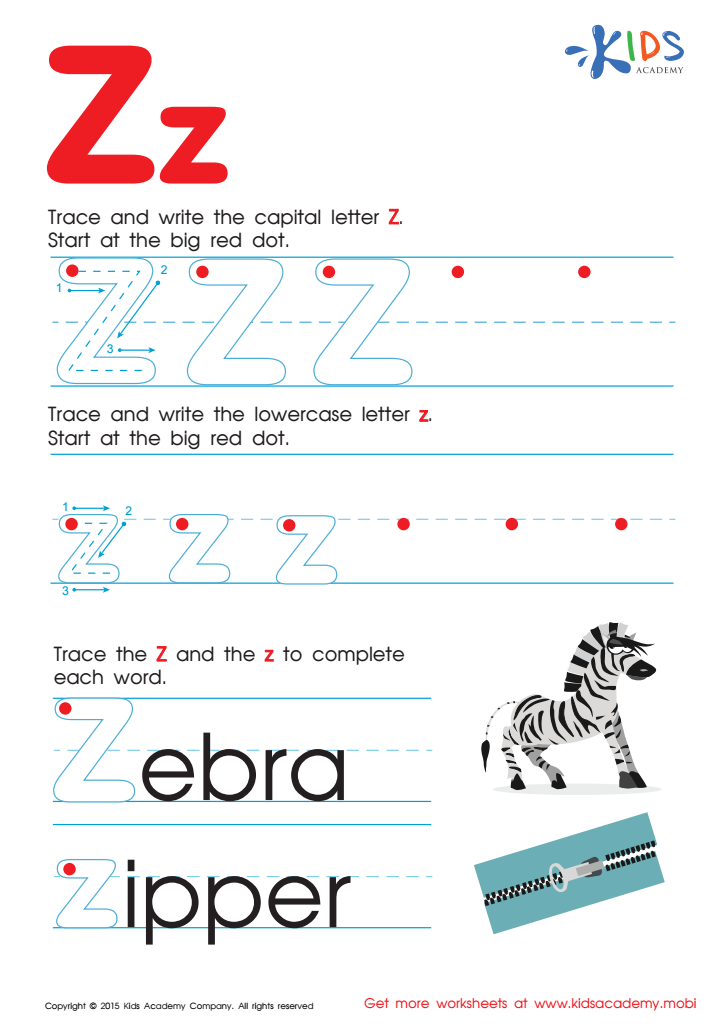
Letter Z Tracing Page
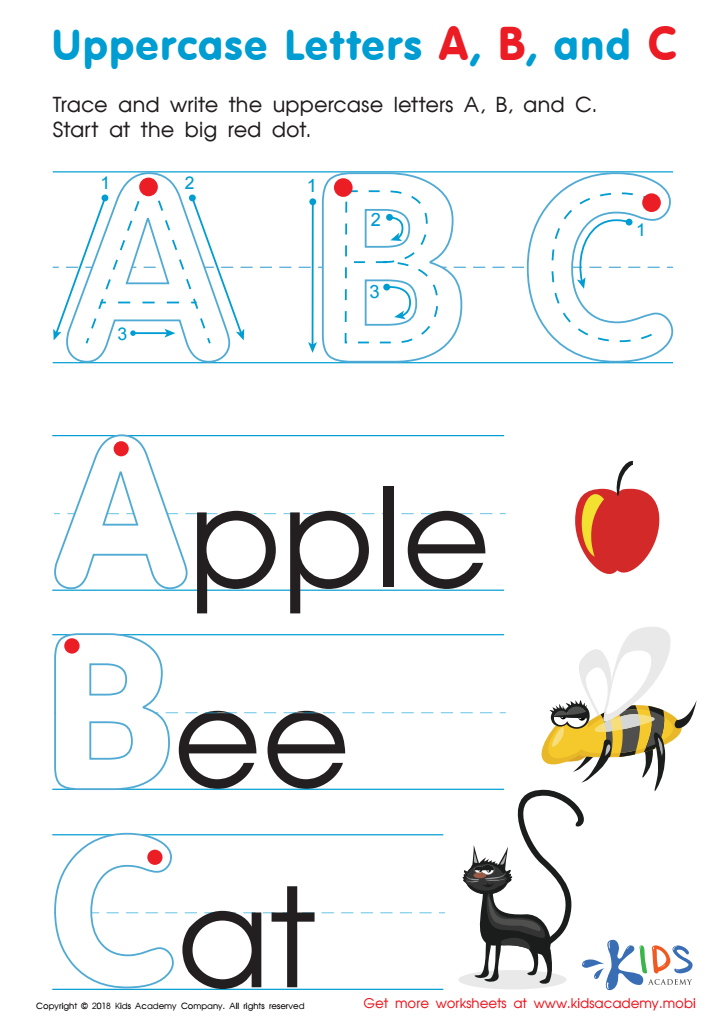
Uppercase Letters A, B, and C Worksheet
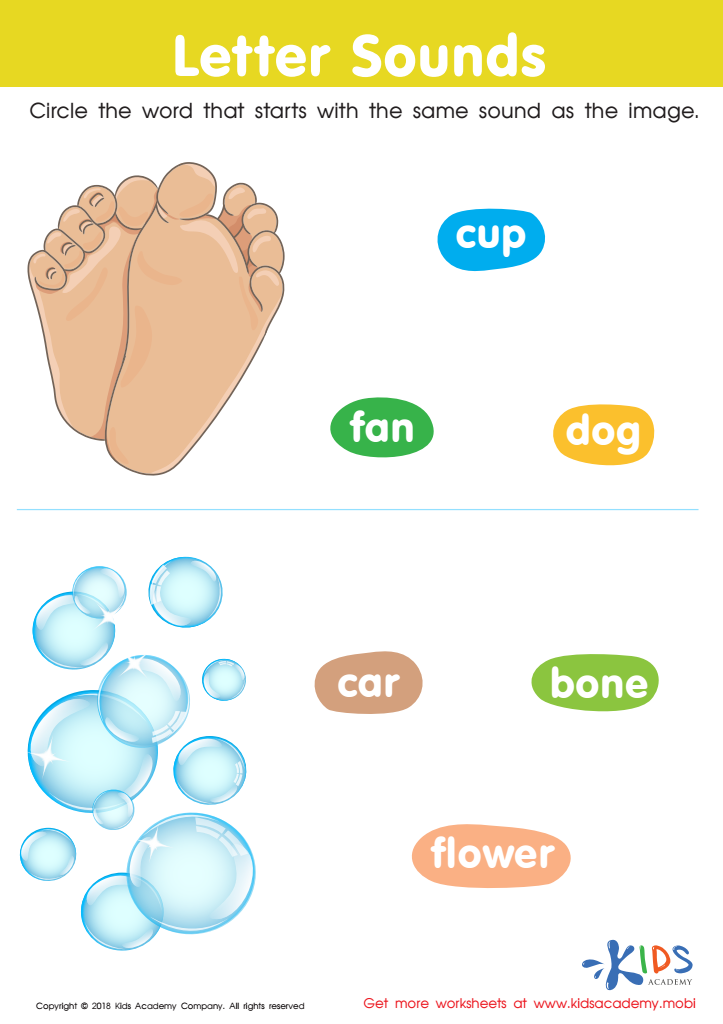
letter sounds Worksheet
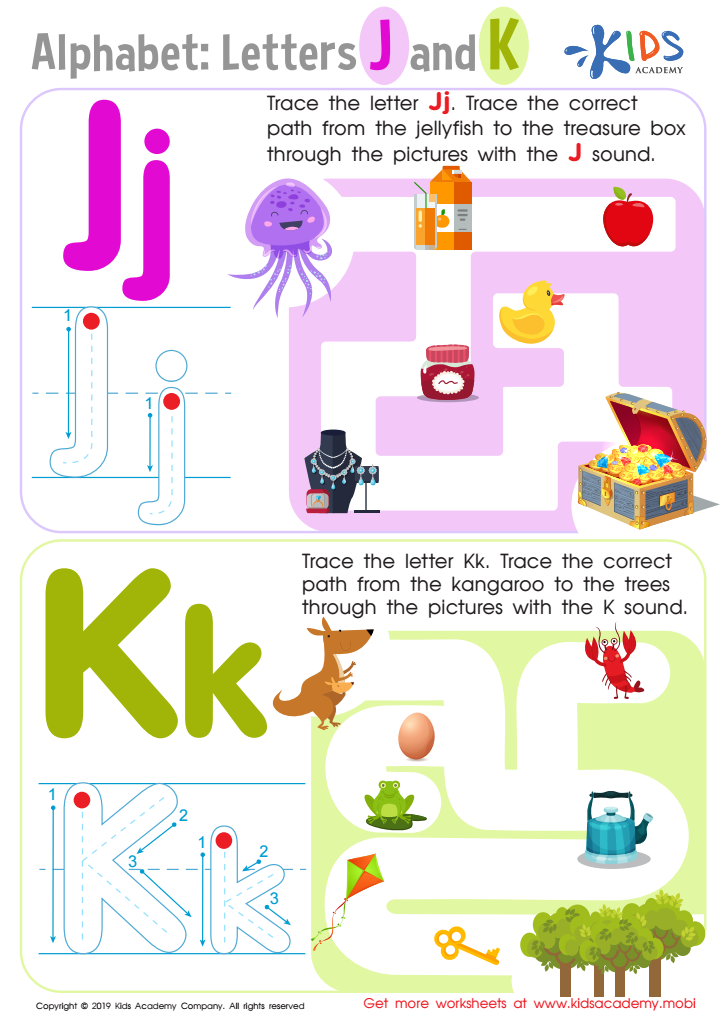
Letters J and K Tracing Worksheet
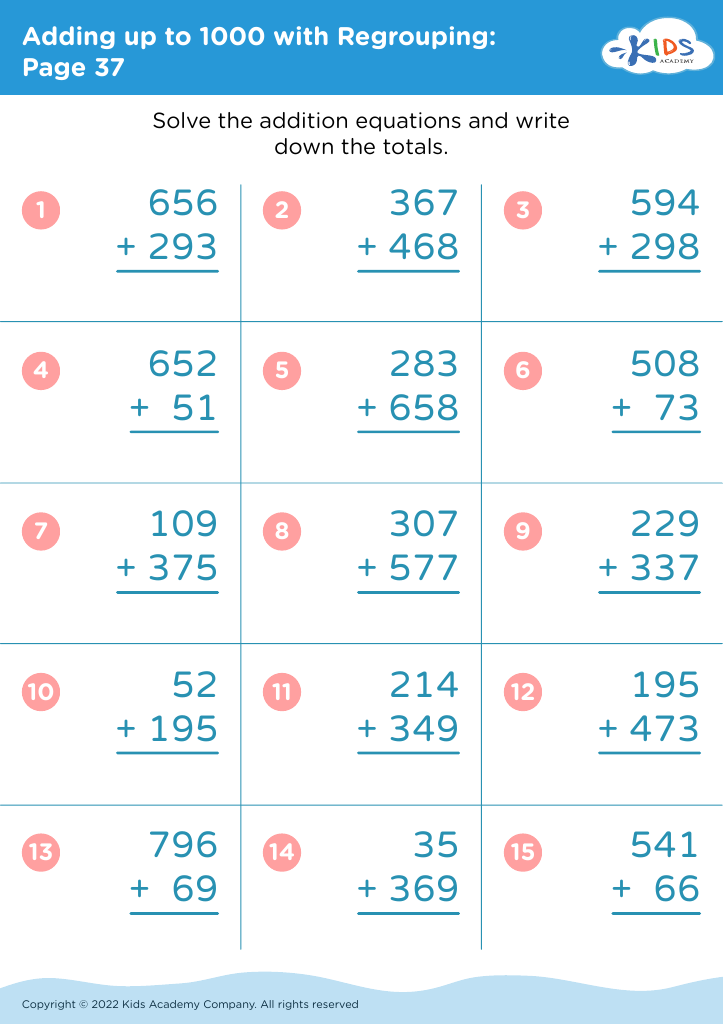
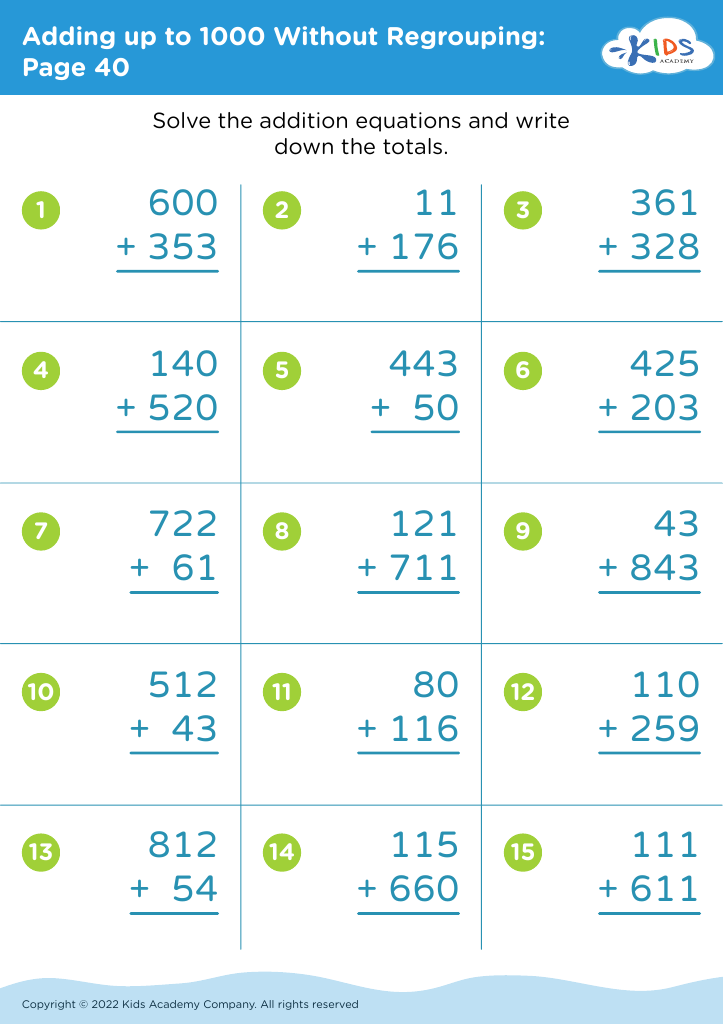
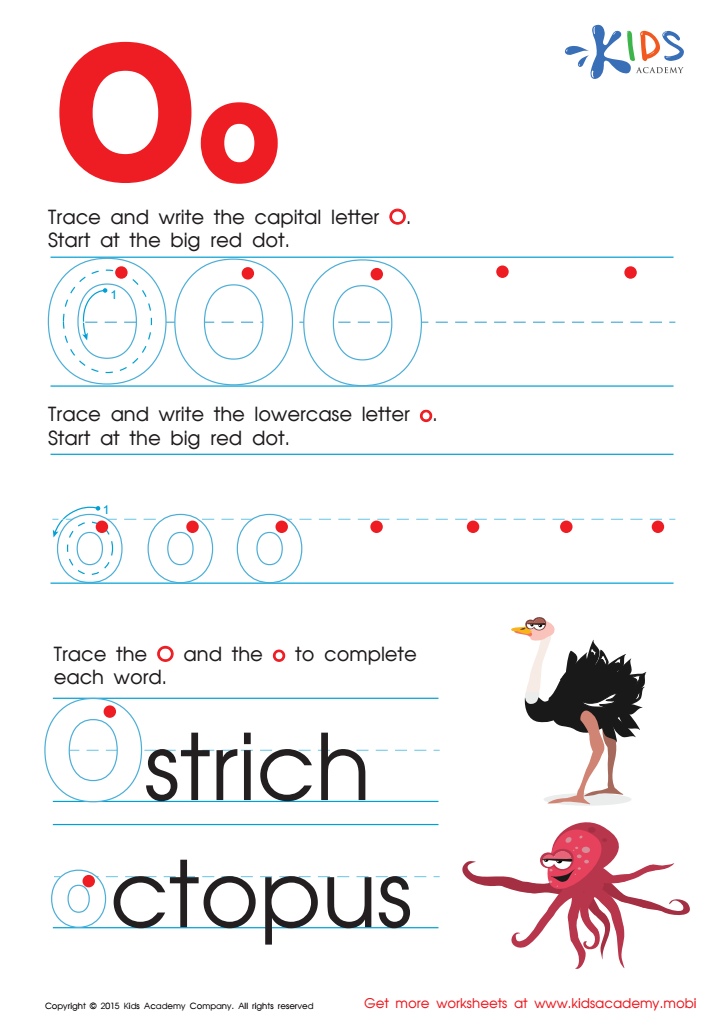
Letter O Tracing Page
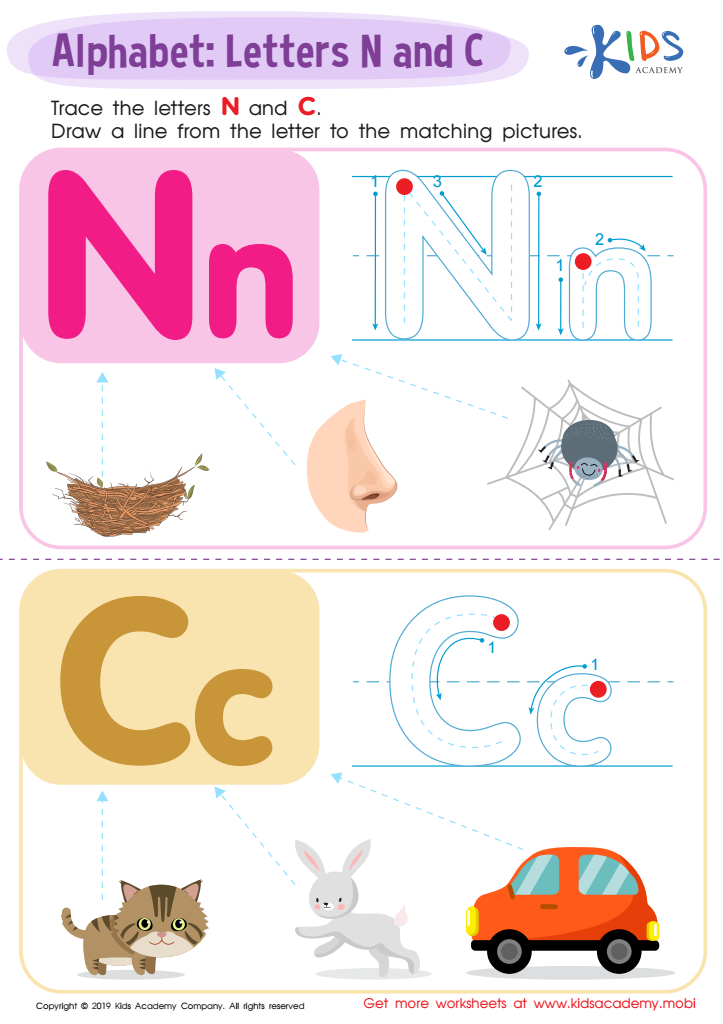
Letter N and C Tracing Worksheet
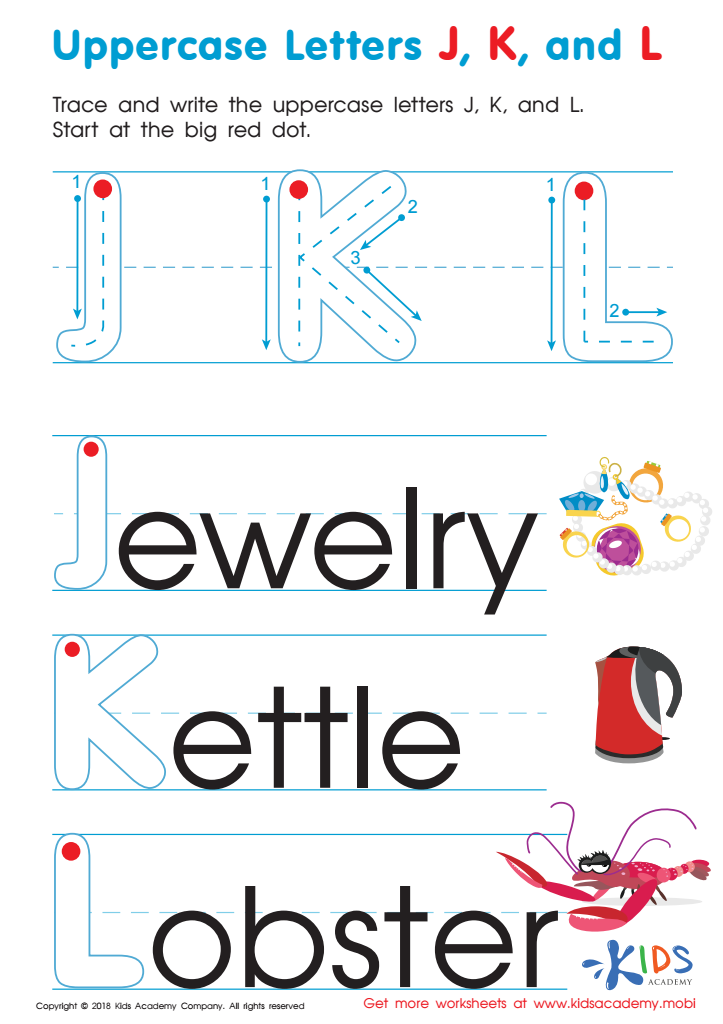
Uppercase Letters J, K, and L Worksheet
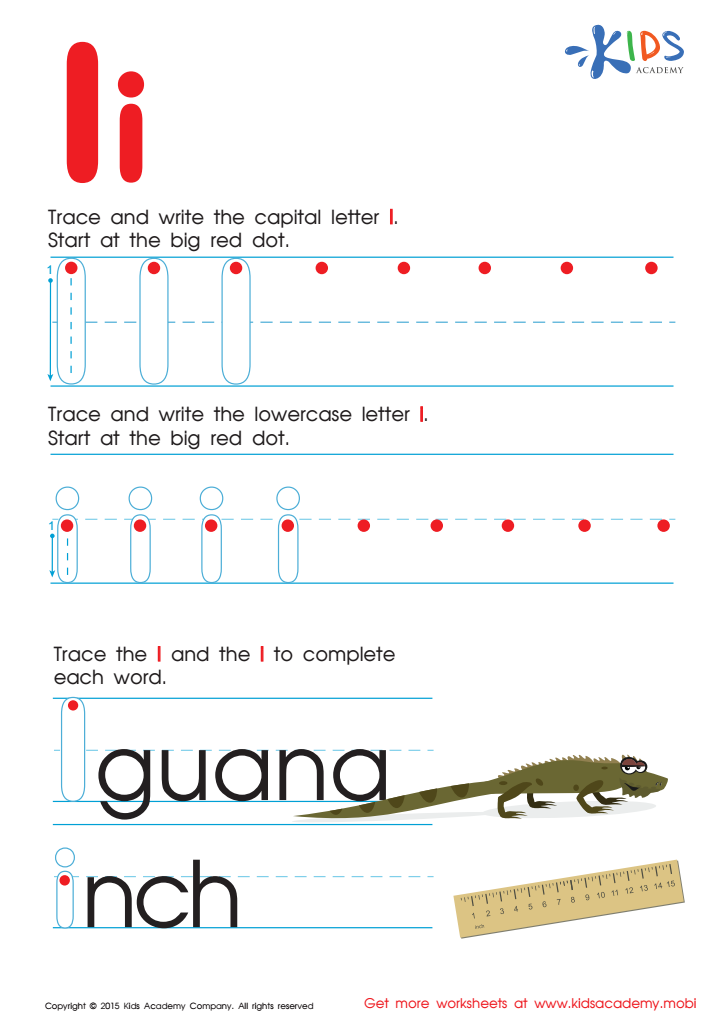
Letter I Tracing Page
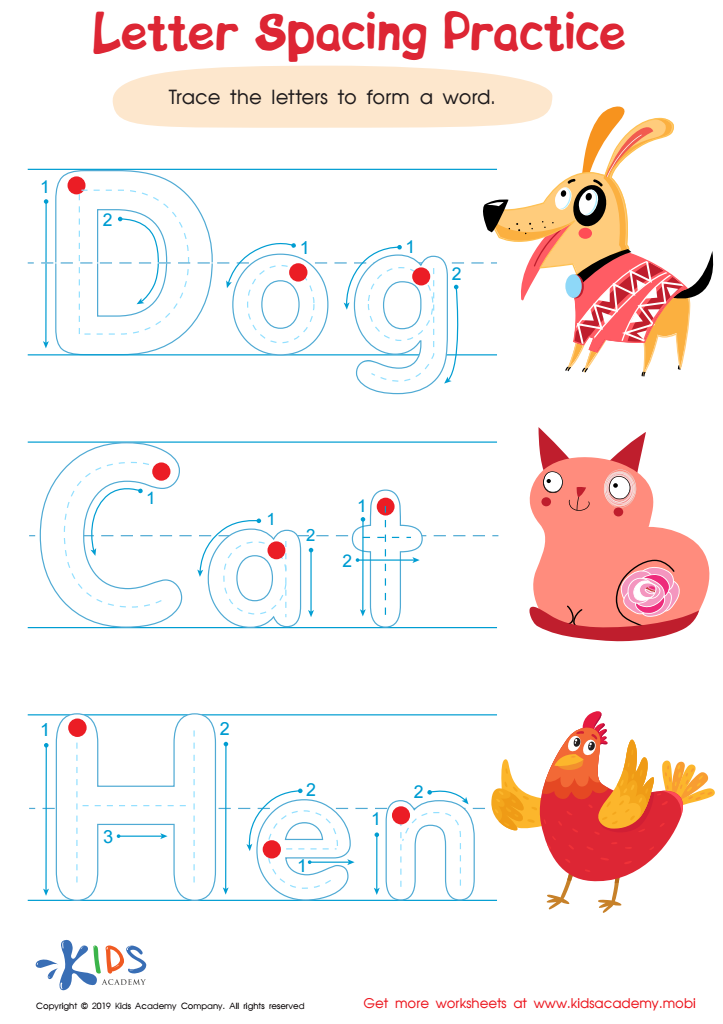
Letter Spacing Practice Worksheet
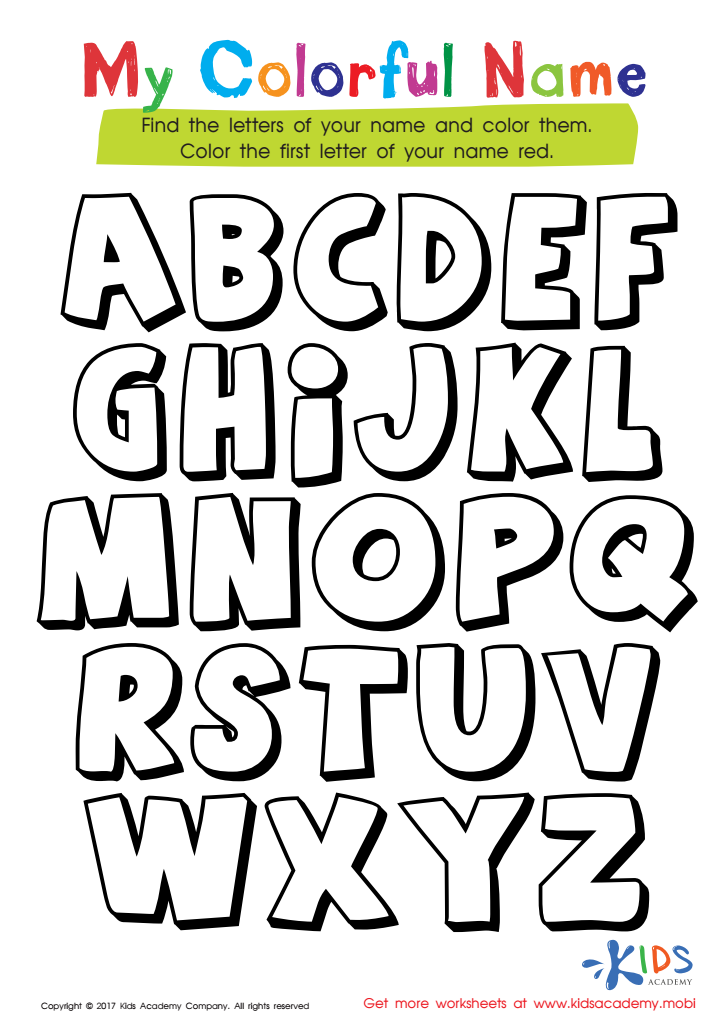
My Colorful Name Worksheet
 Assign to My Students
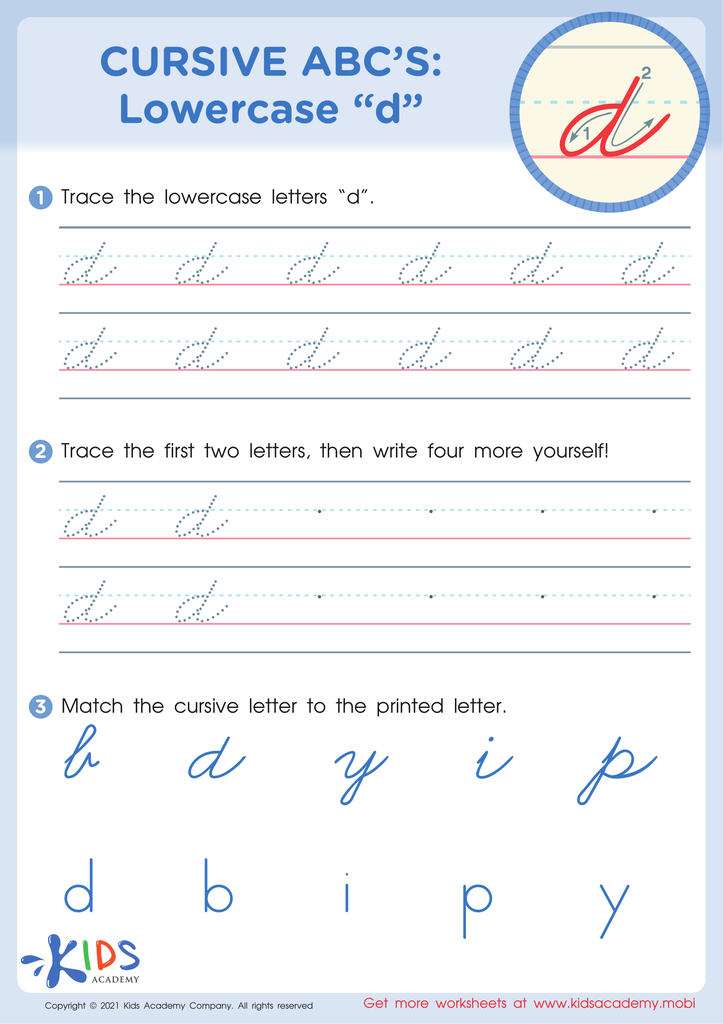
Cursive ABCs: Lowercase d
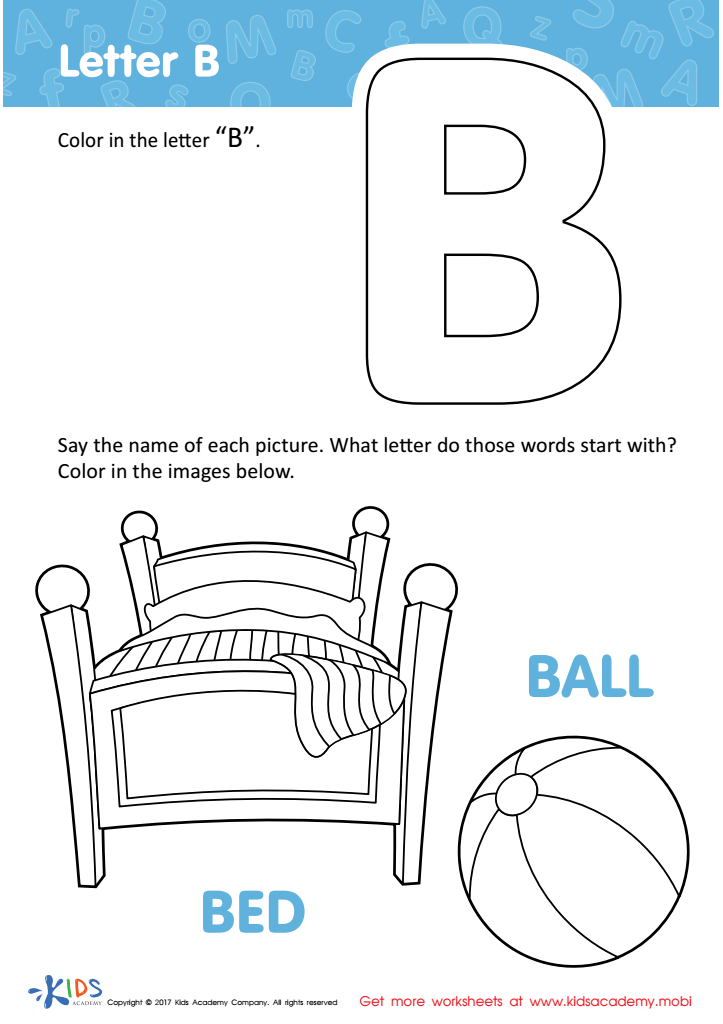
Letter B Coloring Sheet
Assign to My Students
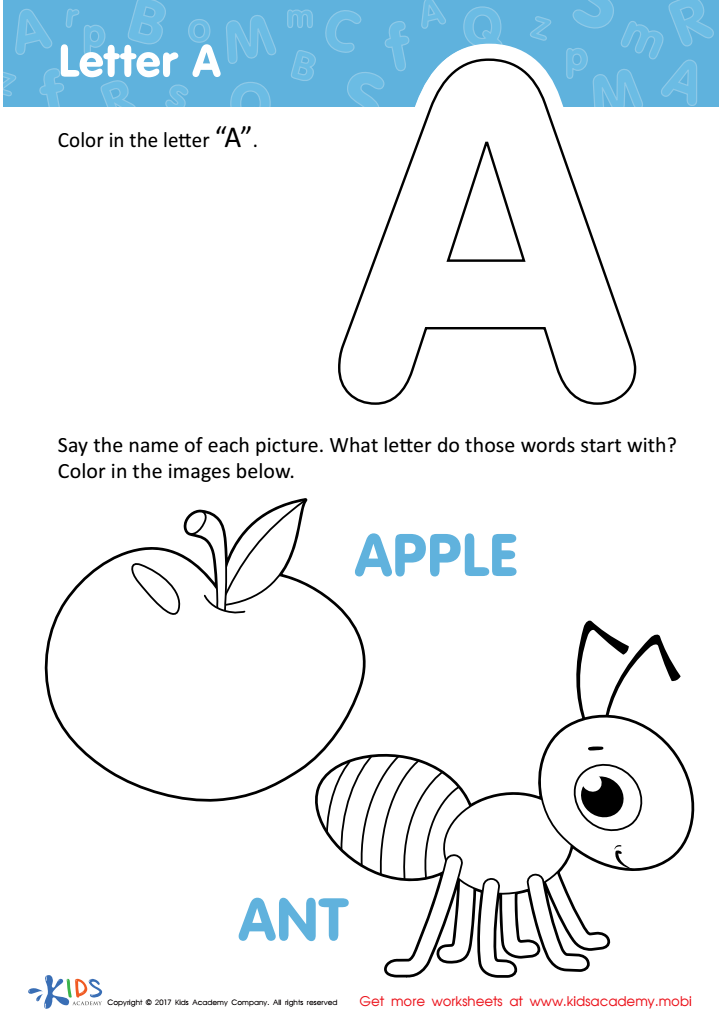
Letter A Coloring Sheet
Assign to My Students
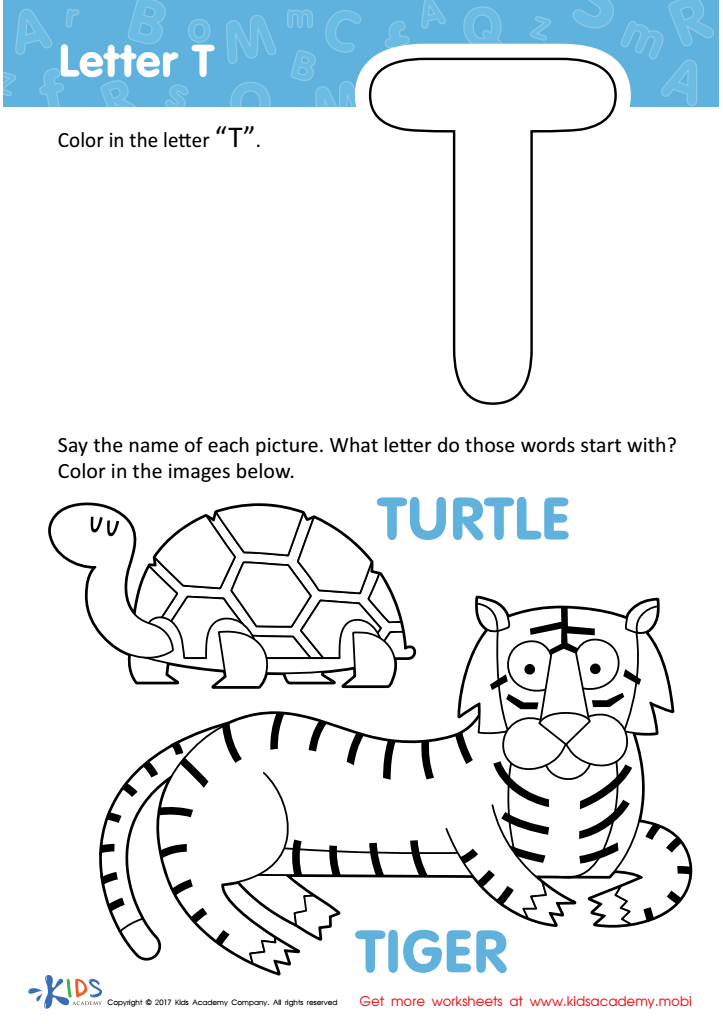
Letter T Coloring Sheet
Assign to My Students
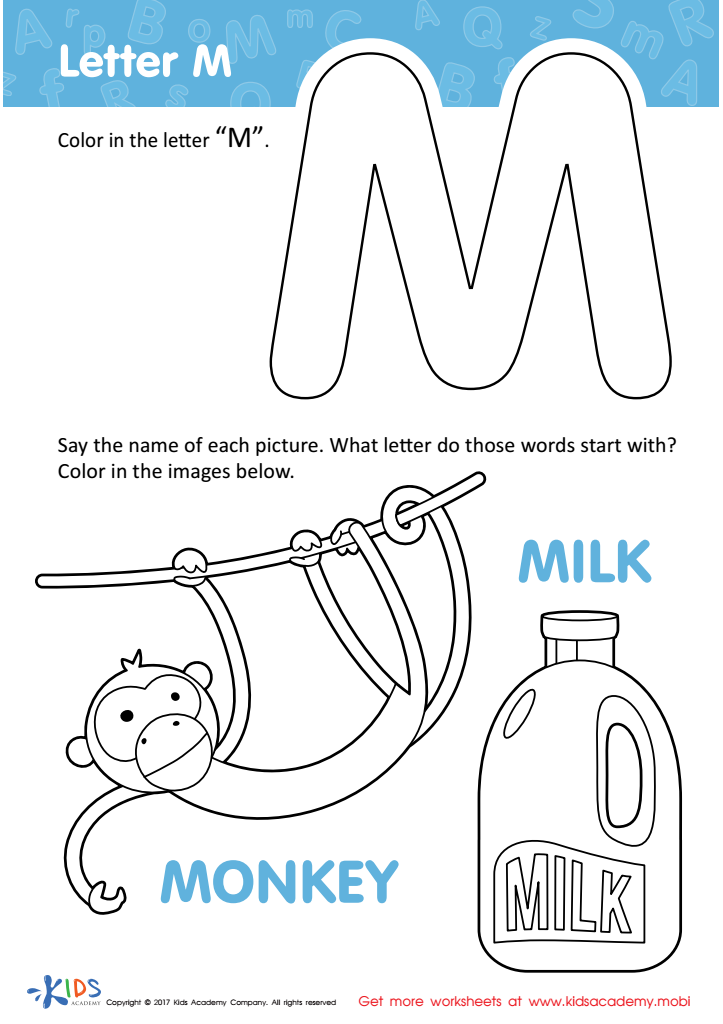
Letter M Coloring Sheet
Assign to My Students
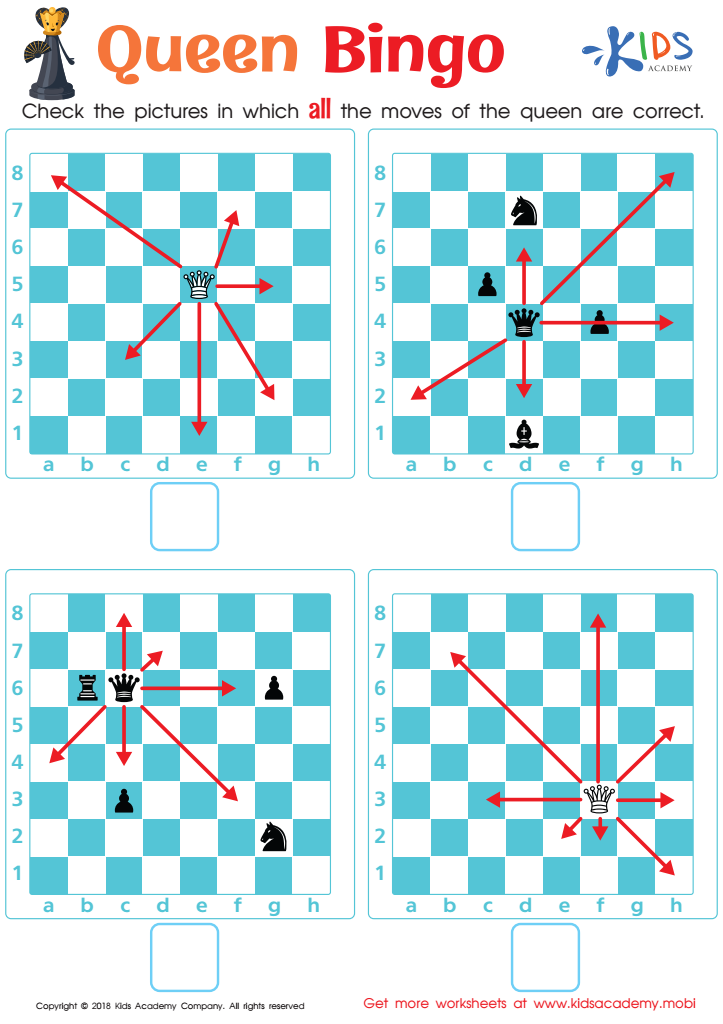
Queen Bingo Worksheet
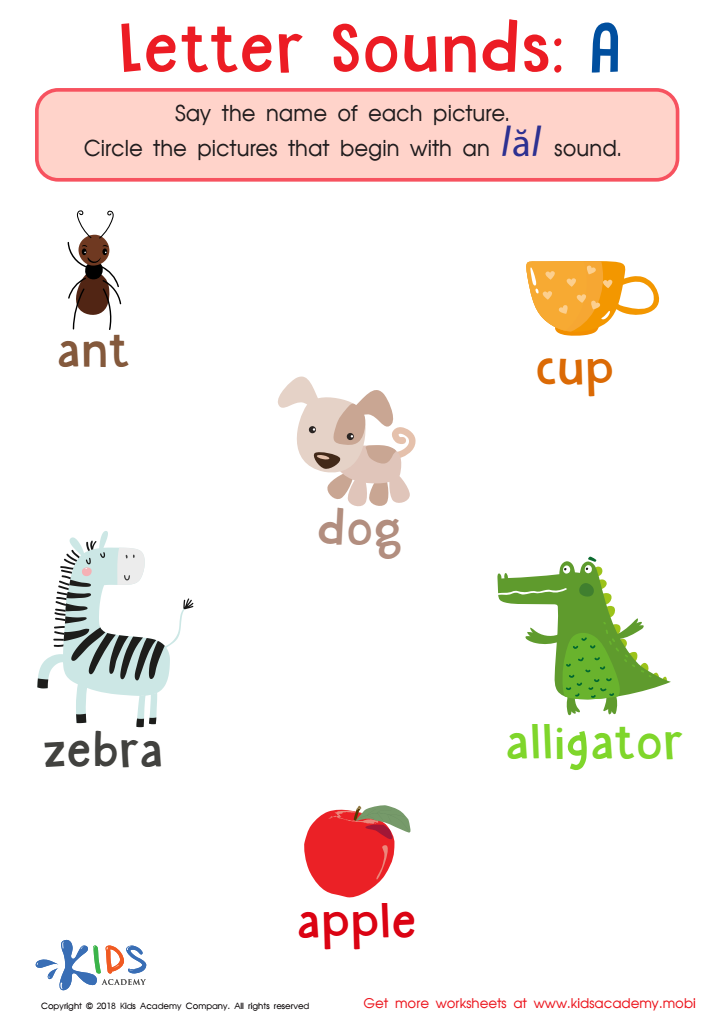
Letter A Sounds Worksheet
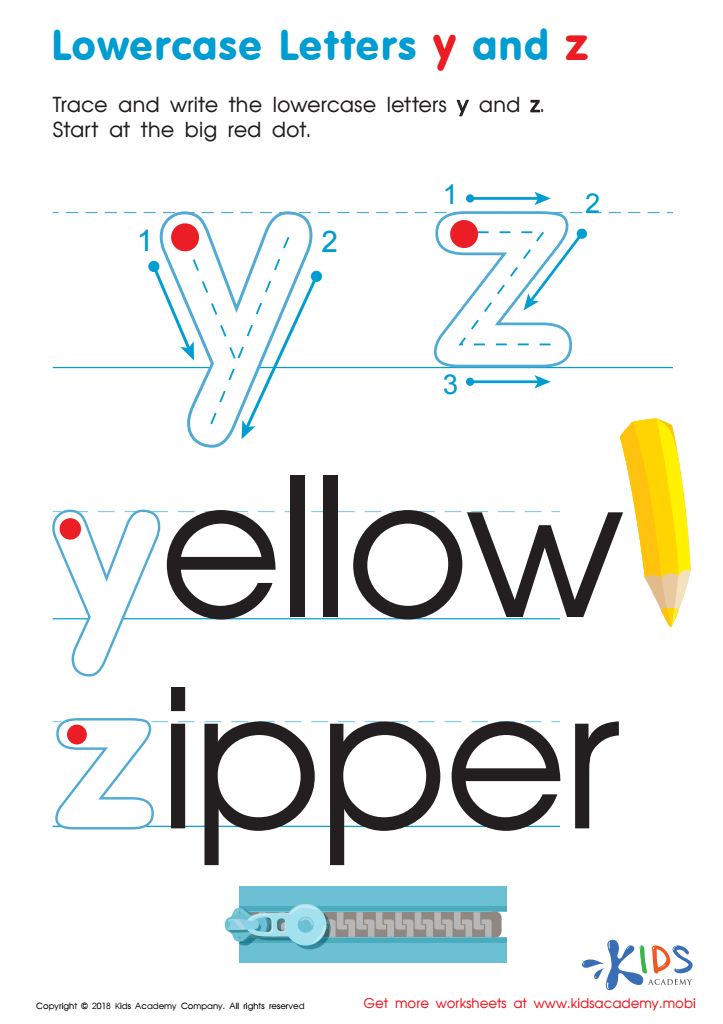
Lowercase Letters y z Worksheet
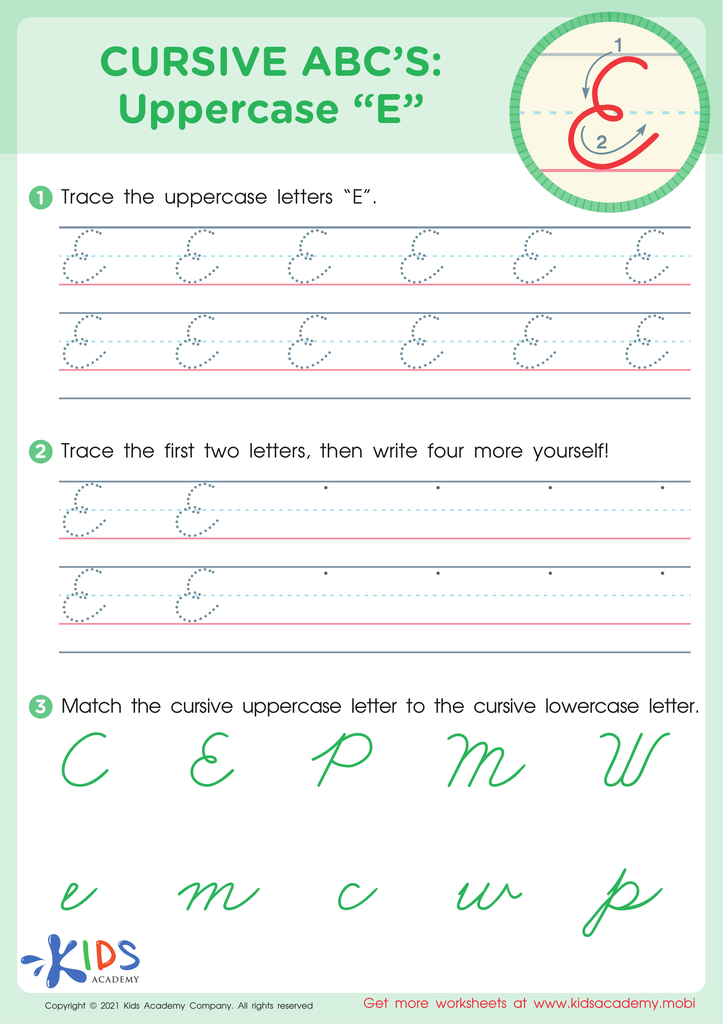
Cursive ABCs: Uppercase E






.jpg)
Alphabet recognition is a crucial milestone in early childhood education, as it forms the foundation for literacy and overall language development in children aged 3-9. Understanding the alphabet is the first step in learning to read and write, two essential skills required for lifelong learning. When children can recognize letters and associate them with sounds, they become more equipped to decode words, a necessary ability for developing reading fluency.
Moreover, alphabet recognition also boosts cognitive skills such as memory, attention, and categorization. As children identify and recall letters, they enhance their ability to process information, which is essential across various subjects, not just language arts. This foundational skill also instills confidence, empowering children to participate more actively in discussions and classroom activities.
For parents and teachers, fostering alphabet recognition can significantly impact a child’s academic journey. Engaging kids in letter-related games, songs, and stories increases their enthusiasm for learning, making it a fun and enjoyable experience. By prioritizing alphabet recognition in early childhood education, adults support not only the immediate learning outcomes but also later academic success and a lifelong love of reading. This foundational skill is vital in developing proficient learners who are prepared for future educational challenges.








