Applying math skills Worksheets for Ages 3-9
3 filtered results
-
From - To
Explore our engaging "Applying Math Skills Worksheets" designed specifically for children ages 3-9. These interactive worksheets help young learners grasp essential math concepts through fun activities like counting, addition, subtraction, and pattern recognition. Each worksheet provides clear instructions and colorful visuals, making learning enjoyable and effective. Tailored to different age groups, they promote critical thinking and strengthen problem-solving skills. Whether at home or in the classroom, our resources facilitate hands-on learning that encourages a strong foundation in mathematics. Download and print worksheets to inspire a love for math and support your child’s educational journey today!
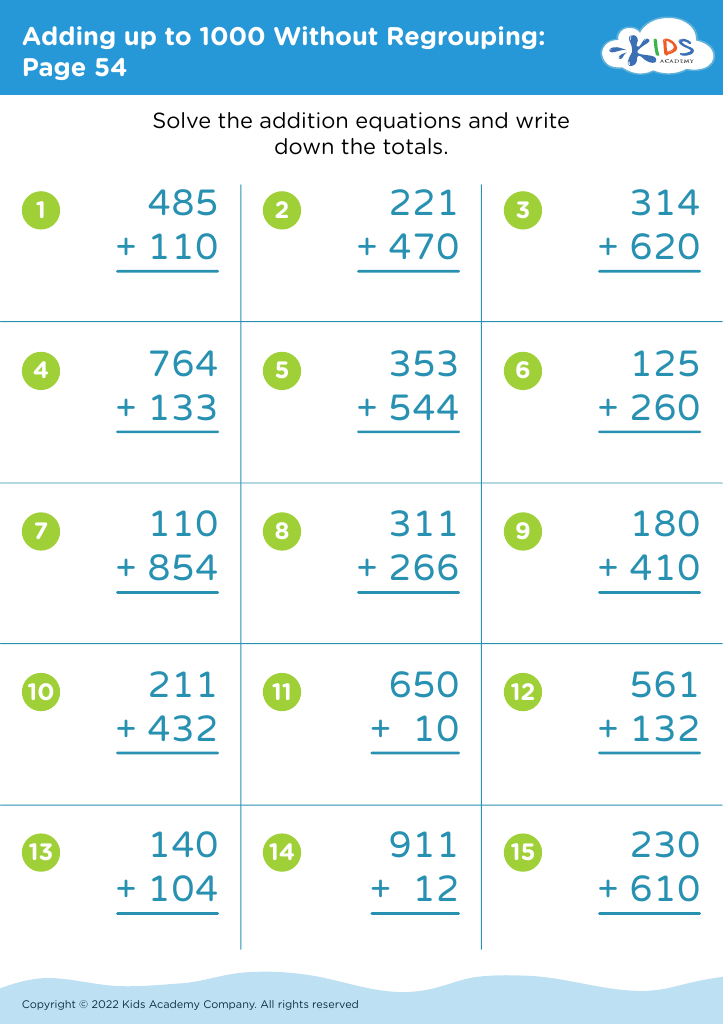
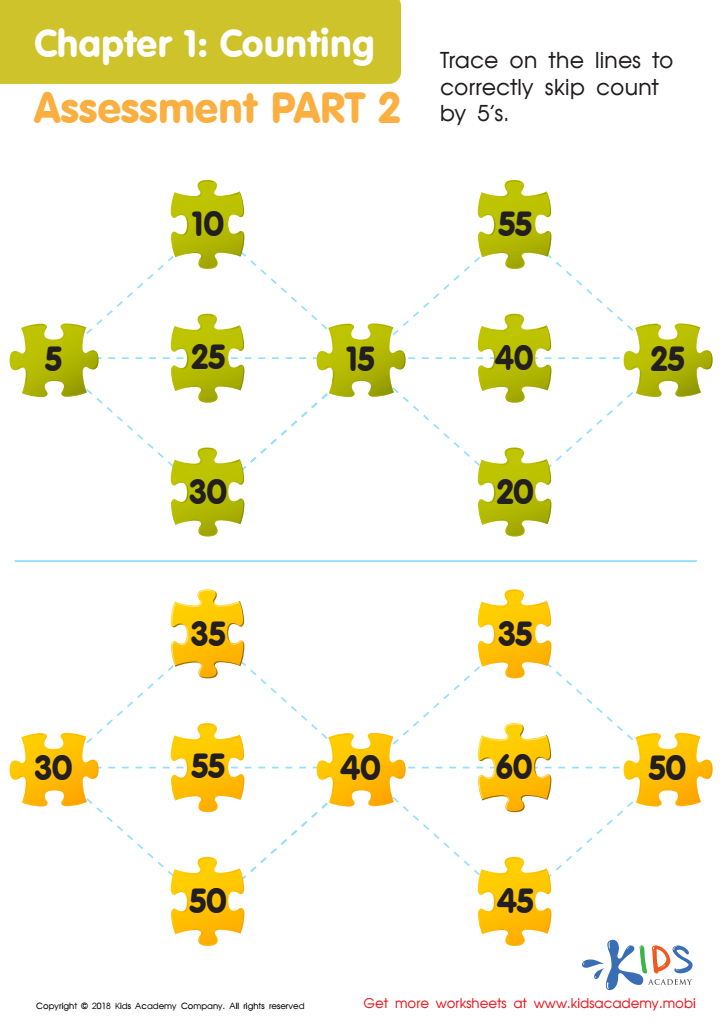
Counting: Assessment 2 Worksheet
 Assign to My Students
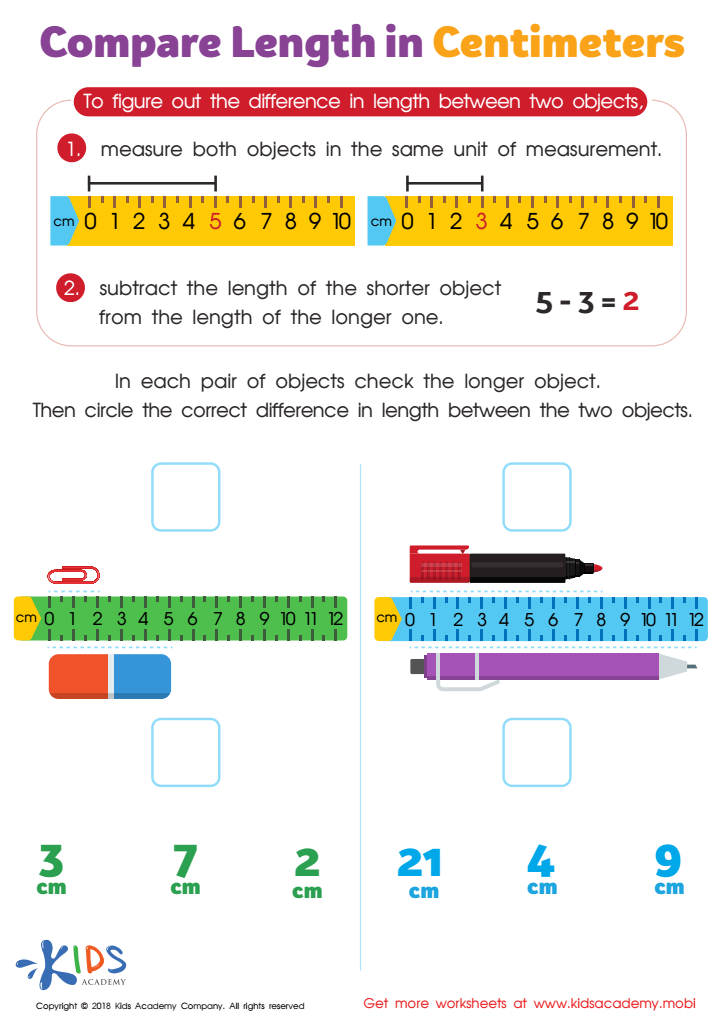
Compare Length in Centimeters Worksheet






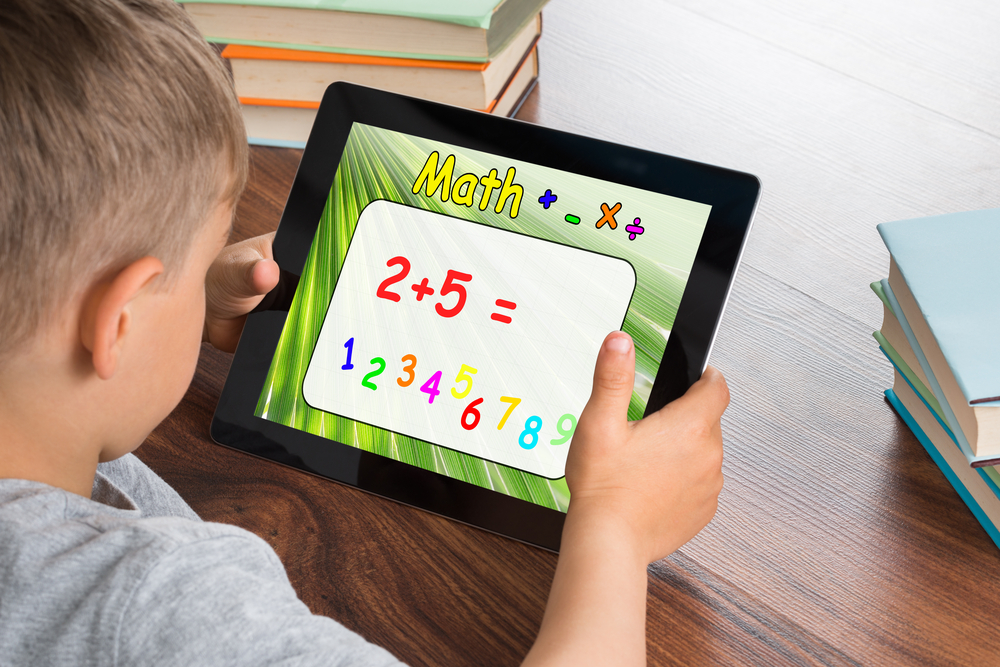
Parents and teachers should care about applying math skills for children ages 3-9 because early mathematics lays the foundation for future learning and problem-solving abilities. This developmental stage is crucial; children are naturally curious and eager to explore mathematical concepts through play and everyday activities. Engaging kids with math in fun, practical contexts helps them to recognize patterns, understand numbers, and develop critical thinking skills necessary for all areas of learning.
Moreover, incorporating math into daily routines, such as counting snacks or measuring ingredients while cooking, makes the learning experience more relatable and enjoyable. Research shows that children who develop strong math skills early on are more likely to excel academically in later grades. This early exposure also fosters a positive attitude towards math, mitigating anxiety about the subject in the future.
Finally, the skills acquired during this period—such as spatial awareness, comparison, and basic arithmetic—are not just academic; they are essential for nurturing life skills like budgeting, problem-solving, and logical reasoning. Therefore, by prioritizing math skills, parents and teachers invest in children's lifelong learning and success, equipping them with tools to navigate a mathematically-oriented world confidently.








