Associative learning Worksheets for Ages 3-9
7 filtered results
-
From - To
Discover our tailored Associative Learning Worksheets designed for children ages 3-9! These engaging, interactive resources help young learners connect ideas and concepts, enhancing their cognitive development and critical thinking skills. Through playful activities, children will explore patterns, categorize objects, and make meaningful connections, laying the foundation for more complex learning. Suitable for home or classroom use, our worksheets foster creativity and curiosity while encouraging independent thinking. Perfect for educators and parents, our extensive collection promises hours of learning fun! Dive into the world of associative learning and watch your child thrive as they recognize relationships and enrich their understanding of the world around them.
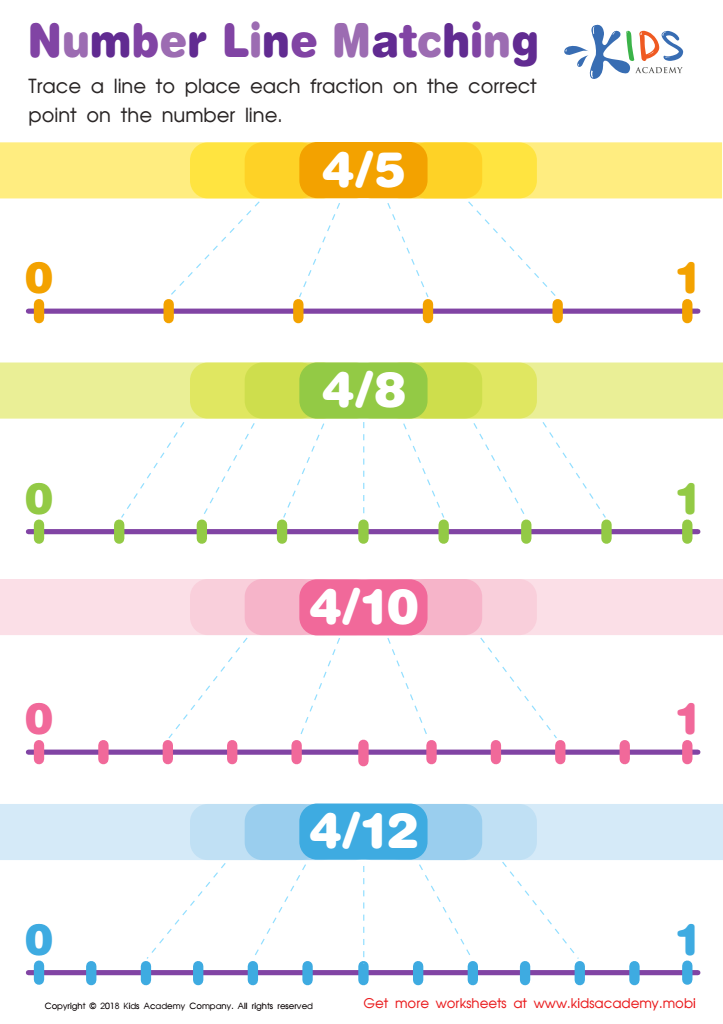
Number Line Matching Worksheet
 Assign to My Students
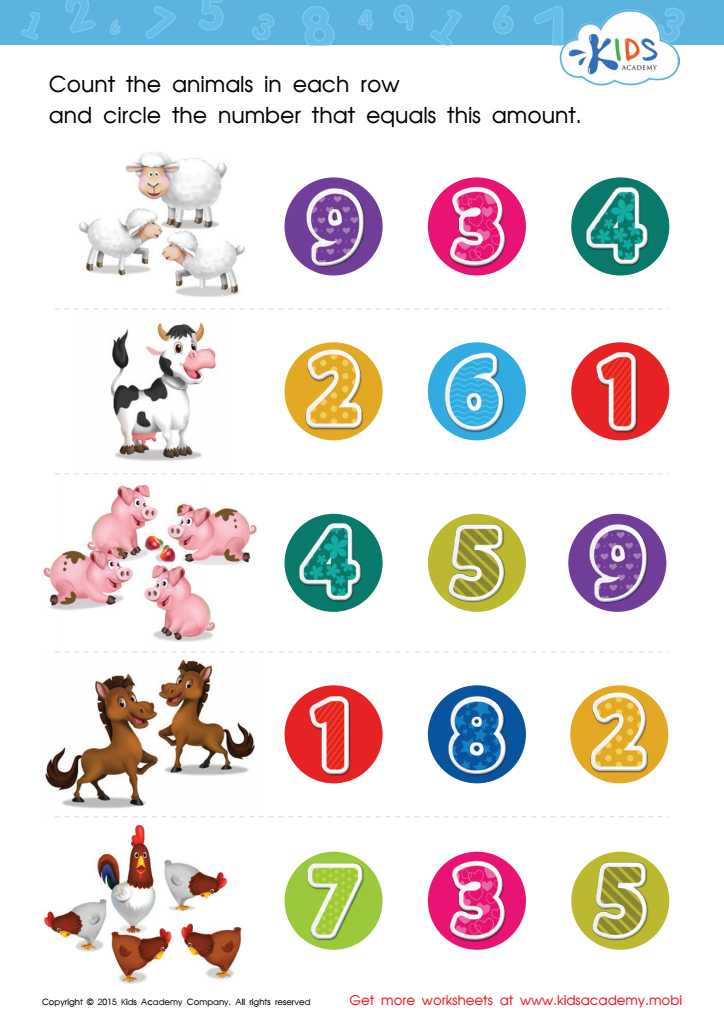
Count and Match 1 – 5 Math Worksheet
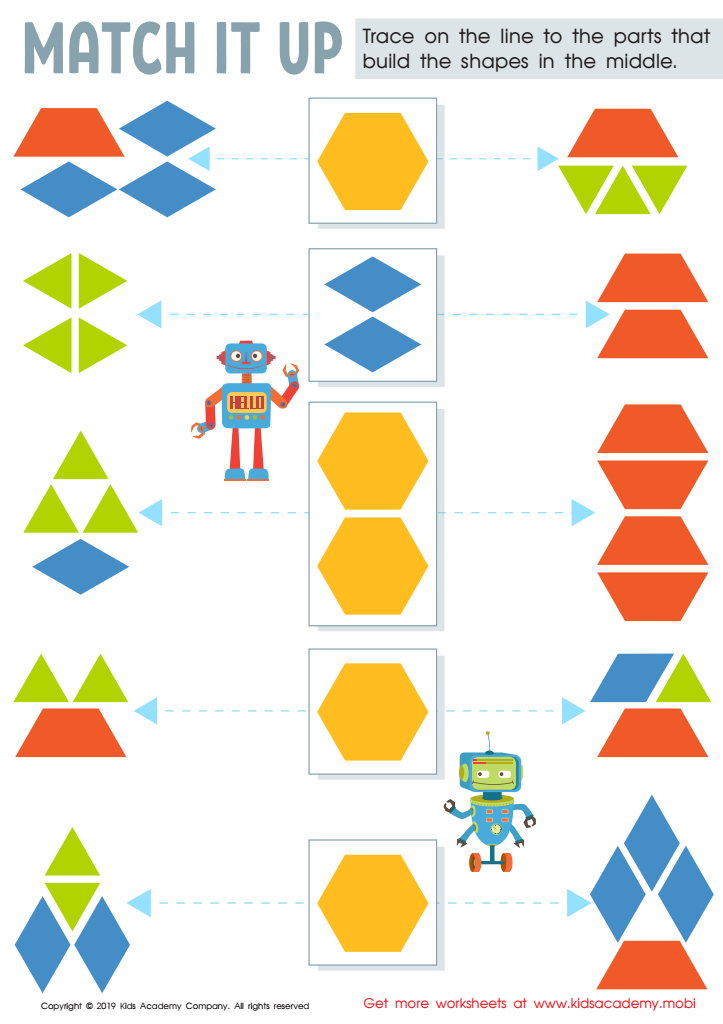
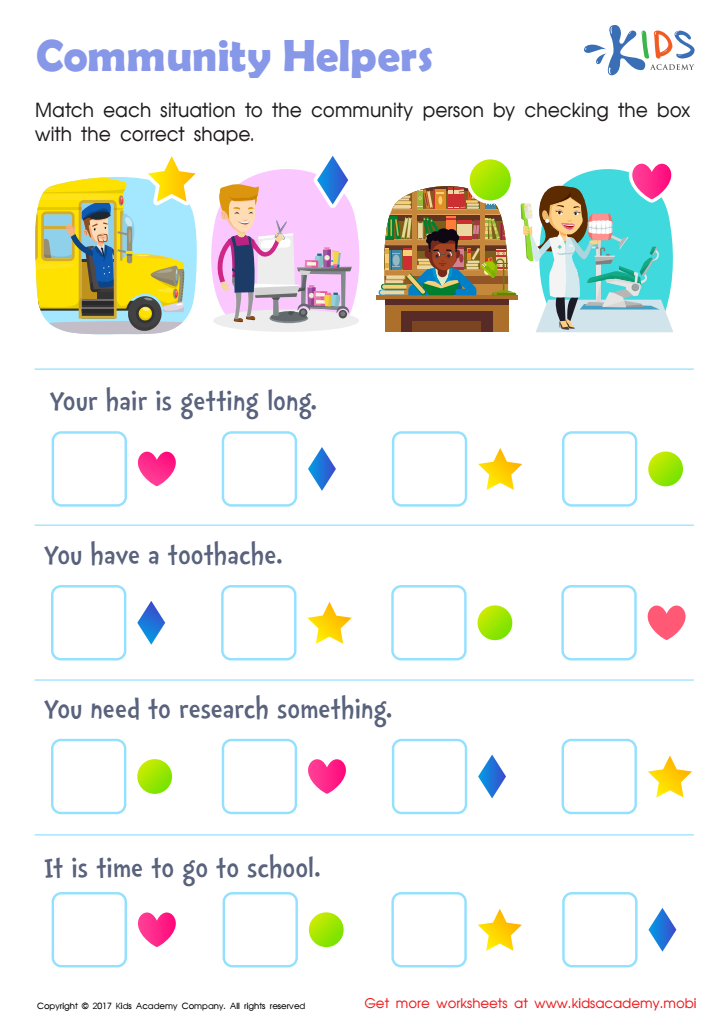
Match It up Worksheet
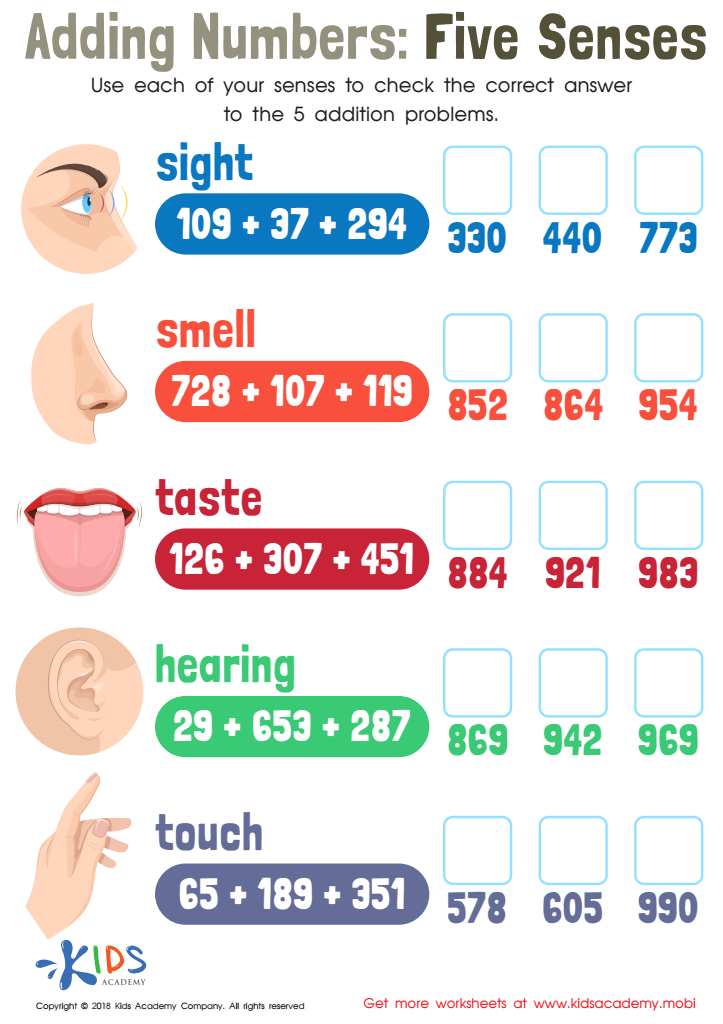
Adding Numbers: Five Senses Worksheet
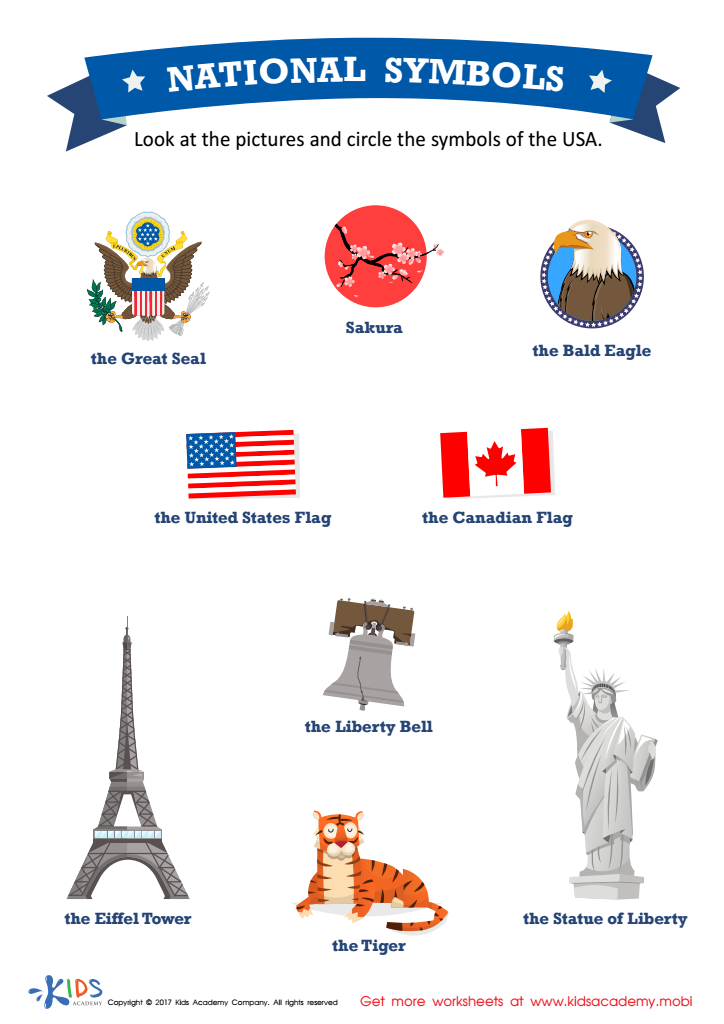
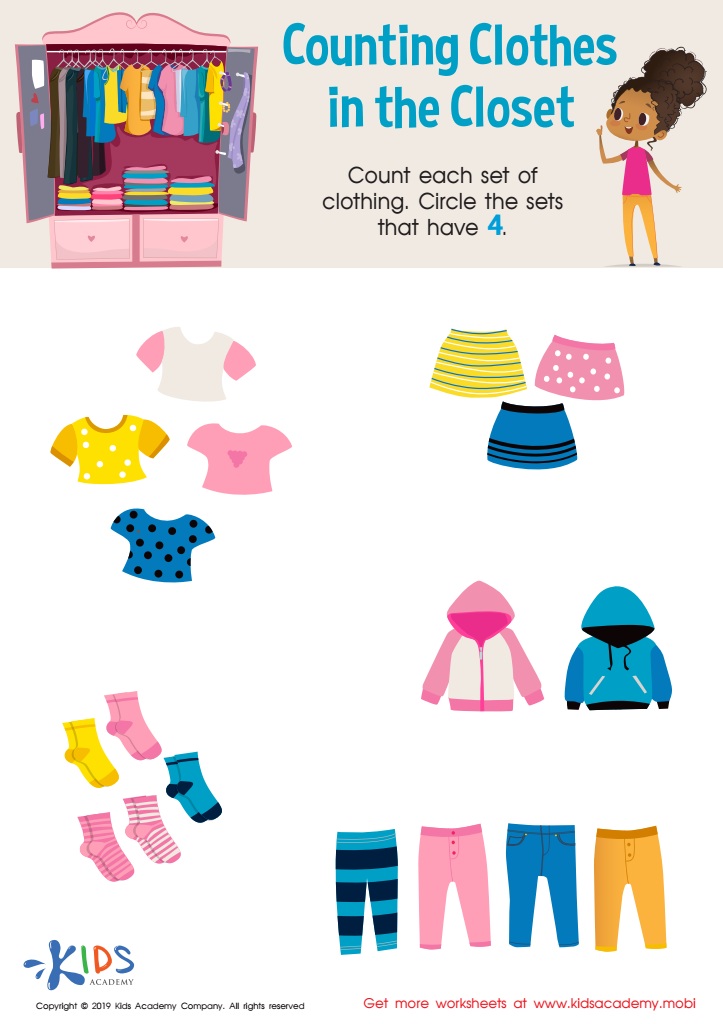
Counting Clothes Worksheet







Associative learning is a foundational concept in early childhood education, as it significantly influences a child's cognitive and emotional development from ages 3-9. This type of learning occurs when children connect new information or experiences with existing knowledge, helping them to make sense of the world around them.
For parents and teachers, fostering associative learning in young children is crucial for several reasons. First, it supports language development; as children link words to their meanings through repetition and context, they become more proficient in communication. Second, it enhances problem-solving skills since children learn to connect causes and effects, allowing them to navigate challenges more effectively.
Moreover, associative learning plays a significant role in emotional intelligence. Children learn to associate actions with feelings, helping them understand social cues and build empathy. This lays the groundwork for positive relationships with peers and adults.
Furthermore, incorporating play-based activities and hands-on experiences promotes associative learning, keeping children engaged and motivated. This approach also helps educators and parents tailor their teaching strategies to individual learning styles, ensuring that children receive personalized support as they grow.
In sum, prioritizing associative learning is key to nurturing well-rounded, confident, and capable learners ready to tackle future challenges.








