Color differentiation Worksheets for Ages 3-9
7 filtered results
-
From - To
Discover our engaging Color Differentiation Worksheets designed for children aged 3 to 9. These fun and interactive resources help young learners identify and differentiate colors through a variety of activities, including coloring, matching, and sorting. By integrating play with education, our worksheets enhance visual recognition skills while fostering creativity. Perfect for preschool and early elementary settings, these printable exercises are crafted to support teachers and parents in creating a vibrant and playful learning environment. Encourage your child’s artistic flair and cognitive development with our colorful worksheets today—because learning colors should be as enjoyable as it is educational!
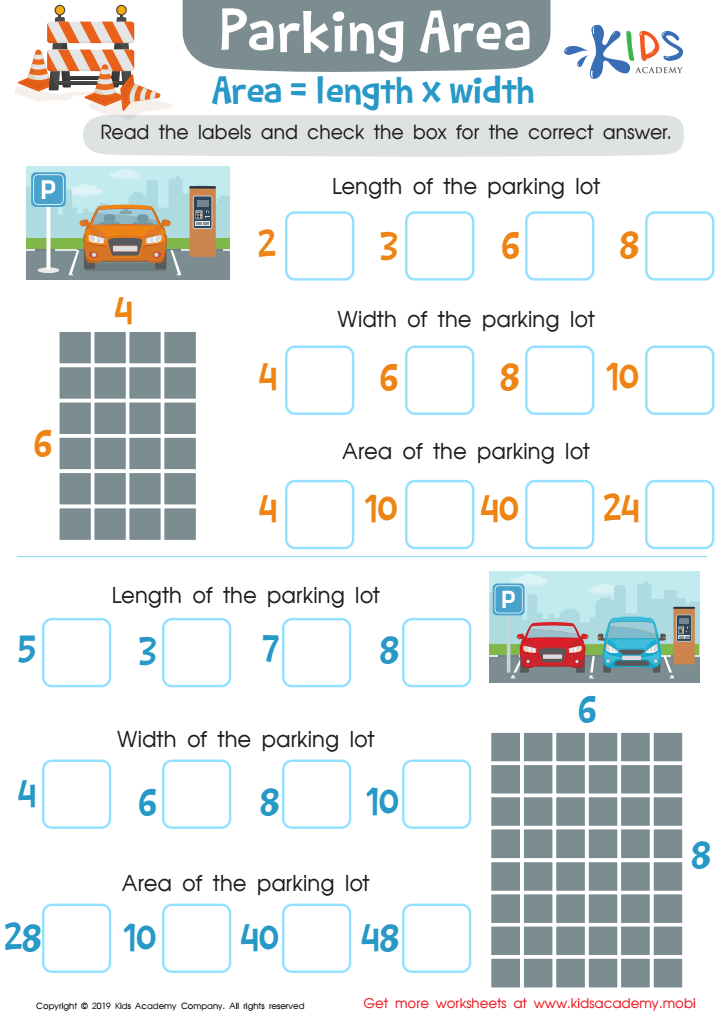
Parking Area Worksheet
 Assign to My Students
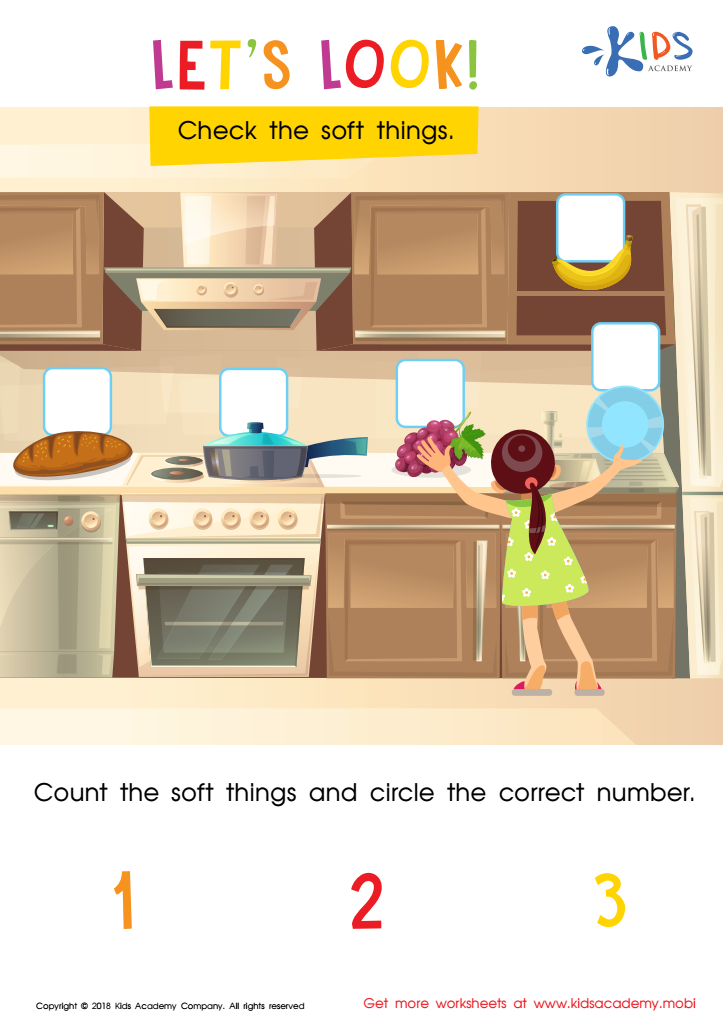
Let's Look! Assessment Worksheet
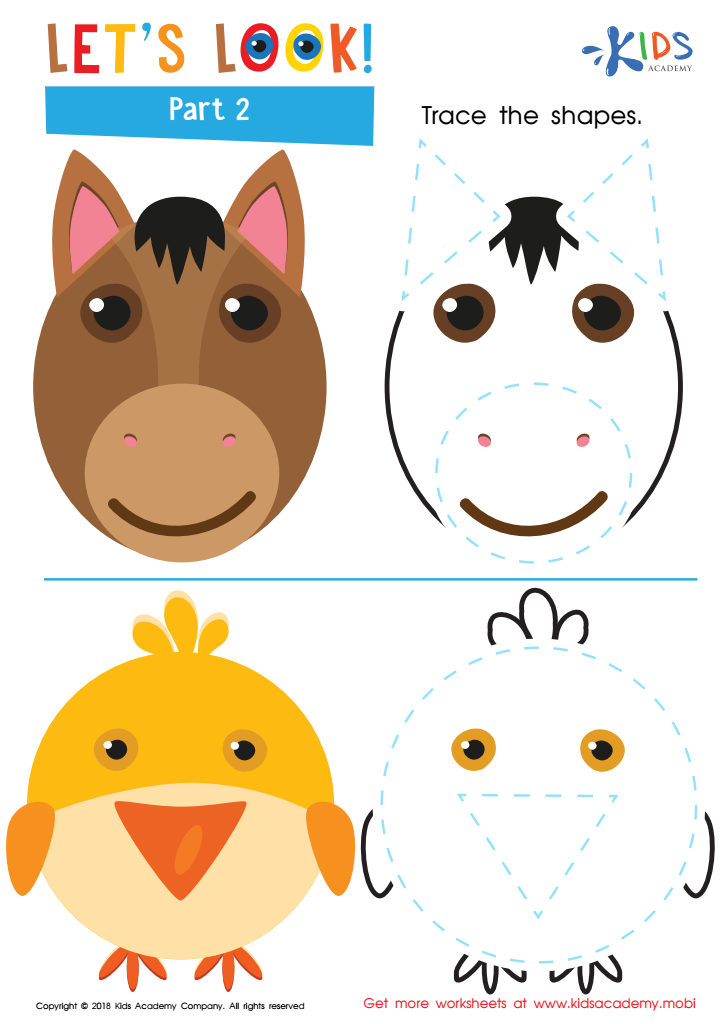
Let's Look! Part 2 Worksheet
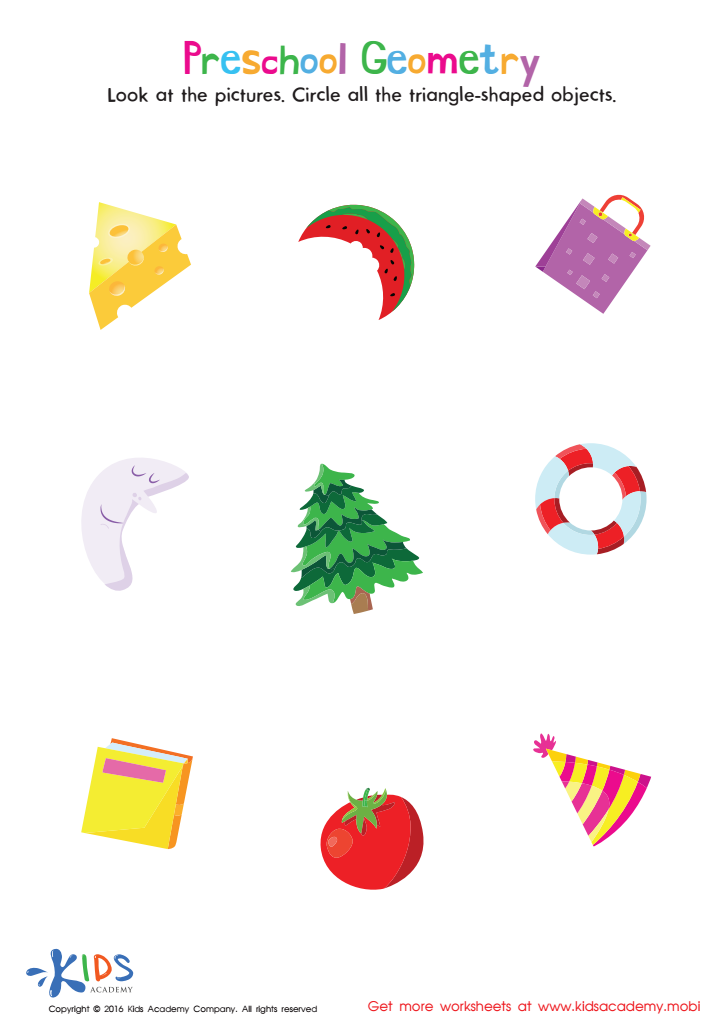
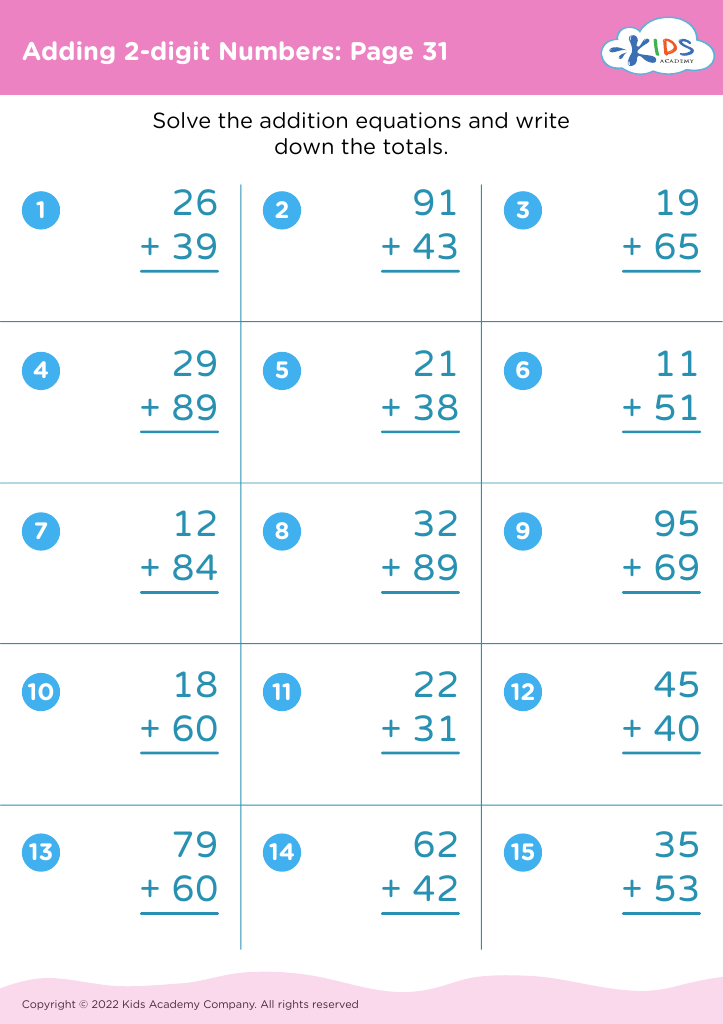
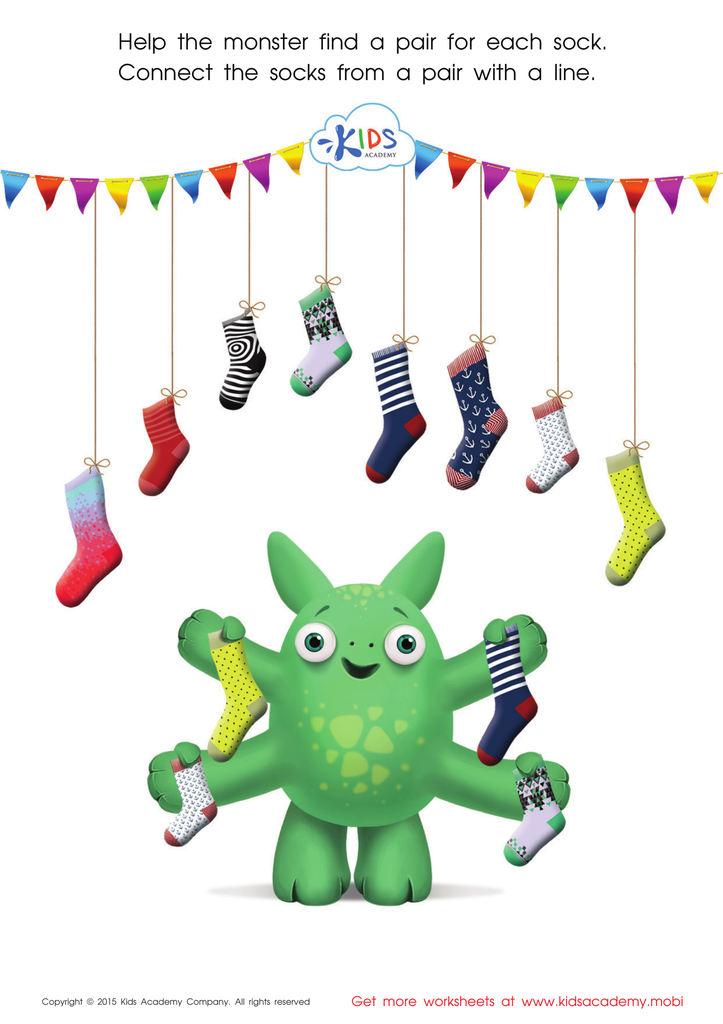
Math Matching Pairs Game: Monsterв's Socks Worksheet







Color differentiation is a crucial aspect of early childhood education for children aged 3 to 9. Understanding colors can significantly enhance a child's cognitive, social, and emotional development. First, color recognition promotes cognitive skills by encouraging children to categorize, compare, and creatively express themselves. This foundational knowledge paves the way for more complex learning, such as math and science concepts.
Additionally, learning about colors supports language development as children describe, identify, and communicate about their experiences. It introduces new vocabulary and promotes conversations, fostering social skills.
Emotionally, colors play a role in mood and expression. Children learn to associate colors with feelings – for instance, warm colors might evoke happiness, while cool colors can be calming. Recognizing these associations helps them articulate feelings and navigate social situations, promoting emotional intelligence.
Moreover, engaging with colors often involves hands-on activities, arts, and crafts, which nurture creativity and fine motor skills. For parents and teachers, prioritizing color differentiation in early learning can lay a strong foundation for well-rounded development. It enriches children’s educational experiences, making learning fun and interactive, setting them up for future success in a vibrant, visually complex world.








