Color recognition Worksheets for Ages 3-9 - Page 5
124 filtered results
-
From - To
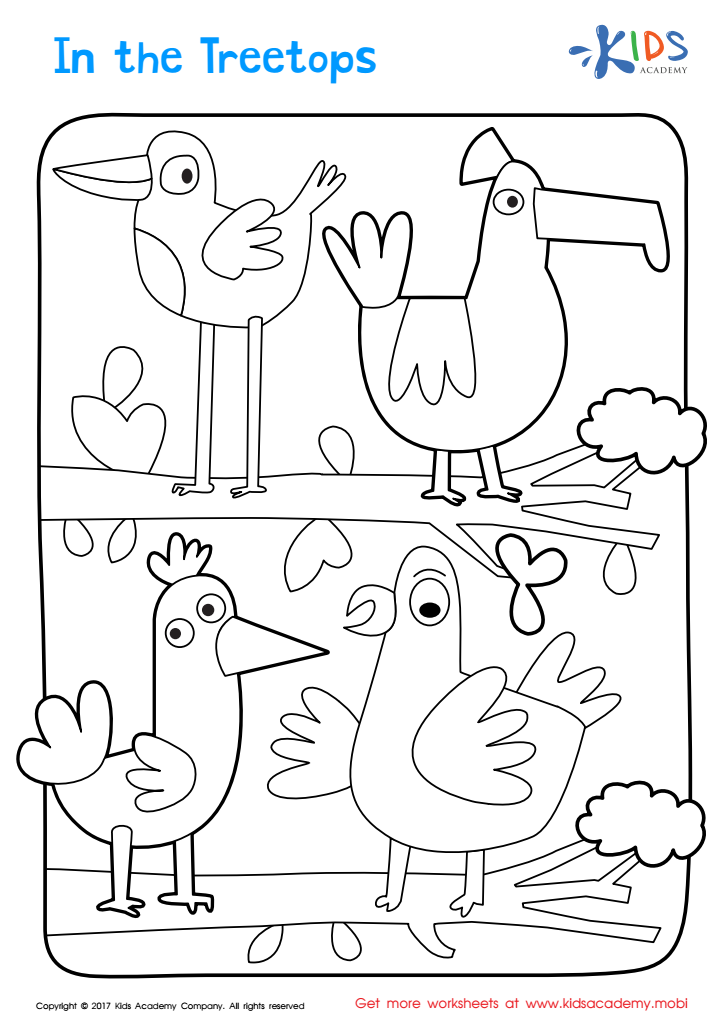
In the Treetops Coloring Page
 Assign to My Students
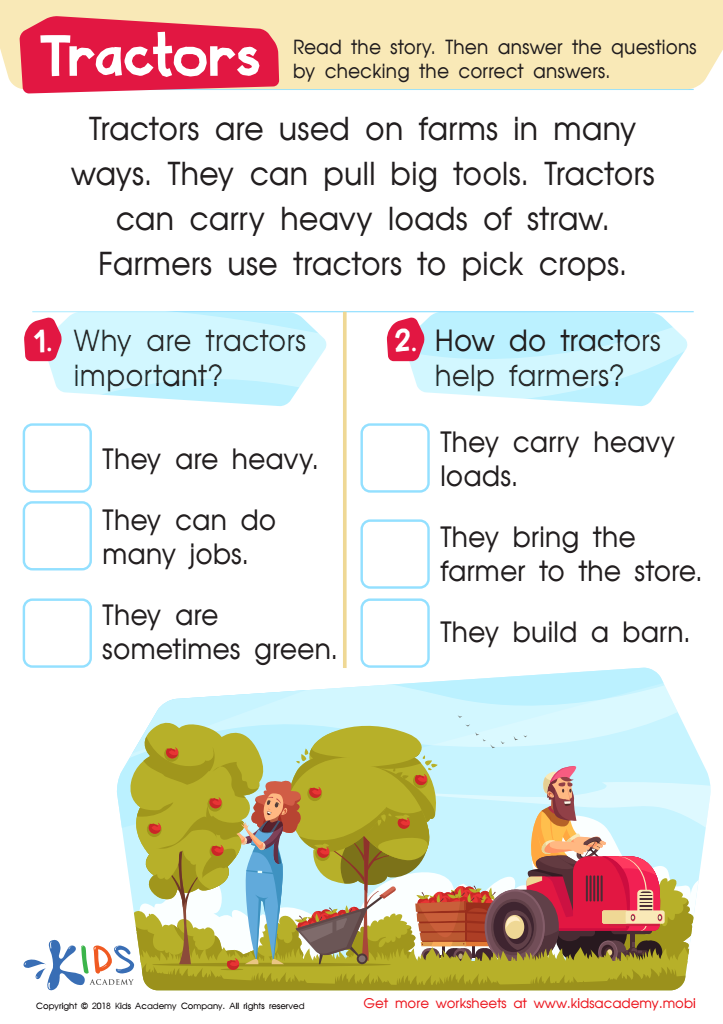
Tractors Worksheet
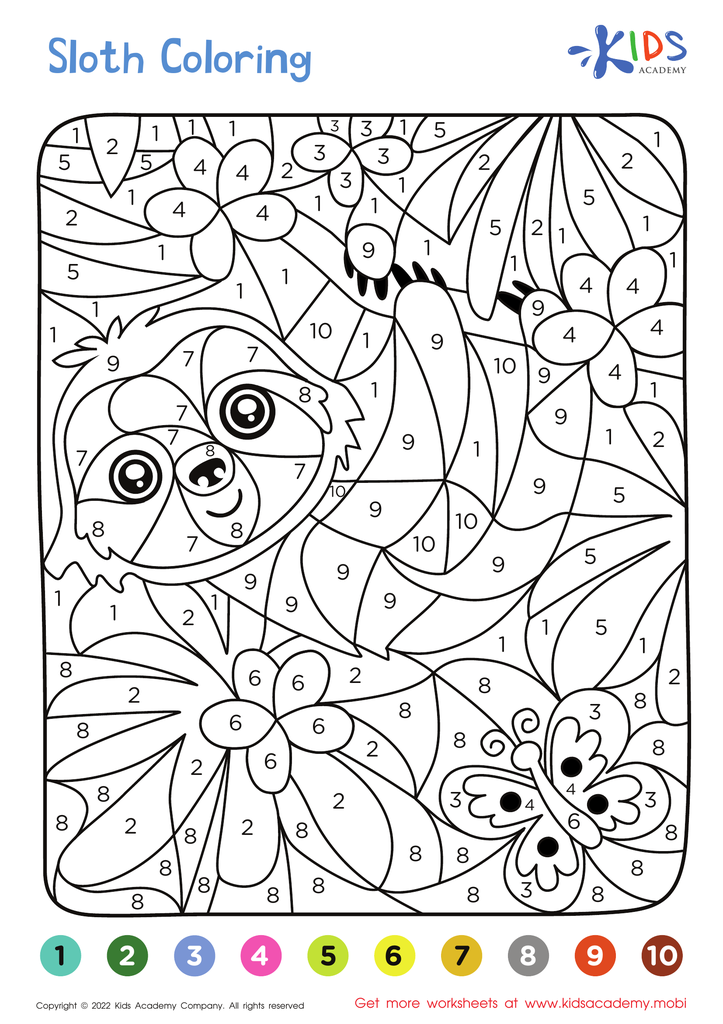
Sloth – Coloring by Numbers
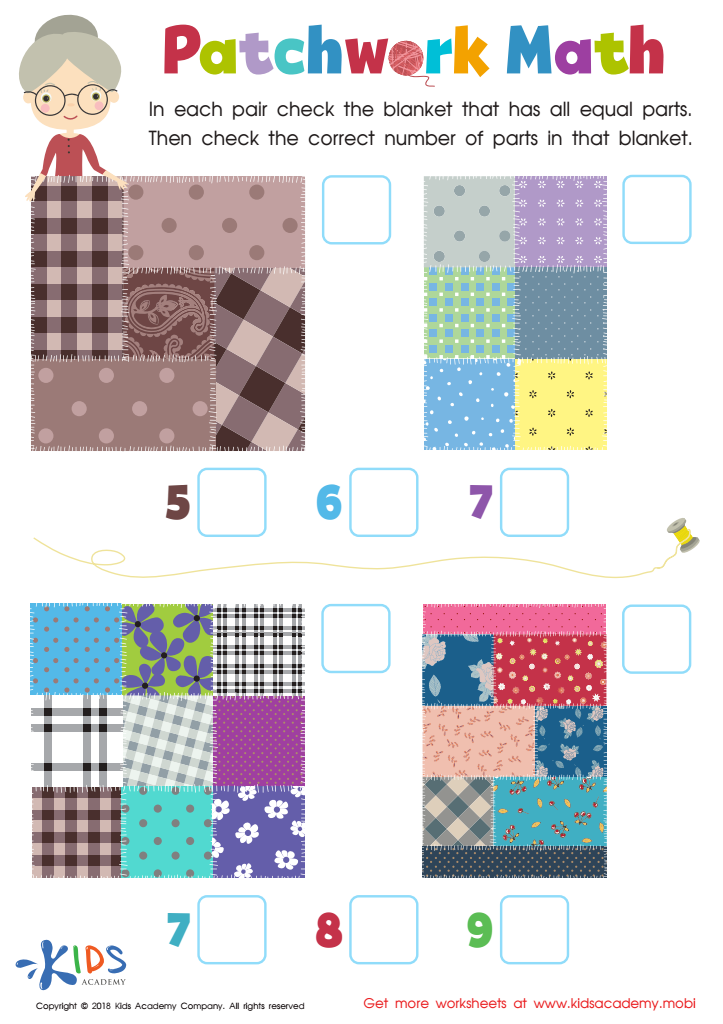
Patchwork Math Worksheet
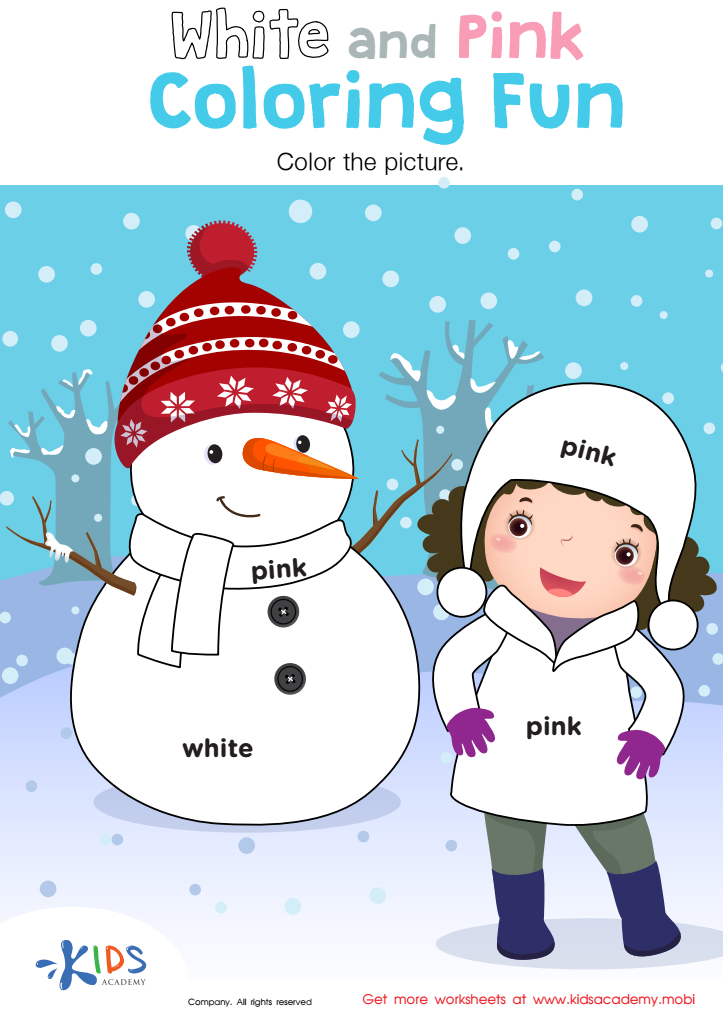
White and Pink Coloring Fun Worksheet
Assign to My Students
Tower Coloring Page
Assign to My Students
Straw House Printable Coloring Page
Assign to My Students
Great Hornbill Worksheet
Assign to My Students
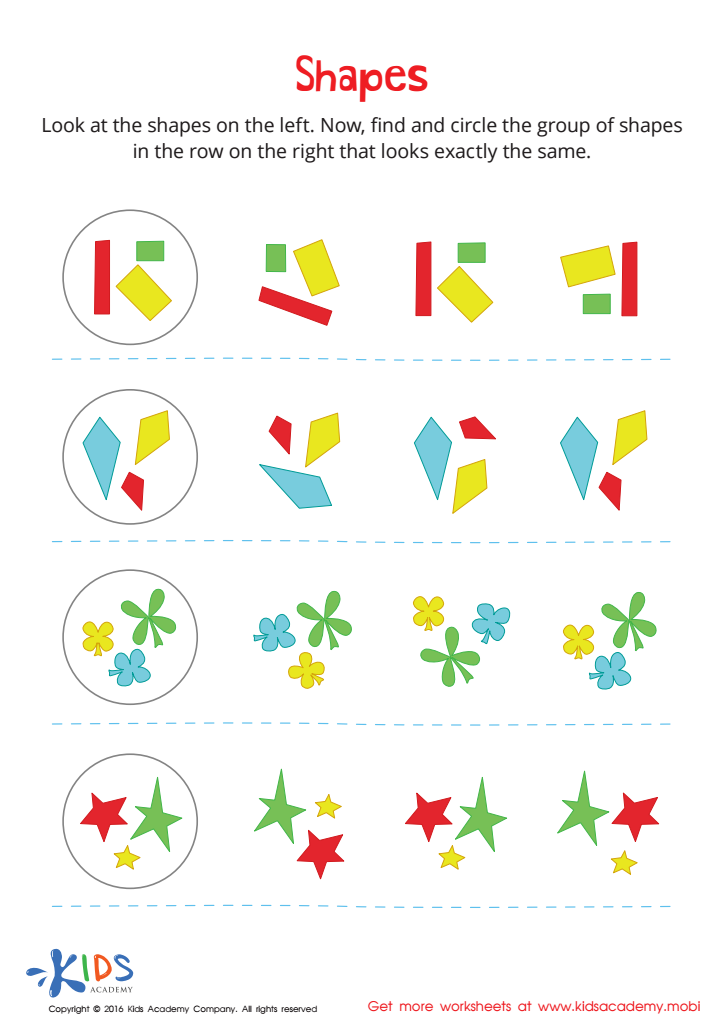
Shapes Worksheet
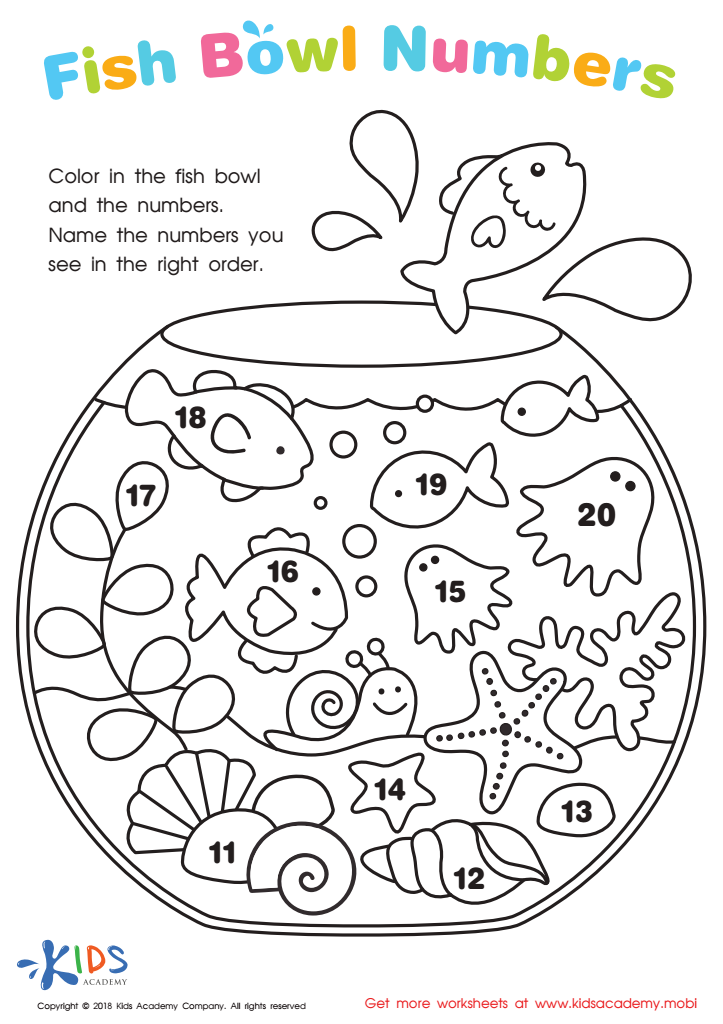
Fish Bowl Numbers Worksheet
Assign to My Students
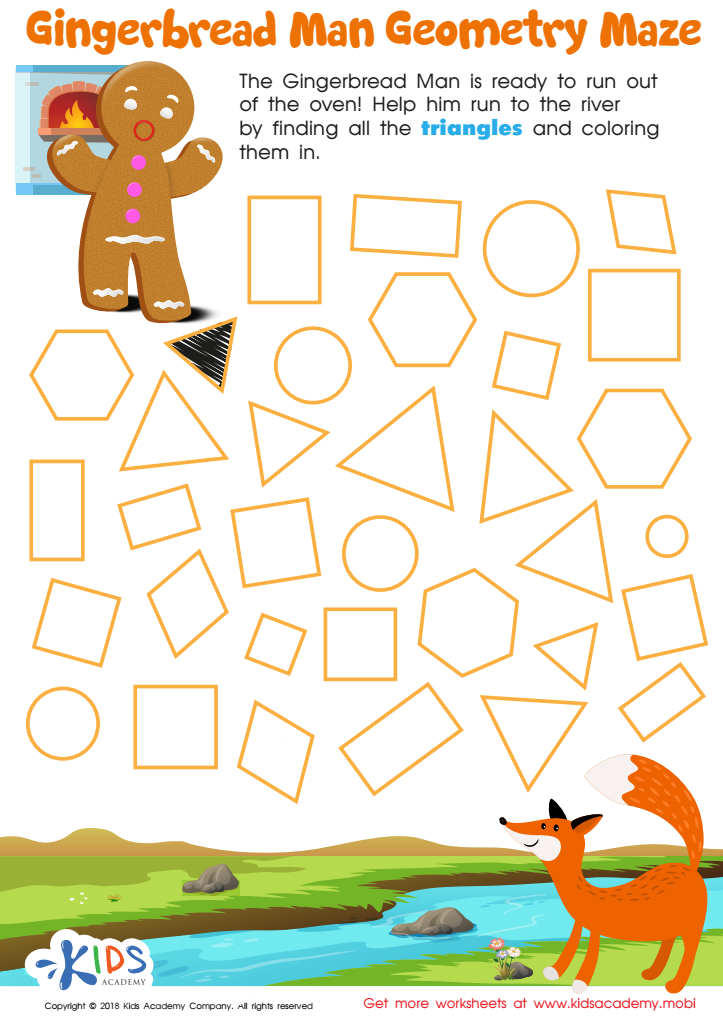
Gingerbread Man Geometry Maze Worksheet
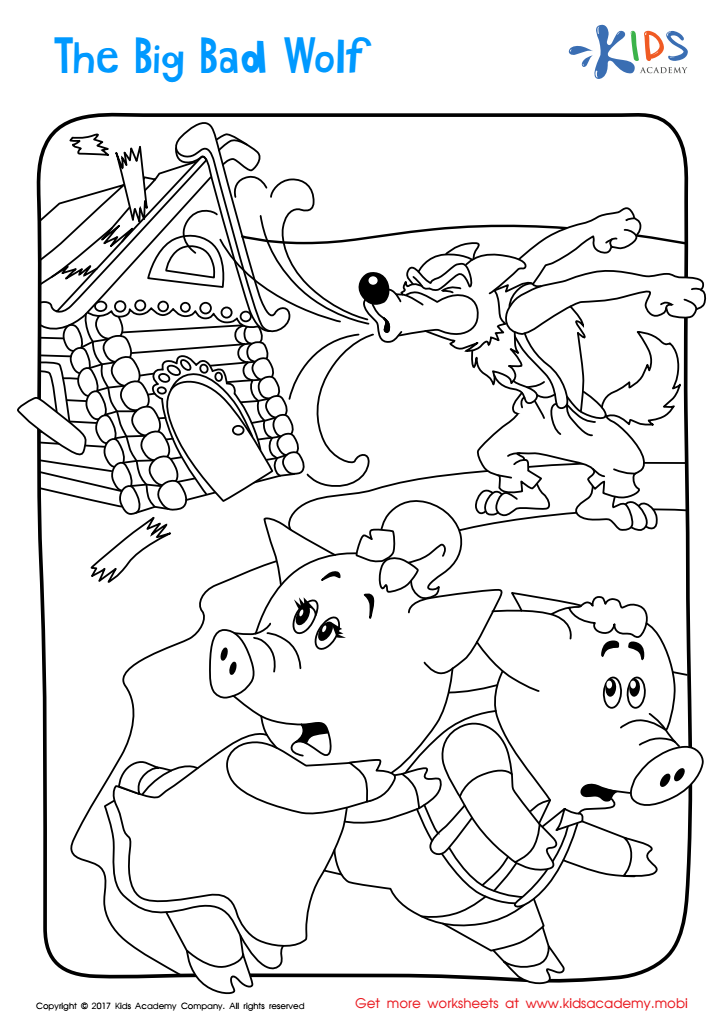
Big Bad Wolf Printable Coloring Page
Assign to My Students
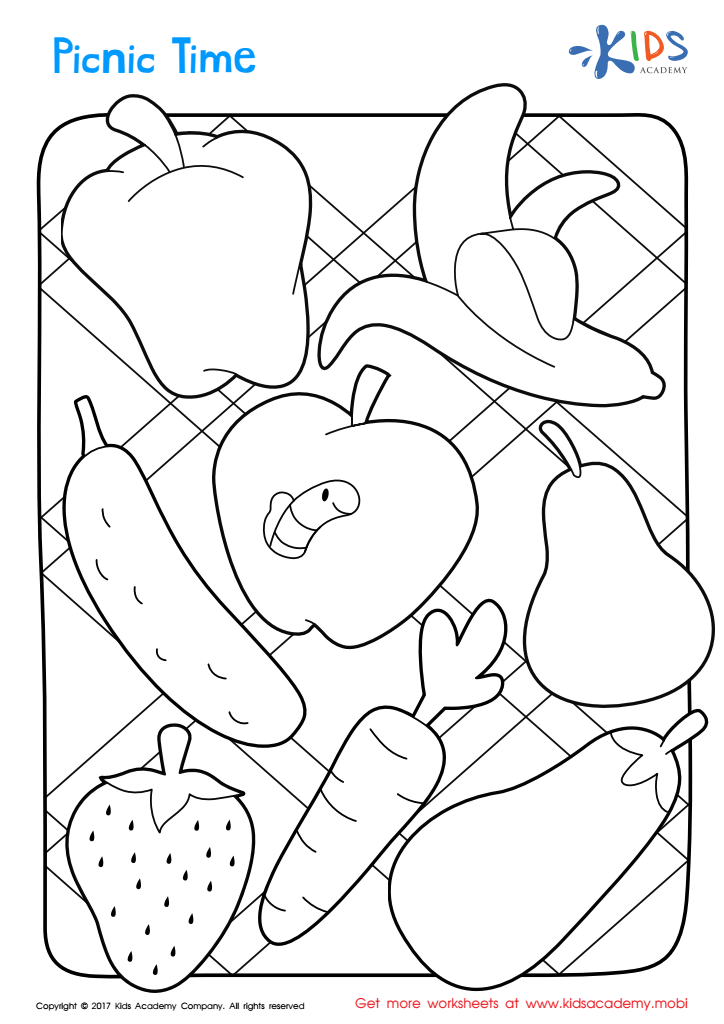
Picnic Time Coloring Page
Assign to My Students

Astronaut Coloring Page
Assign to My Students
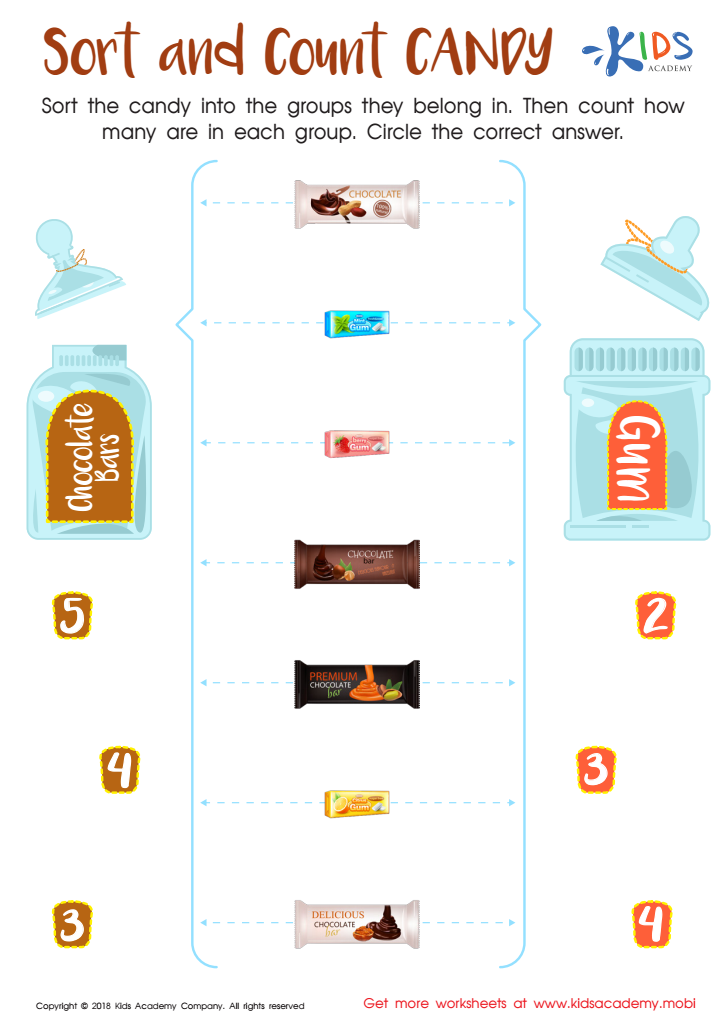
Sort and Count Candy Worksheet
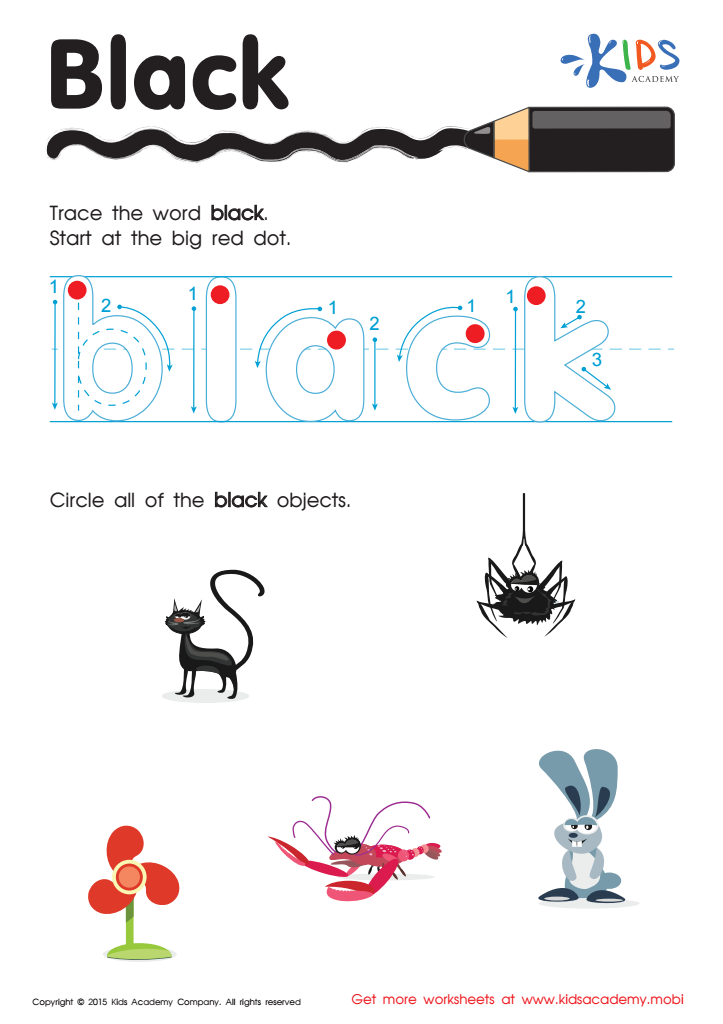
Black Tracing Color Words Printable
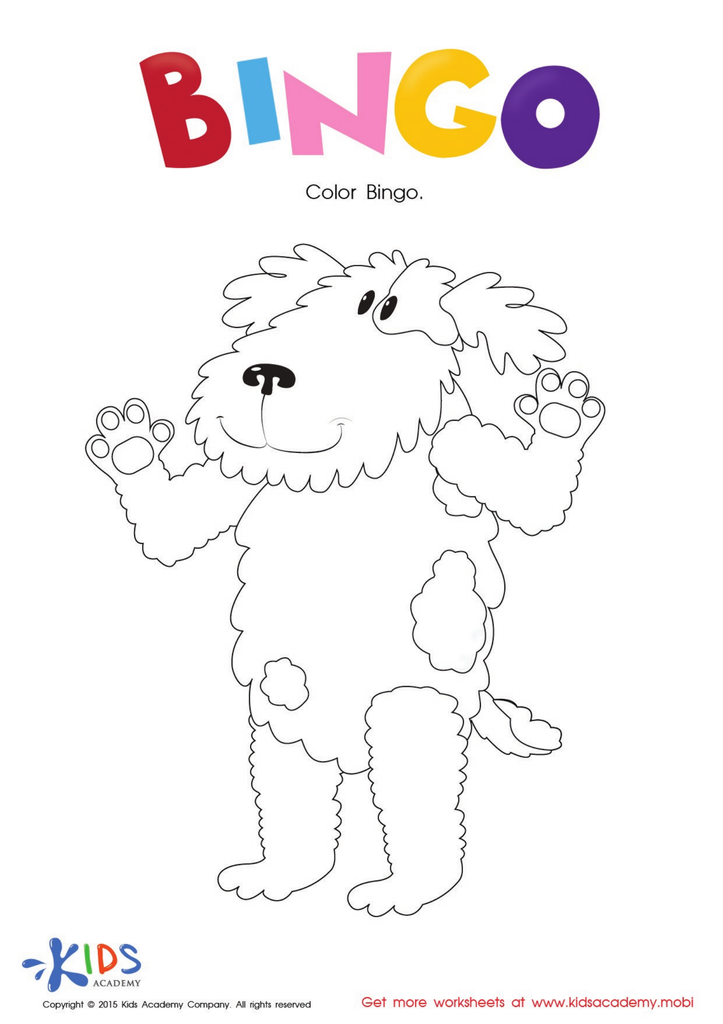
The Bingo Song: Coloring The Dog Worksheet
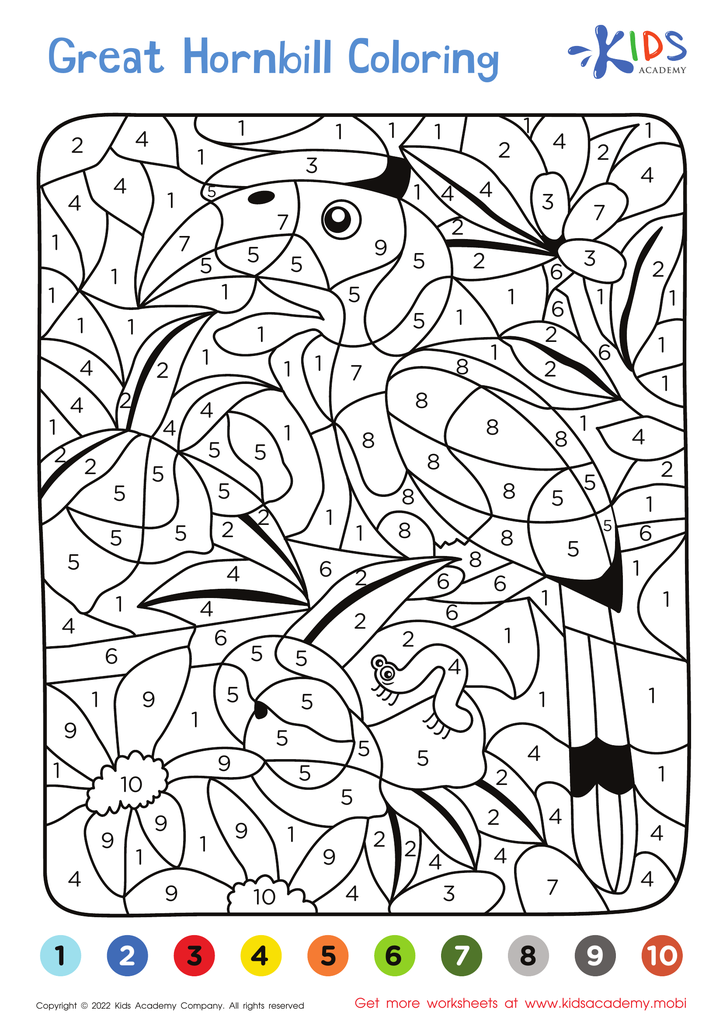
Great Hornbill – Coloring by Numbers
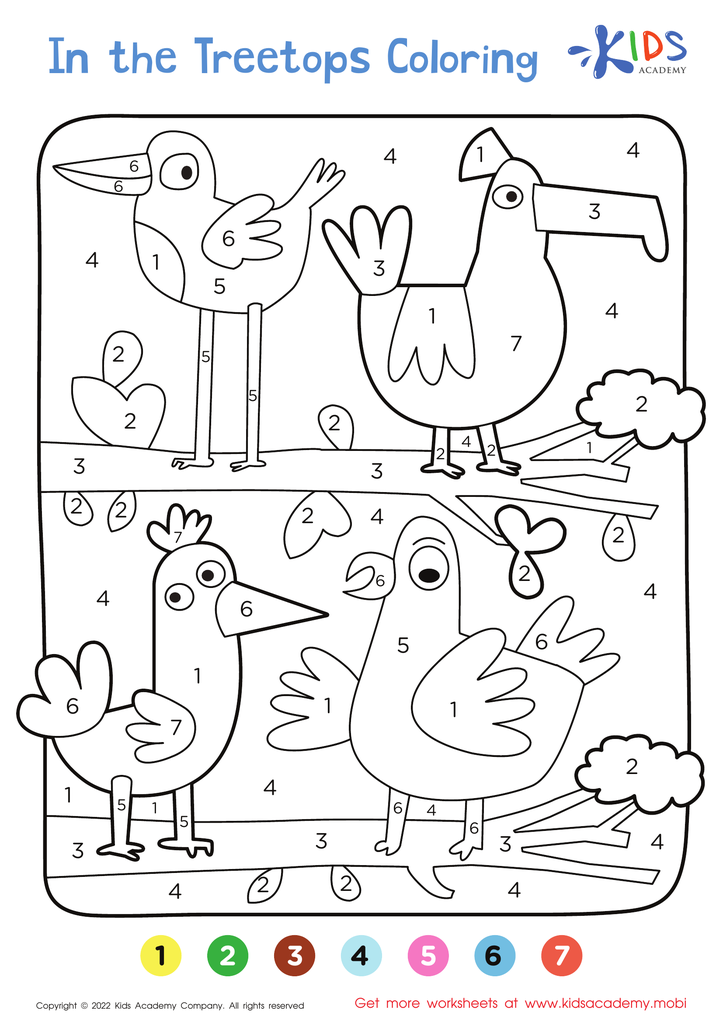
In the Treetops – Coloring Page
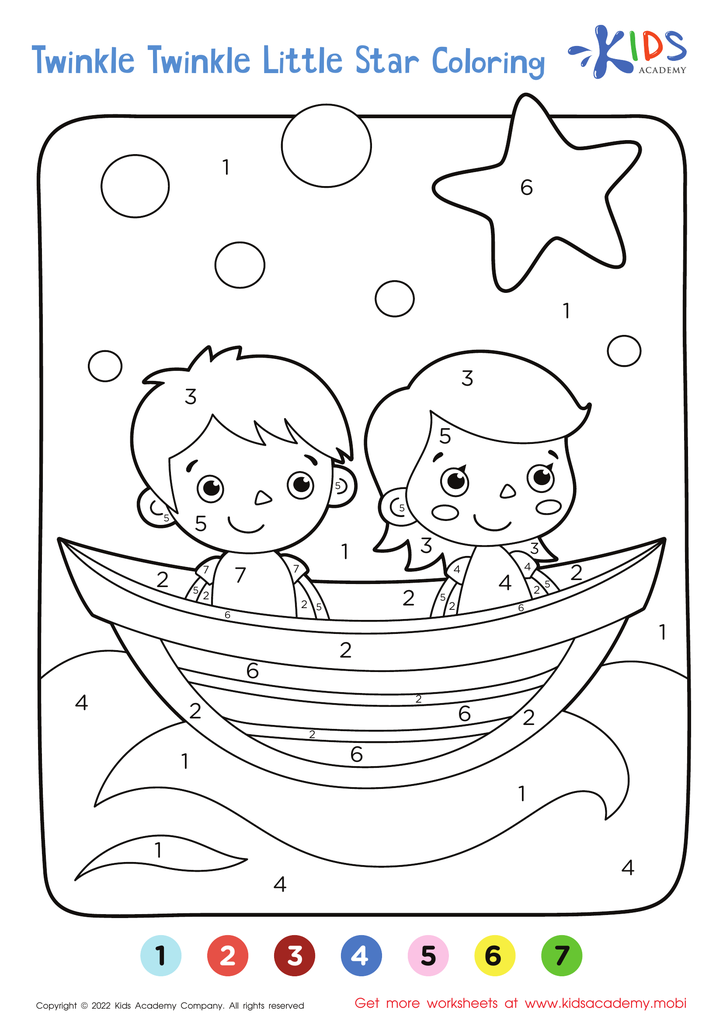
Twinkle, Twinkle, Little Star – Coloring by Numbers
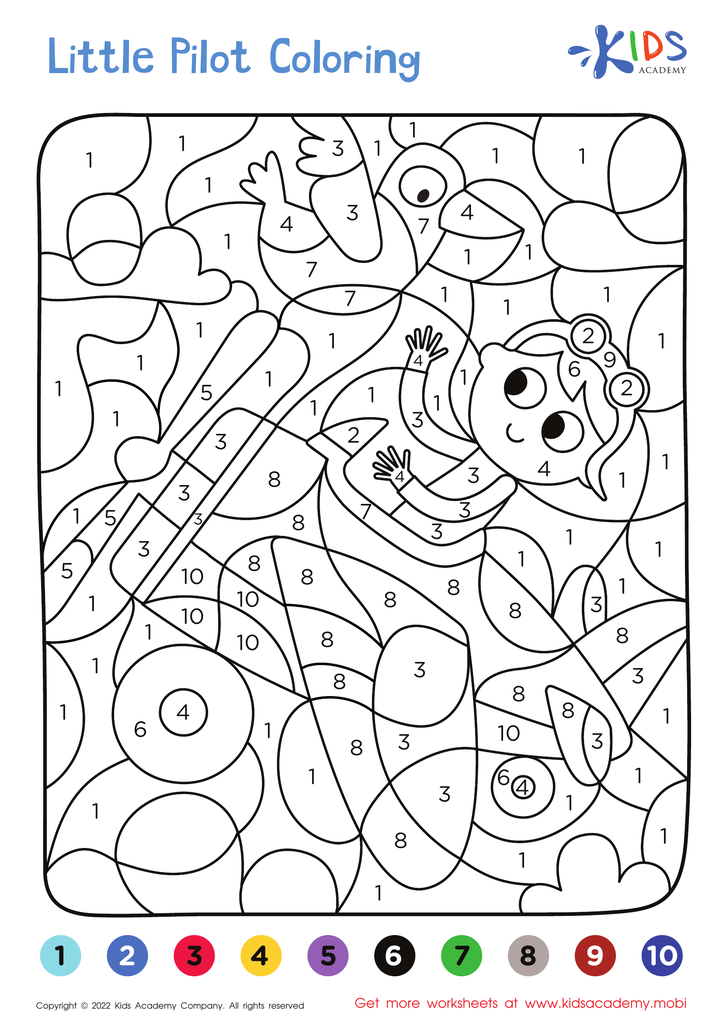
Little Pilot – Coloring by Numbers
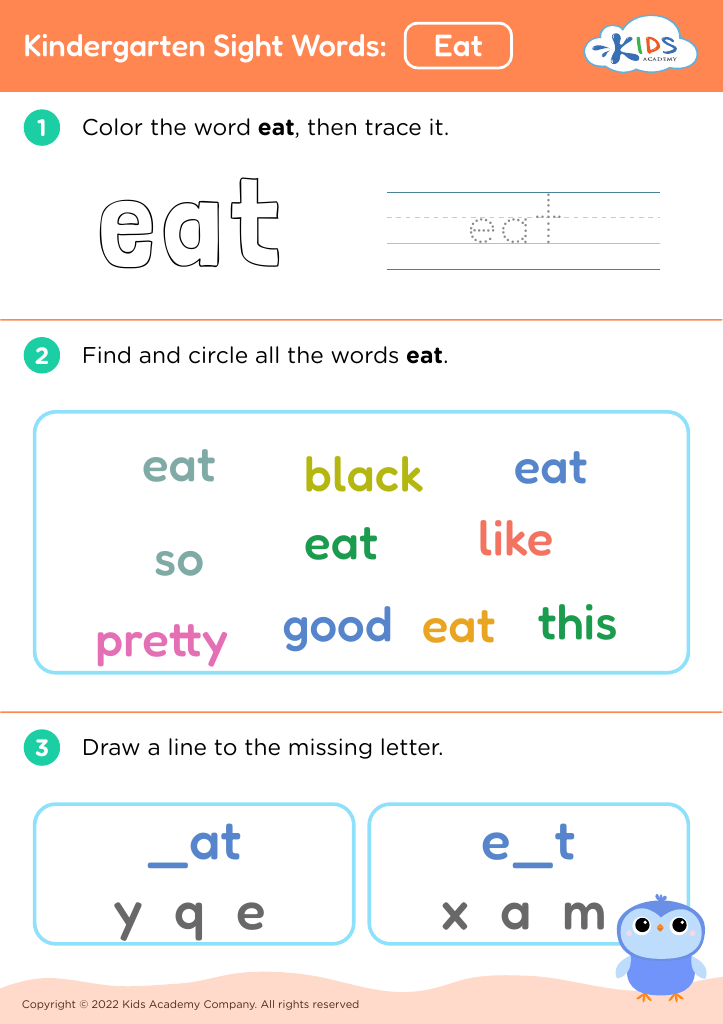
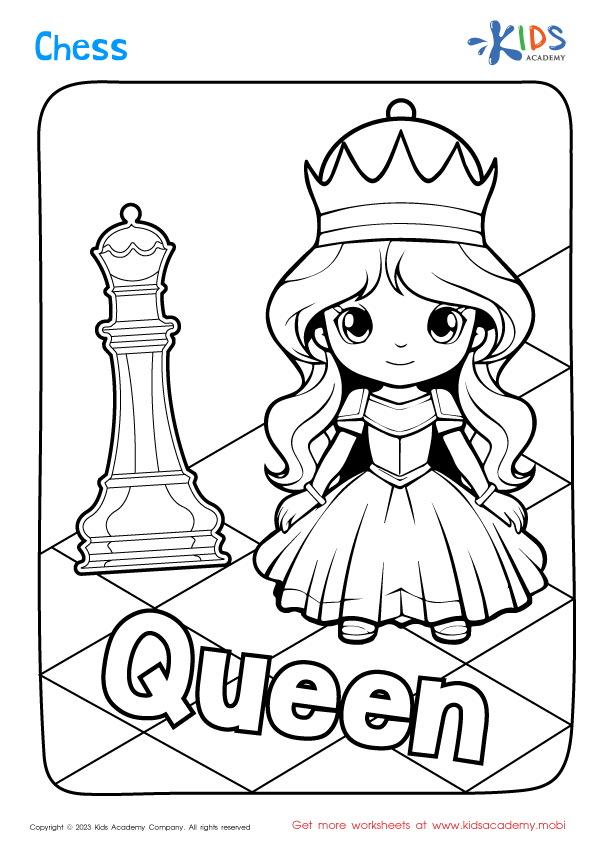
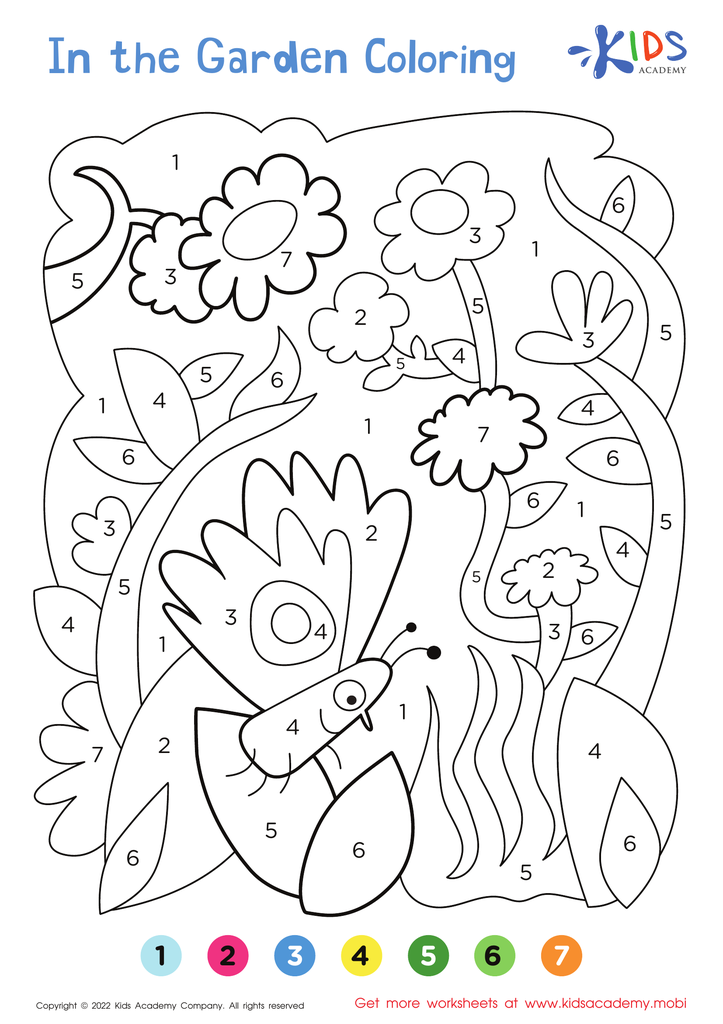
In the Garden – Coloring by Numbers





.jpg)

Color recognition is a fundamental skill that significantly impacts early childhood development for children ages 3-9. Firstly, it aids cognitive development, as identifying colors involves classification and categorization—key components of early mathematical skills. Recognizing colors also enhances language development; as children learn color names, they expand their vocabulary, improving communication abilities.
Moreover, color recognition plays a crucial role in emotional and social development. Colors are often linked to emotions (e.g., red for anger, blue for calm), helping children express their feelings and understand those of others. In group settings, like classrooms or playdates, recognizing colors can assist in cooperative games and activities, fostering teamwork and social skills.
Parents and teachers should also note that color activities—such as sorting, painting, or interactive games—make learning engaging, capturing children's attention and encouraging motivation. Early experiences with colors can instill a love for learning and exploration.
Lastly, color recognition ties into everyday life experiences, from safety signals to food choices, making it a practical skill. Supporting this learning in fun and engaging ways lays a solid foundation for various learning areas, enhancing children's overall developmental trajectory. Thus, prioritizing color recognition in early education benefits children immensely.








