Develop analytical thinking Worksheets for Ages 3-9
5 filtered results
-
From - To
Cultivate your child's analytical skills with our expertly crafted worksheets designed for ages 3-9. At Kids Academy, we offer a diverse collection of engaging, age-appropriate printables that stimulate critical thinking, problem-solving, and logical reasoning. Our activities range from pattern recognition to puzzles and brain teasers, making learning fun and interactive. By incorporating our worksheets into your child’s routine, you help build the foundational skills necessary for academic success and everyday decision-making. Discover how our resources can transform learning into an enjoyable adventure, fostering curiosity and a lifelong love for analytical exploration. Download now and watch young minds flourish!
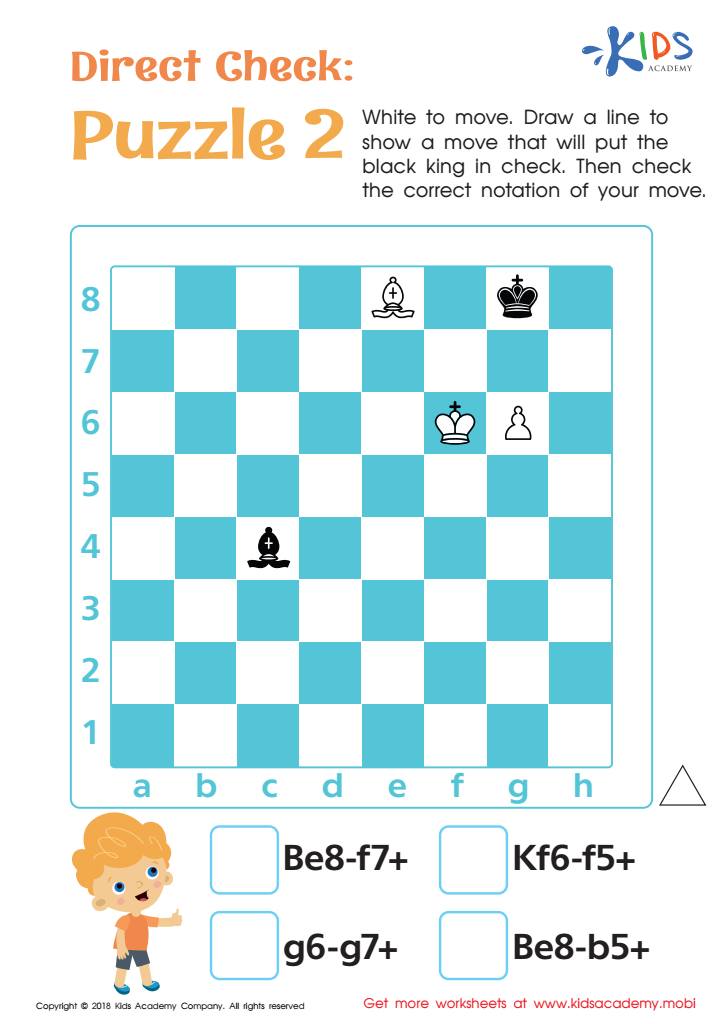
Direct Check: Puzzle 2 Worksheet
 Assign to My Students
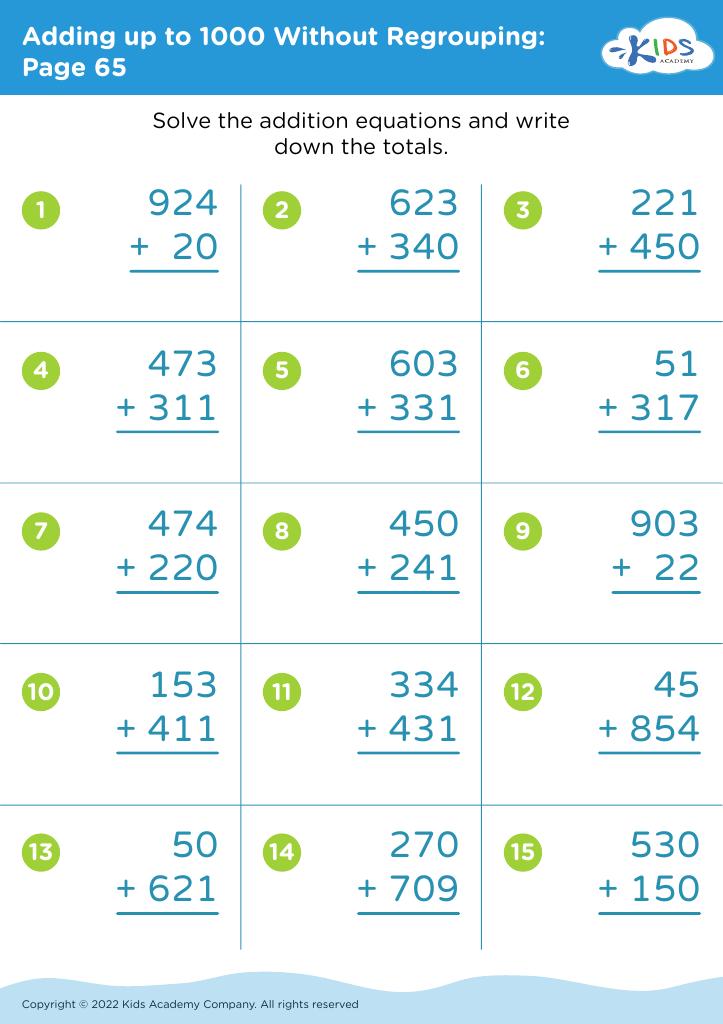
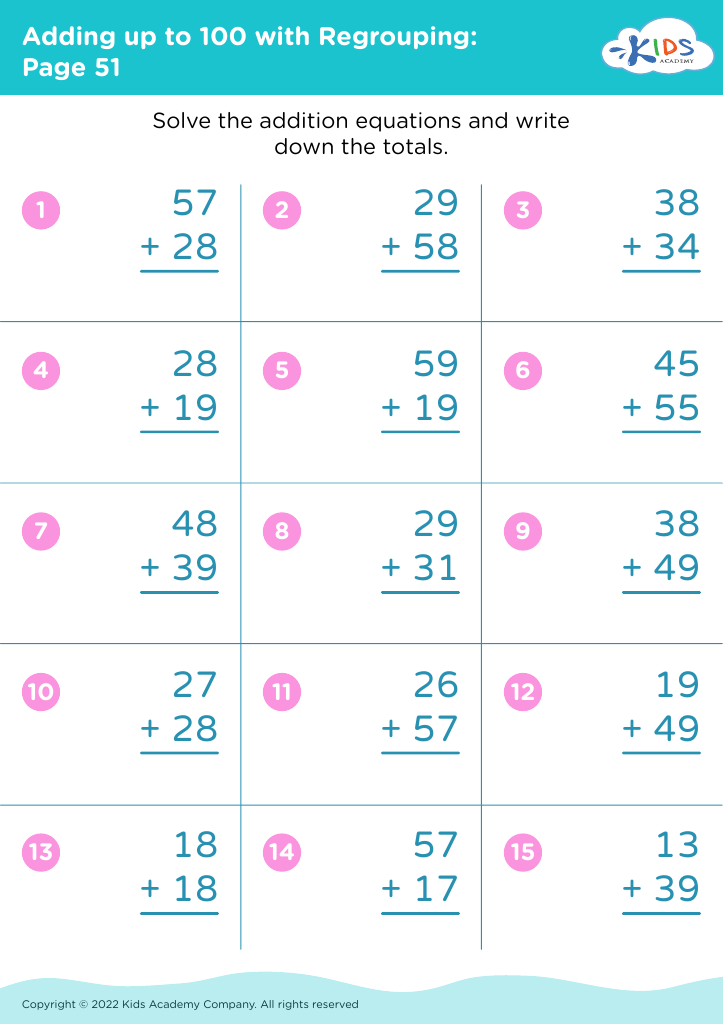
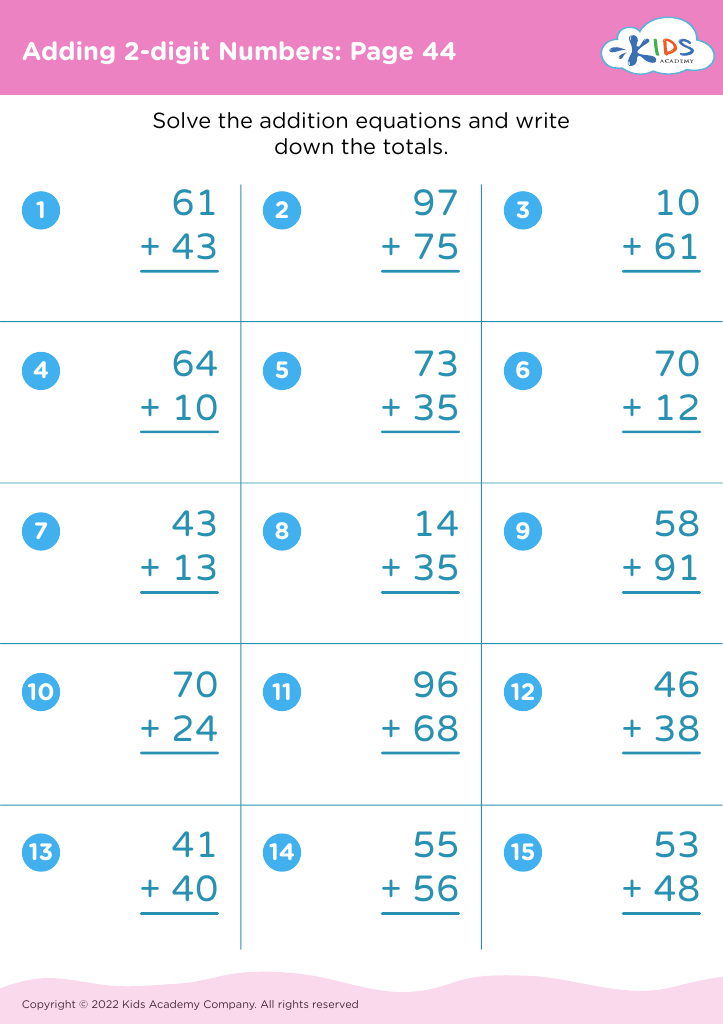
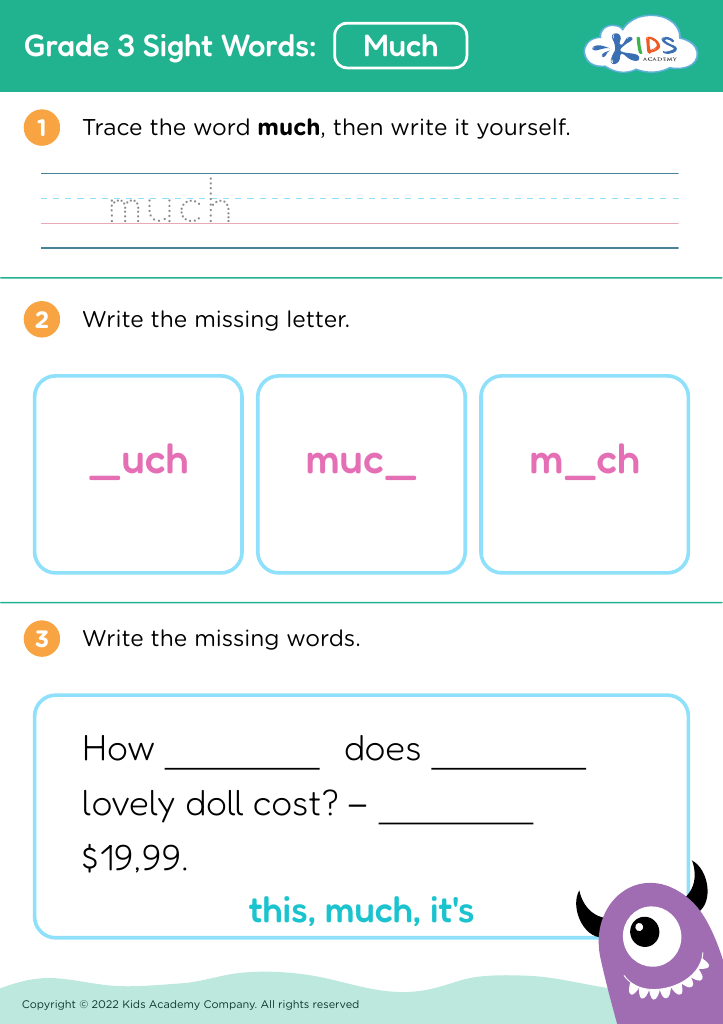








Developing analytical thinking in children aged 3-9 is critical for several reasons. First, it enhances problem-solving skills. Kids with strong analytical abilities can think independently, breaking problems into smaller parts to find solutions. This process fosters resilience and a growth mindset, as children learn to approach challenges methodically rather than feeling overwhelmed.
Second, analytical thinking strengthens academic performance. From early math and science concepts to reading comprehension, children benefit immensely from the ability to analyze information. They can make connections between ideas, understand cause and effect, and draw logical conclusions, which are essential skills across all subjects.
Third, it nurtures creativity. While this might seem counterintuitive, analytical thinking supports creative processes by allowing children to evaluate and refine their ideas systematically. They learn to assess possibilities, ask "what if" questions, and explore multiple outcomes, leading to more innovative thinking.
Lastly, fostering analytical thinking improves social skills. Children can better understand others’ viewpoints, identify biases, and articulate their thoughts clearly. This facilitates healthier communication and relationships.
Teachers and parents can cultivate analytical thinking through activities like puzzles, open-ended questions, and exploratory play, providing a foundation for lifelong learning and adaptability in an ever-changing world. By investing in these skills early, we empower children to become thoughtful, skilled, and innovative thinkers.








