
Developing counting skills Worksheets for Ages 3-9
6 filtered results
Difficulty Level
Grade
Age
-
From - To
Subject
Activity
Standards
Welcome to our "Developing Counting Skills" worksheets, designed specifically for children ages 3-9! These engaging and colorful resources help little learners master essential counting concepts in a fun and interactive way. Our worksheets include a variety of activities such as counting objects, tracing numbers, and solving simple math problems, catering to different learning styles. Whether in the classroom or at home, these materials encourage both independent practice and guided learning. Support your child’s early numeracy development with our thoughtfully crafted worksheets that make counting enjoyable and effective. Start exploring today and watch your child's confidence grow in mathematics!
Favorites
With answer key
Interactive
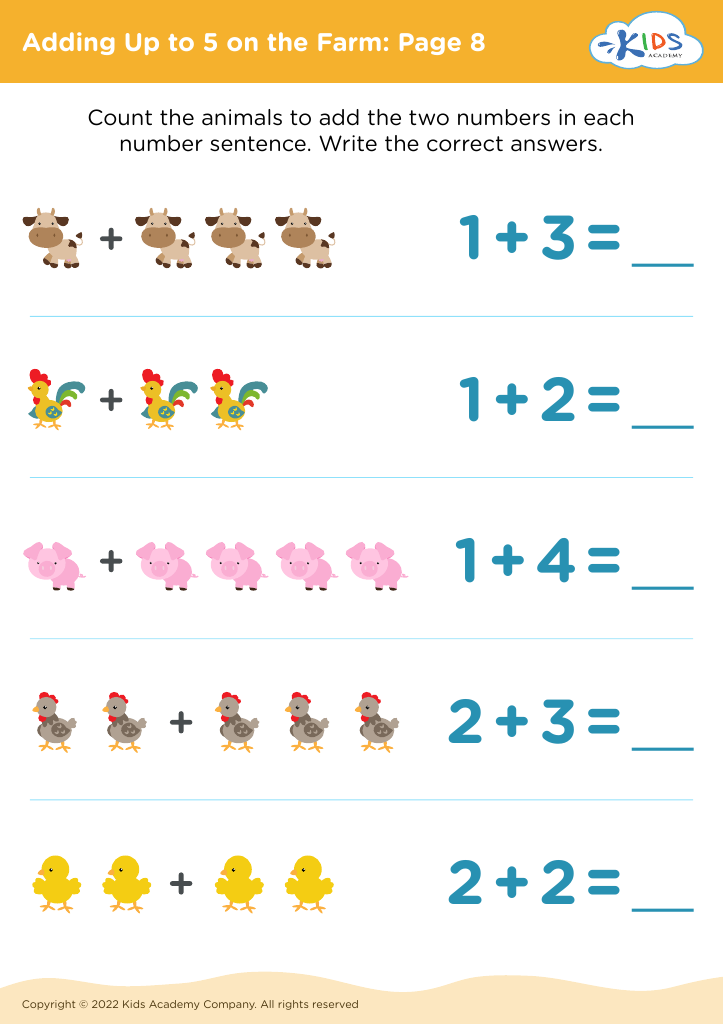
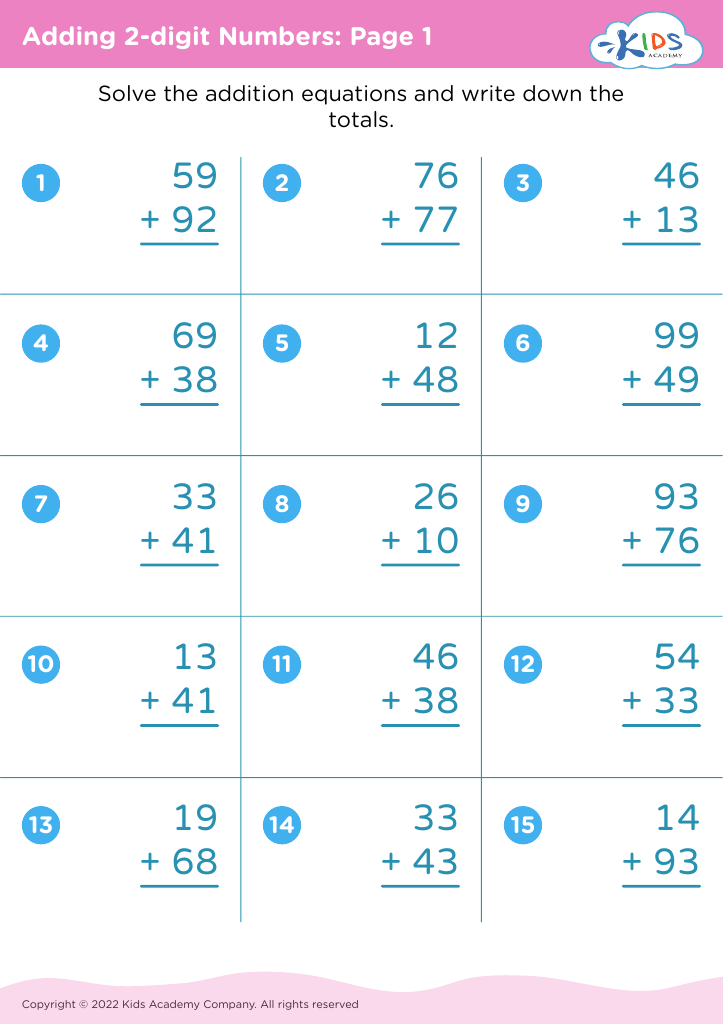
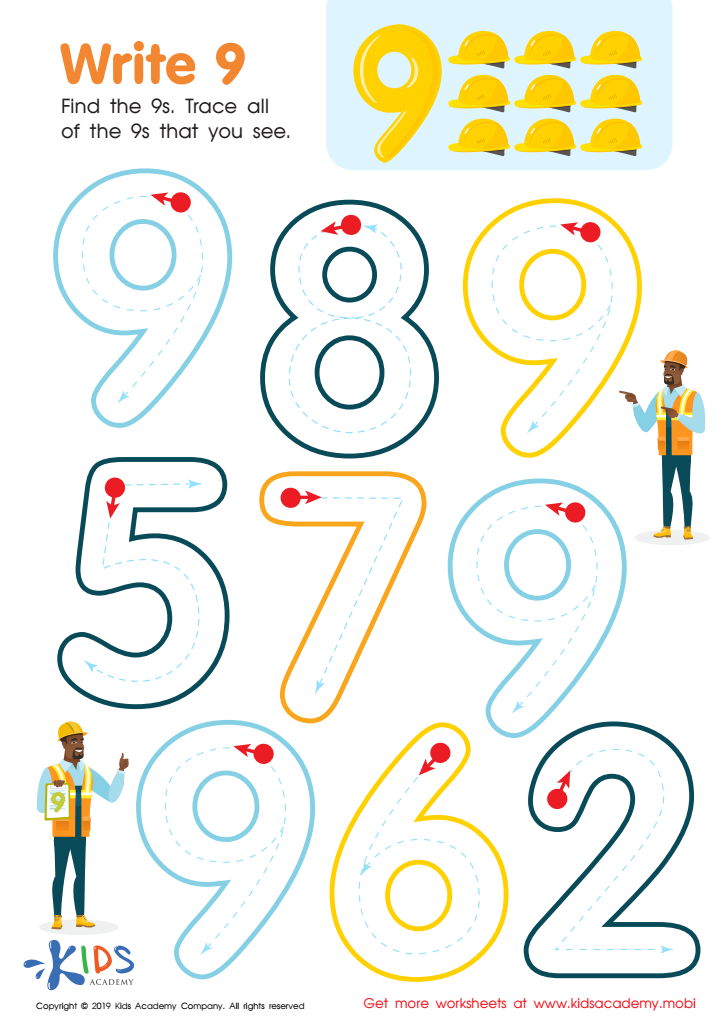
Write 9 Worksheet
Once your kids can count, help them learn to write numbers with your guidance and patience. This worksheet is designed to speed up the process. Help them spot the 9s in the picture, then help them trace them. With your help, your kids will soon be pros at counting and writing numbers.
 Assign to My Students
Write 9 Worksheet
Worksheet
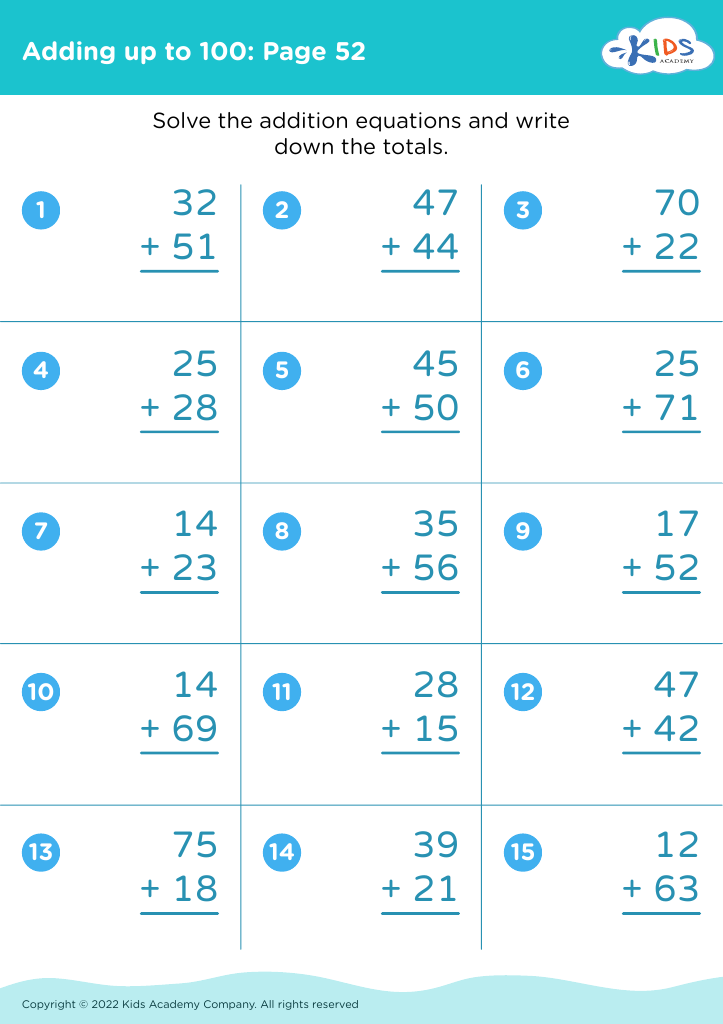
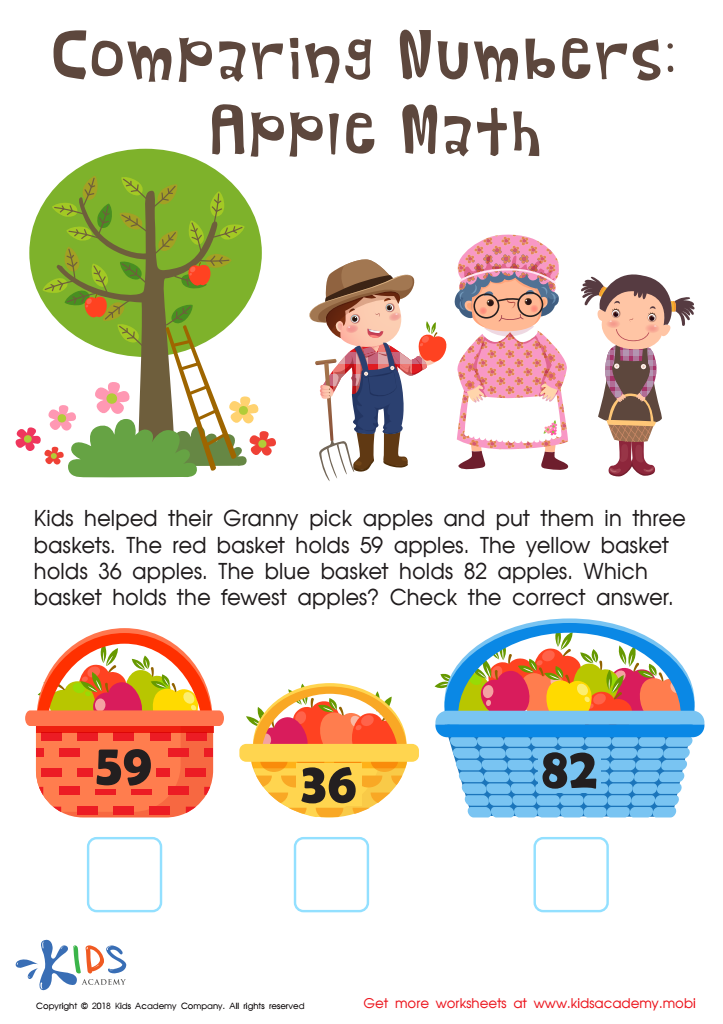
Apple Math Worksheet
Math is more than just counting, adding, subtracting, multiplying, and dividing. Your child may be feeling overwhelmed by all the complexities, like comparing numbers and their differences. But with this worksheet, you can make comparing numbers fun again!
Apple Math Worksheet
Worksheet
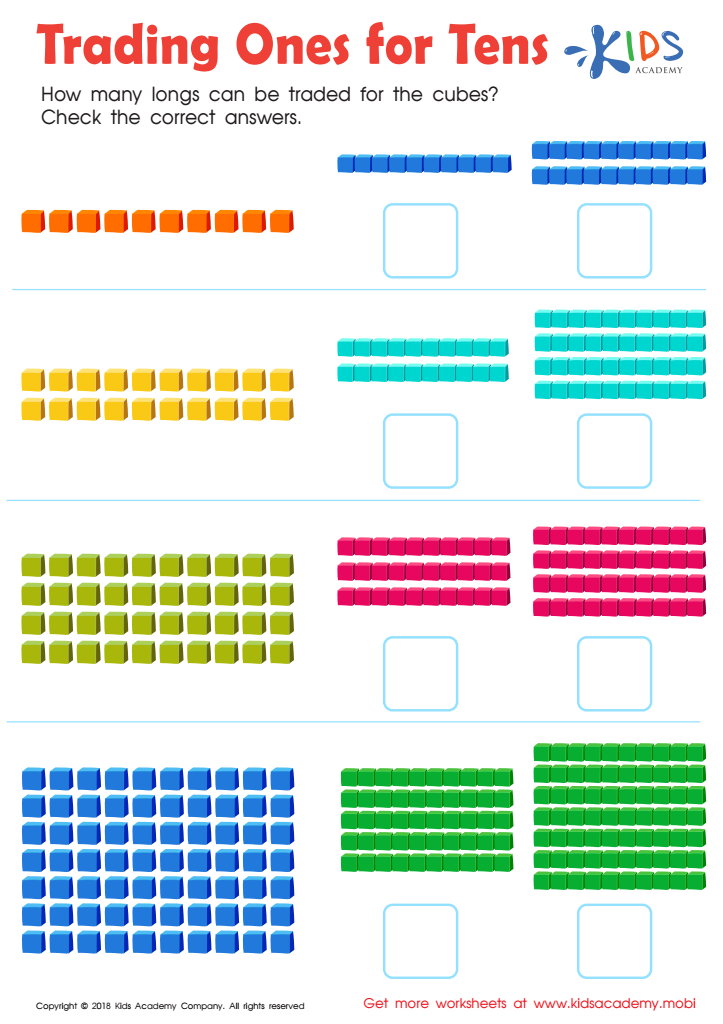
Trading Ones for Tens Worksheet: Part 2
Introduce your early learners to regrouping numbers! Catch their attention with this brightly colored worksheet. See how many 10s can be created from the cubes. Then, check the box with the correct answer to complete the sheet! Download now and get started!
Trading Ones for Tens Worksheet: Part 2
Worksheet
Join Kids Academy for Free
Who is primarily going to use this learning content?







Developing counting skills in children ages 3 to 9 is crucial for their cognitive, social, and academic development. At this age, children are in a formative stage where they begin to grasp basic mathematical concepts. Counting serves as a fundamental building block for more complex math skills, such as addition and subtraction. By cultivating counting abilities early, parents and teachers lay the groundwork for future success in mathematics and critical thinking.
Beyond academics, counting skills foster cognitive growth and problem-solving abilities. Engaging children in counting activities, such as counting objects during playtime or using songs and games, makes learning fun and interactive. This early exposure lays the groundwork for a child’s confidence in math, reducing math anxiety as they progress through school.
Moreover, counting aids in developing language skills and understanding patterns, enhancing overall cognitive development. Socially, counting games can encourage collaboration and communication among peers. As children learn to count, they also learn to work with others—sharing, taking turns, and discussing strategies.
In summary, fostering counting skills at this crucial developmental stage not only prepares children for academic success but also enriches their overall growth and social experiences, making it a shared responsibility of parents and teachers alike.








