Developing spatial awareness Worksheets for Ages 3-9
3 filtered results
-
From - To
Discover our engaging "Developing Spatial Awareness Worksheets for Ages 3-9" at Kids Academy! Tailored to foster critical thinking and cognitive skills, these worksheets are designed to help young learners understand and navigate their surroundings effectively. Through fun, interactive activities, children enhance their ability to recognize shapes, patterns, and spatial relationships. Perfect for early learners, these printable resources provide an excellent foundation for future success in math, reading, and everyday problem-solving. Support your child's development with our expertly crafted worksheets, making learning both enjoyable and educational. Visit Kids Academy and start building essential spatial skills today!
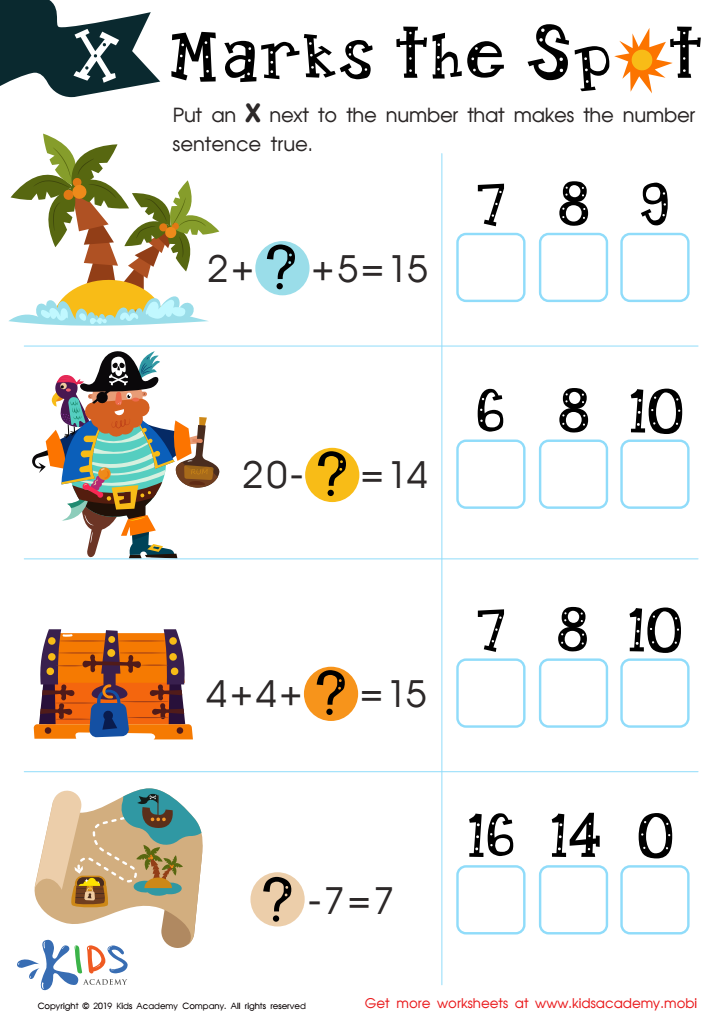
X Marks the Spot Worksheet
 Assign to My Students
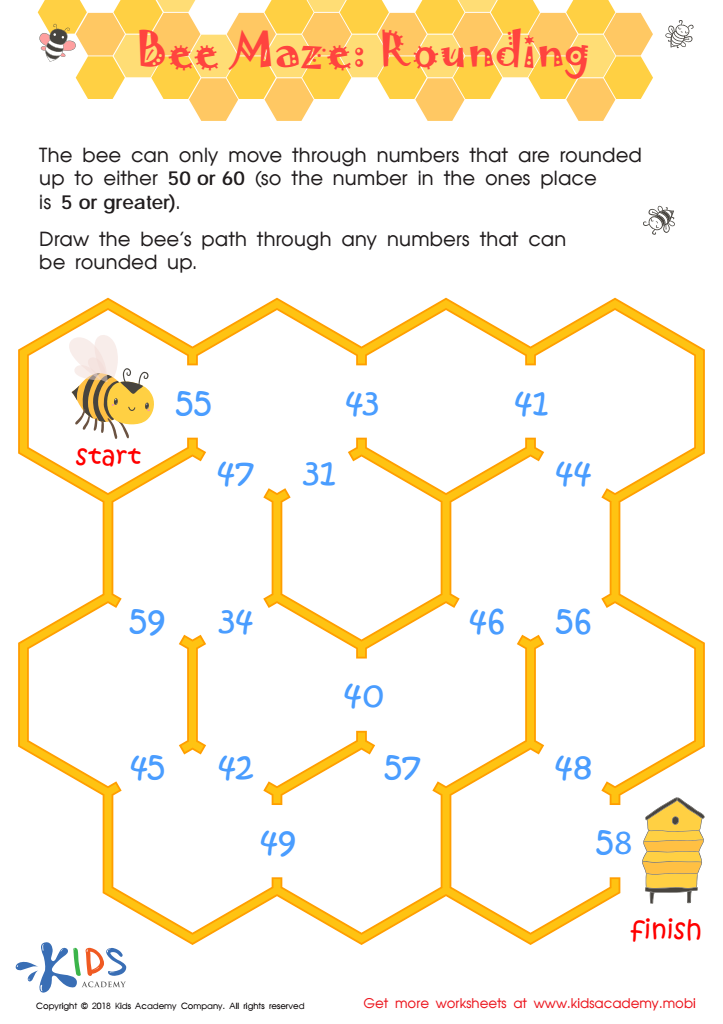
Bee Maze Rounding Worksheet
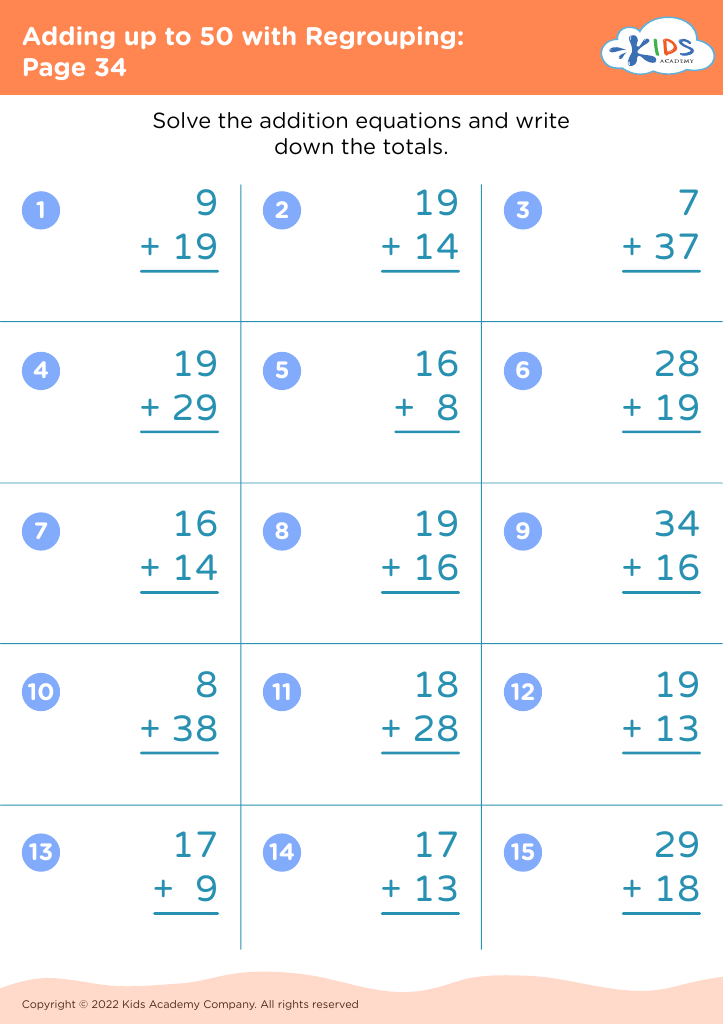


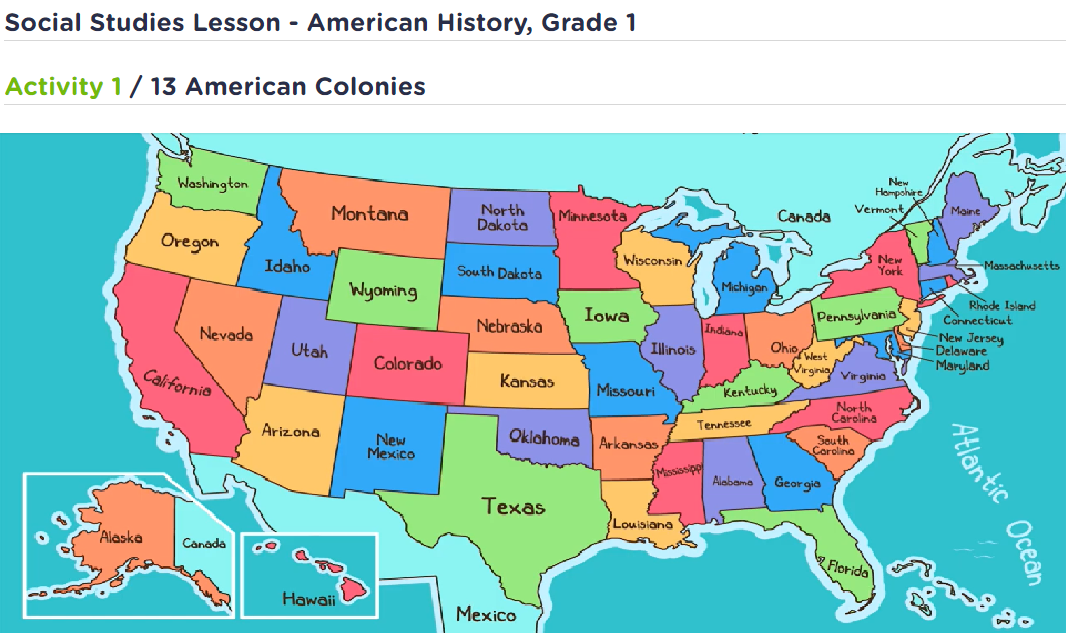





Spatial awareness is a developmental milestone that significantly influences a child's cognitive growth and overall academic readiness. For children aged 3-9, it involves understanding the relationships between objects in space and integrating sensory information from their environment. Parents and teachers should prioritize the development of spatial awareness because it is foundational for subjects like mathematics, reading, and writing. For instance, spatial skills help children grasp concepts of geometry, understand maps, and visualize problem-solving steps in math.
Beyond academics, spatial awareness underpins essential life skills such as following directions, recognizing patterns, and comprehending the physical relationship between their own bodies and the world around them. This skill is essential for activities ranging from playing sports to participating in art, essentially making everyday tasks easier and safer. It aids in enhanced coordination, balance, and navigation through different environments.
In early childhood, interactive play, building blocks, puzzles, and drawing can cultivate these skills. Structured and unstructured play provides rich opportunities for children to develop spatial awareness naturally. By actively fostering this development, parents and teachers set children up for educational success and daily competence, ultimately enhancing a child’s confidence and ability to interact with their surroundings effectively.








