Enhance number recognition Worksheets for Ages 3-9
20 filtered results
-
From - To
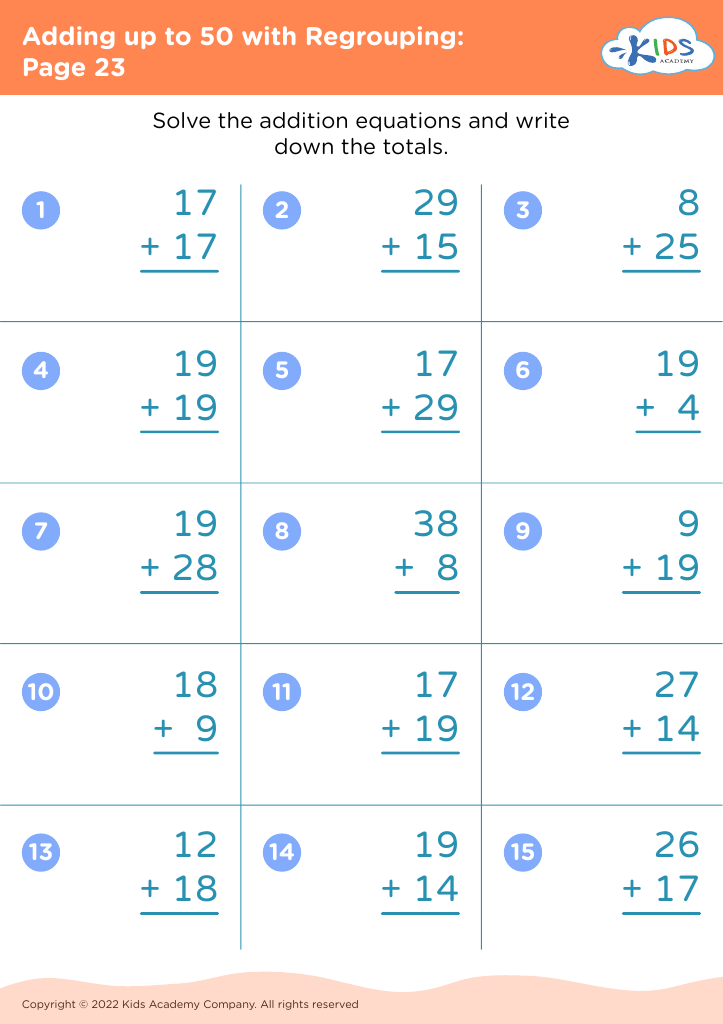
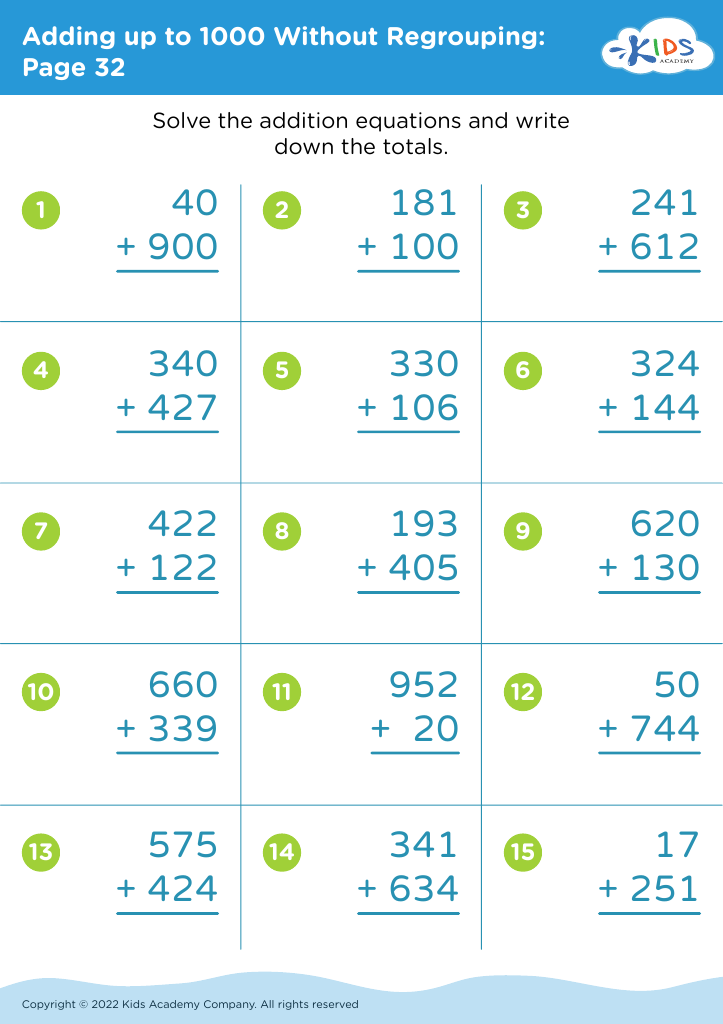
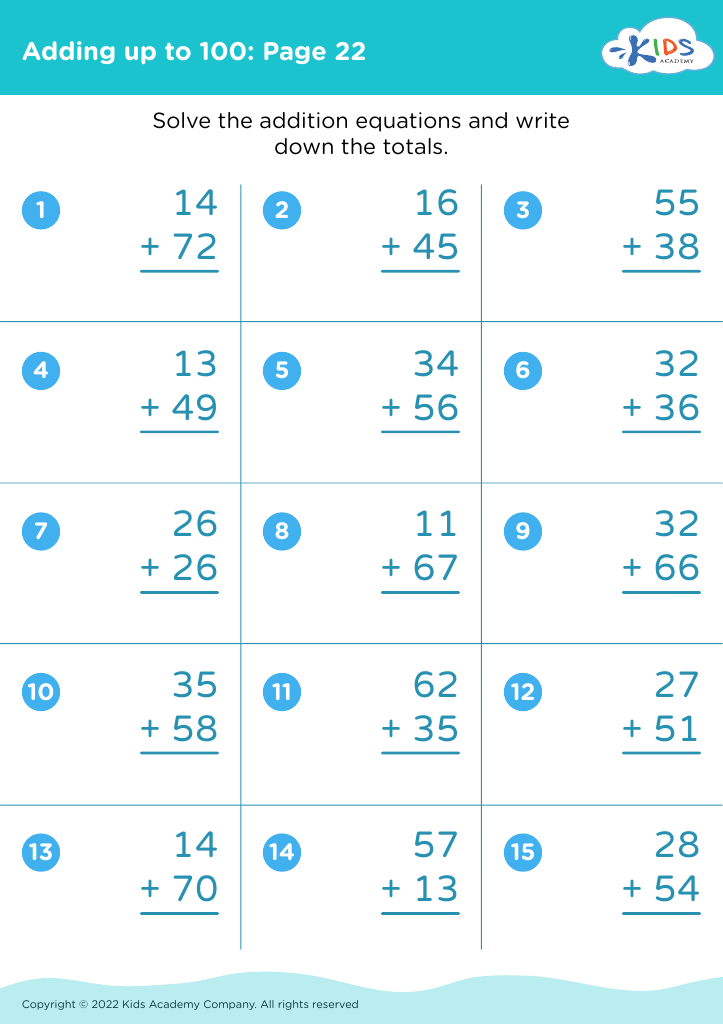
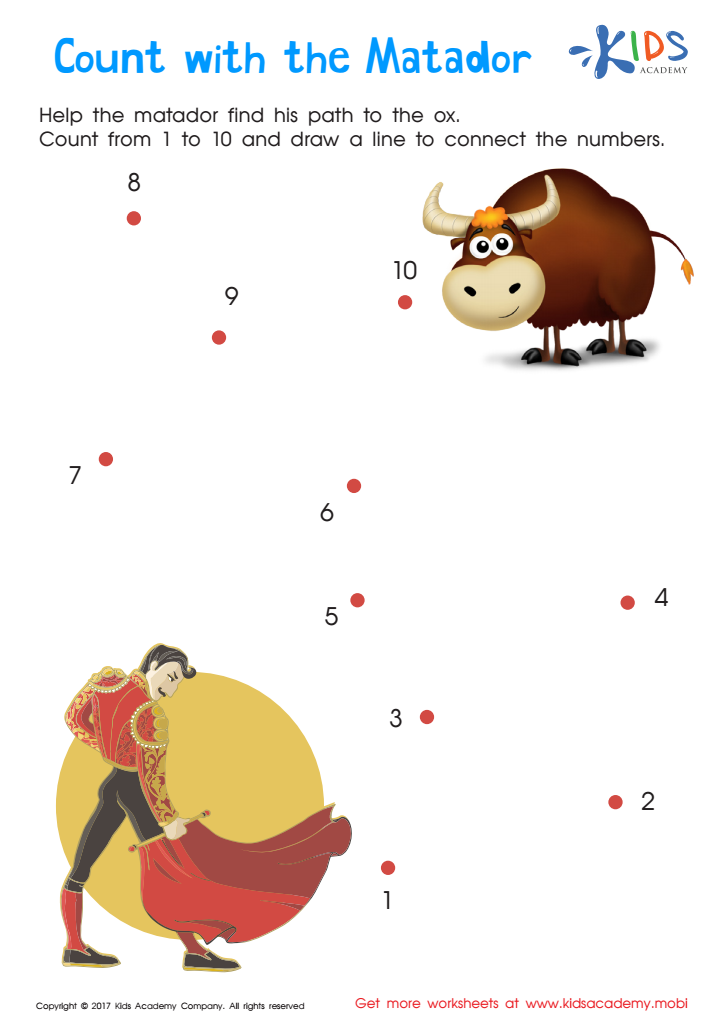
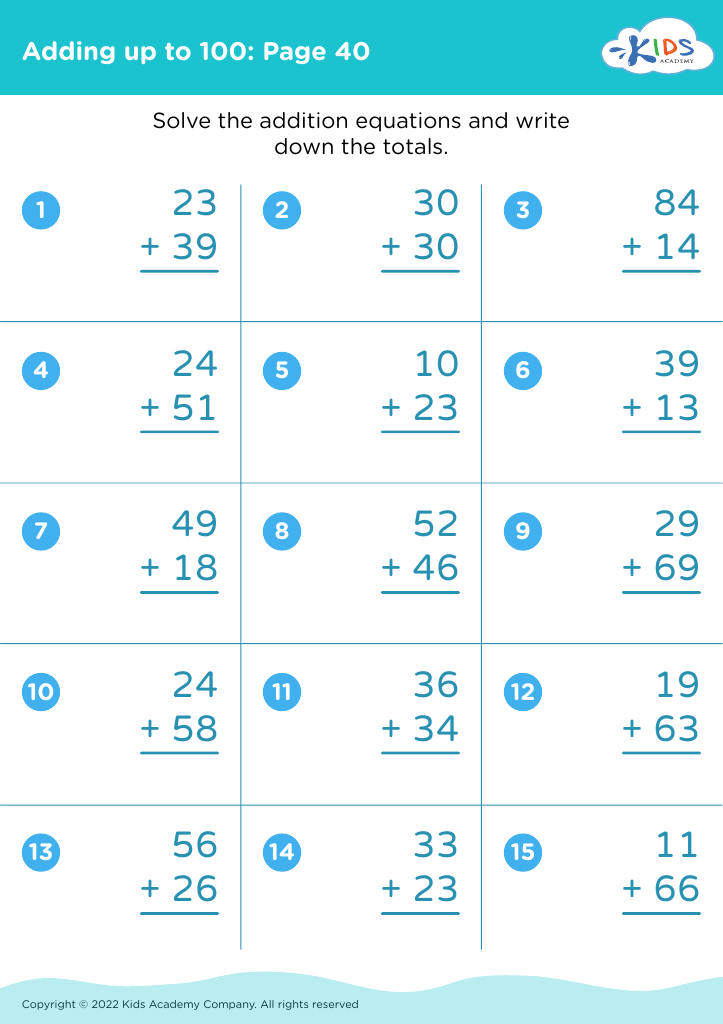
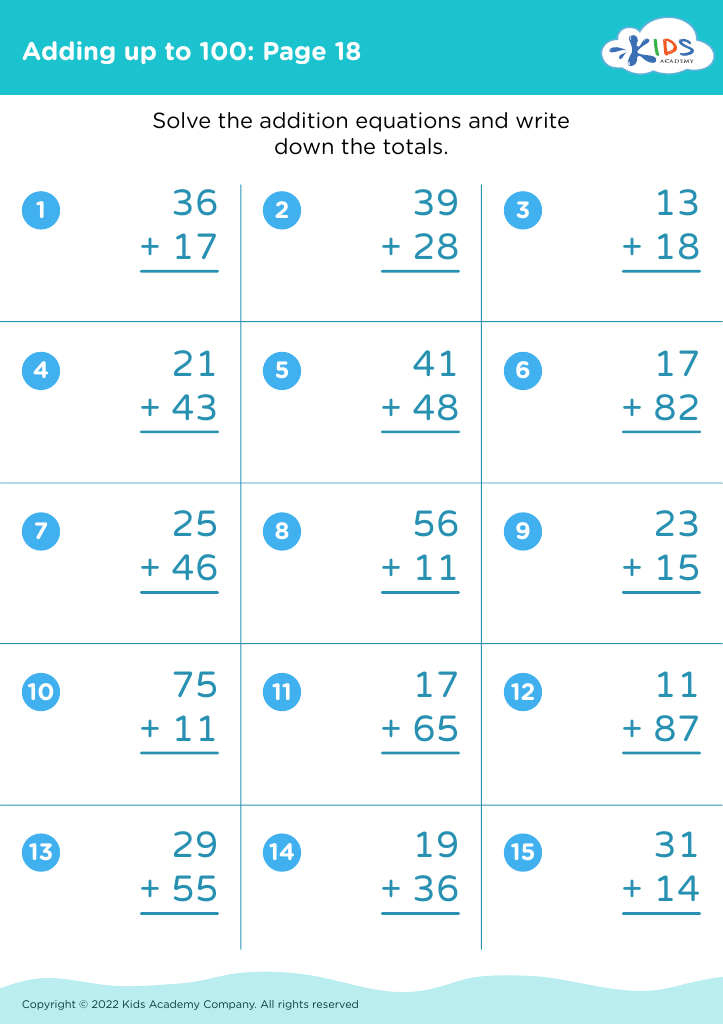
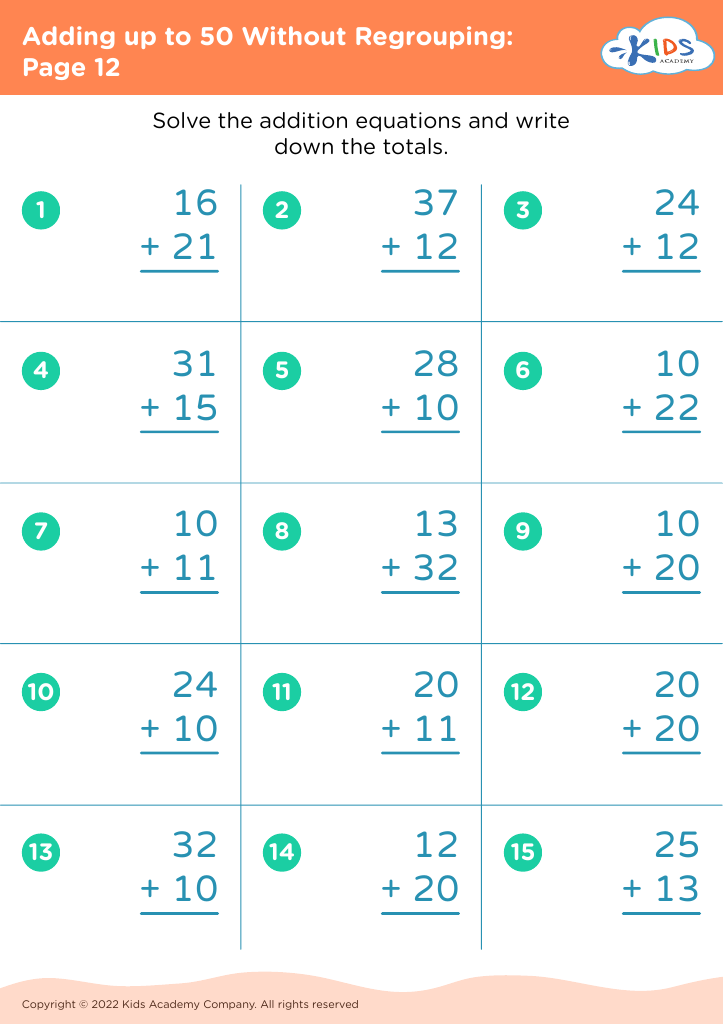
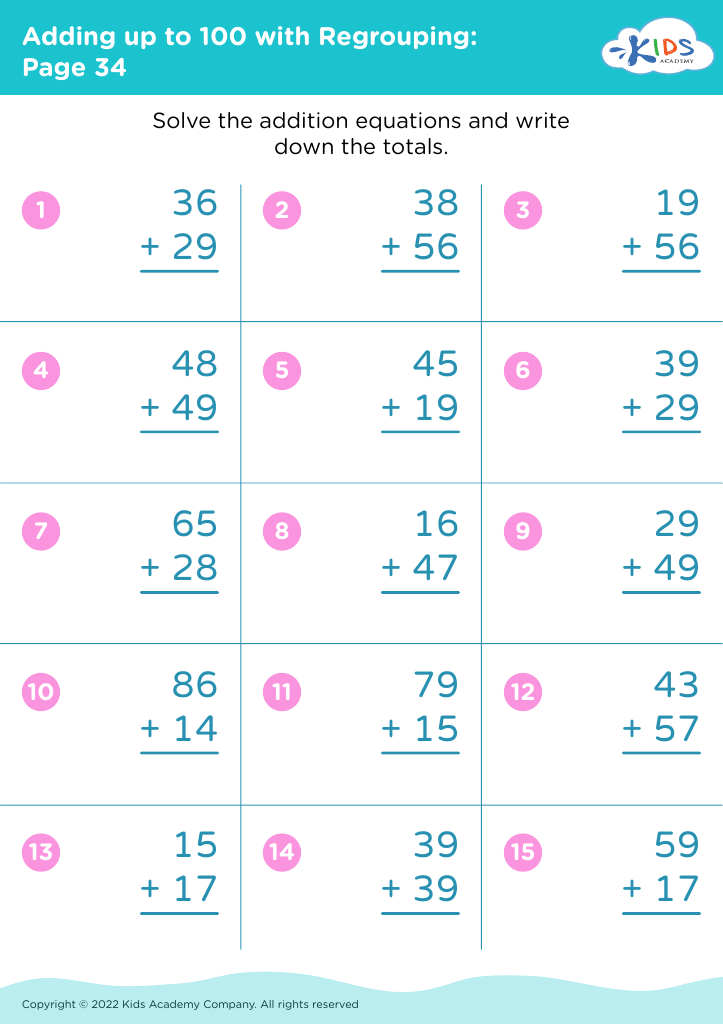
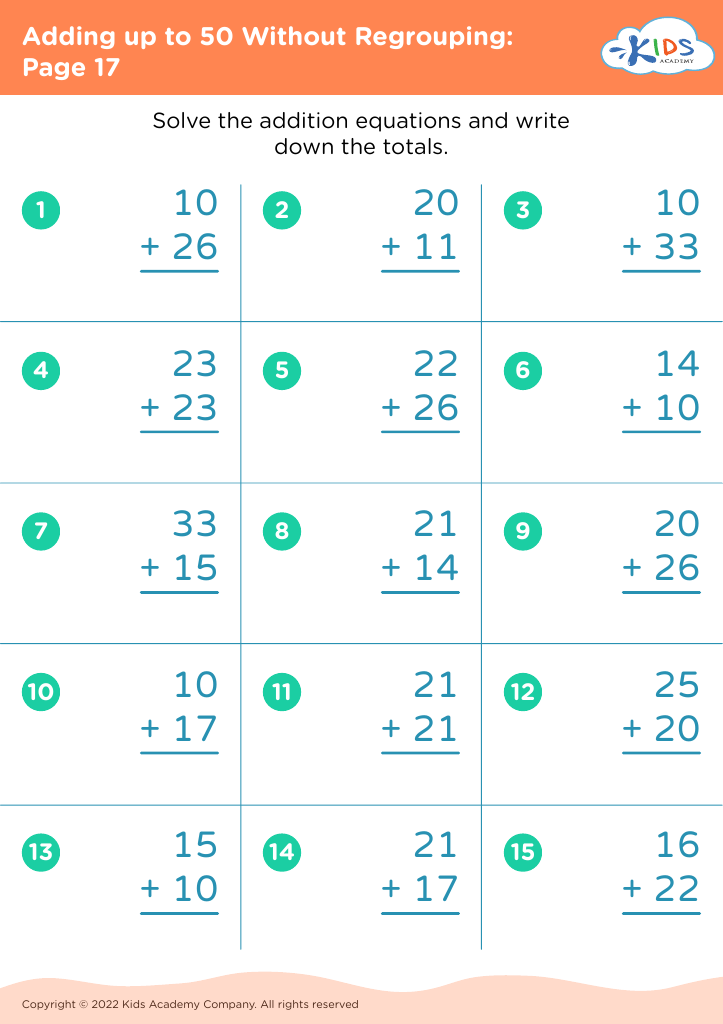
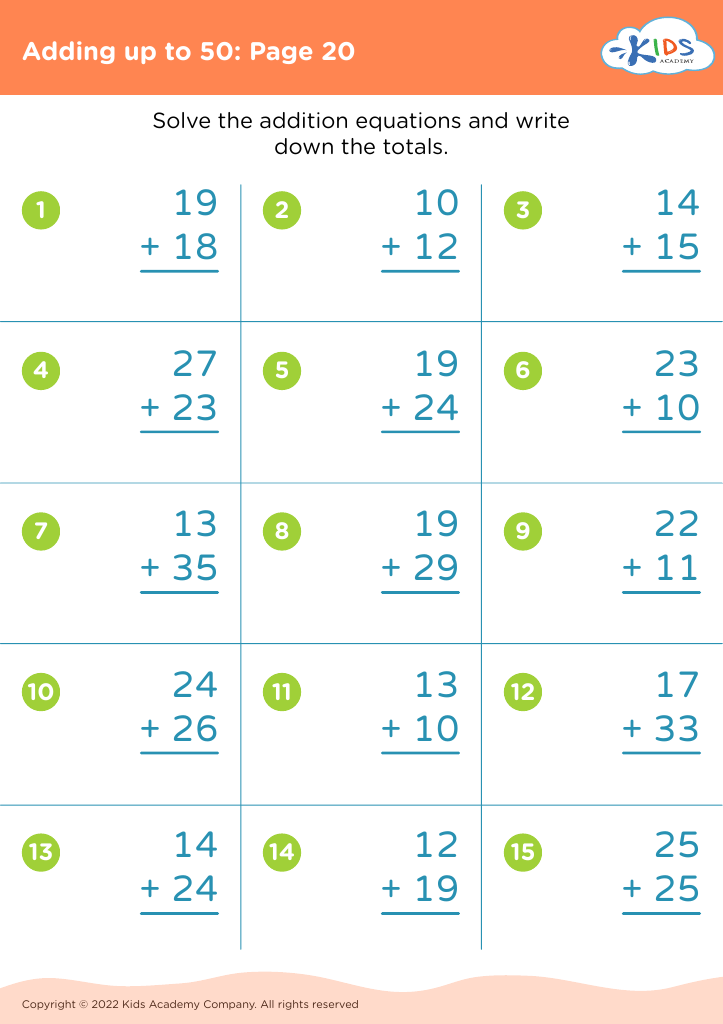
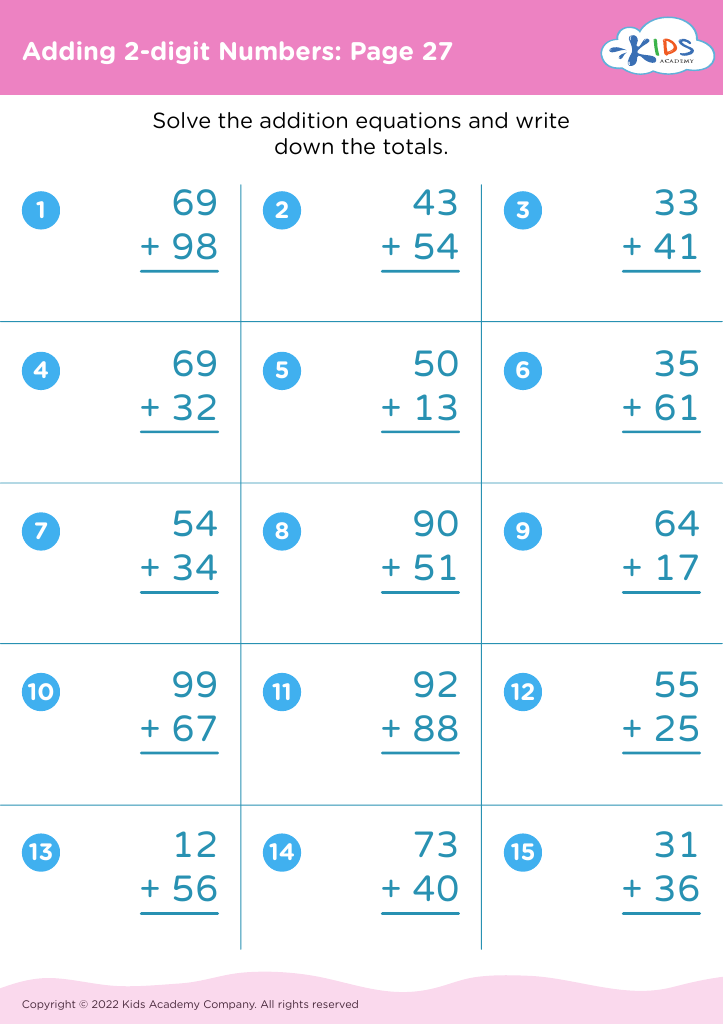
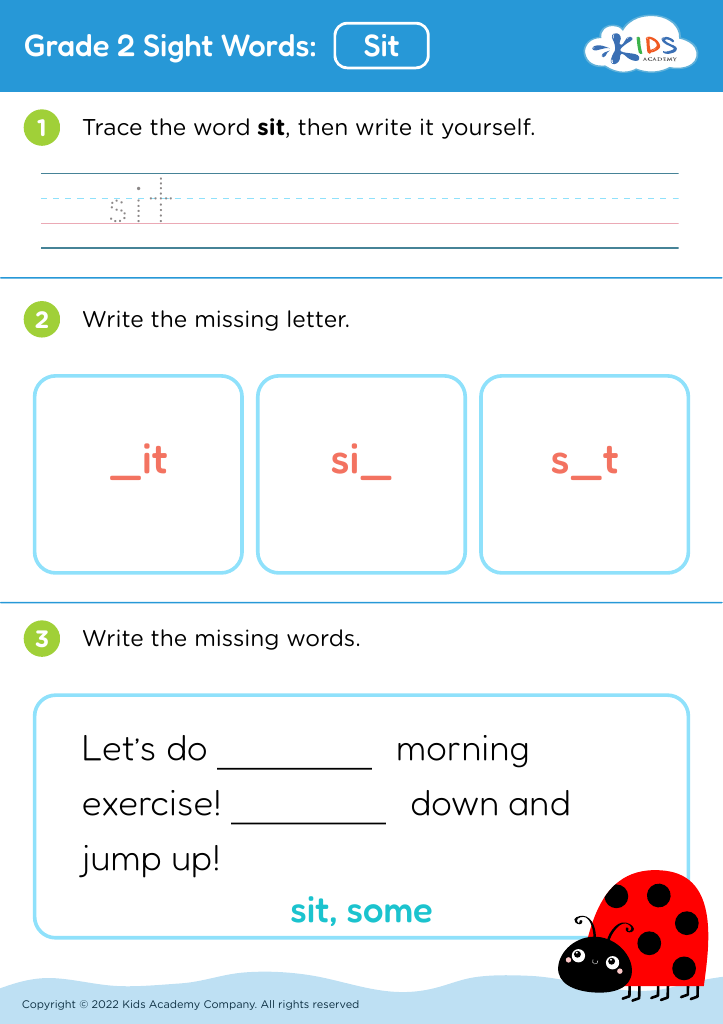
Explore our "Enhance Number Recognition Worksheets," specially designed for children aged 3 to 9! These engaging activities will help young learners identify and understand numbers through vibrant illustrations and interactive exercises. With a mix of coloring, counting, and matching tasks, our worksheets cater to various skill levels, ensuring a fun and effective learning experience. Parents and educators can track progress easily while fostering a love for math from a young age. Boost your child’s confidence and foundational math skills with our printable resources. Start their numerical journey today and make learning numbers a delightful adventure!
 Assign to My Students
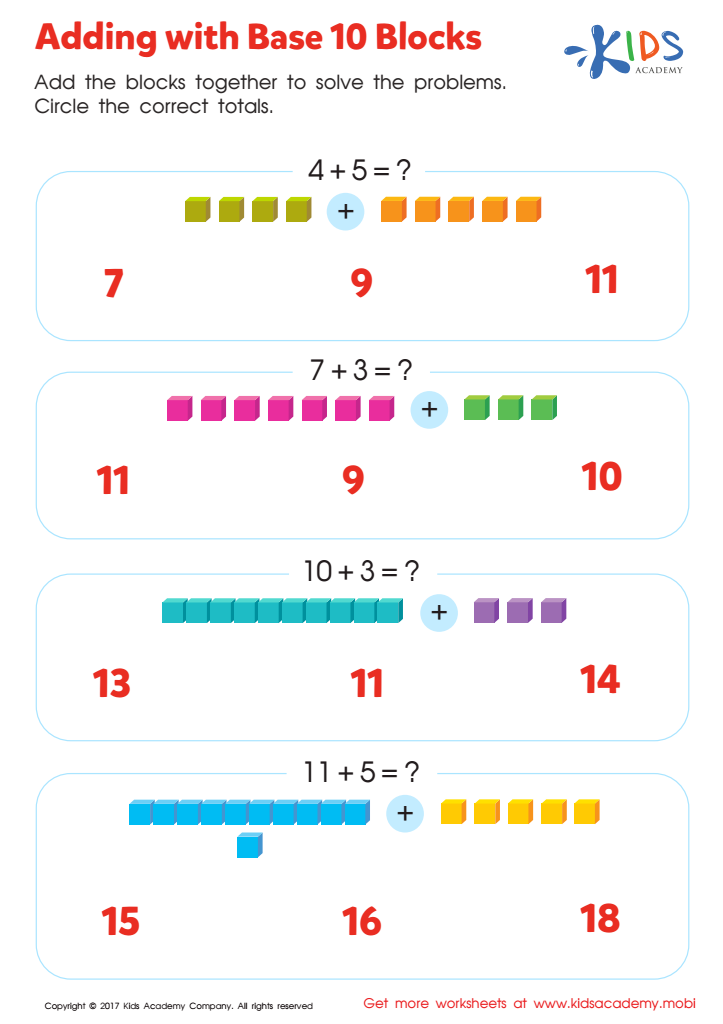
Adding with Base Ten Blocks Worksheet
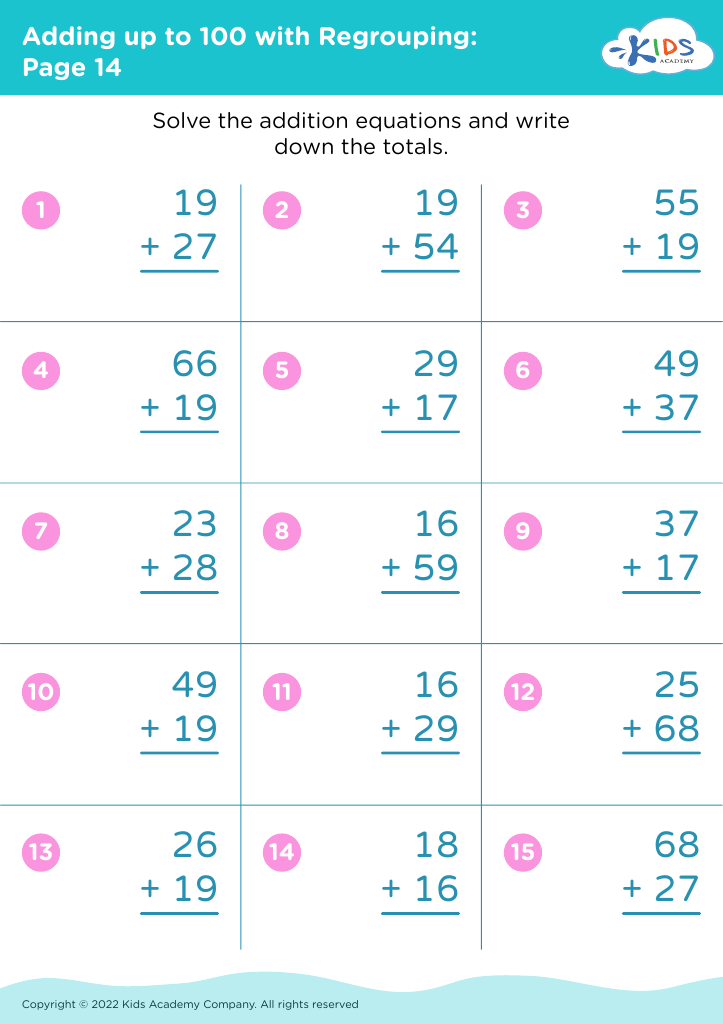
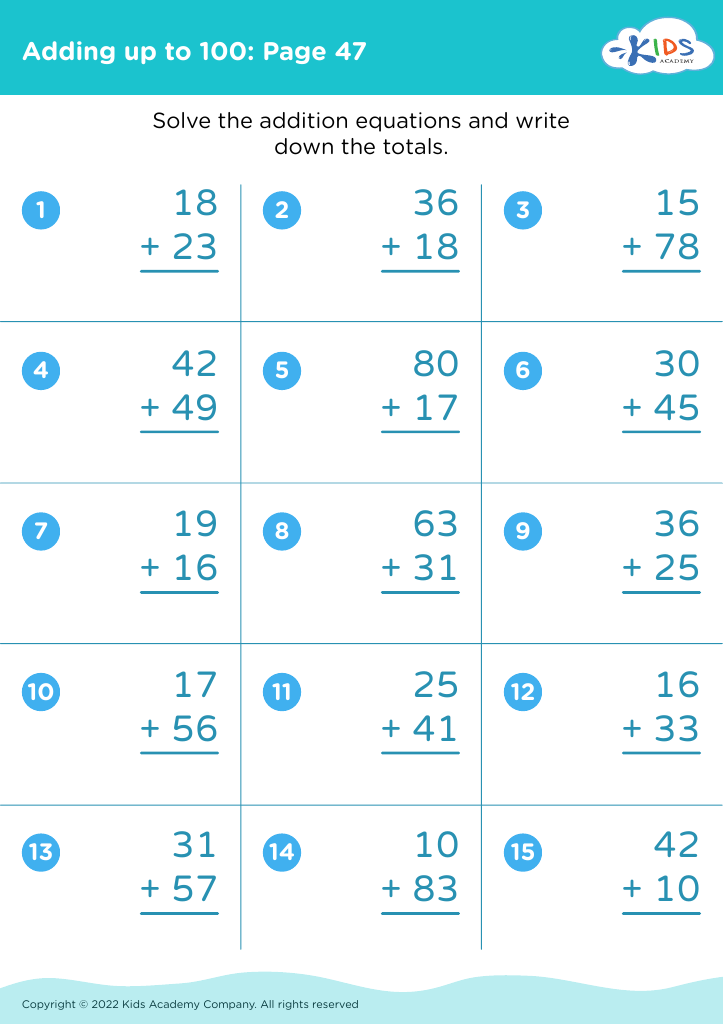
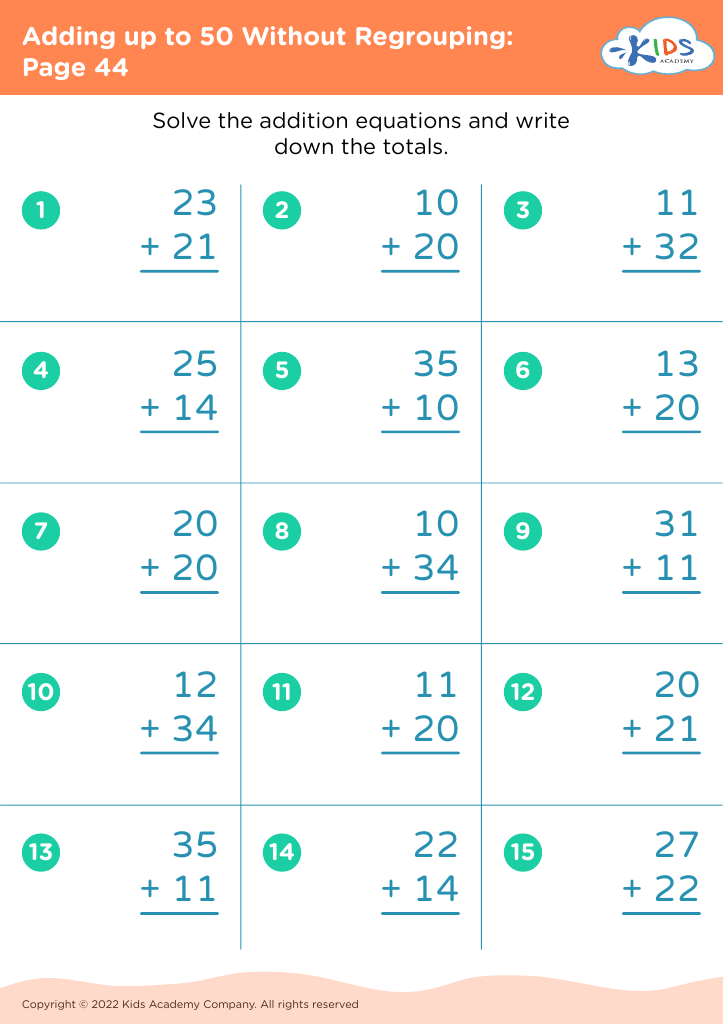







Enhancing number recognition in children aged 3-9 is crucial for their overall cognitive development and future academic success. Firstly, number recognition forms the foundational block for mathematical understanding. As children begin to identify numbers, they build skills such as counting, addition, and subtraction, which are essential in everyday situations and future learning. Regular exposure to numbers not only strengthens mathematical skills but also enhances a child's cognitive abilities, promoting critical thinking and problem-solving skills.
Furthermore, number recognition is linked to language development. Children learn to associate numbers with verbal language, broadening their vocabulary and improving their ability to communicate ideas. This dual learning process fosters confidence in their abilities, leading to higher self-esteem.
Moreover, early interventions can identify and support children who may struggle with number concepts, preventing future learning challenges. Engaging with numbers through games, songs, and hands-on activities makes learning enjoyable and less intimidating, creating a positive attitude toward mathematics.
Ultimately, fostering number recognition is not just about math; it nurtures a child's overall cognitive, social, and emotional growth, equipping them with skills that extend far beyond the classroom. Thus, parents and teachers should prioritize these early experiences for lasting impact.








