Enhancing Reading Comprehension Worksheets for Ages 3-9 - Page 2
36 filtered results
-
From - To
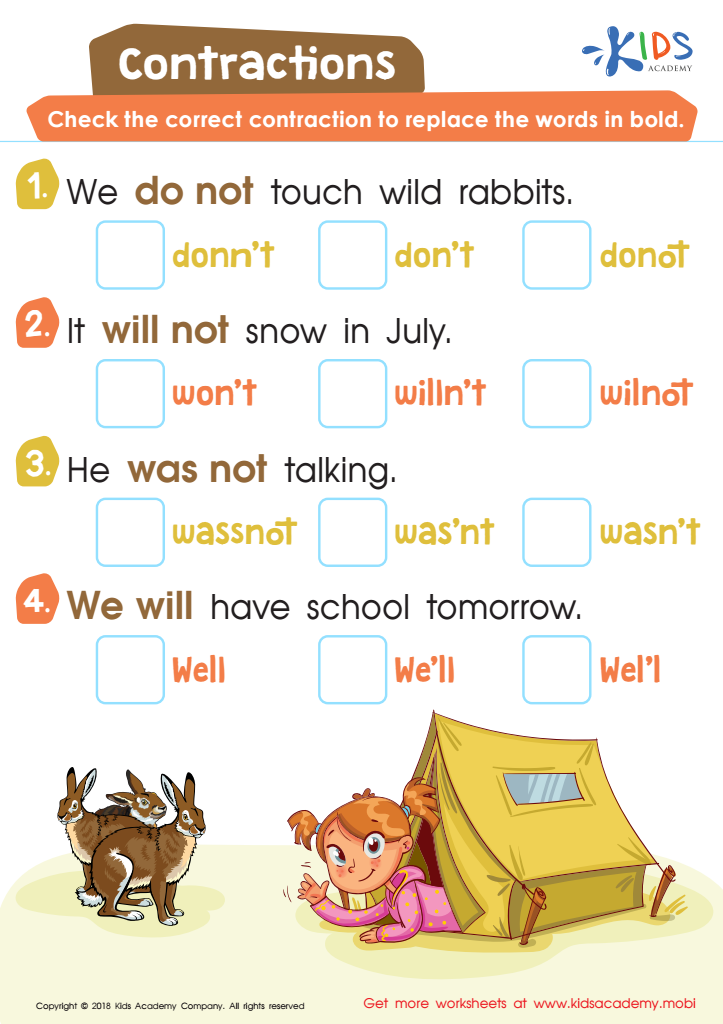
Contractions Worksheet
 Assign to My Students
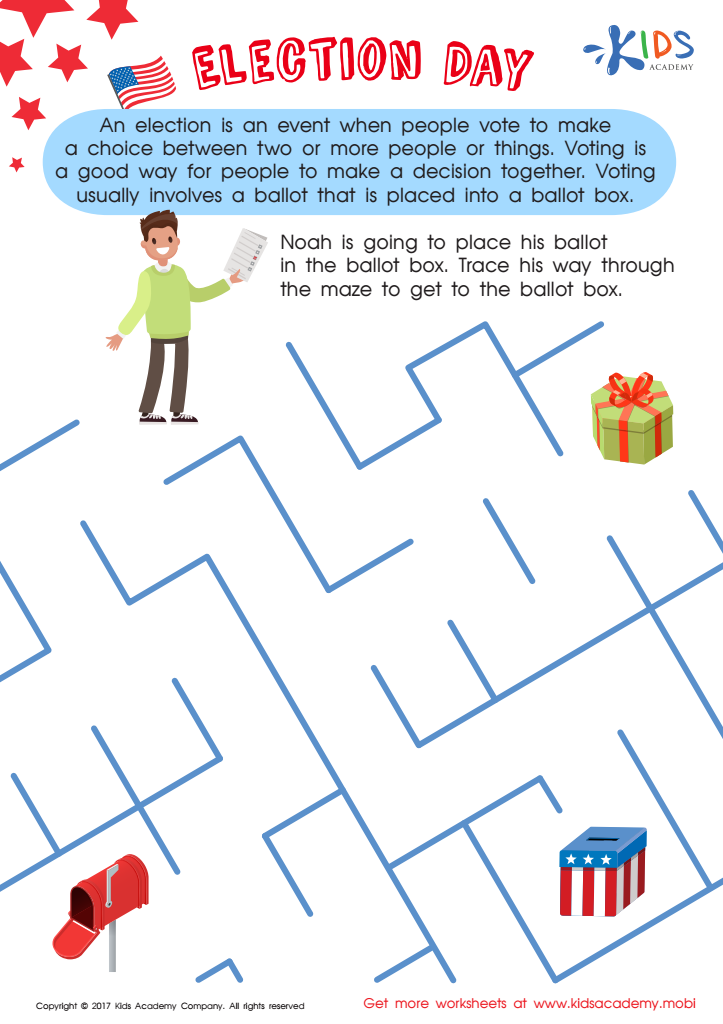
Election Day Worksheet
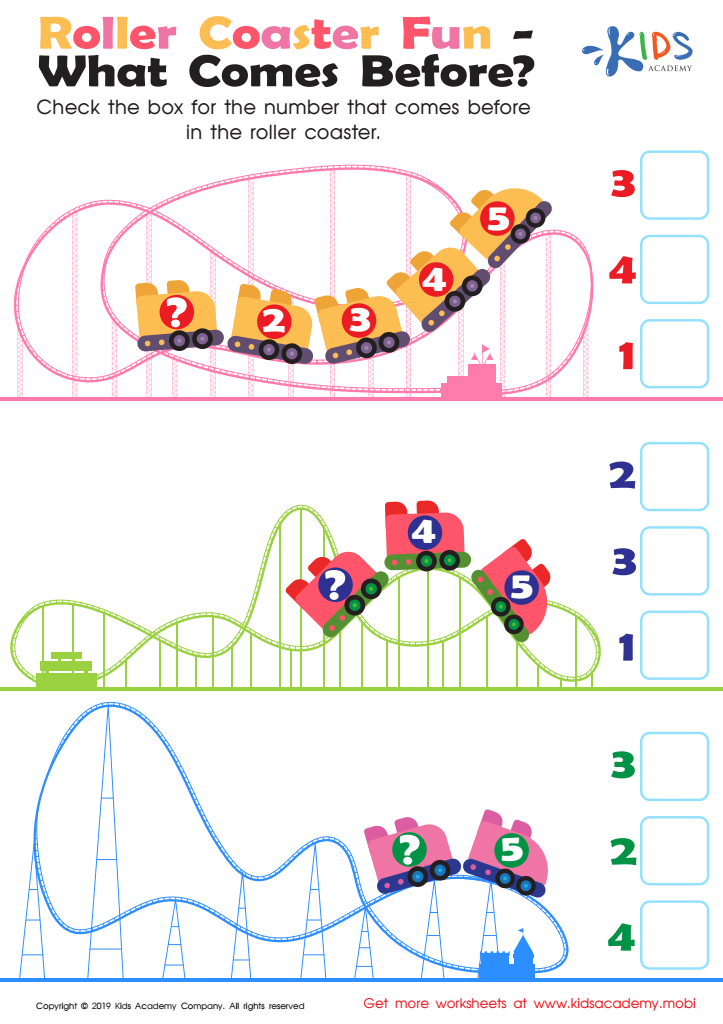
Roller Coaster Fun Worksheet
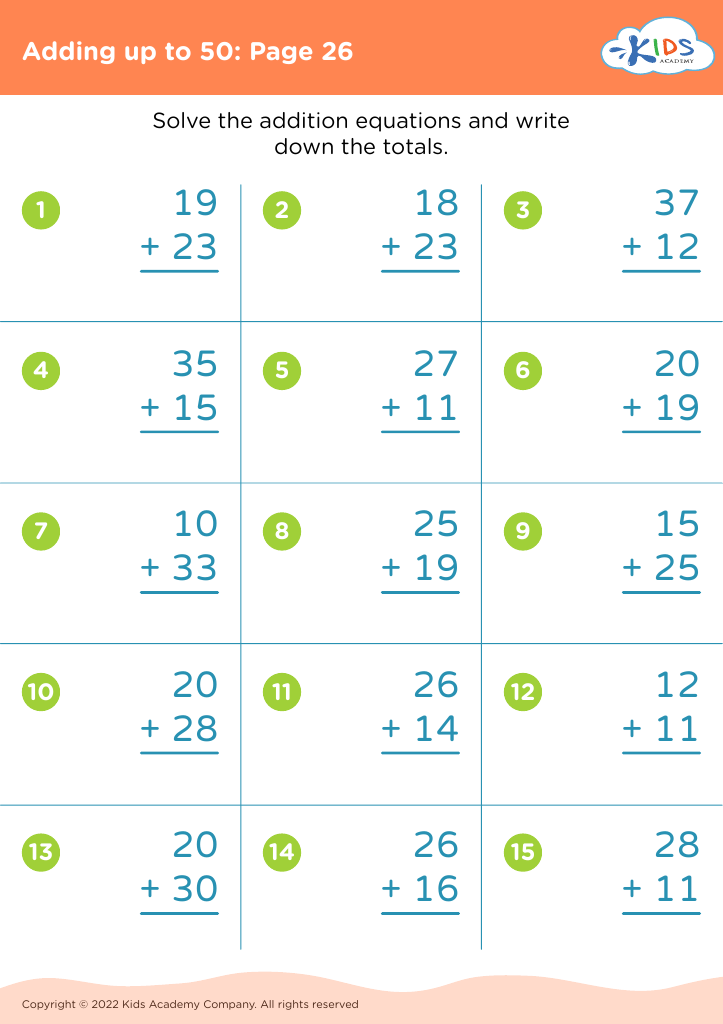
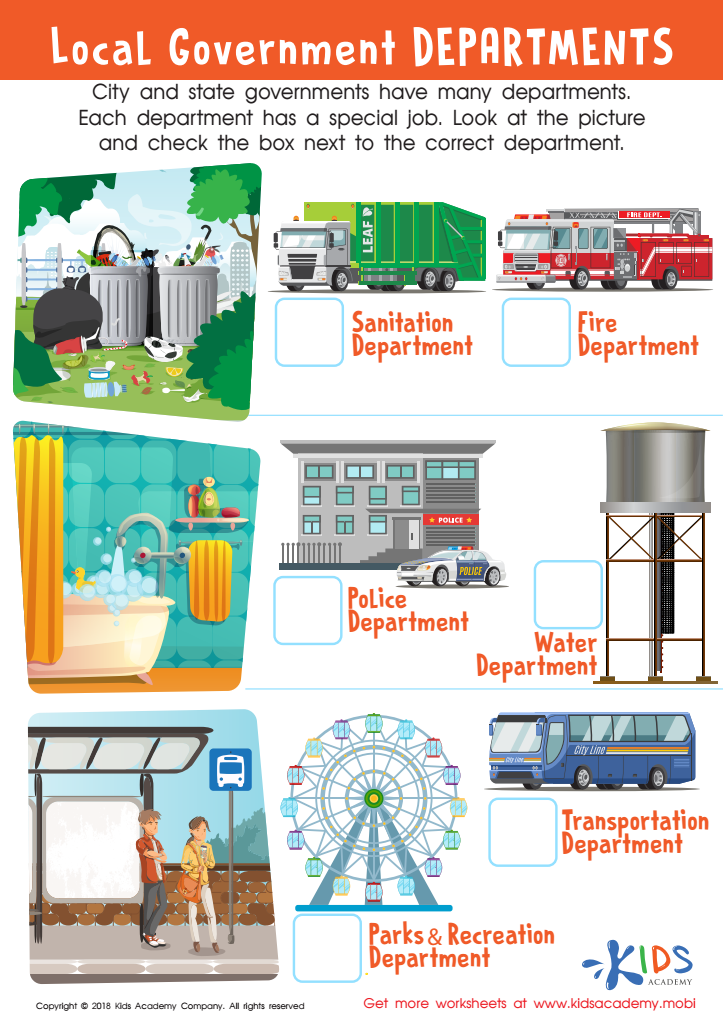
Local Government Departments Worksheet
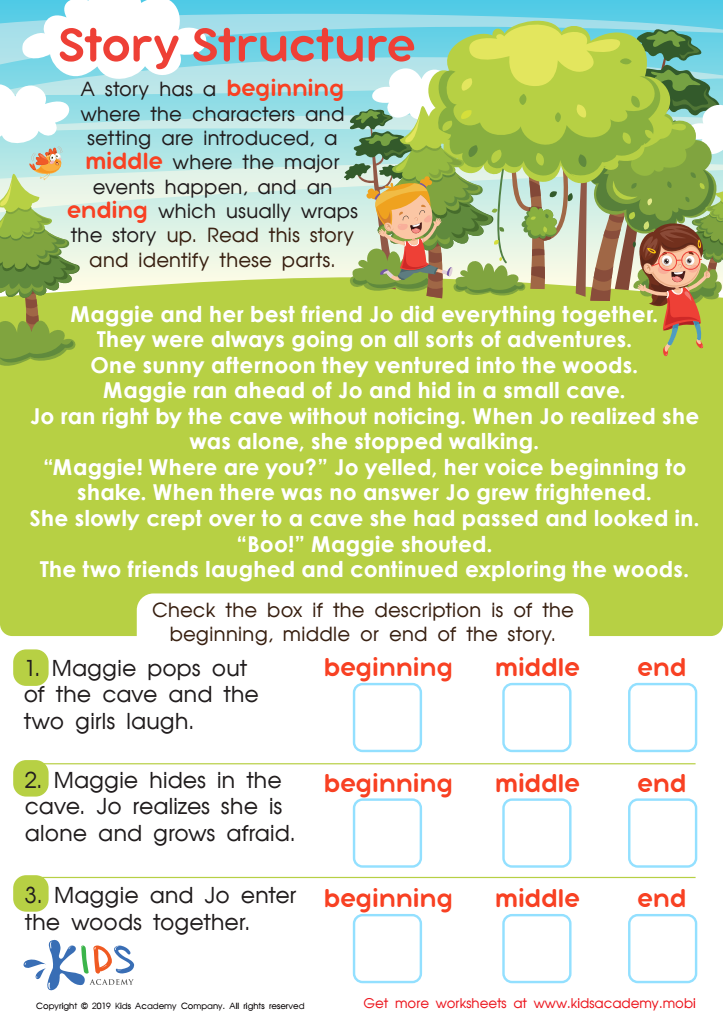
Story Structure Worksheet
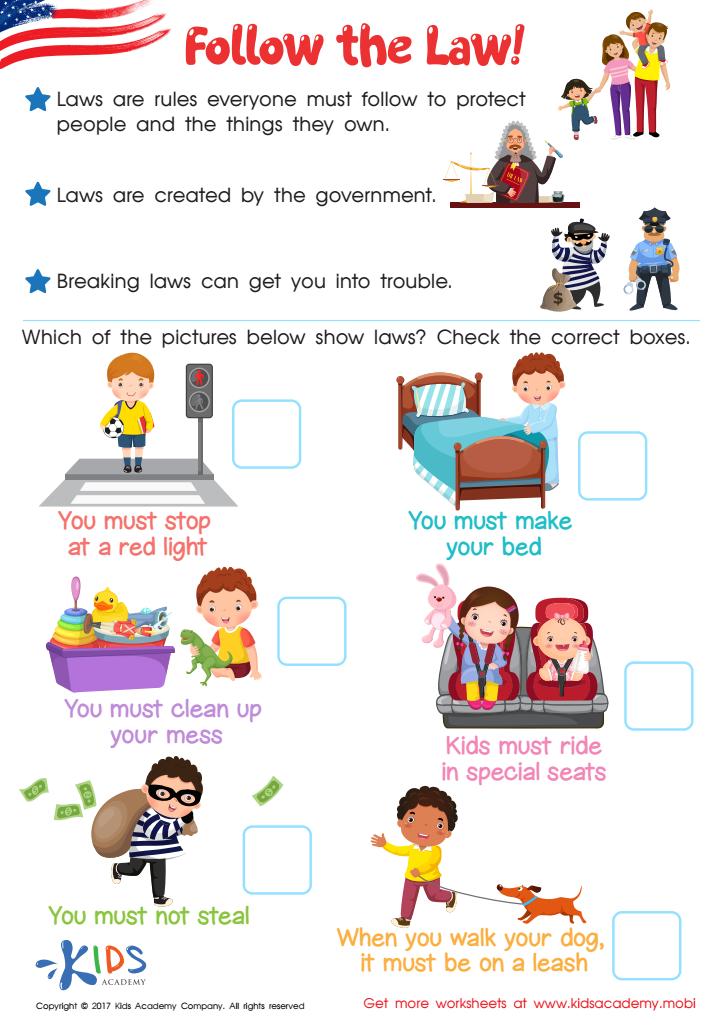
Follow the Law Worksheet
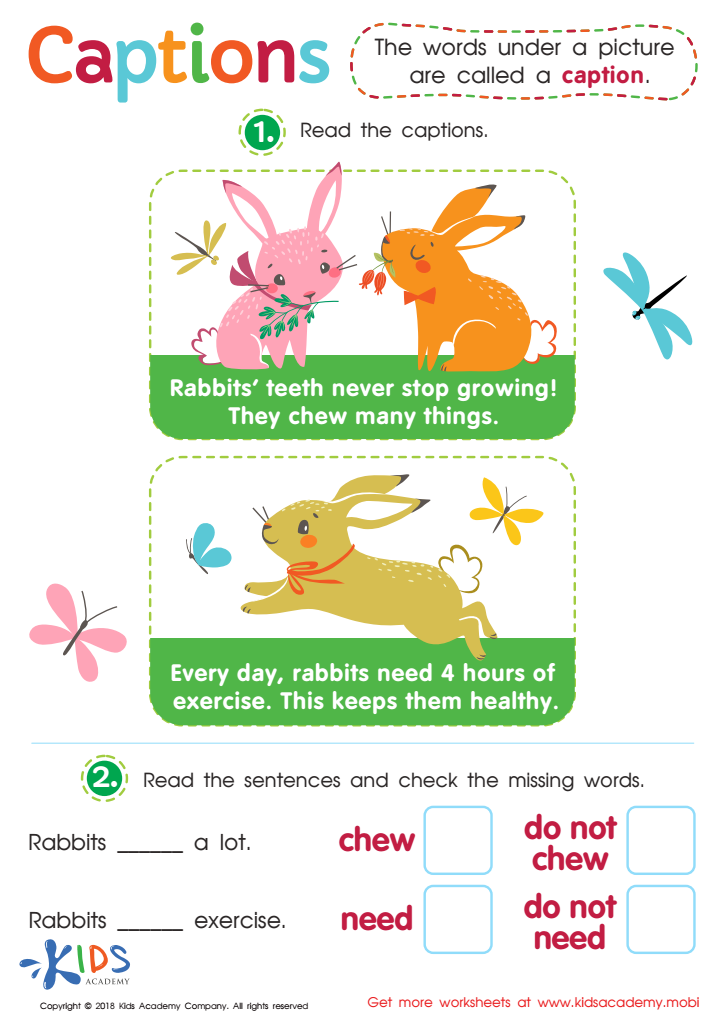
Captions Worksheet

Arctic Animals: Polar Bear Worksheet
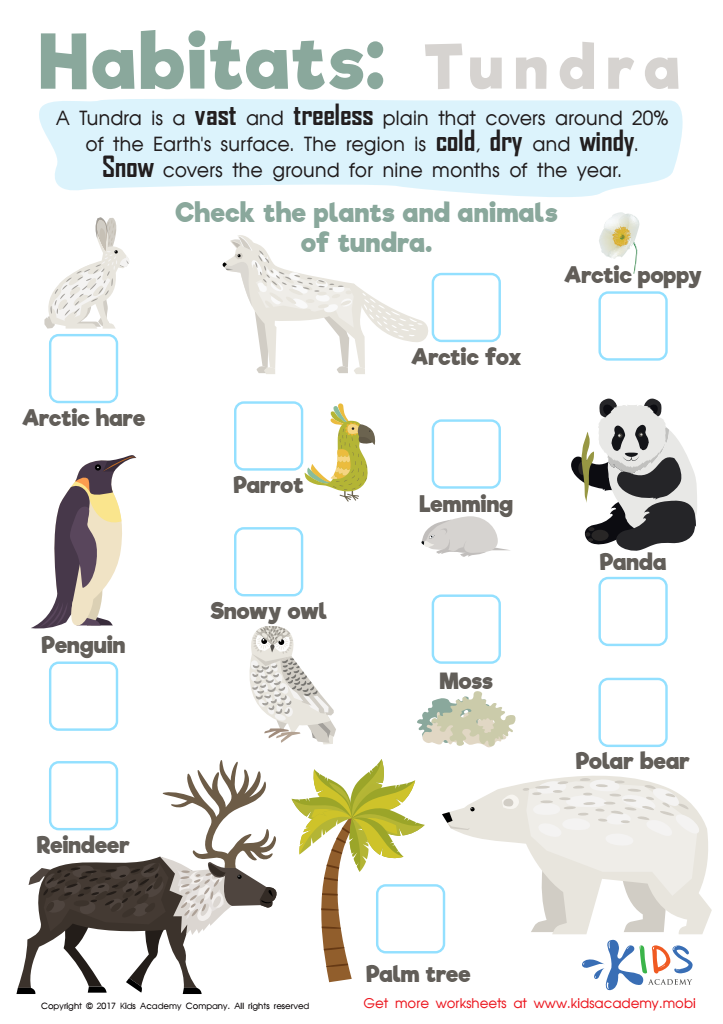
Tundra Habitats Worksheet
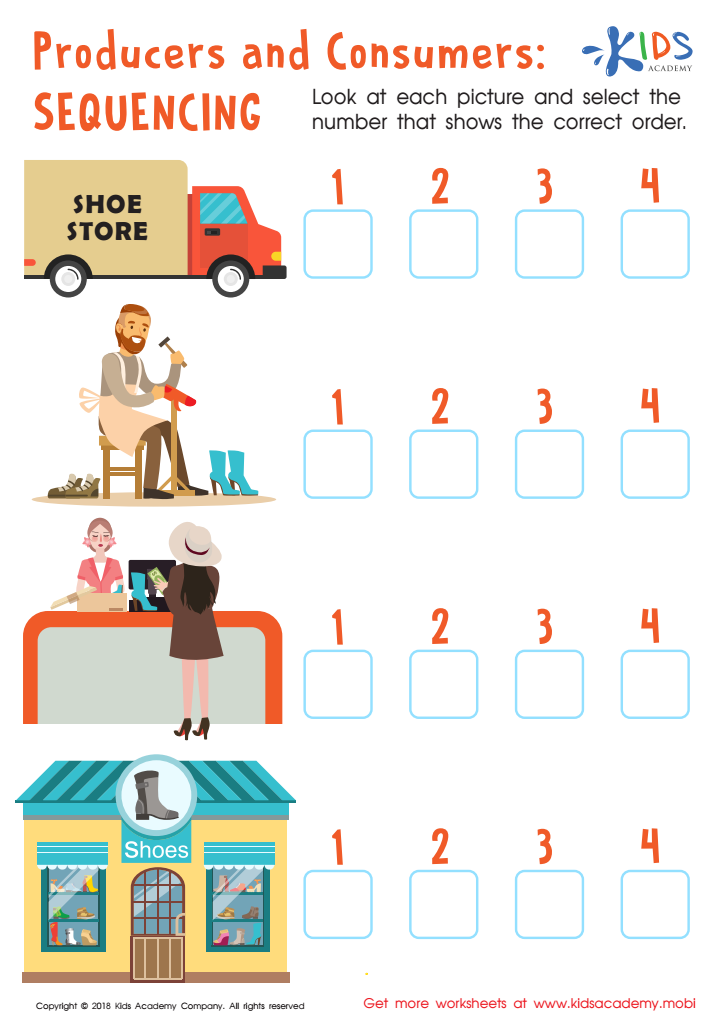
Producers and Consumers: Sequencing Worksheet
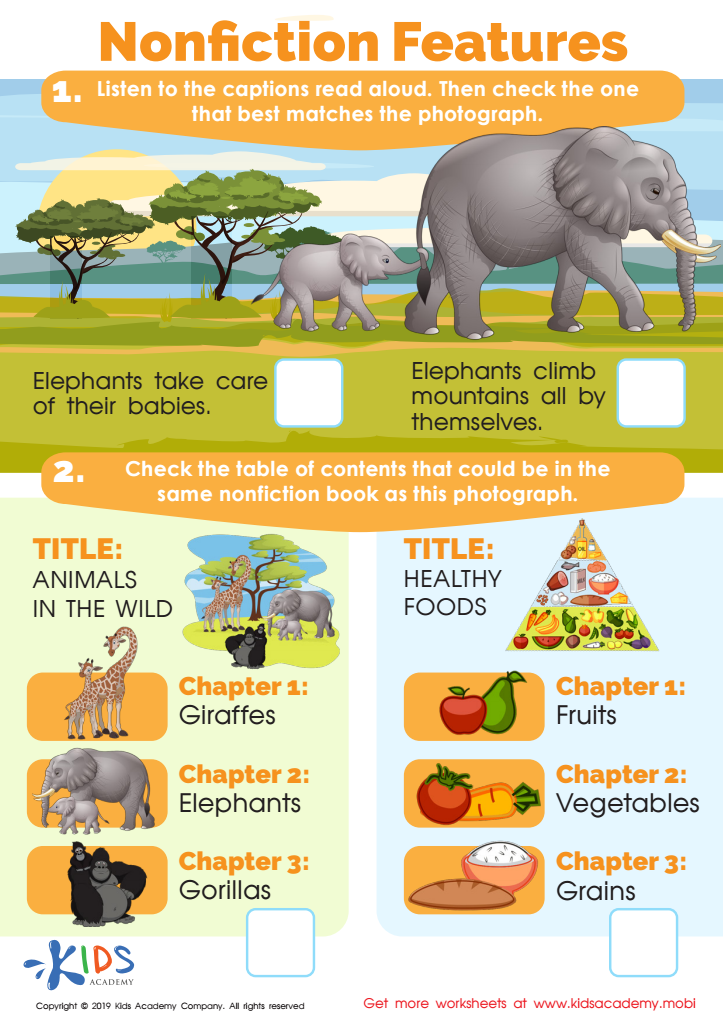
Nonfiction Features Worksheet





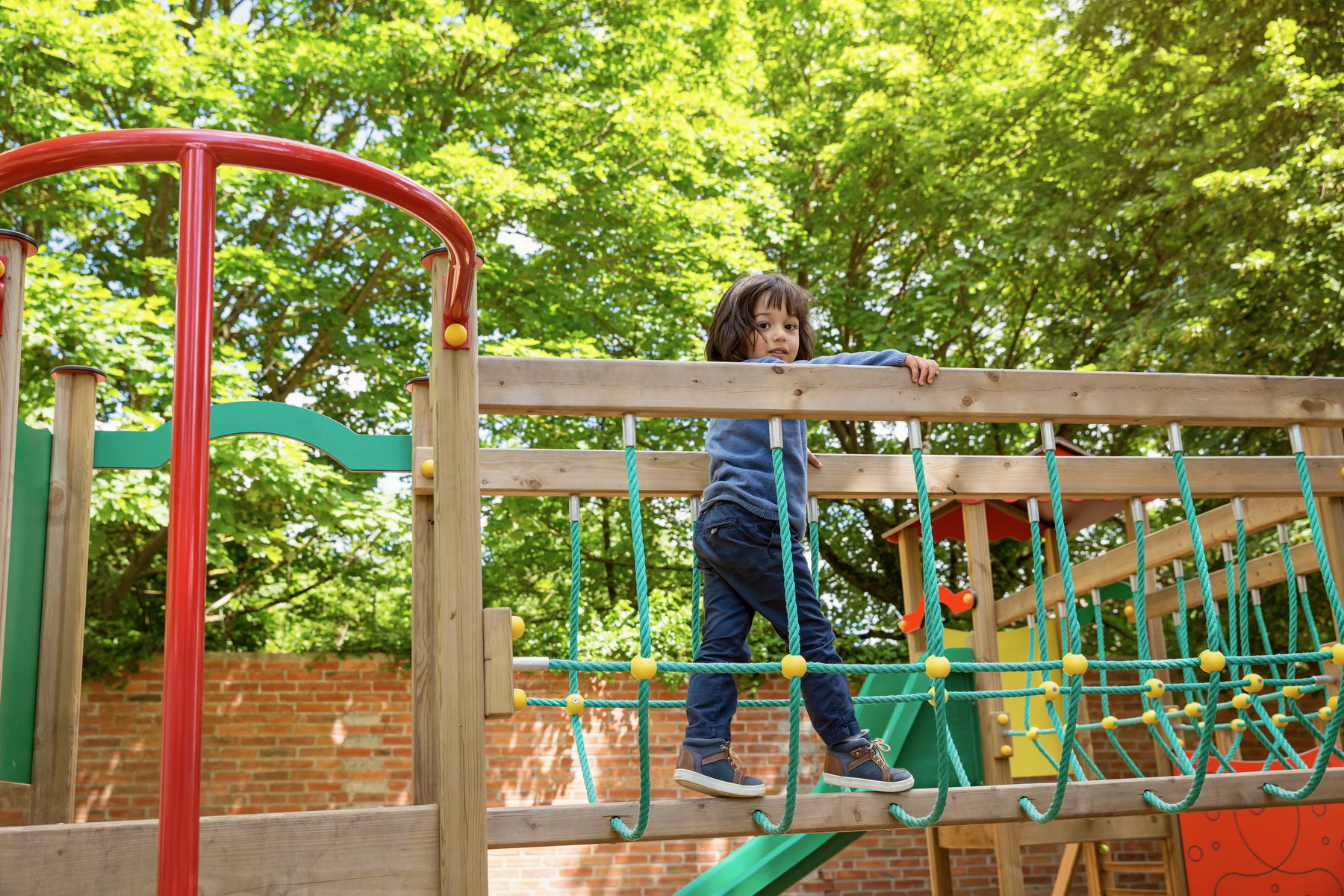
Enhancing reading comprehension in children aged 3-9 is crucial for their overall academic success and lifelong learning skills. Early reading comprehension supports critical thinking, vocabulary development, and cognitive abilities. During this formative stage, children begin to understand stories, identify main ideas, and make connections, which lays the groundwork for later complex literacy tasks.
Parents and teachers should be concerned because strong reading comprehension skills are linked to better performance in all academic subjects. Children who comprehend well are more likely to engage in discussions, relate to diverse texts, and approach reading with confidence. Furthermore, fostering these skills at a young age encourages a love for reading, instilling a habit that often lasts a lifetime.
Moreover, enhancing comprehension can be instrumental in addressing achievement gaps. Children who struggle with understanding text can experience frustration that may lead to disengagement from learning. By actively supporting reading comprehension, teachers and parents can create more inclusive educational environments that cater to diverse learning needs. This investment not only empowers individual children but also contributes to a more literate and informed society. Therefore, focusing on reading comprehension in early childhood is essential for nurturing capable and enthusiastic learners.








