Unlock your child's potential with our "Enhancing Research Skills Worksheets" designed specifically for ages 3-9. These engaging and interactive worksheets help young learners cultivate essential research skills, fostering curiosity and a love for discovery. From simple observation tasks to fun fact-finding missions, our worksheets encourage children to explore their surroundings and delve into exciting topics. Each activity is crafted to be age-appropriate and encourages critical thinking, problem-solving, and creativity. By nurturing their research abilities early on, you equip them with the tools they need to thrive academically. Download our worksheets today and help your child begin their journey of exploration and learning!

Check out this FREE "Enhancing research skills" Trial Lesson for age 3-9!

Compare Numbers with 2 and 3 digits

Favorites
With answer key
Interactive
  • 3-9
  • Enhancing research skills
Ancient Inventions and Discoveries Worksheet

Ancient Inventions and Discoveries Worksheet

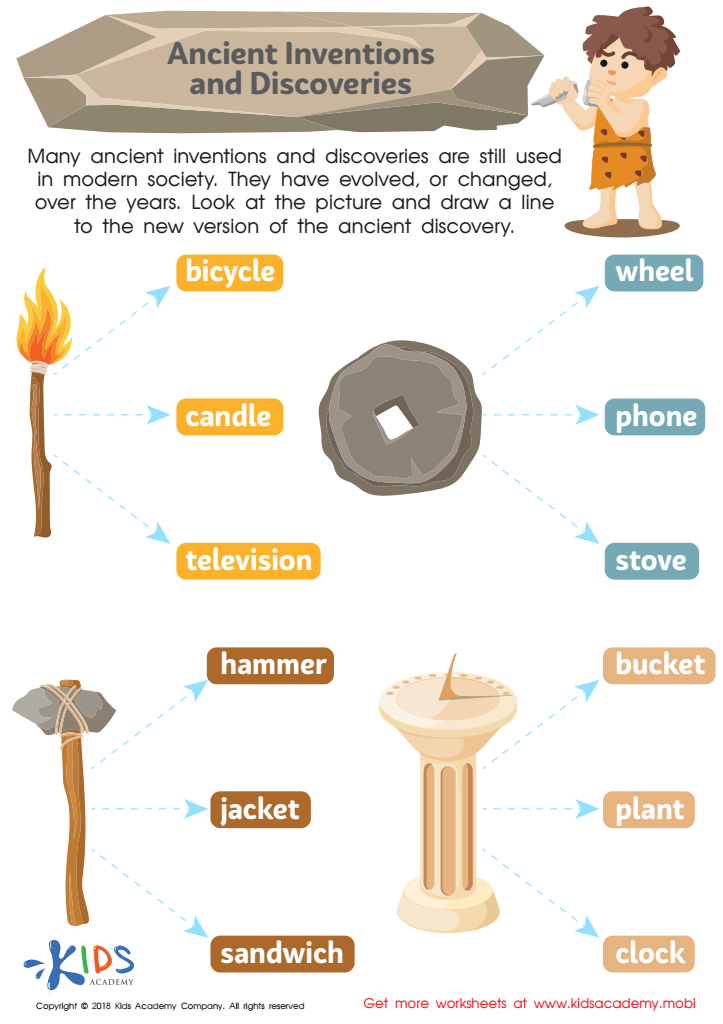
Kids may think inventions are high-tech, but many of the world's most important inventions are ancient! This Kids Academy worksheet helps kids learn about the wheel, clock, tools and candles - inventions that changed the world! Kids will simply review the pictures and trace the dotted lines to the right answers. Great for social studies!
Ancient Inventions and Discoveries Worksheet
Worksheet
Mayors and Governors Worksheet

Mayors and Governors Worksheet

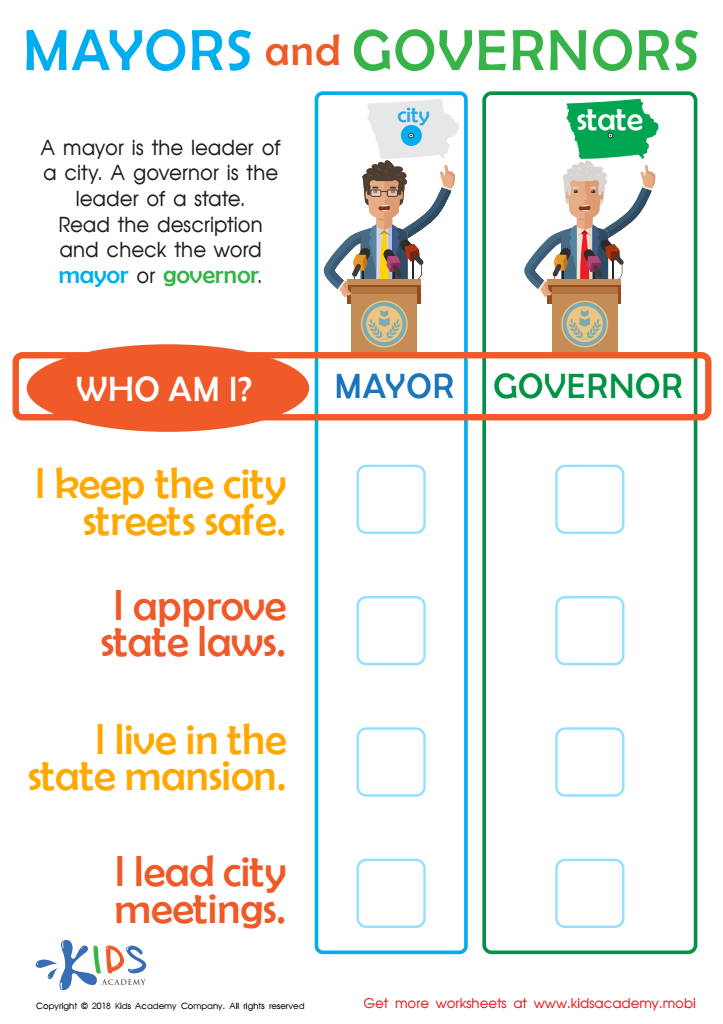
Encourage your children to learn more about your country's leaders. Ask them if they can name your mayor or state's governor. Explain that mayors lead cities, while governors lead states. Read the descriptions out loud to them, and help them identify if it's a mayor or a governor.
Mayors and Governors Worksheet
Worksheet
Invertebrates Worksheet for Grade 3

Invertebrates Worksheet for Grade 3

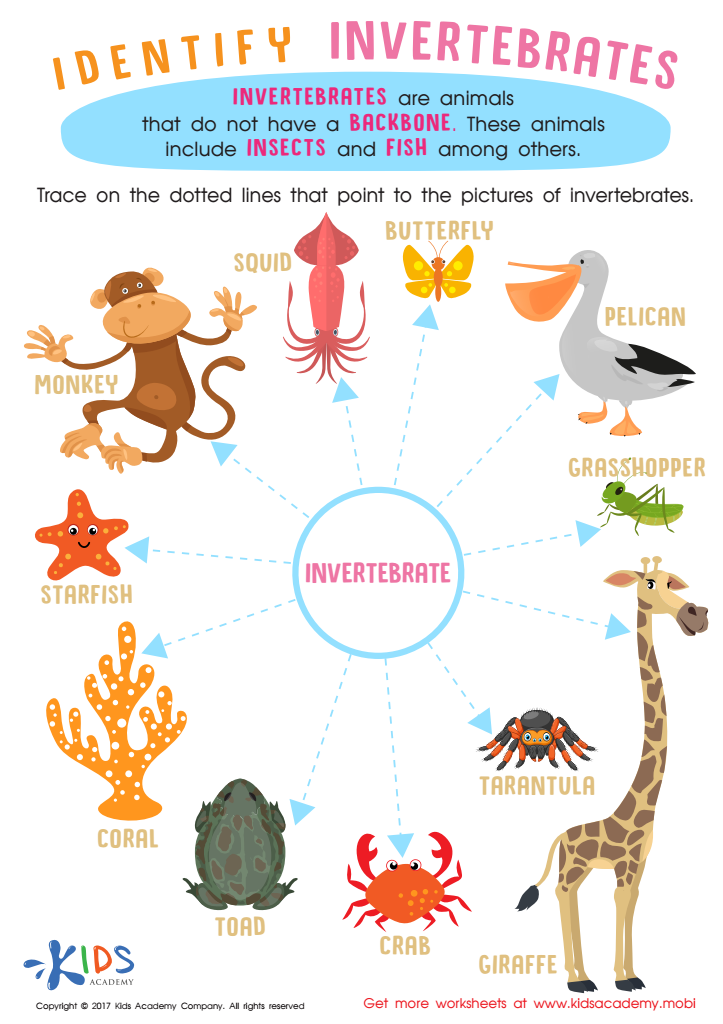
Kids explore the world of invertebrates with this worksheet for grade 3. Invertebrates are animals without a backbone, such as fish and insects. Kids must identify and select them from a group of animals. This activity is sure to stimulate their curiosity and help them discover more about these remarkable creatures.
Invertebrates Worksheet for Grade 3
Worksheet
Vitamin C worksheet
Vitamin C worksheet

Vitamin C Worksheet

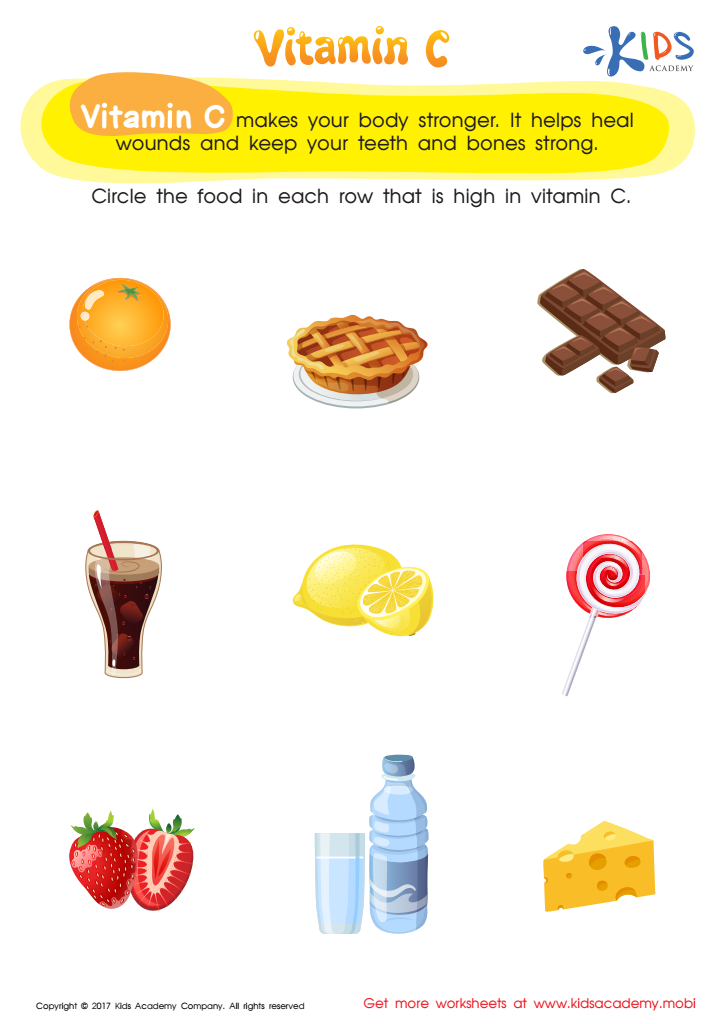
Kids need vitamins to stay strong and healthy. This worksheet will help them identify foods high in vitamin C and make them crave healthy options.
Vitamin C Worksheet
Worksheet
Comparing Biodiversity: Rainforest Animals Worksheet

Comparing Biodiversity: Rainforest Animals Worksheet

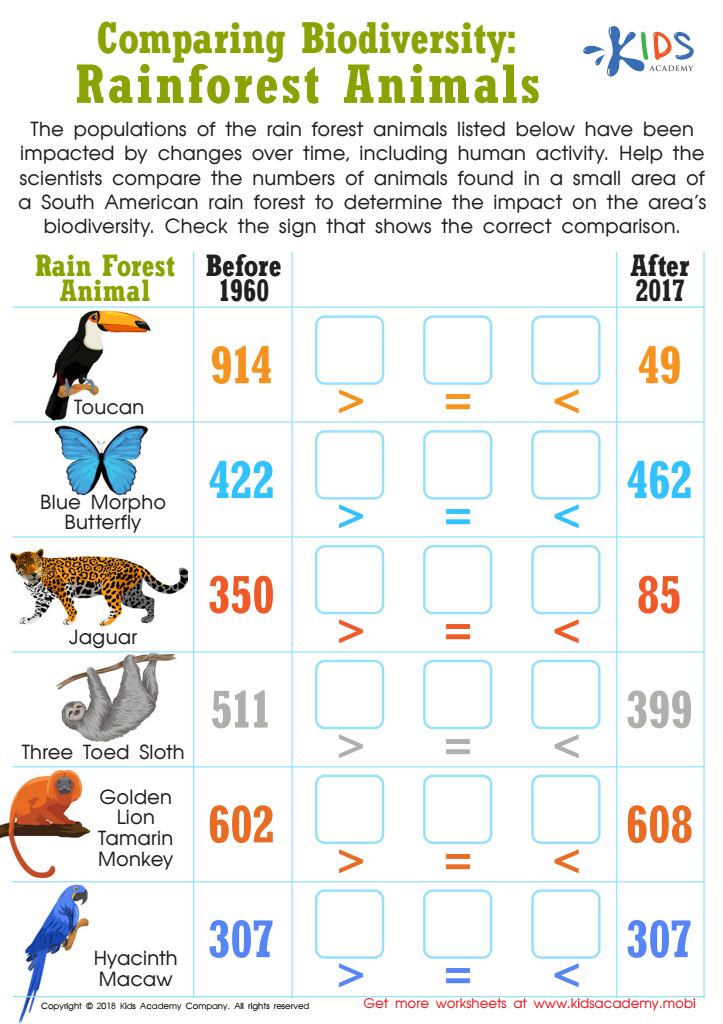
This dynamic PDF worksheet combines fun and education. Kids will explore rainforest animals and biodiversity, comparing numbers from 1960 to 2017. They'll strengthen number sense and reasoning skills while learning about area biodiversity and its effects. A perfect mix of math and social science!
Comparing Biodiversity: Rainforest Animals Worksheet
Worksheet
Water World Worksheet

Water World Worksheet

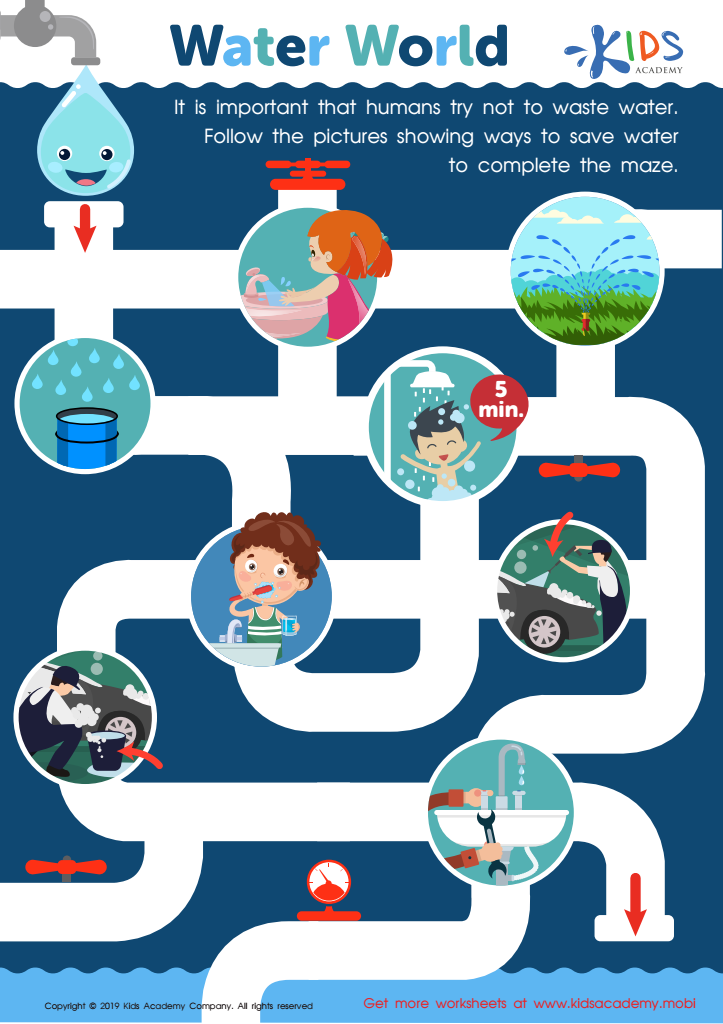
Water is a vital necessity for living. Our bodies depend on it to stay healthy and survive. When we don't drink enough water, we become thirsty and run the risk of getting sick. Luckily, our planet is full of water and natural sources to stay hydrated. To prevent water waste, use this worksheet to teach your students how to conserve it and complete the maze.
Water World Worksheet
Worksheet


Enhancing research skills in children aged 3-9 is vital for their cognitive development, critical thinking, and lifelong learning. At this stage, children are naturally curious about the world around them. By nurturing their ability to research, we encourage them to ask questions, seek answers, and explore topics that interest them, laying a foundation for academic success.

Research skills also promote independent thinking. As children learn how to find information—through books, reputable websites, or hands-on experiences—they develop problem-solving abilities and learn to verify the accuracy of the information they encounter. This is foundational for the digital age, where they will need to sift through vast amounts of information.

Moreover, enhancing research skills during these formative years fosters a love for learning. When children engage actively with topics they find intriguing, they become more motivated and invested in their education. By integrating research skills into early learning environments, parents and teachers can cultivate inquisitive minds that are better prepared to tackle more complex subjects in the future.

Ultimately, supporting research skills during this crucial developmental stage helps children become informed, analytical, and self-directed learners, equipping them with essential tools for both academic and personal growth.