Handwriting practice Worksheets for Ages 3-9 - Page 4
96 filtered results
-
From - To
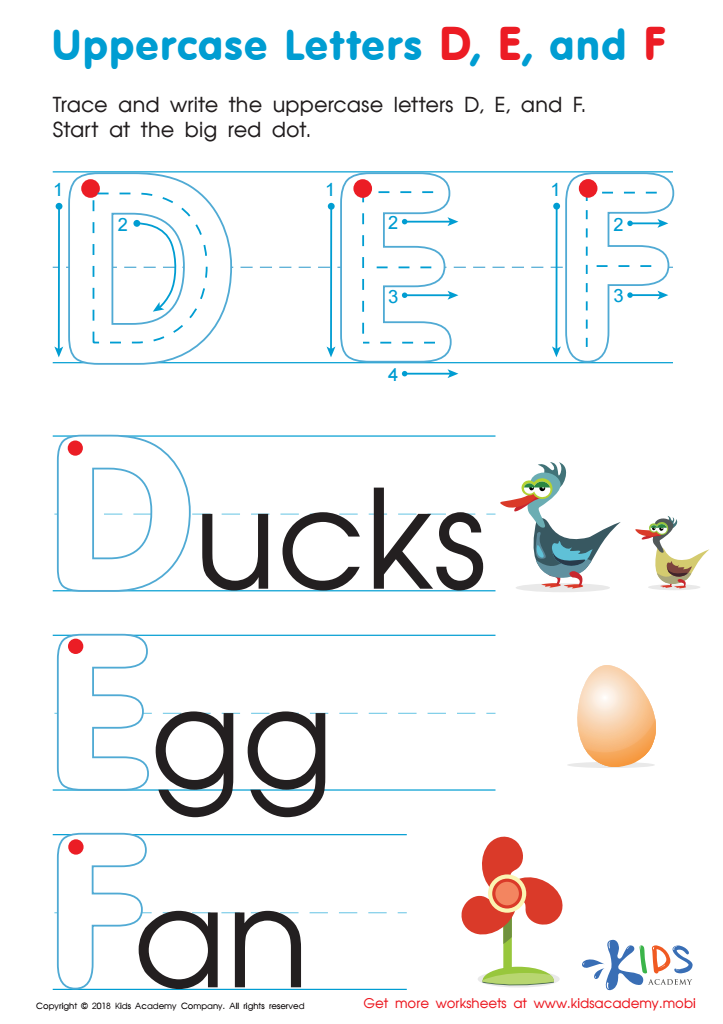
Uppercase Letters D, E, and F Worksheet
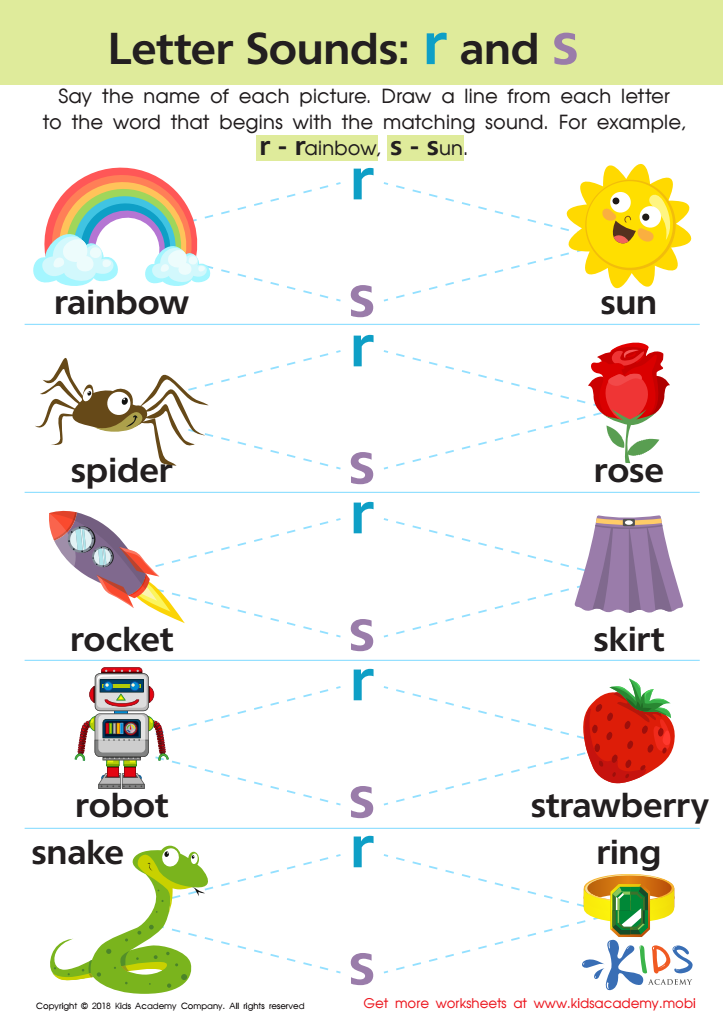
Letter R and S Sounds Worksheet

Brown Tracing Color Words Worksheet
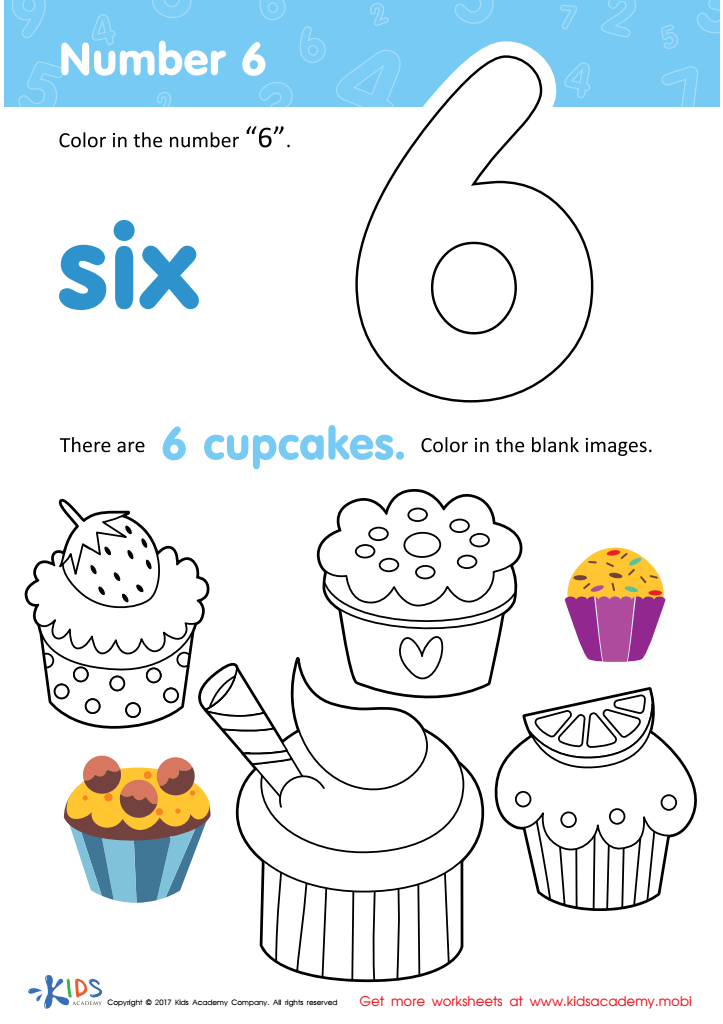
Number 6 Worksheet
 Assign to My Students
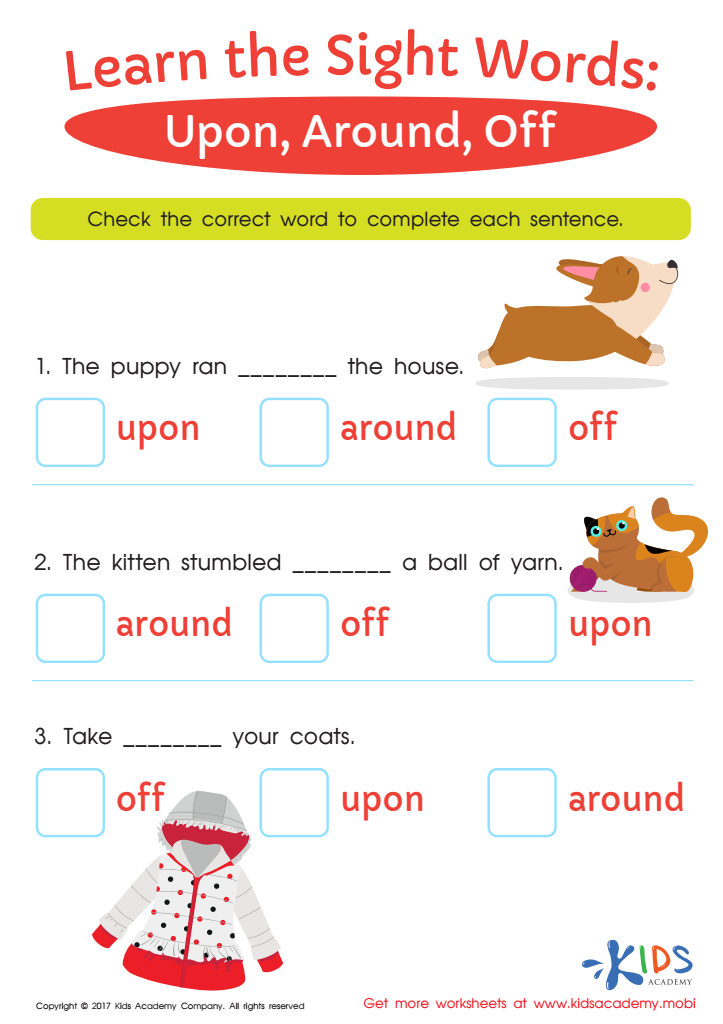
Upon, Around, Off Sight Words Worksheet
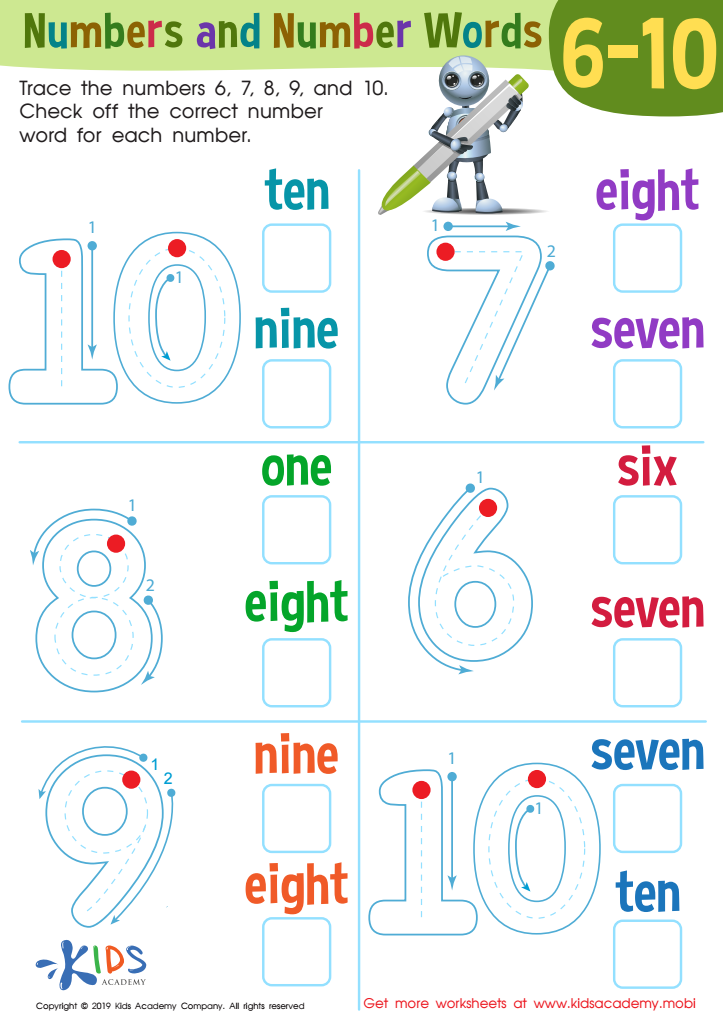
Numbers and Number Words 6–1 Worksheet
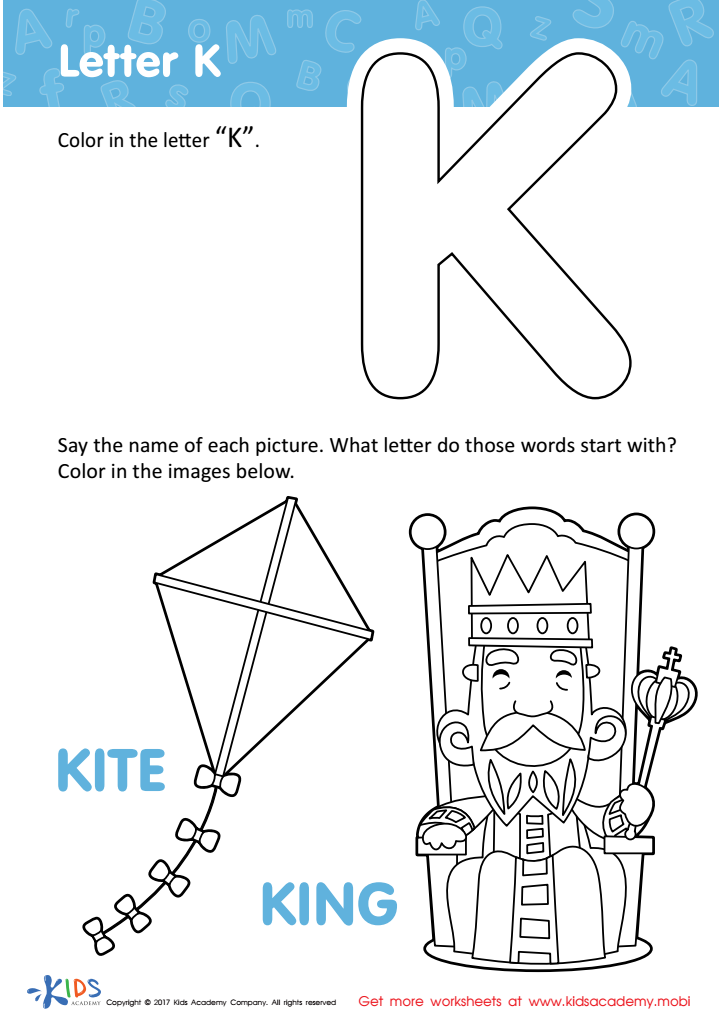
Letter K Coloring Sheet
Assign to My Students
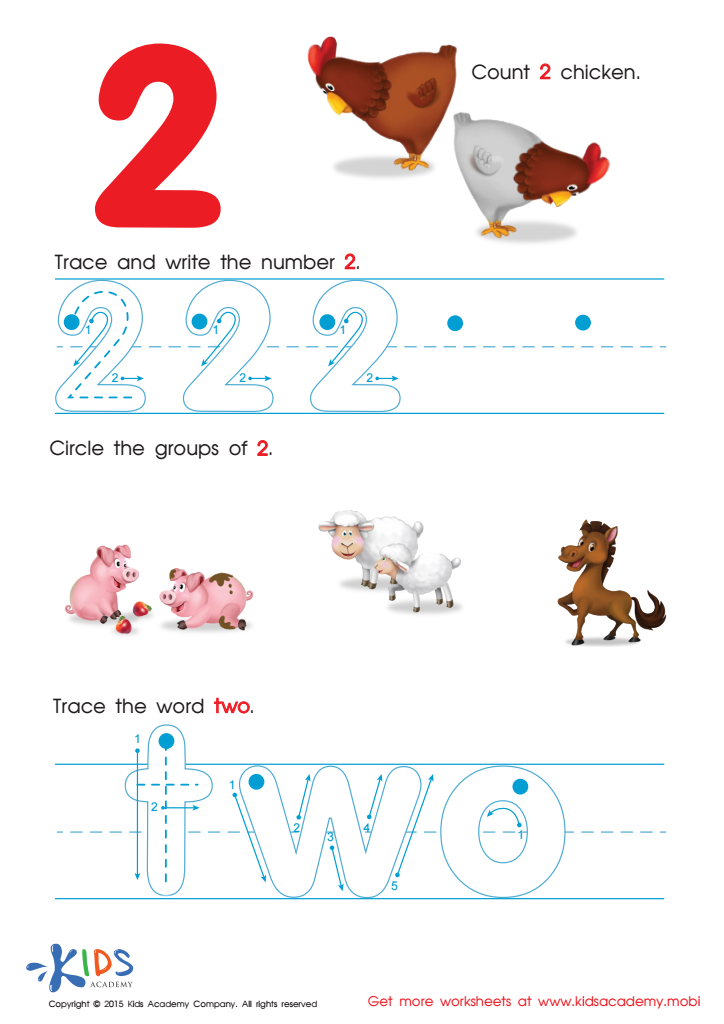
Learn to Write the Number 2 Worksheet

Count the Mushrooms and Trace the Number 3 Printable

Uppercase Letters Y Z Worksheet

Lowercase Letters g h i Worksheet
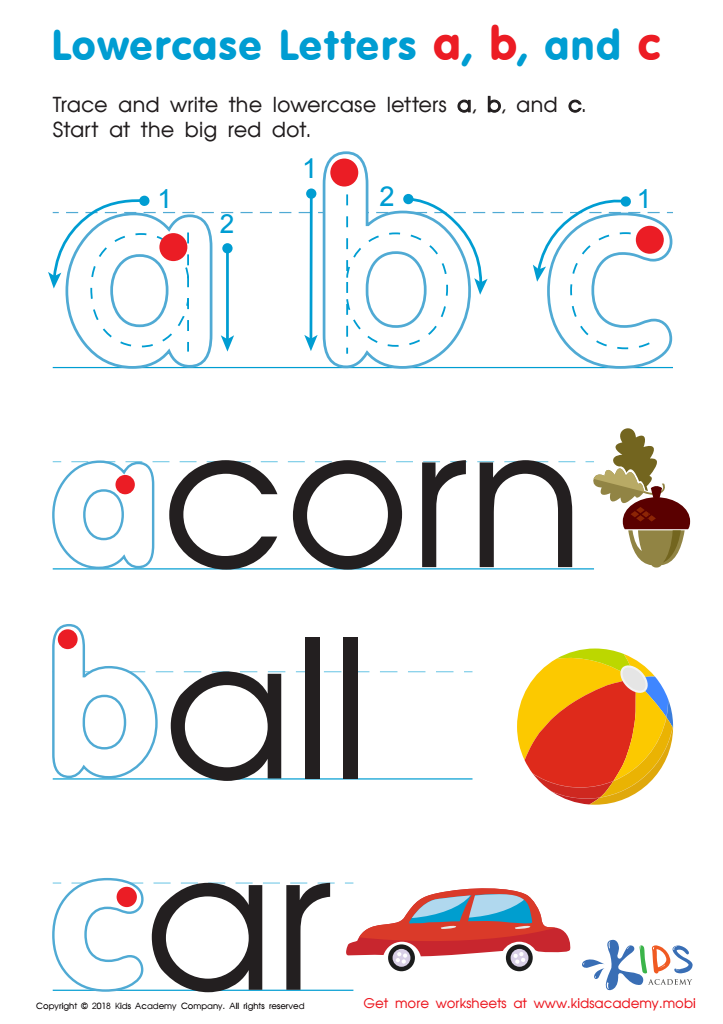
Lowercase Letters a b c Worksheet

Lowercase Letters v w x Worksheet
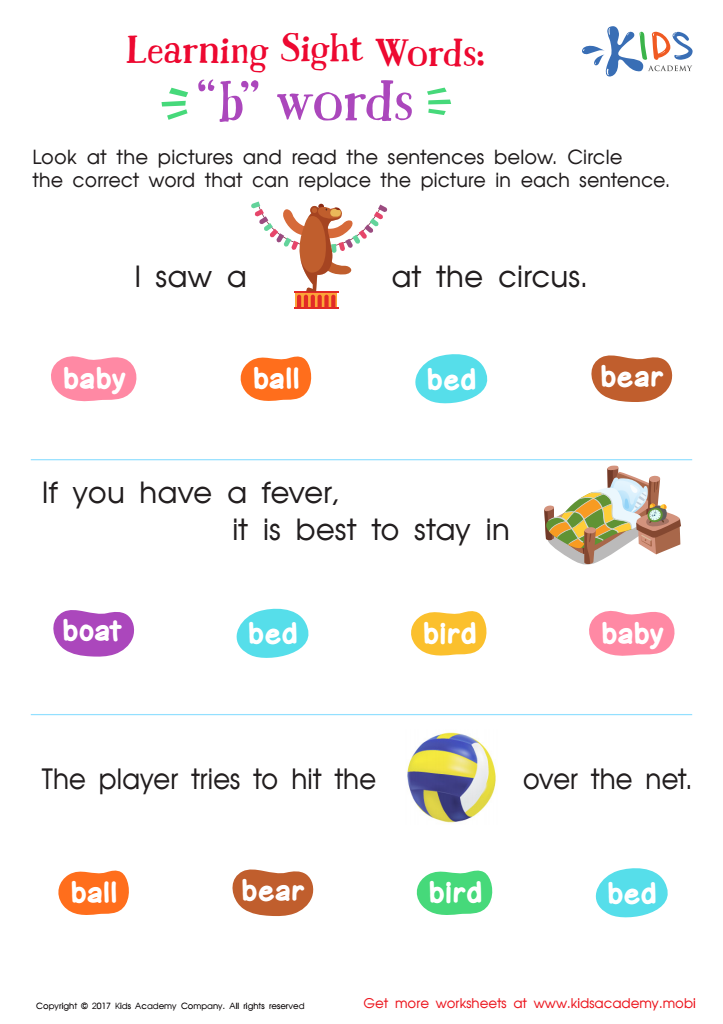
"B" Words Printable Sight Words Worksheet
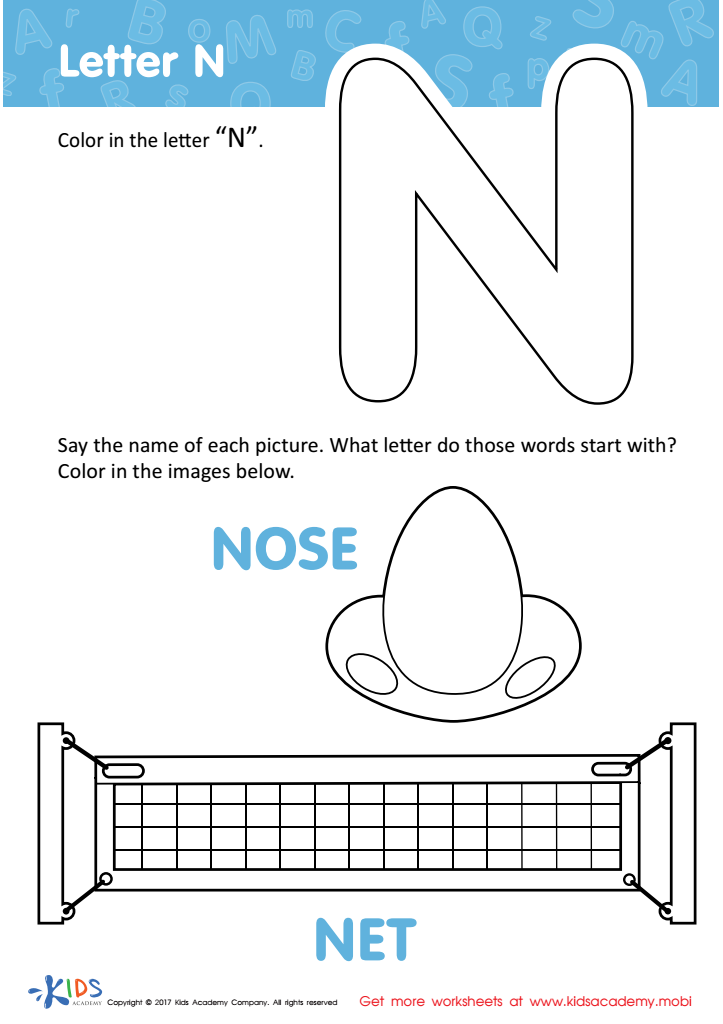
Letter N Coloring Sheet
Assign to My Students
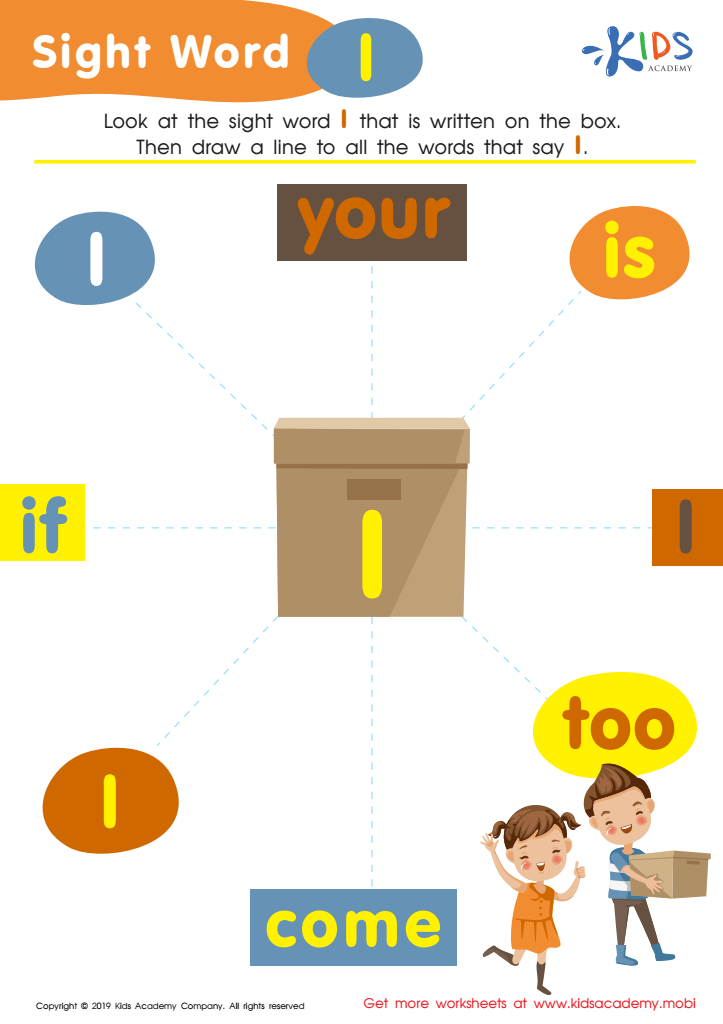
Sight Word I Worksheet
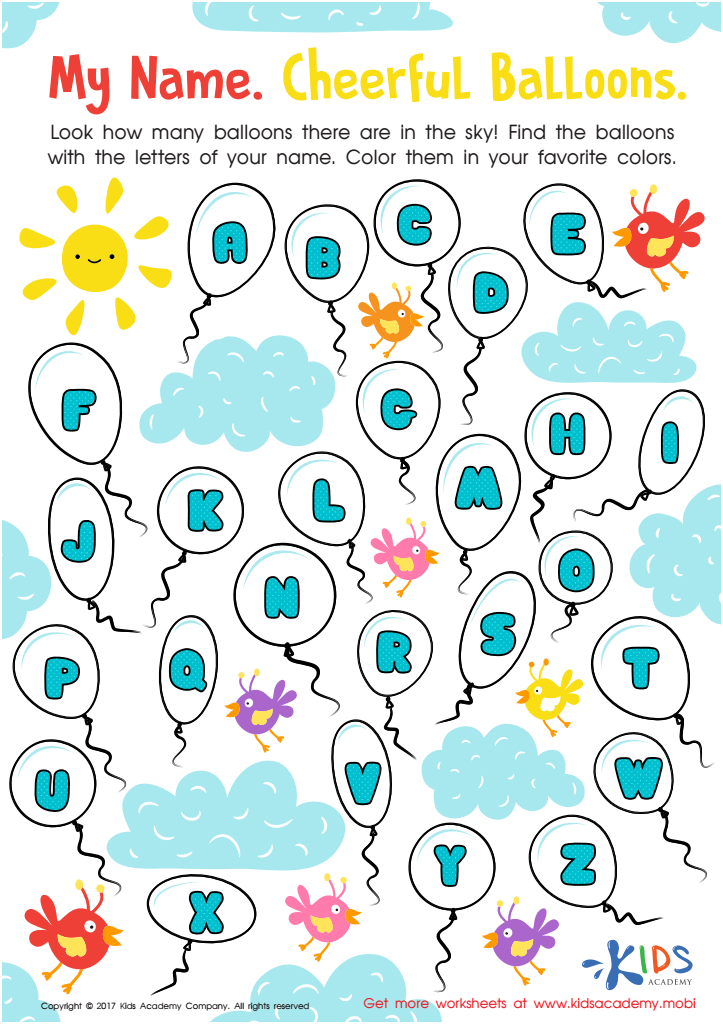
My Name: Cheerful Balloons Worksheet
Assign to My Students
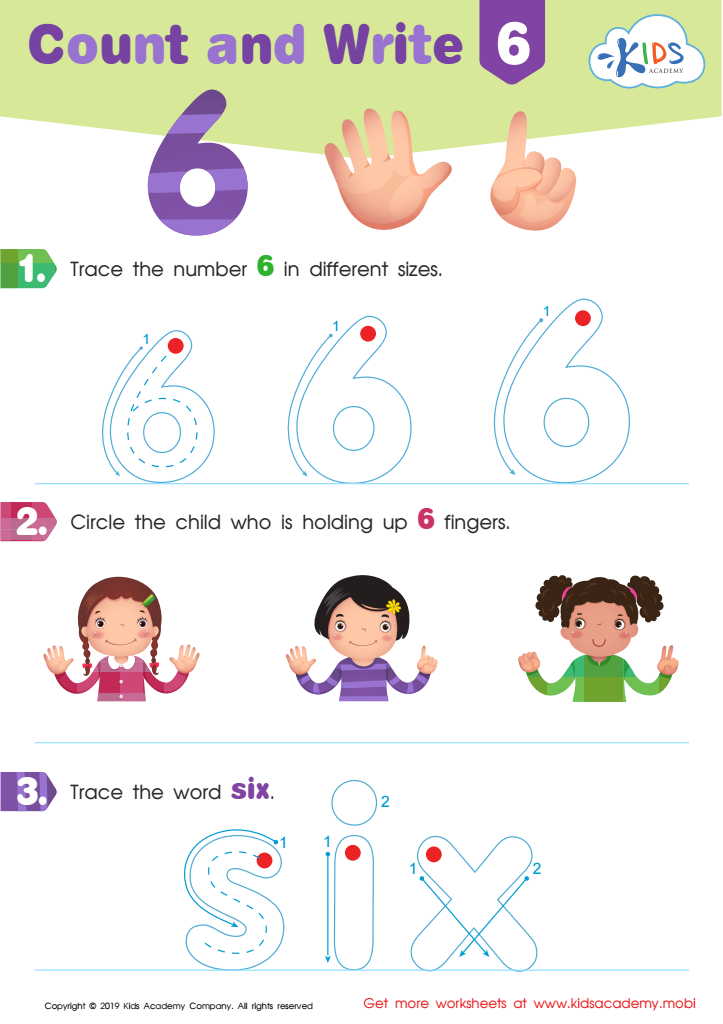
Count and Write 6 Worksheet
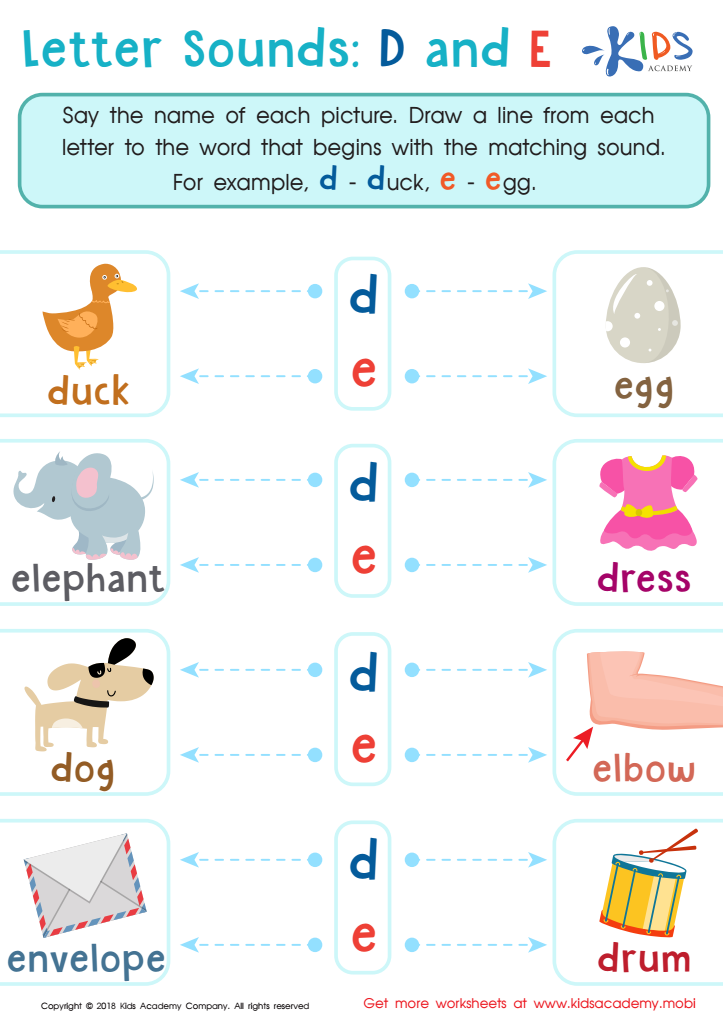
Letter D and E Sounds Worksheet
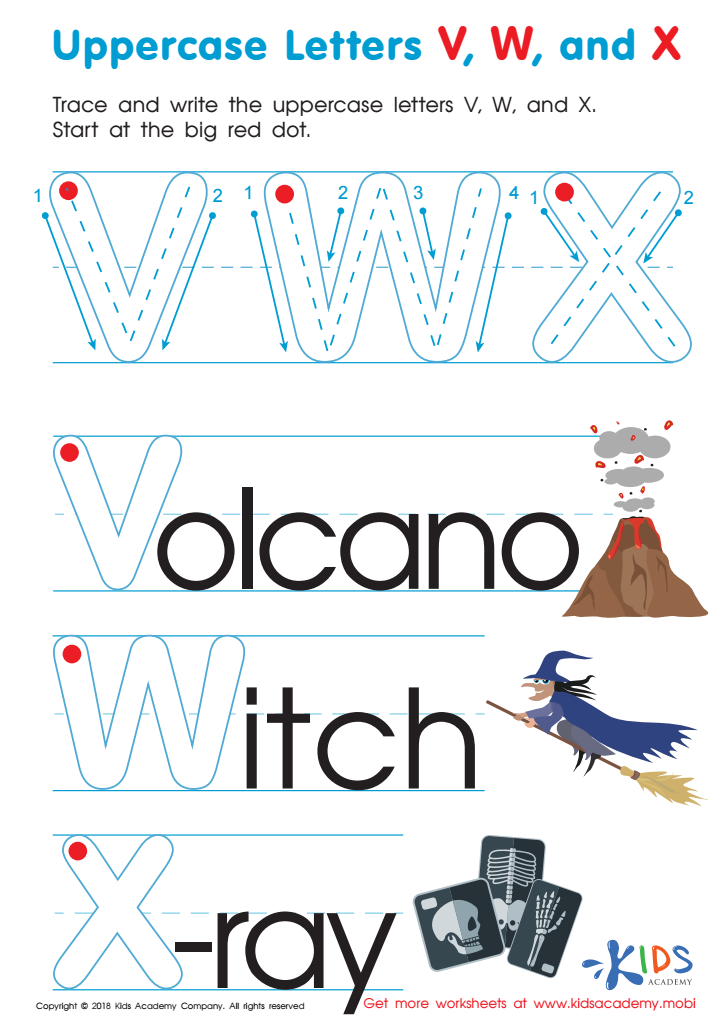
Uppercase Letters V, W, and X Worksheet
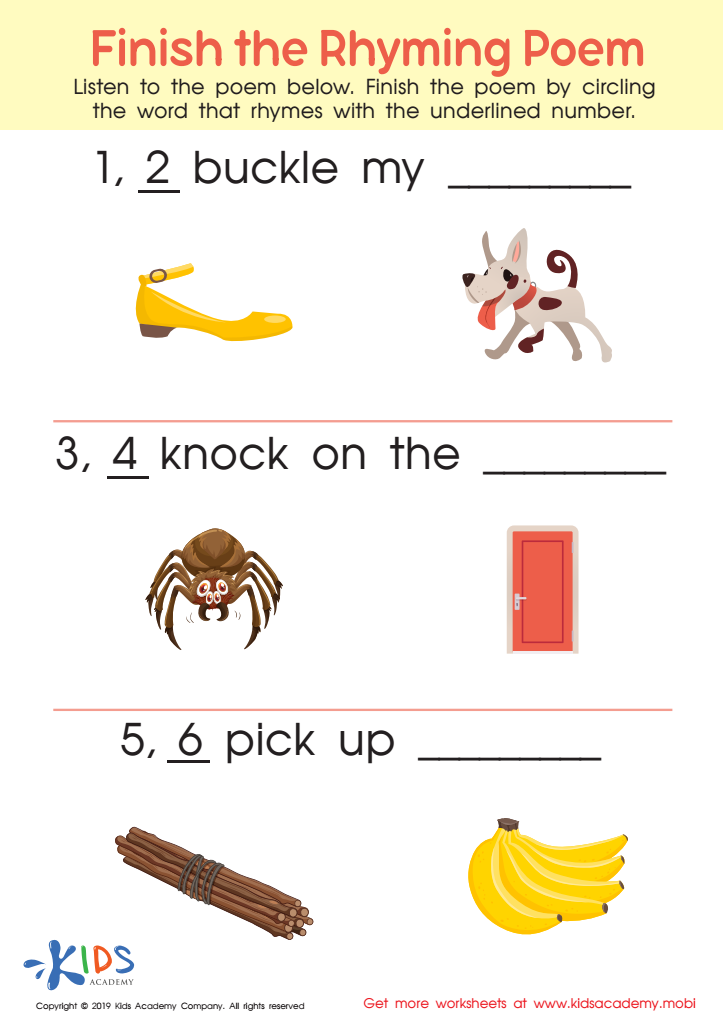
Finish Rhyming Poem Worksheet
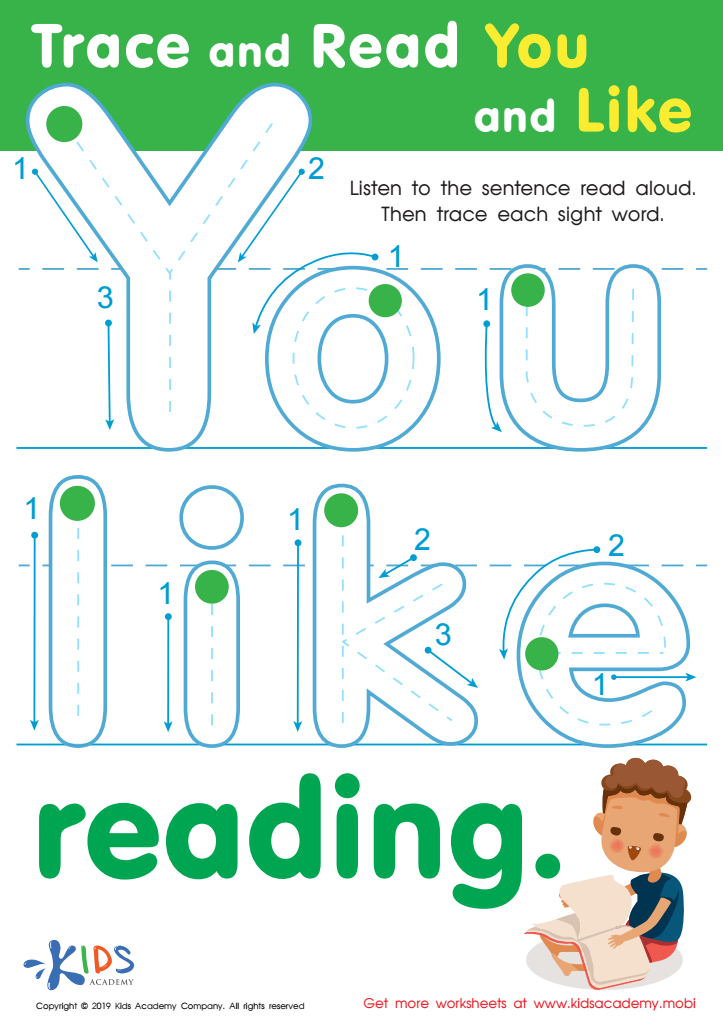
Trace Read You Like Worksheet
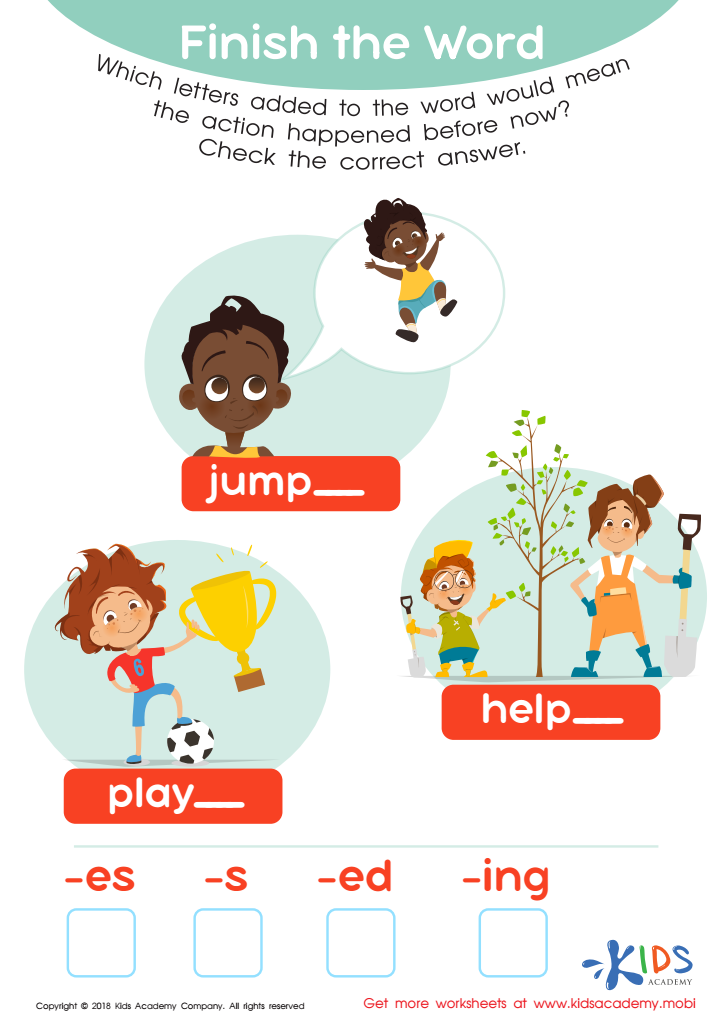
Finish the Word Worksheet







Handwriting practice for children aged 3-9 is crucial for numerous reasons. Firstly, it helps develop fine motor skills, which are essential for various everyday tasks, from zippering a coat to using kitchen utensils. During these formative years, children are honing their hand-eye coordination and dexterity; practicing handwriting translates directly into these skills.
Secondly, handwriting impacts cognitive development. Research indicates that writing by hand aids memory retention and understanding. As children physically form letters, they process the information more deeply, enhancing their literacy skills.
Moreover, handwriting fosters self-esteem and independence. When children can write legibly, they take pride in their ability to communicate effectively through words, whether in writing a letter to a loved one or composing a school assignment.
Additionally, early handwriting skills are closely linked to academic success. Children who struggle with writing may find it challenging to express their ideas clearly, leading to frustration and disengagement. By supporting handwriting practice, parents and teachers can lay a strong foundation for their child’s educational journey, promoting confidence and willingness to participate actively in learning activities. Investing time in handwriting practice is investing in a child’s overall development and future success.








