Historical Knowledge Worksheets for Ages 3-9 - Page 2
38 filtered results
-
From - To
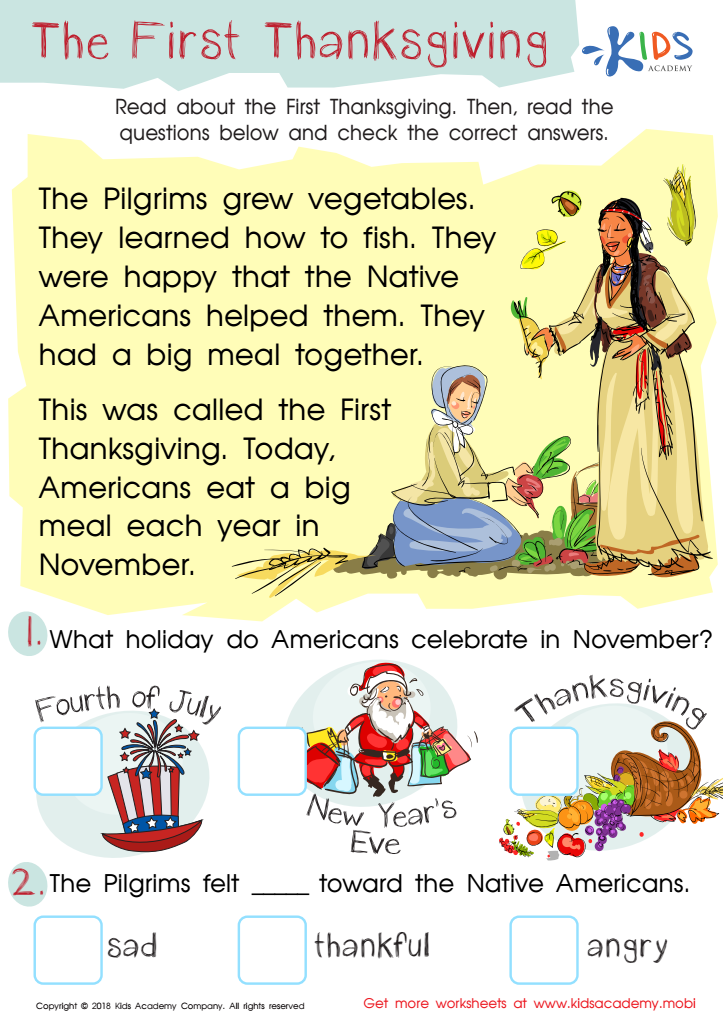
Assessment: First Thanksgiving Worksheet
 Assign to My Students
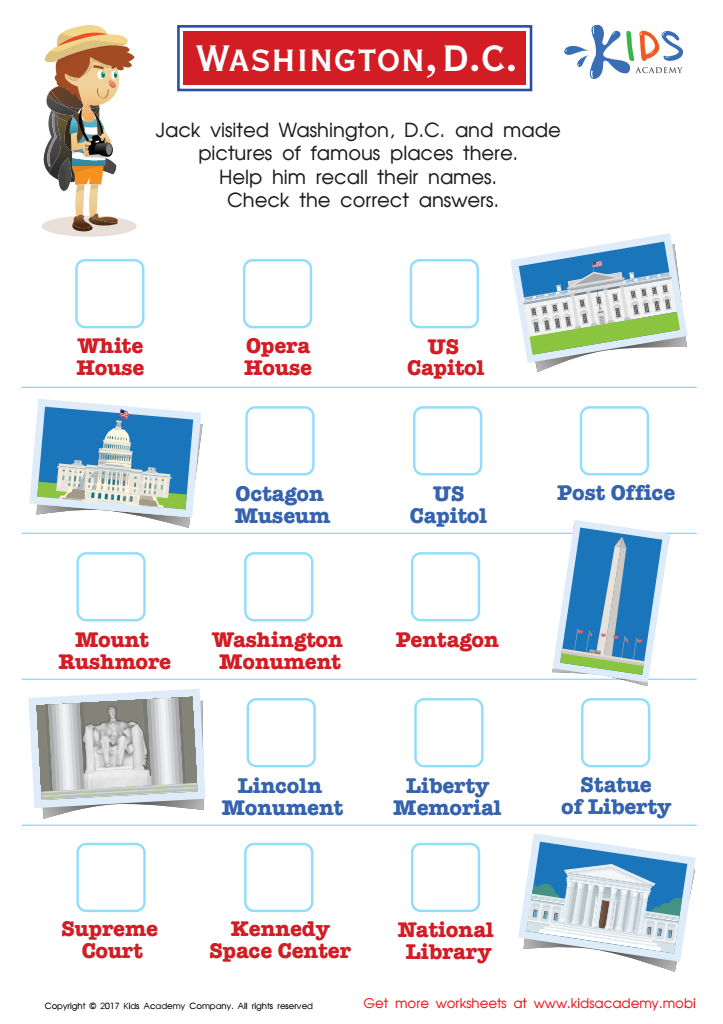
Washington D.C. Printable Worksheet
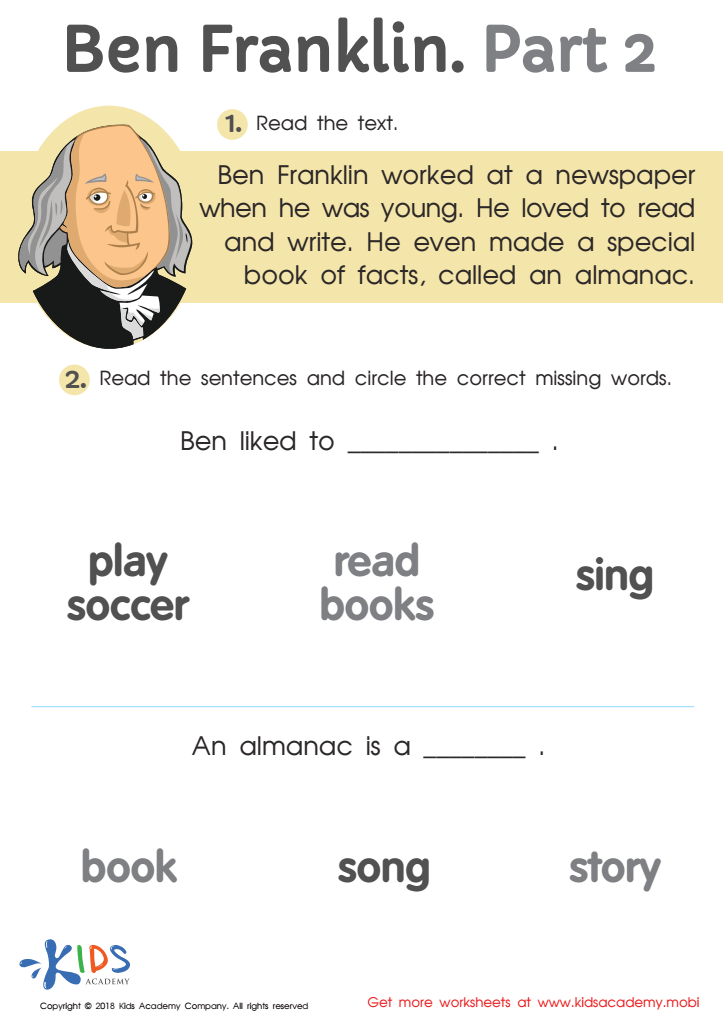
Ben Franklin Part 2 Worksheet
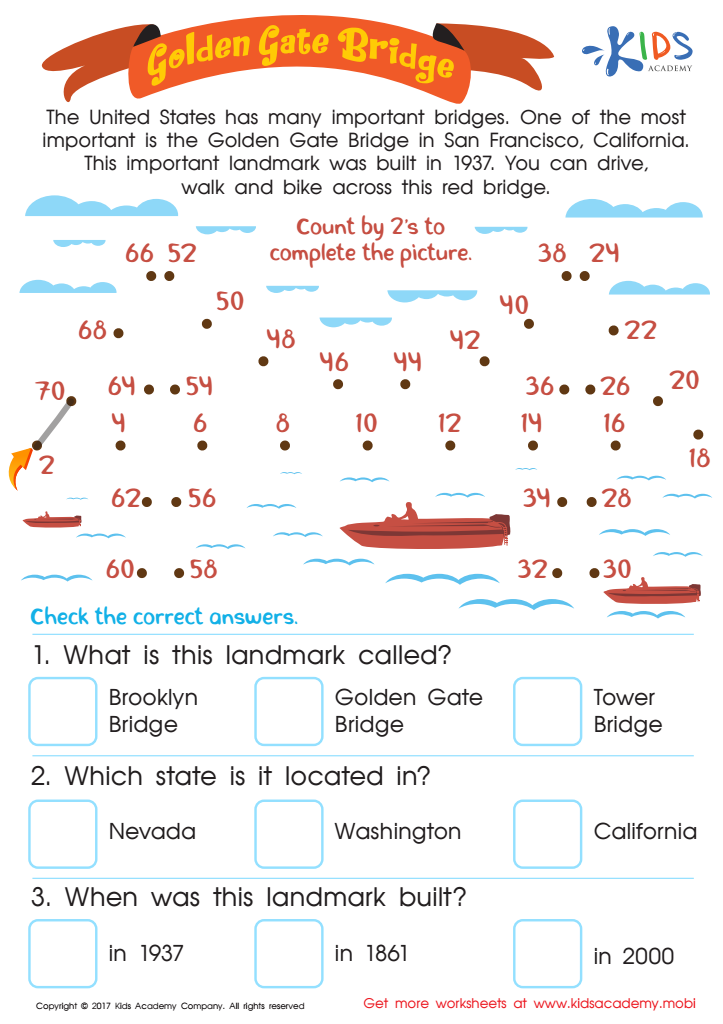
Golden Gate Bridge Worksheet
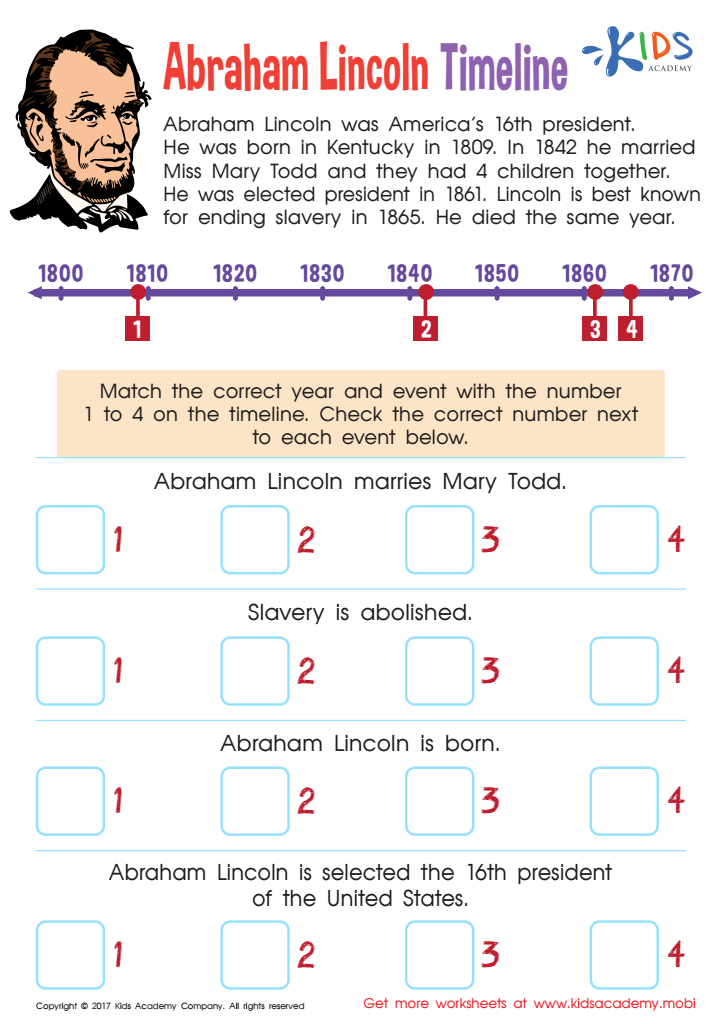
Abraham Lincoln Timeline Worksheet
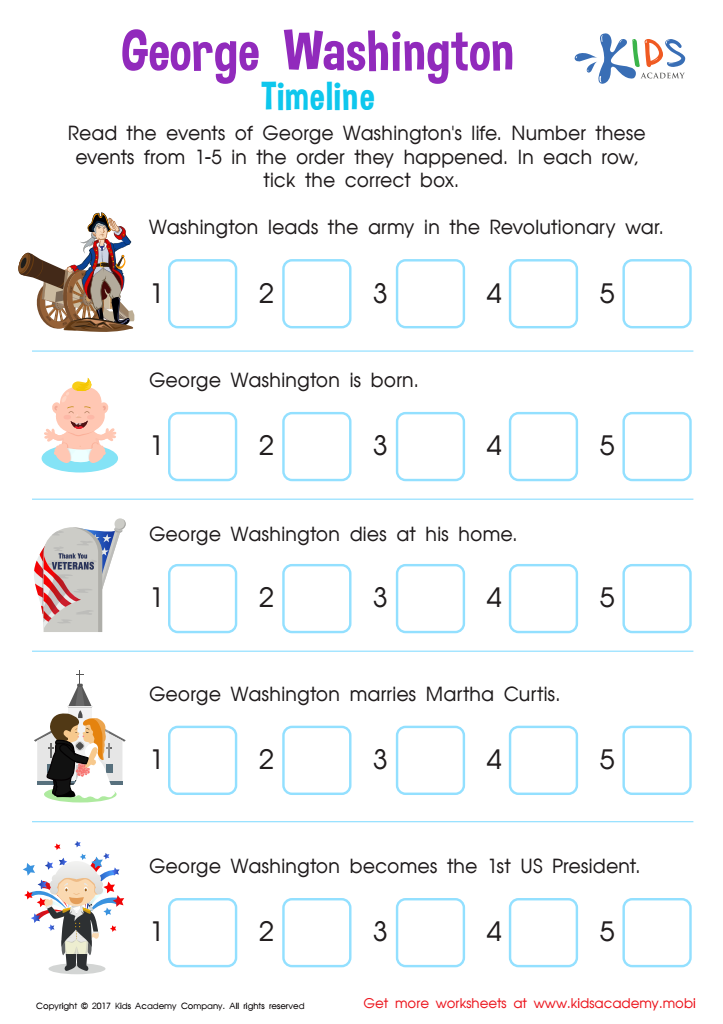
George Washington Timeline Worksheet
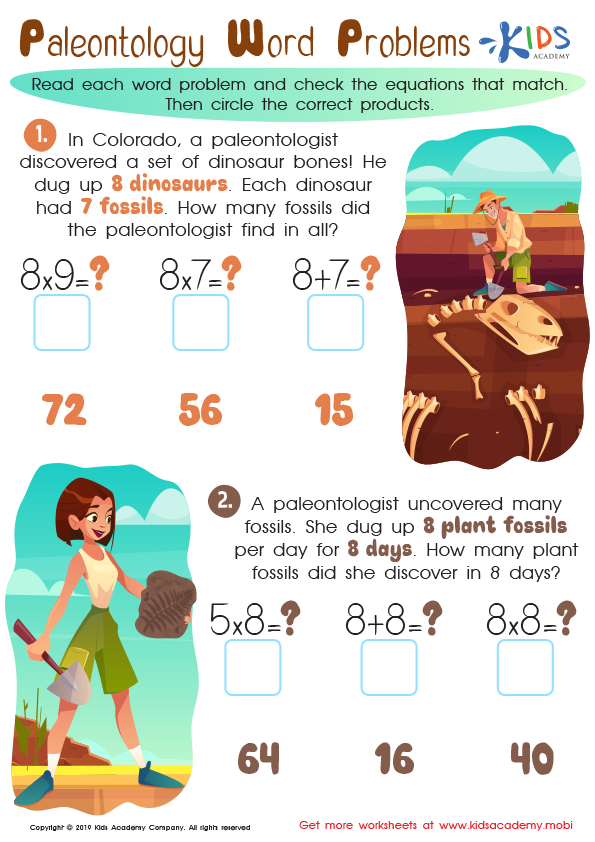
Archeology Word Problems Worksheet
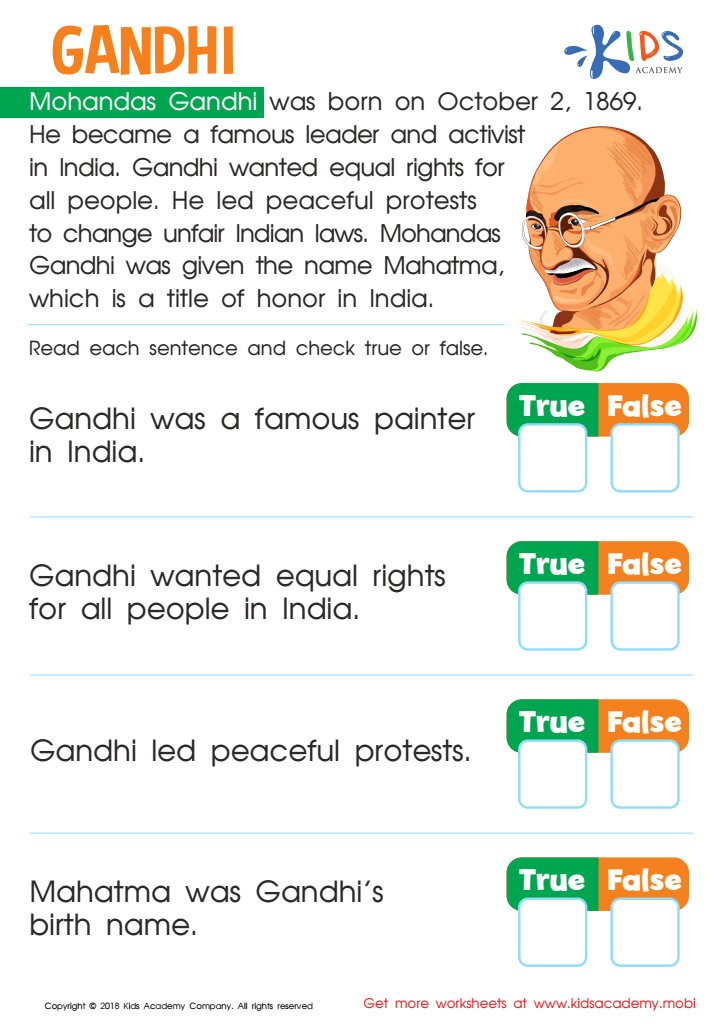
Gandhi Worksheet
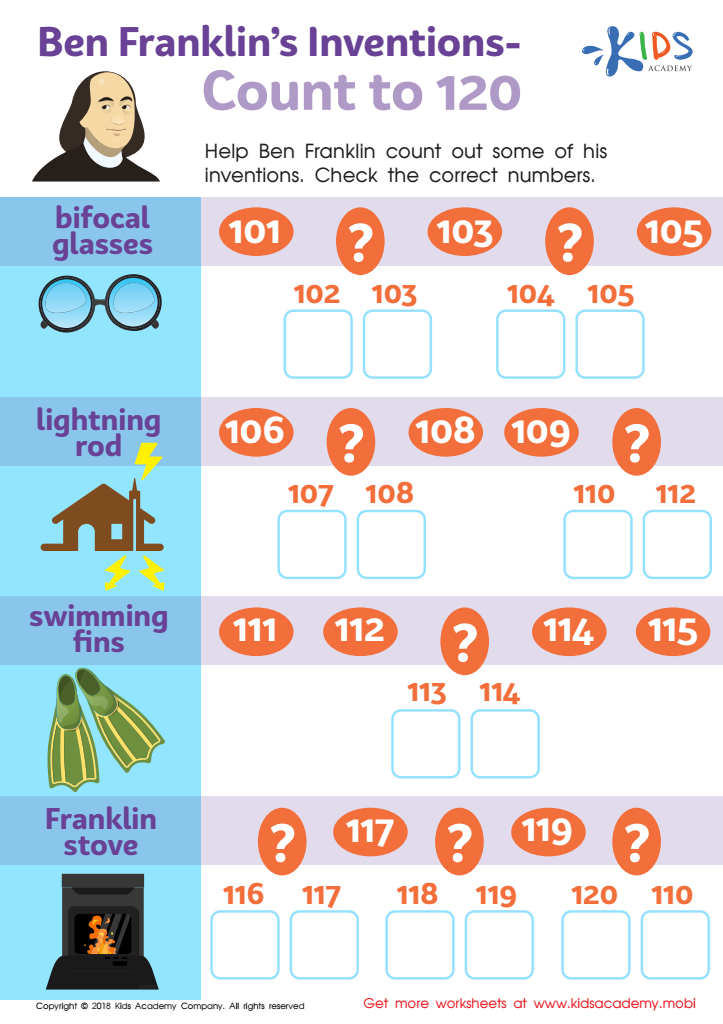
Ben Franklin’s Inventions – Count to 120 Worksheet
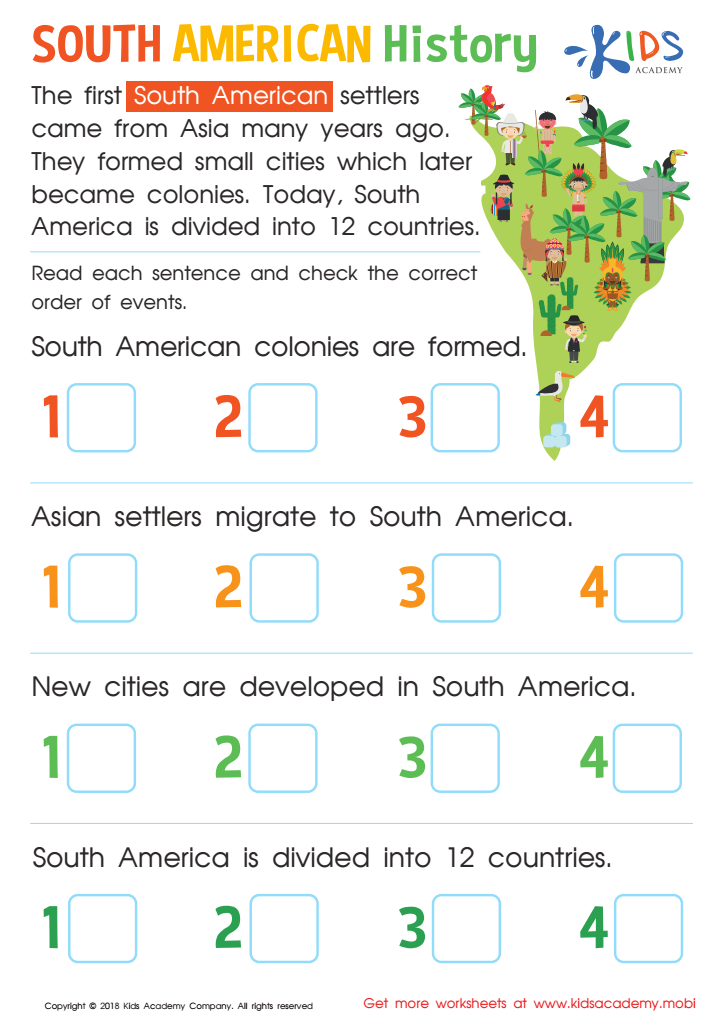
South American History Worksheet








Historical knowledge is crucial for children aged 3-9 as it lays the foundation for their understanding of the world. At this early age, children start to develop a sense of identity and place in their communities. Awareness of history fosters critical thinking skills; as they learn about the past, children begin to ask questions about cause and effect, timelines, and societal changes.
Moreover, integrating history into early education promotes empathy and multicultural awareness. Children exposed to diverse histories understand different perspectives and appreciate the rich tapestry of human experiences. This helps cultivate a sense of respect and acceptance towards others, essential values in our increasingly globalized world.
Learning history also encourages narrative skills and language development. Engaging stories from the past capture the imagination and enrich vocabulary. Even simple tales highlight morals and life lessons, nurturing character development and resilience.
Finally, historical knowledge contributes to a child's ability to make informed decisions in the present. By recognizing patterns and consequences from past actions, children can grow into thoughtful, informed citizens. For these reasons, parents and teachers should prioritize historical education as a vital component of early childhood development.








