Improve problem-solving Worksheets for Ages 3-9
4 filtered results
-
From - To
Welcome to our "Improve Problem-Solving Worksheets for Ages 3-9," where nurturing young minds is our priority! Dive into a collection of engaging and age-appropriate worksheets designed to enhance critical thinking and problem-solving skills in children. Our expertly crafted activities challenge kids to think creatively and develop logical reasoning, all while making learning fun. Perfect for home or school use, these worksheets cater to various learning styles and ensure kids are engaged. Boost your child's confidence and cognitive abilities today with our colorful, interactive resources that lay a strong foundation for future learning. Start exploring and watch their problem-solving skills flourish!
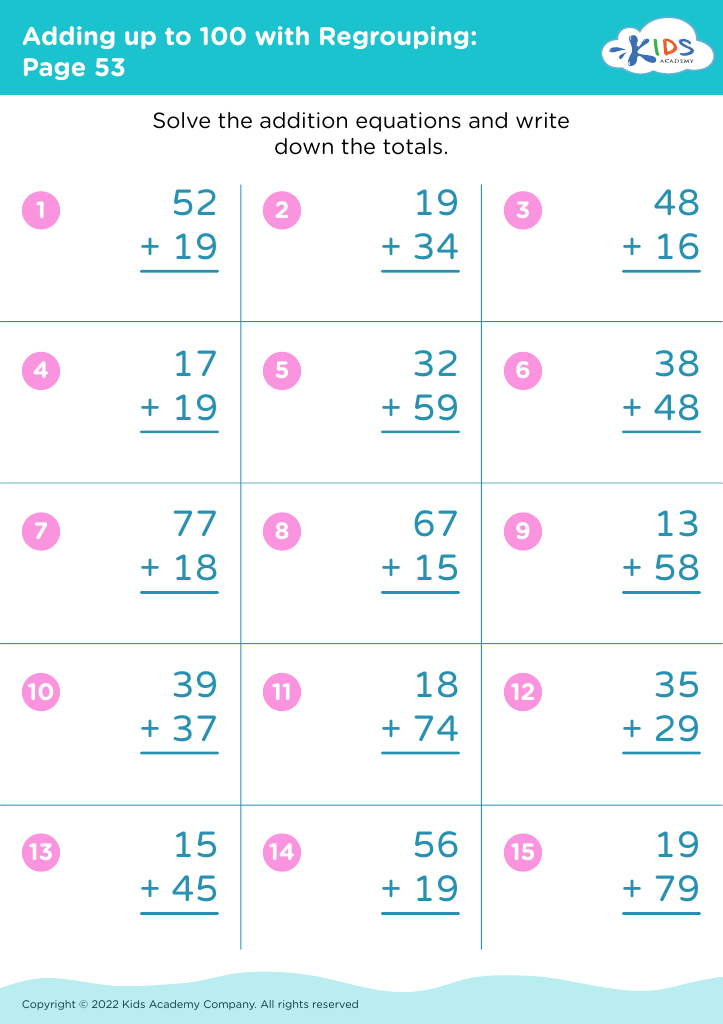
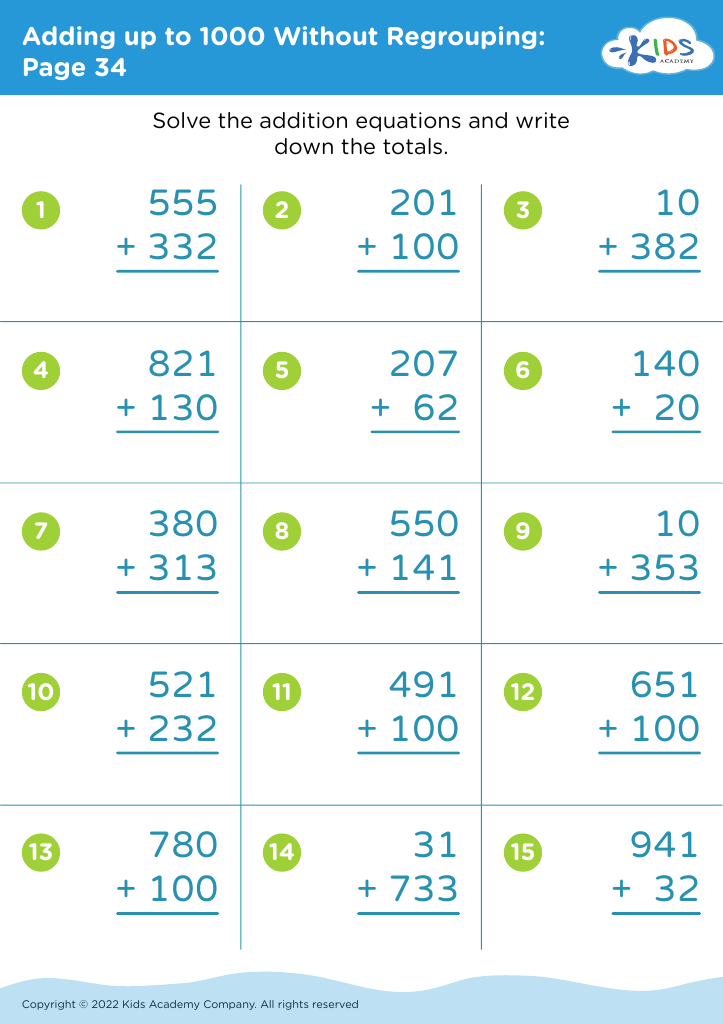
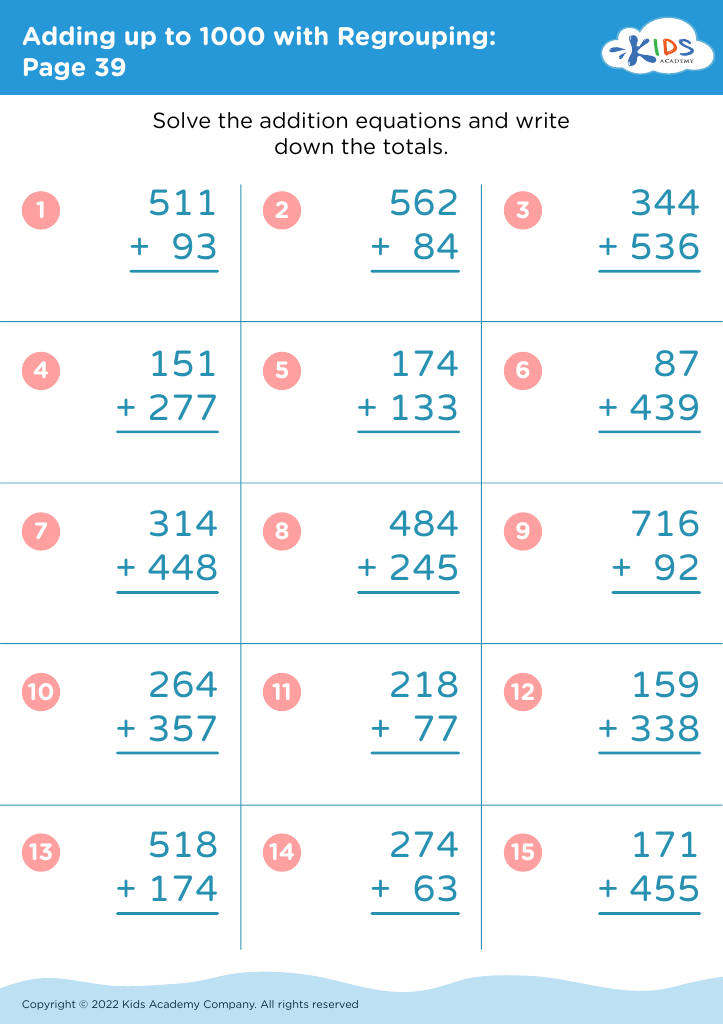




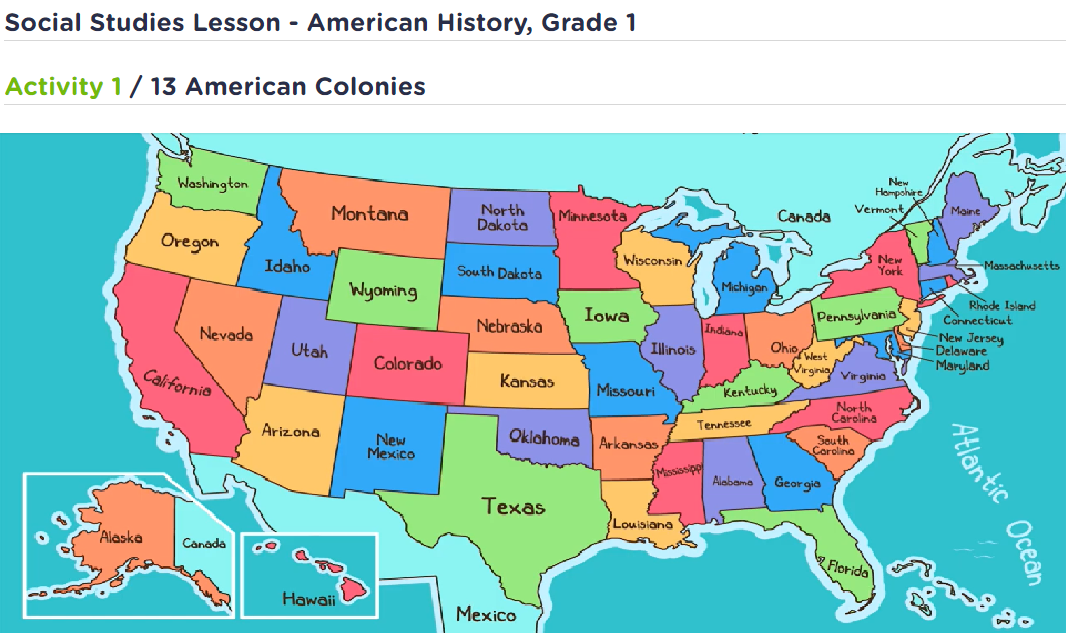

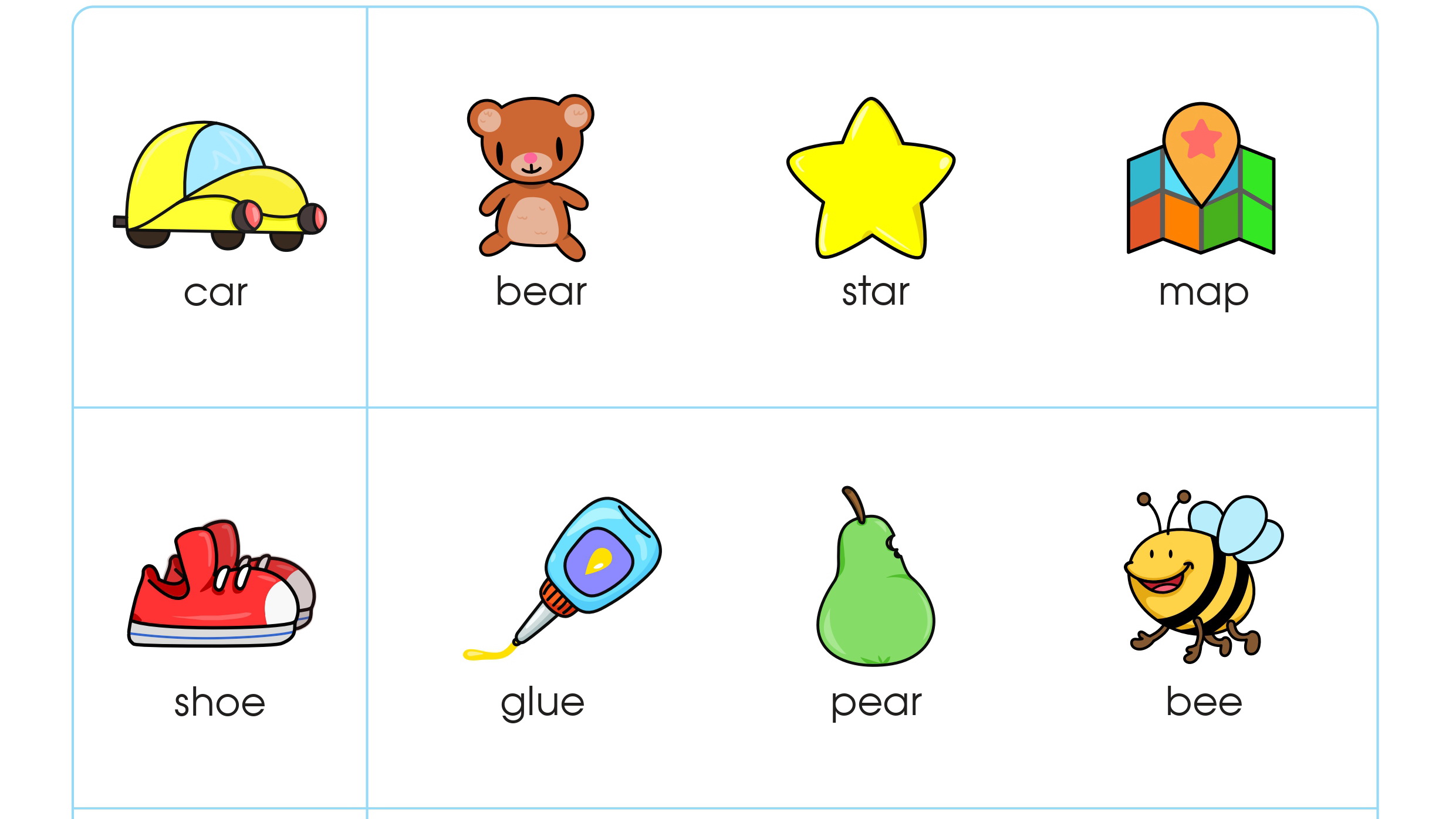


Improving problem-solving skills in children ages 3-9 is vital for their overall development and future success. During these formative years, children are naturally curious and eager to explore their environment, making it an ideal time to cultivate critical thinking skills. Parents and teachers play a crucial role in this process, as their support can significantly enhance a child's ability to tackle challenges.
Problem-solving teaches children how to analyze situations, consider different perspectives, and develop strategies to find solutions. These skills foster independence and resilience, empowering children to face obstacles with confidence. Additionally, mastering problem-solving can positively impact other areas of learning, including mathematics, science, and even social interactions, allowing children to navigate relationships effectively.
Incorporating everyday experiences and play-based activities can make learning enjoyable and engaging. By encouraging open-ended questions and providing opportunities for exploration, adults can nurture creativity and logical reasoning. Supporting children's problem-solving development not only prepares them for academic success but also equips them with essential life skills that will serve them well into adulthood. Ultimately, parents and teachers should prioritize this aspect of learning to foster well-rounded individuals capable of thriving in an increasingly complex world.








