Improves hand-eye coordination Worksheets for Ages 3-9
3 filtered results
-
From - To
Discover engaging worksheets designed to enhance hand-eye coordination for children ages 3-9 at Kids Academy! These thoughtfully crafted activities are perfect for developing essential skills through fun and interactive tasks. From tracing shapes and letters to matching exercises and puzzles, each worksheet is aimed at improving your child's motor skills and visual tracking abilities. Ideal for preschoolers to early elementary students, these resources foster academic readiness and build a strong foundation for future success. Visit Kids Academy to explore our wide range of printable worksheets and support your child's growth and learning journey today!
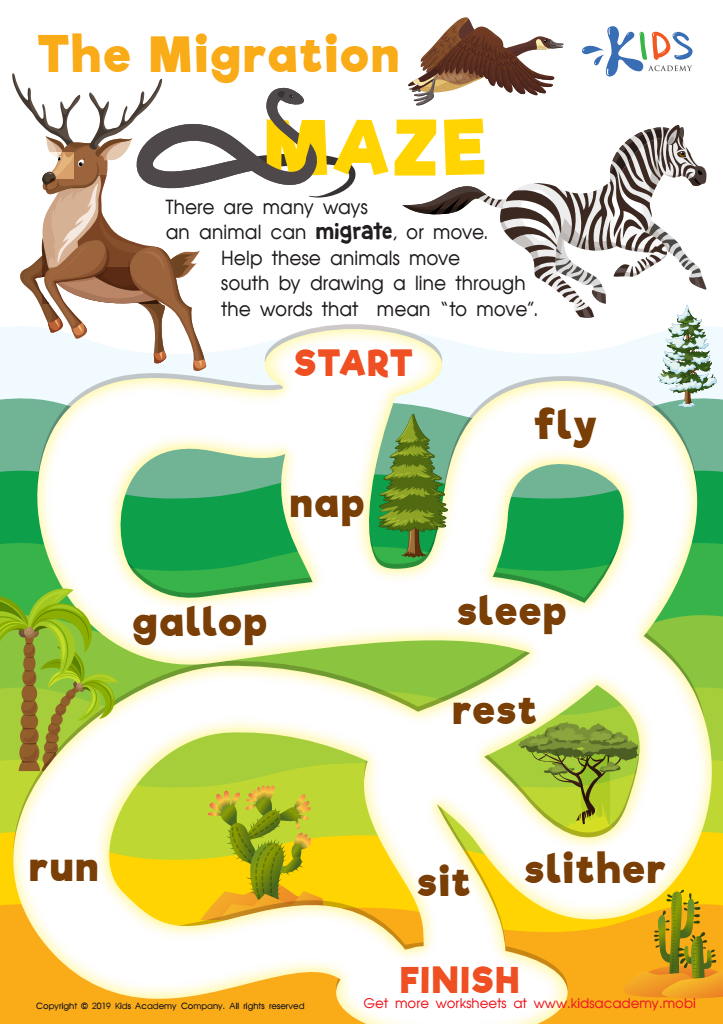
The Migration Maze Worksheet
 Assign to My Students
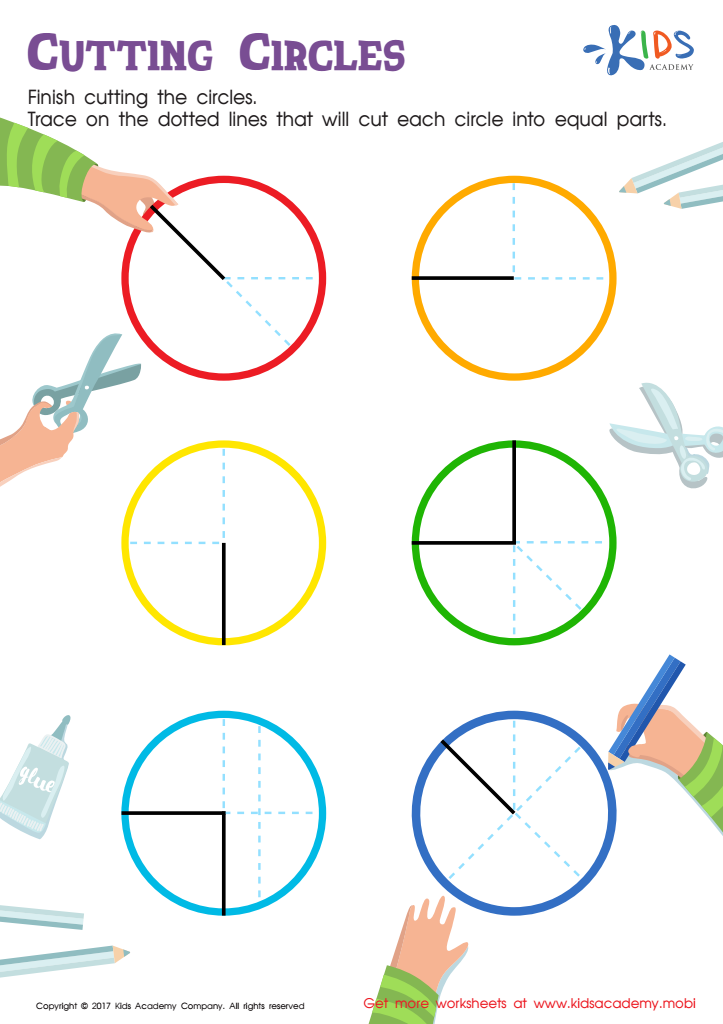
Cutting Circles Worksheet
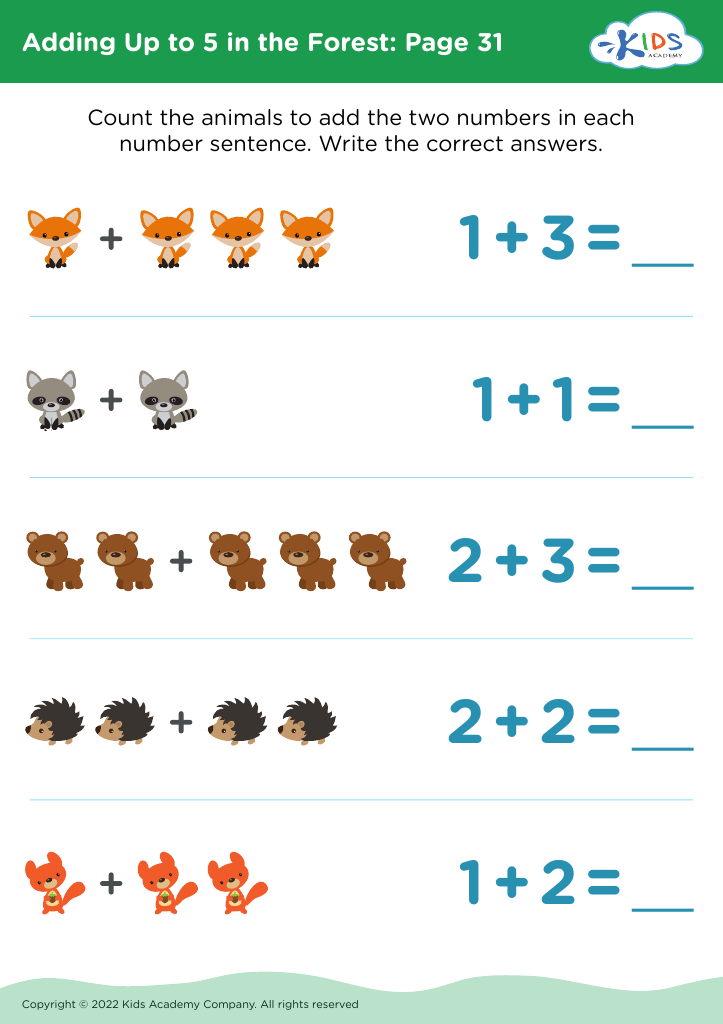




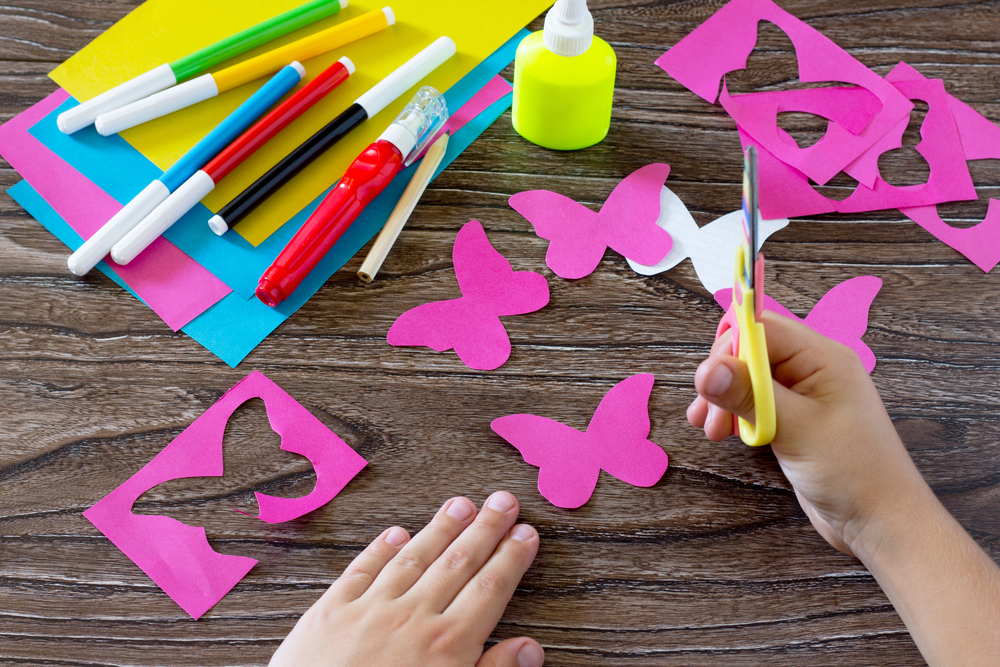

Improving hand-eye coordination in children aged 3-9 is crucial for their development because it lays the foundation for numerous essential life skills. Hand-eye coordination is the ability to synchronize hand movement with visual input, and it's vital for everyday activities such as writing, drawing, and even dressing oneself. When children develop strong hand-eye coordination, they are better equipped to perform tasks efficiently and accurately, enhancing their overall academic performance and boosting their confidence.
Moreover, hand-eye coordination is not only relevant in academic settings but also in physical activities like catching a ball, playing musical instruments, or participating in sports. These activities promote physical fitness, which is crucial for overall health and well-being. Better hand-eye coordination also fosters cognitive development, as it involves planning, spatial awareness, and executing movements, promoting stronger brain function.
For parents and teachers, supporting activities that improve hand-eye coordination—like puzzles, building blocks, drawing, and sports—can significantly aid in children’s multisensory integration. This translates to better problem-solving abilities, fine motor skills, and even social interactions, as children gain confidence and competence in various tasks. Hence, prioritizing hand-eye coordination development can lead to happier, healthier, and more resilient children who are ready for future challenges.








