
Improving handwriting Worksheets for Ages 3-9
3 filtered results
Difficulty Level
Grade
Age
-
From - To
Subject
Activity
Standards
Enhance your child's handwriting skills with our engaging "Improving Handwriting Worksheets" designed for ages 3-9. Our worksheets offer a fun and interactive approach to developing fine motor skills, letter formation, and overall writing fluency. Each worksheet is tailored to suit various skill levels, helping young learners build confidence as they practice letter tracing, word writing, and sentence formation. With vibrant illustrations and enjoyable activities, your child will love enhancing their handwriting abilities! Perfect for homeschoolers or supplemental learning, these worksheets provide a comprehensive tool for parents and teachers aiming to foster improved writing in an effective and enjoyable way. Start inspiring confident writers today!
Favorites
With answer key
Interactive
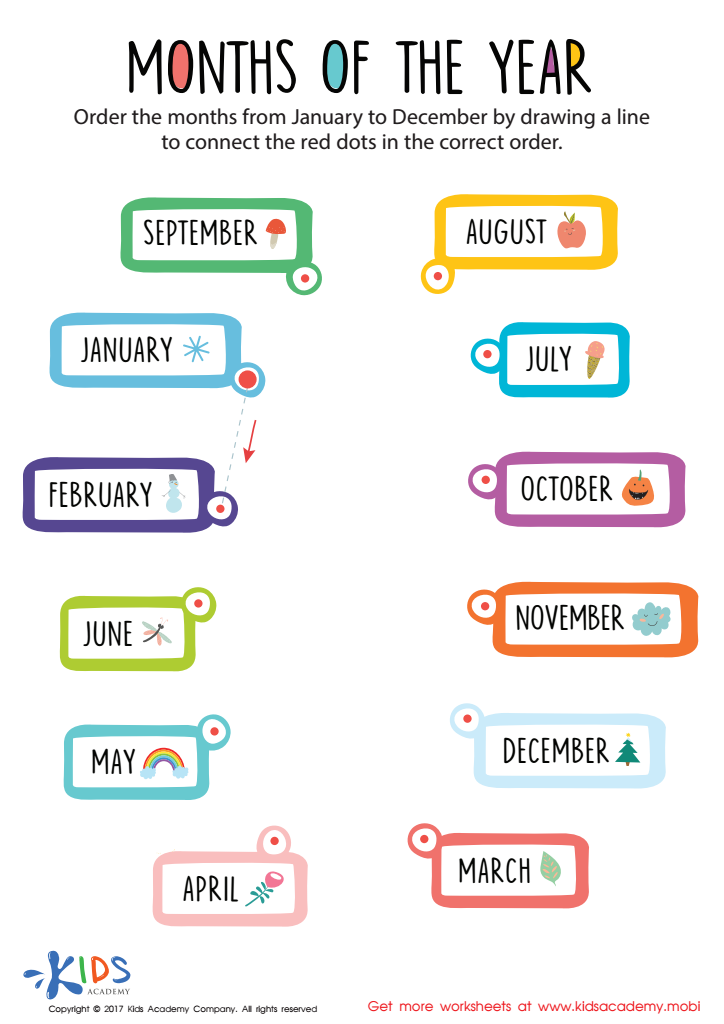
Months of the Year Worksheet
Challenge your child with this months of the year worksheet! Help them remember the yearly calendar by having them connect the dots from January to December. It's a fun way to test their knowledge of the twelve months and sharpen their memory!
 Assign to My Students
Months of the Year Worksheet
Worksheet
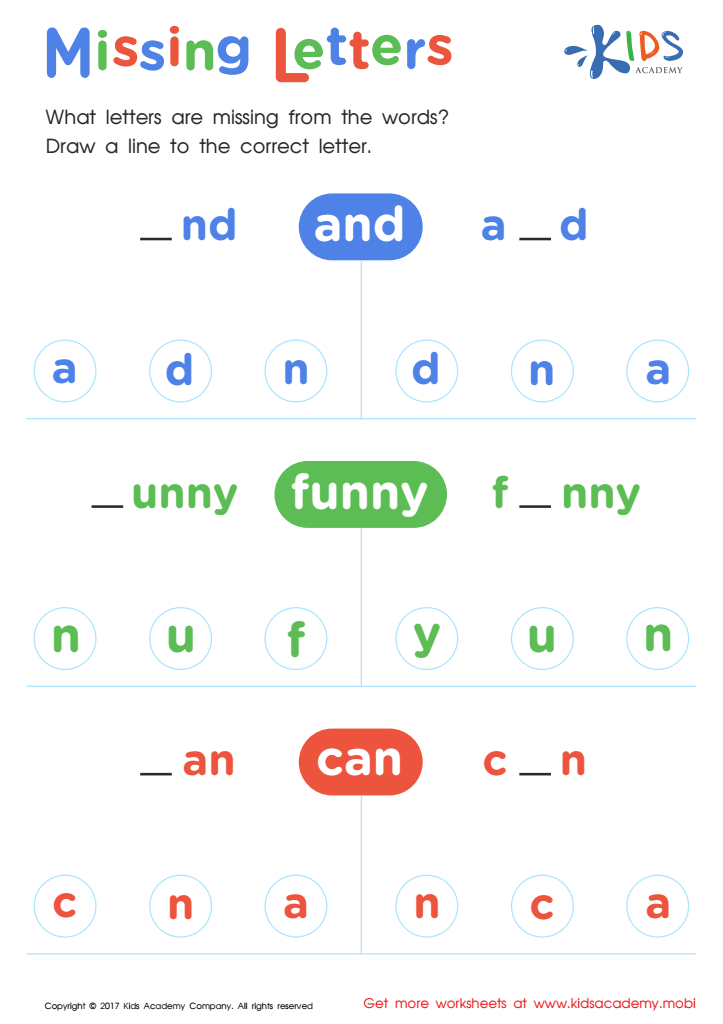
Missing Letters Worksheet
Review sight words with this fun matching worksheet from Kids Academy! Look at the sight words in the middle, read them aloud and find the missing letter on each side for each word. Draw a line to the correct letter to complete the sheet!
Missing Letters Worksheet
Worksheet
Join Kids Academy for Free
Who is primarily going to use this learning content?







Improving handwriting for children aged 3-9 is crucial for several reasons. First, this developmental stage is a formative period where fine motor skills are being established. Good handwriting promotes coordination and dexterity, which are essential for various daily tasks and activities.
Second, handwriting directly influences a child's academic performance. Clear and legible writing not only helps in the completion of assignments but also boosts confidence in their schoolwork. When students can communicate effectively through writing, they can express their ideas without the frustration of illegible handwriting hindering their ability to convey their thoughts.
Additionally, legible handwriting fosters a sense of pride and accomplishment in young learners. A well-formed letter or neatly crafted sentence can significantly boost a child's self-esteem.
Furthermore, in an increasingly digital age, handwriting remains a valuable skill. It enhances brain development, improving memory and learning functions.
Finally, investing time and resources in improving handwriting equips children with a lifelong skill that benefits them academically and personally. Parents and teachers play a vital role in nurturing this skill, helping children build a strong foundation in learning and self-expression. In conclusion, enhancing handwriting is essential for children's growth and success in various life domains.








