
Increase vocabulary knowledge Worksheets for Ages 3-9
4 filtered results
Difficulty Level
Grade
Age
-
From - To
Subject
Activity
Standards
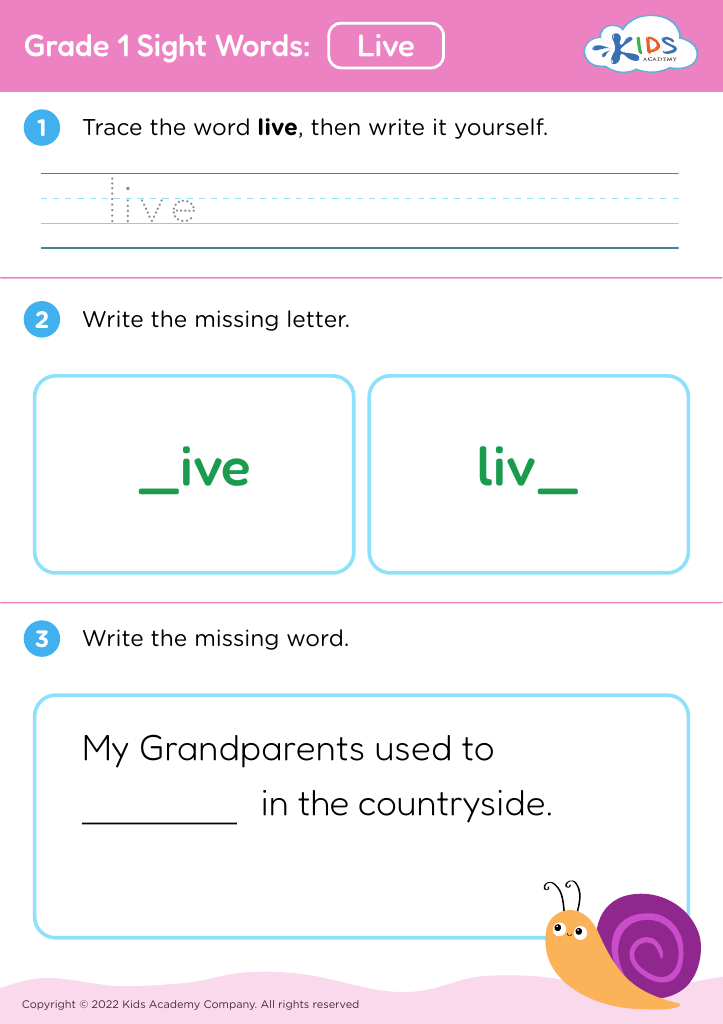
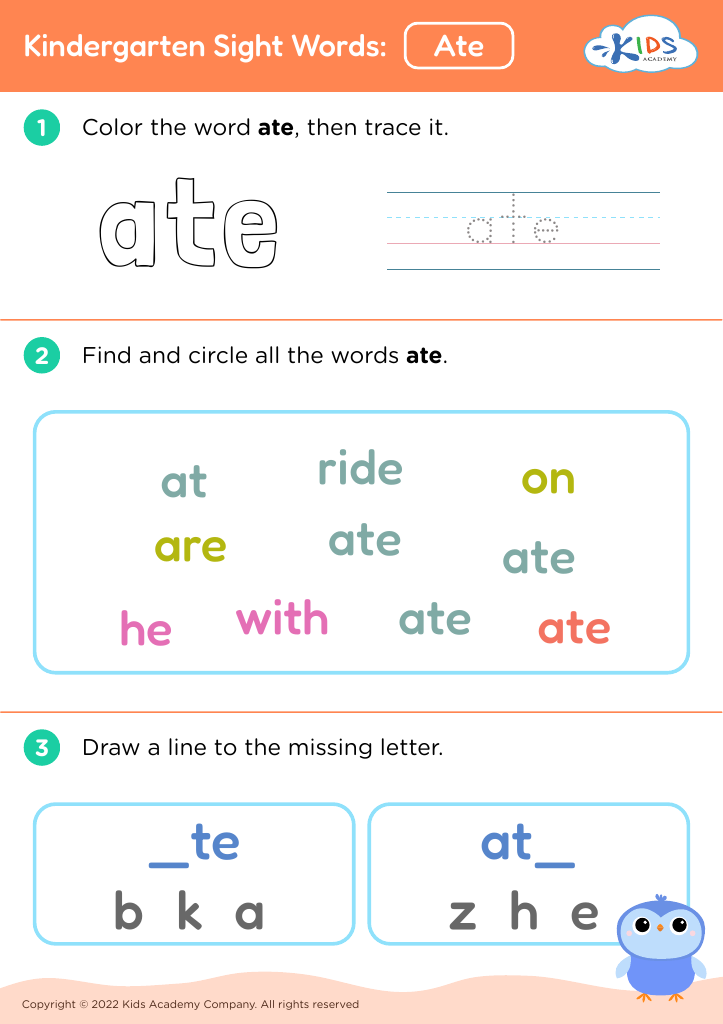
Boost your child's vocabulary with our engaging worksheets designed for ages 3-9! Our vocabulary enhancement resources provide a fun and interactive way for young learners to explore new words and their meanings. Each worksheet is tailored to make learning enjoyable, incorporating colorful images and age-appropriate activities to keep kids excited about language development. Parents and educators can easily print these worksheets to enhance classroom lessons or support at-home learning. Our thoughtfully crafted exercises promote creativity and critical thinking while building a strong foundation in communication skills. Explore our collection to help your child expand their vocabulary knowledge today!
Favorites
With answer key
Interactive
Join Kids Academy for Free
Who is primarily going to use this learning content?


.jpg)

.jpg)



Increasing vocabulary knowledge for children aged 3-9 is crucial for their cognitive and social development. A robust vocabulary lays the foundation for effective communication, enabling children to express their thoughts, feelings, and ideas clearly. This age range is critical for language acquisition; an enriched vocabulary enhances reading comprehension skills, which are fundamental for academic success. Early exposure to diverse words helps children understand complex concepts, making them more competent learners.
Moreover, vocabulary knowledge is closely linked to social interactions. Children with a broader vocabulary can better engage in conversations with their peers and adults, fostering relationships and enhancing emotional intelligence. This communicative competence contributes to greater confidence and self-esteem as they navigate social settings.
Additionally, research indicates that children with a strong vocabulary are more likely to perform well in school, leading to improved long-term educational outcomes. Engaging with children through reading, storytelling, and interactive activities can make vocabulary expansion enjoyable and meaningful. Therefore, teachers and parents have an essential role in creating a language-rich environment that nurtures curiosity and a love for learning. By prioritizing vocabulary development, they are not just enhancing language skills but empowering children's overall growth in various life aspects.








