Knowledge application Worksheets for Ages 3-9
7 filtered results
-
From - To
Enhance your child's learning journey with our expertly designed Knowledge Application Worksheets for Ages 3-9! Perfect for young learners, these engaging resources cover a range of essential skills, including critical thinking, problem-solving, and creativity. Our printable worksheets encourage kids to apply what they've learned in real-world scenarios, helping to solidify their understanding and boost confidence. Whether at home or in the classroom, these fun, interactive exercises make learning an adventure. Explore now to provide your child with the tools they need to succeed and develop a lifelong love for learning!
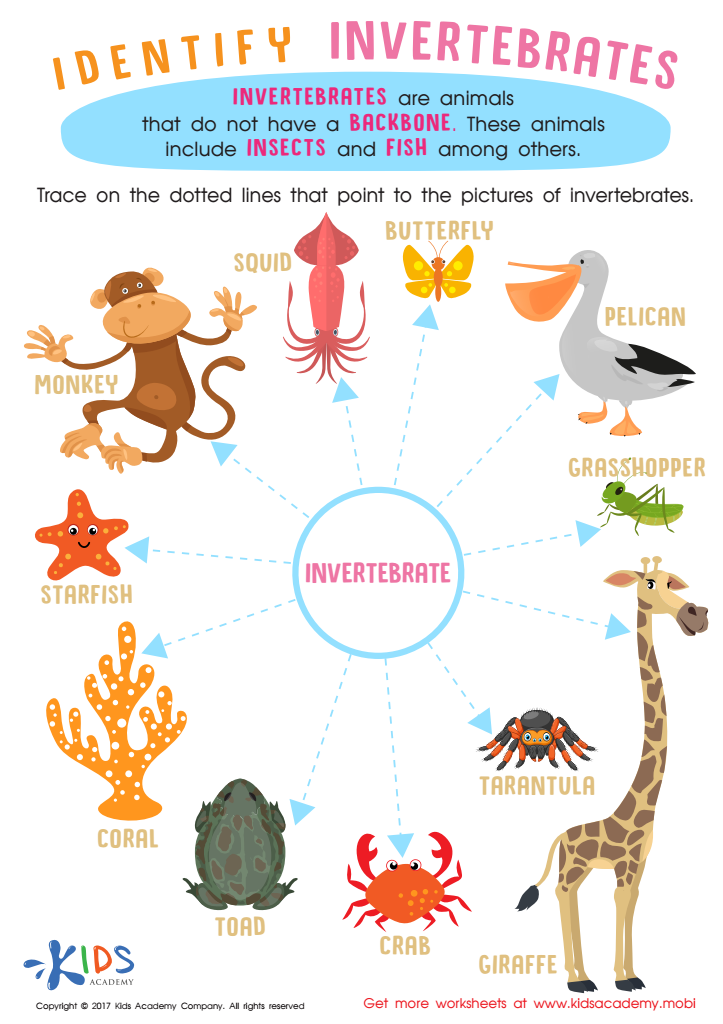
Invertebrates Worksheet for Grade 3
 Assign to My Students
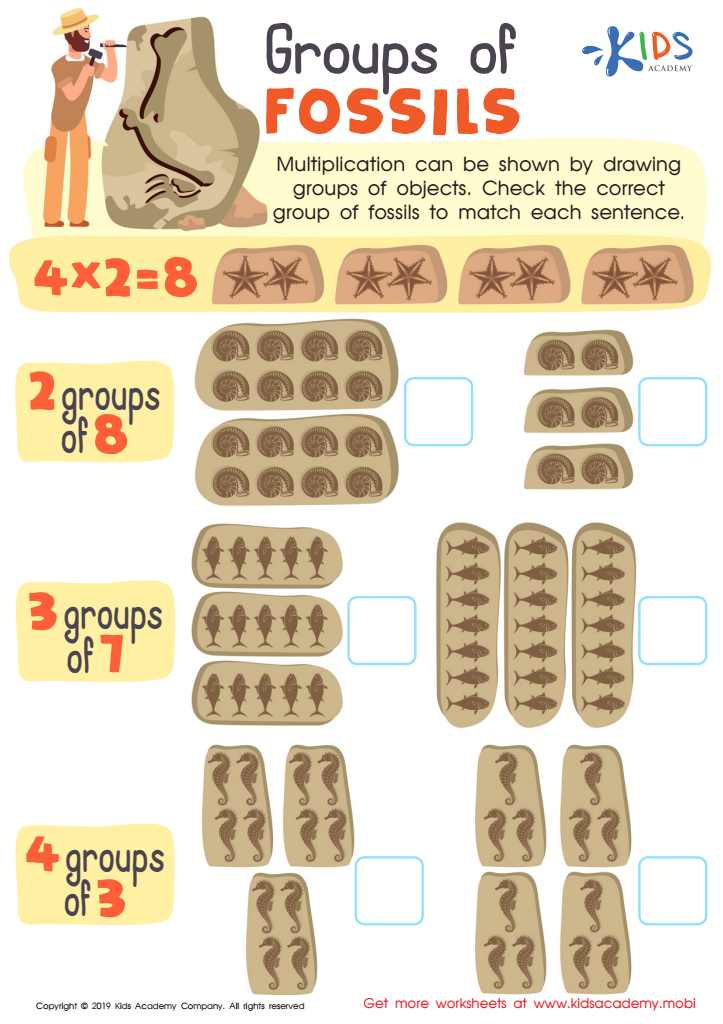
Groups of Fossils Worksheet
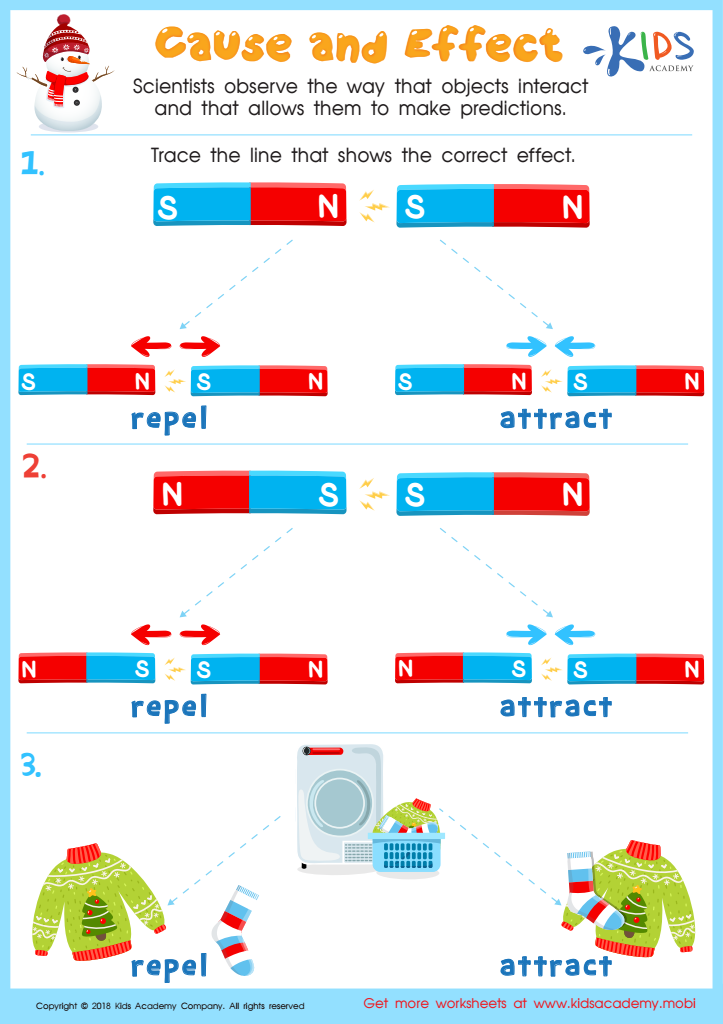
Repel and Attract Magnet Worksheet
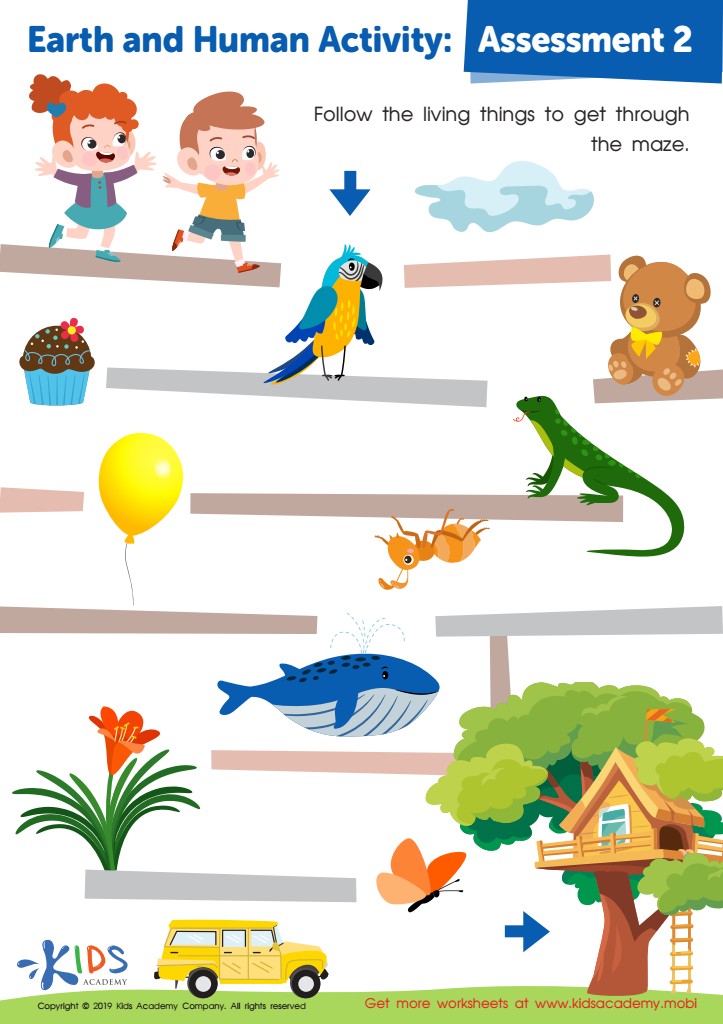
Earth and Human Activity: Assessment 2 Worksheet
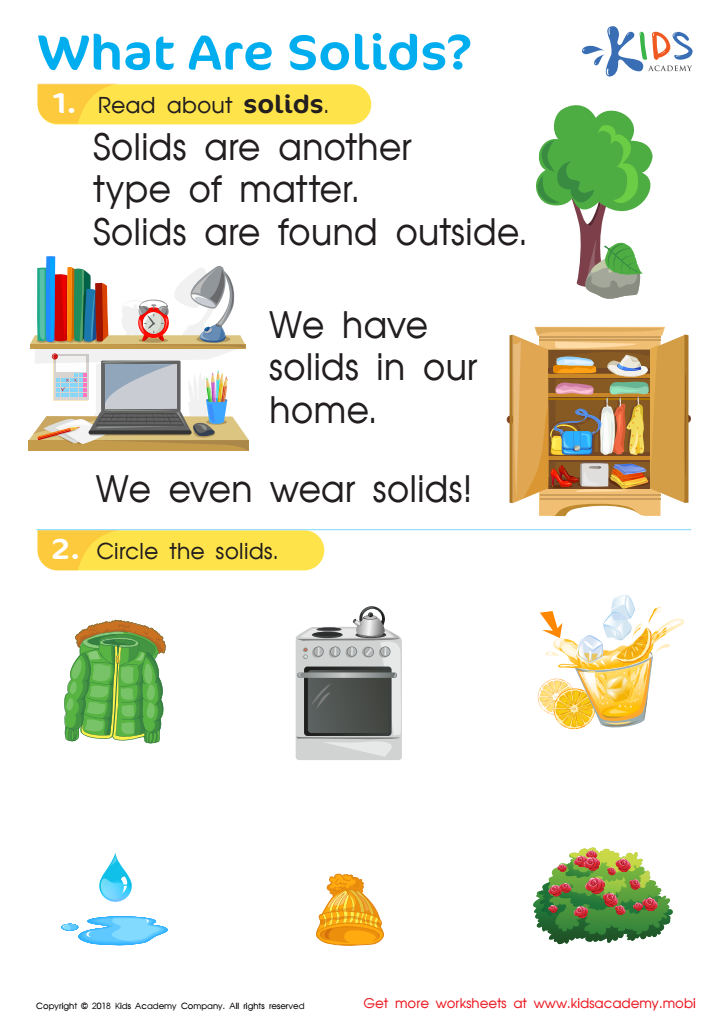
What Are Solids? Worksheet
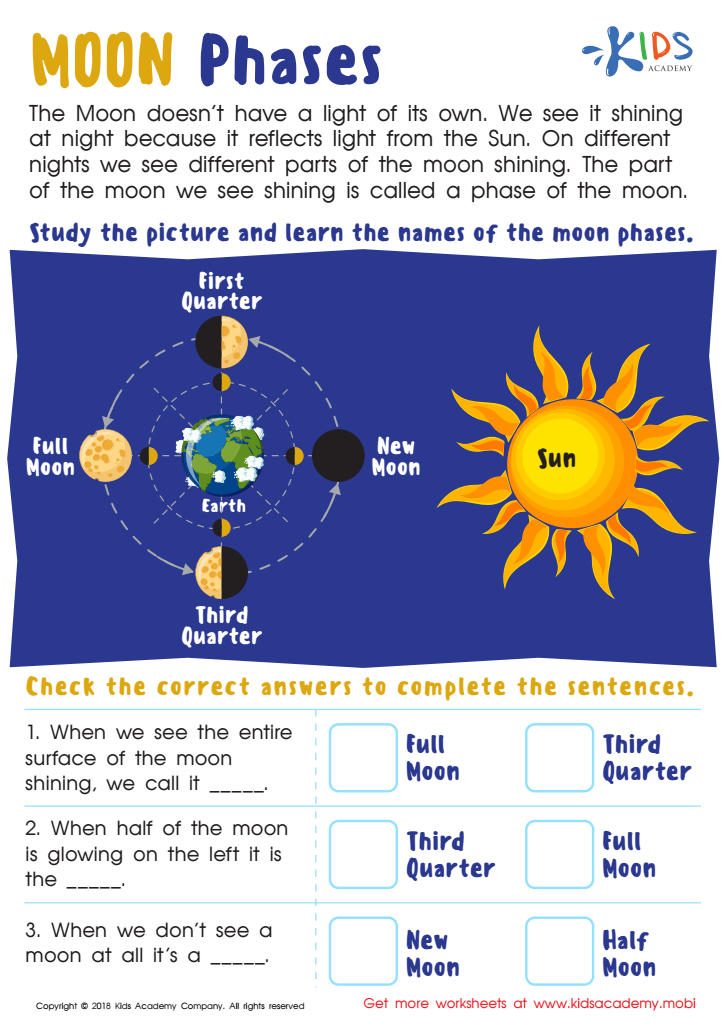
Moon Phases Worksheet
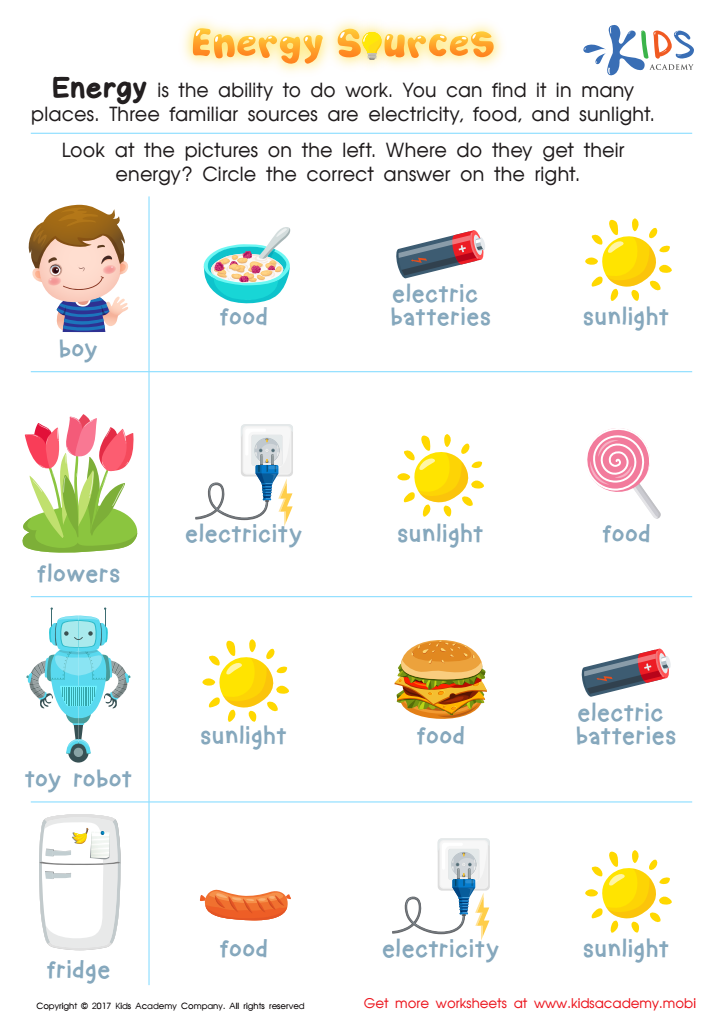
Energy Sources Printable



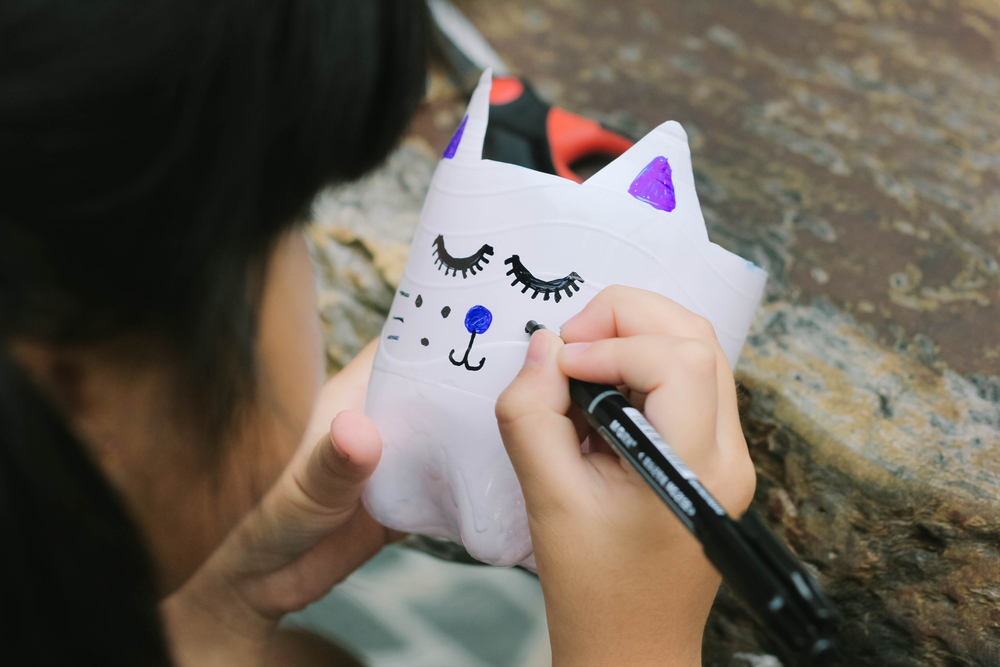




Parents and teachers play a crucial role in nurturing the growth and development of children between the ages of 3-9. Focusing on knowledge application during this formative period is essential for several reasons. Firstly, it encourages active learning over passive memorization. When children understand how to apply what they've learned, they engage more deeply with the material, fostering critical thinking and problem-solving skills.
Application of knowledge helps to solidify concepts, making learning experiences more meaningful and memorable. For instance, when students apply math skills to real-life scenarios—like measuring ingredients for a recipe or calculating change while shopping—they grasp the practical utility of their education. This relevance peaks their interest and motivation to learn more.
Moreover, early cultivation of these skills builds a strong foundation for lifelong learning. Children who practice applying their knowledge develop confidence in their abilities to tackle complex problems. This mindset can lead to academic resilience, enabling learners to persist through challenges.
Furthermore, involving children in diverse, multi-sensory activities connects classroom learning to everyday life, promoting curiosity and holistic development. Parents and teachers, by fostering knowledge application, help pave the way for well-rounded, inquisitive, and resourceful individuals ready to navigate the complexities of the world. Focusing on these methods not only benefits individual growth but also contributes to the development of innovative thinkers for the future.








