Matching numbers Worksheets for Ages 3-9
14 filtered results
-
From - To
Welcome to our Matching Numbers Worksheets for Ages 3-9! These engaging and interactive worksheets are designed to help children develop essential numeracy skills while having fun. Suitable for preschoolers and early elementary students, our resources encourage number recognition, counting, and fine motor skills. With colorful designs and age-appropriate activities, kids will enjoy matching numerals with corresponding quantities and images. Each worksheet is educational and entertaining, promoting hands-on learning. Perfect for classroom or home use, our printable worksheets support early math development in a playful way. Explore our collection and watch your child's confidence and proficiency in numbers grow!
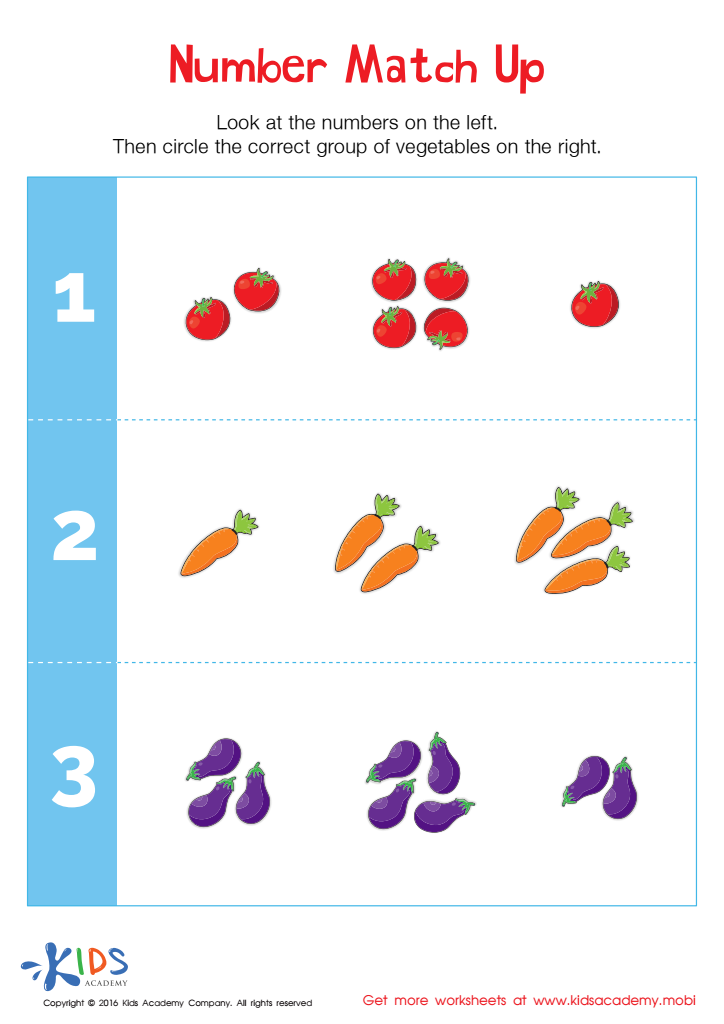
Number Match Up Worksheet
 Assign to My Students
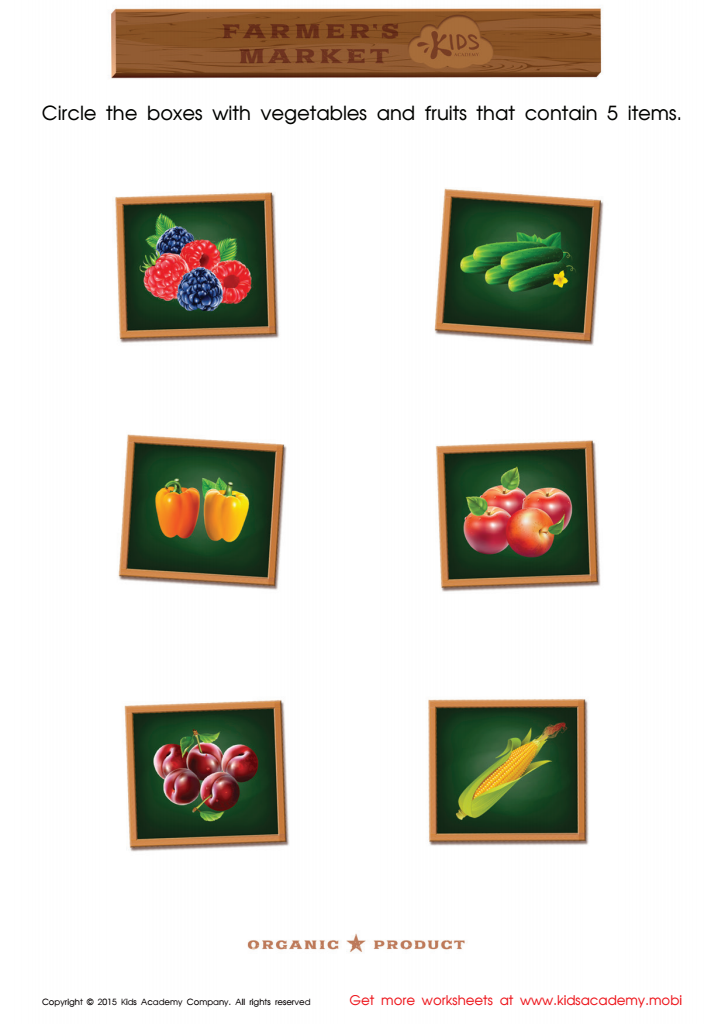
Count and Match Vegetables 1 – 7 Math Worksheet
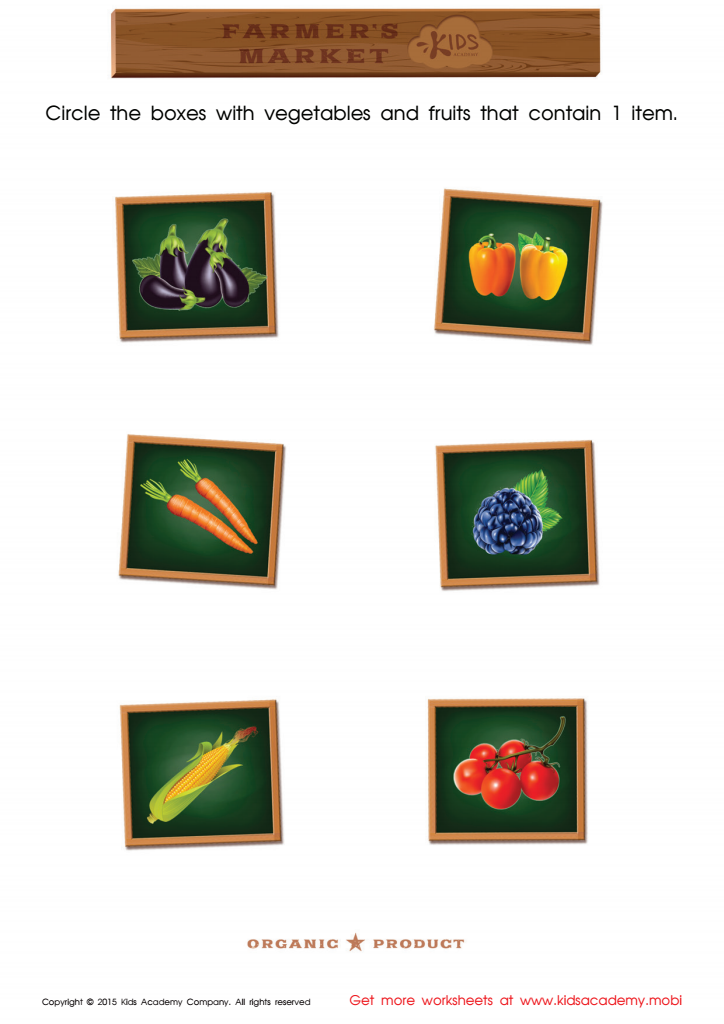
Count and Match Boxes with Vegetables
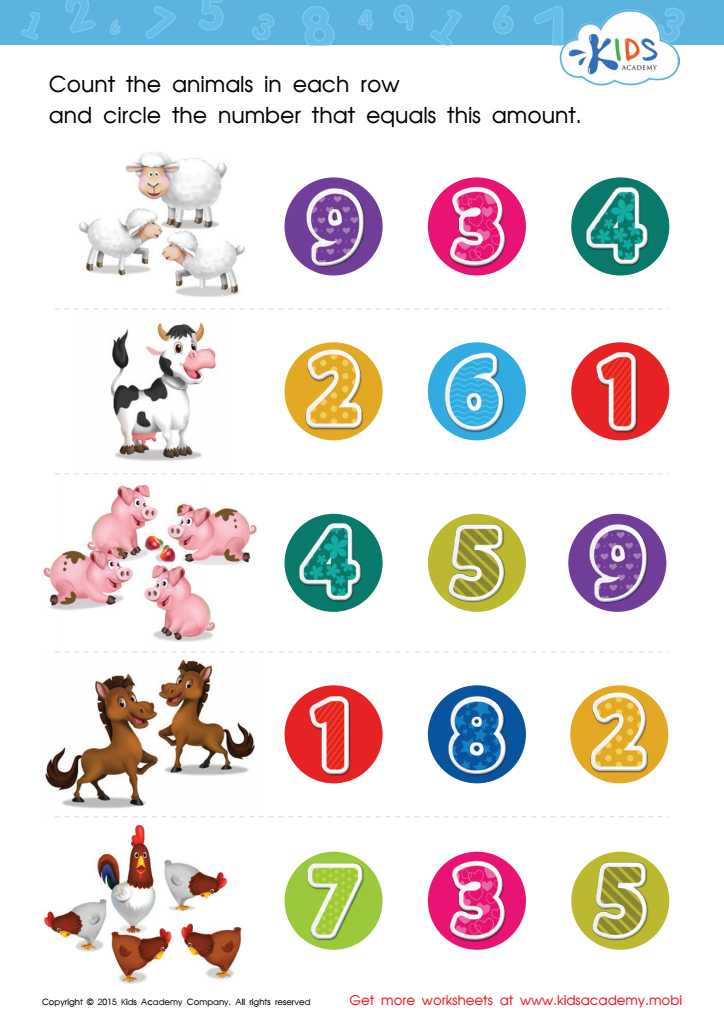
Count and Match 1 – 5 Math Worksheet
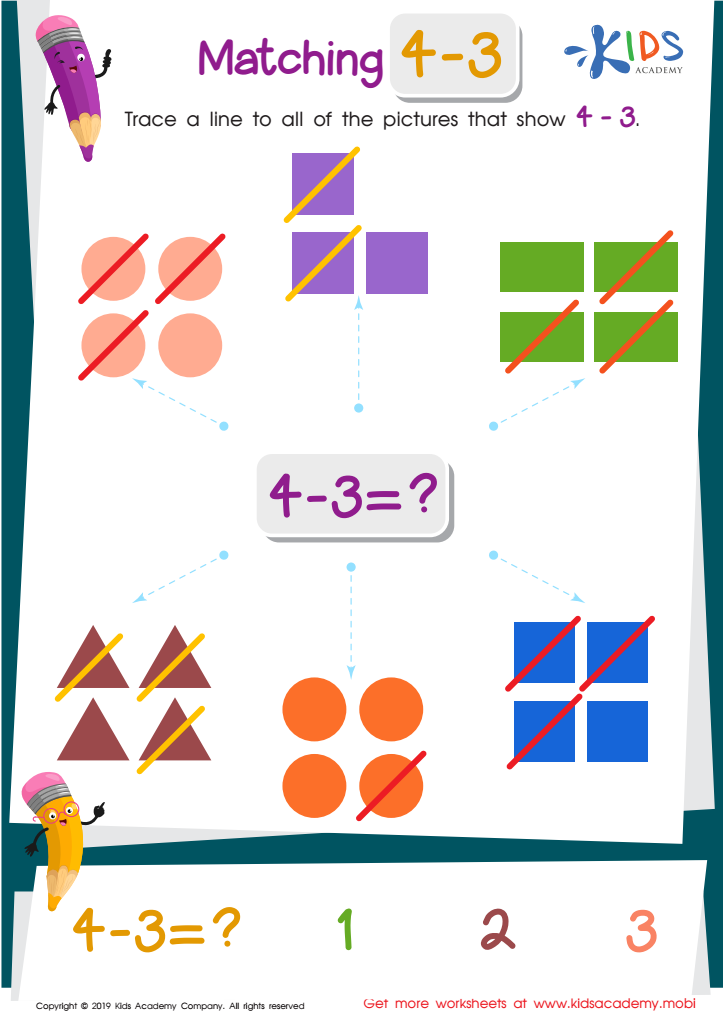
Matching 4 – 3 Worksheet
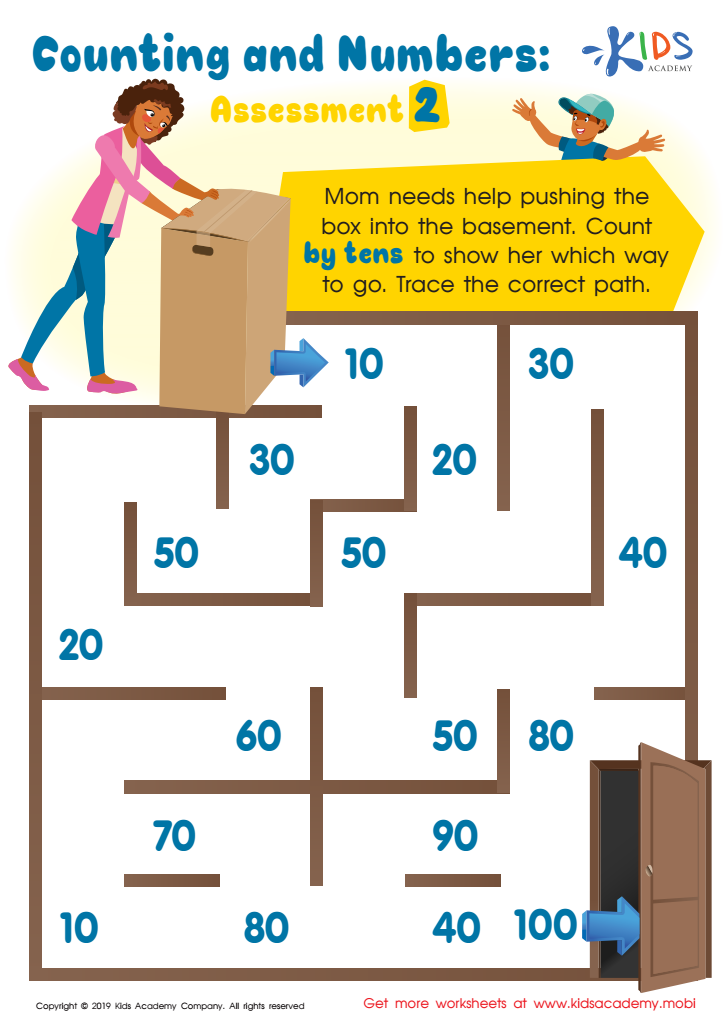
Counting and Numbers: Assessment 2 Worksheet
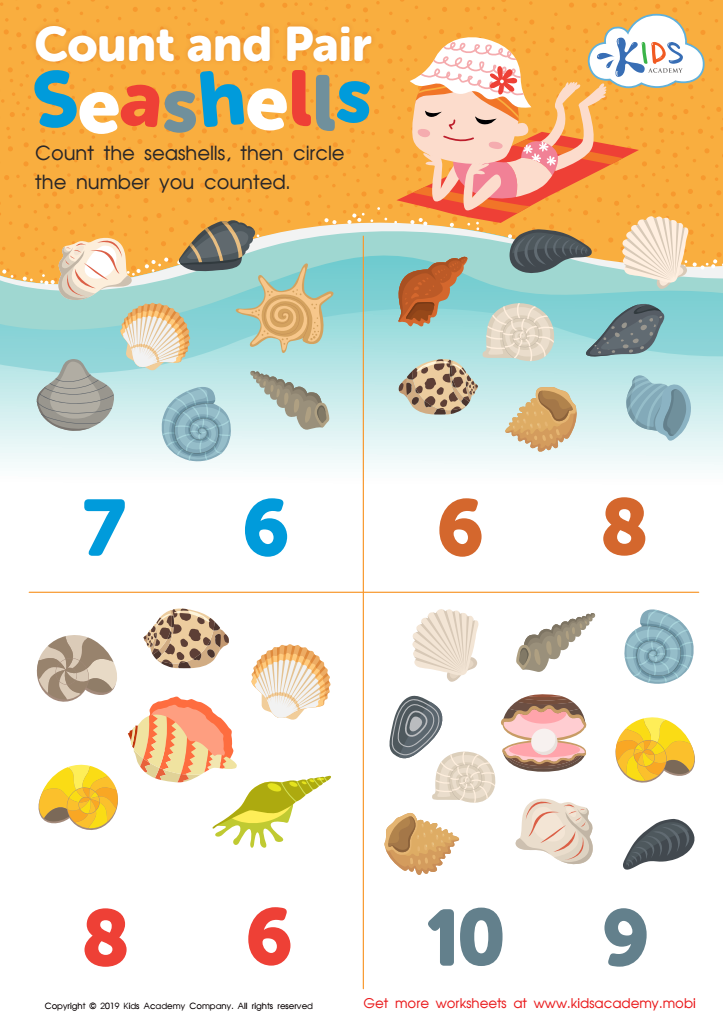
Count and Pair Seashells Worksheet
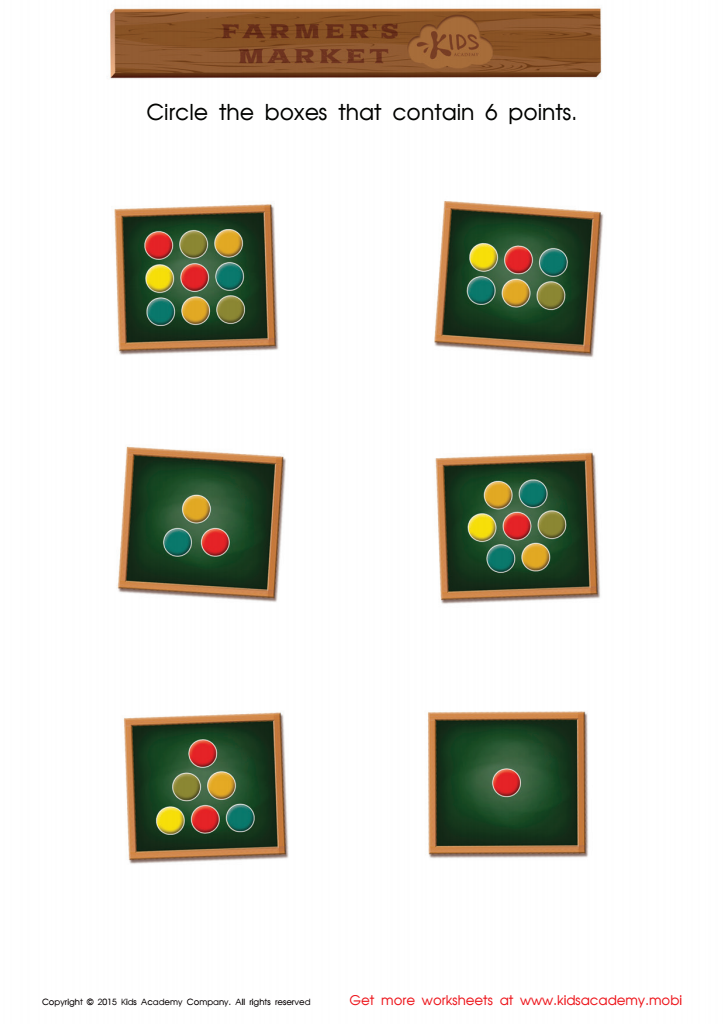
Count and Match Points 6 Math Worksheet
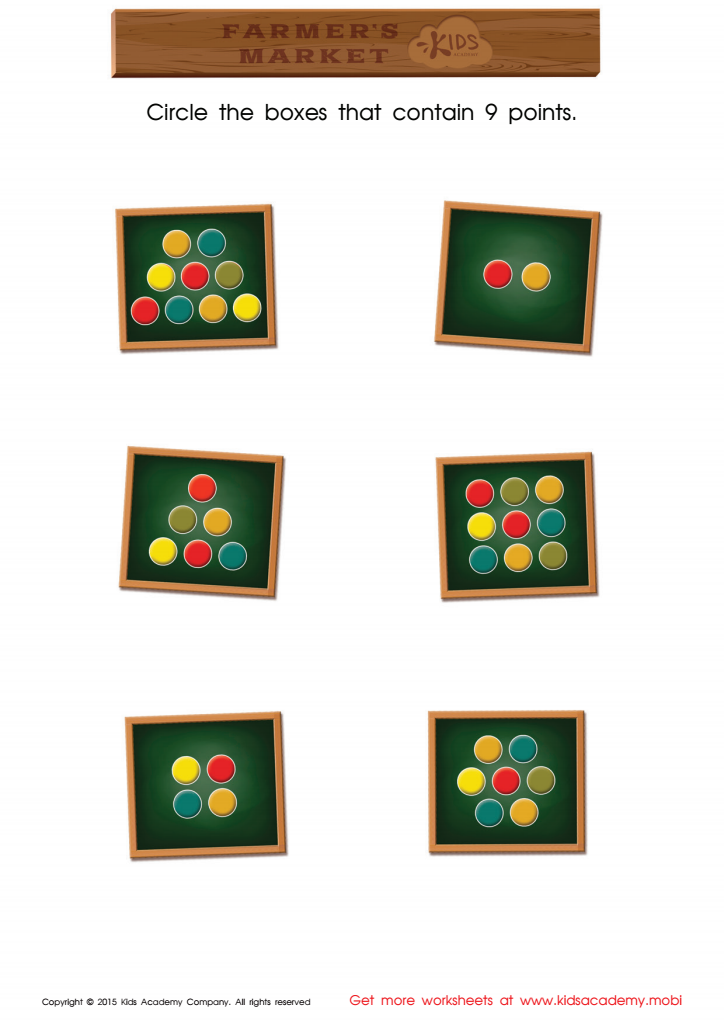
Count and Match Points 9 Math Worksheet
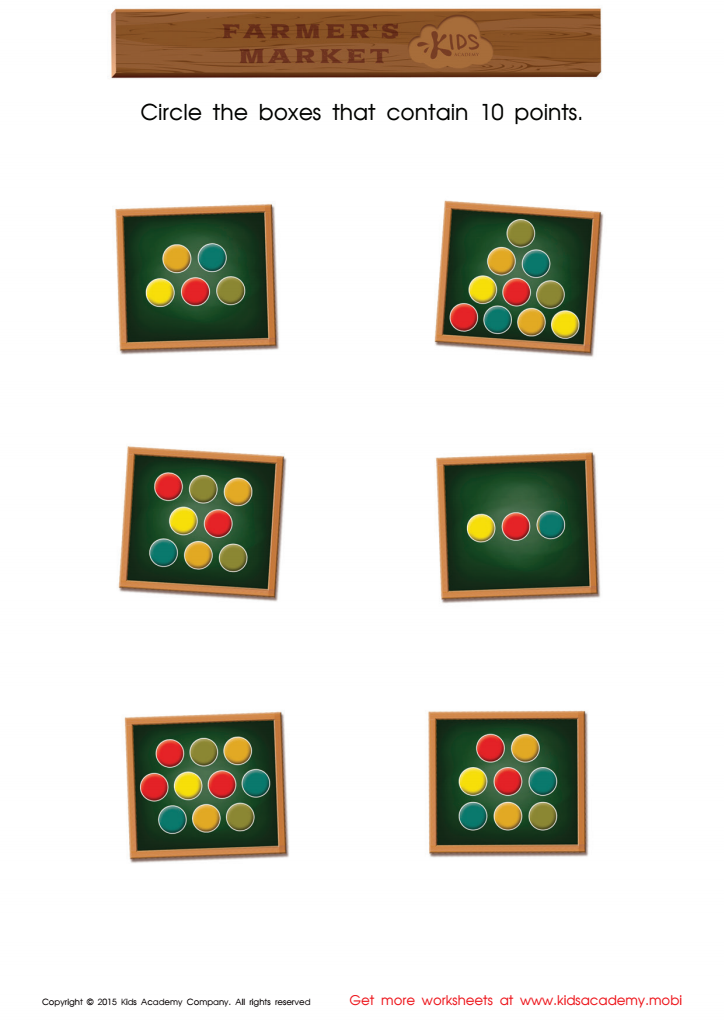
Count and Match Points 10 Math Worksheet
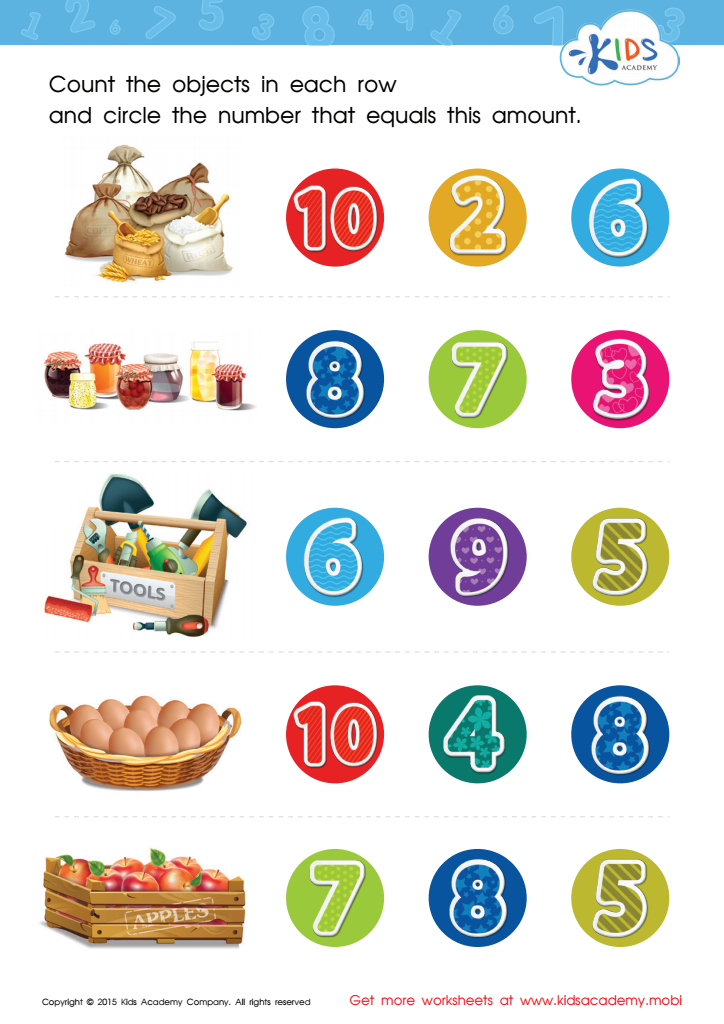
Count and Match 6 – 10 Math Worksheet
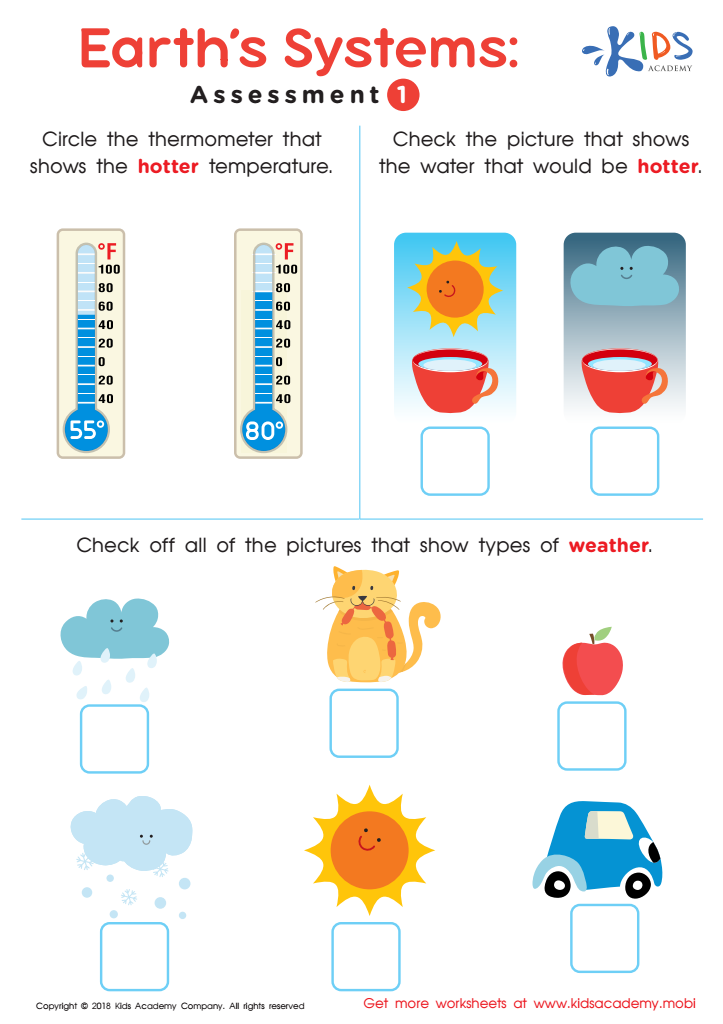
Earth's Systems: Assessment 1
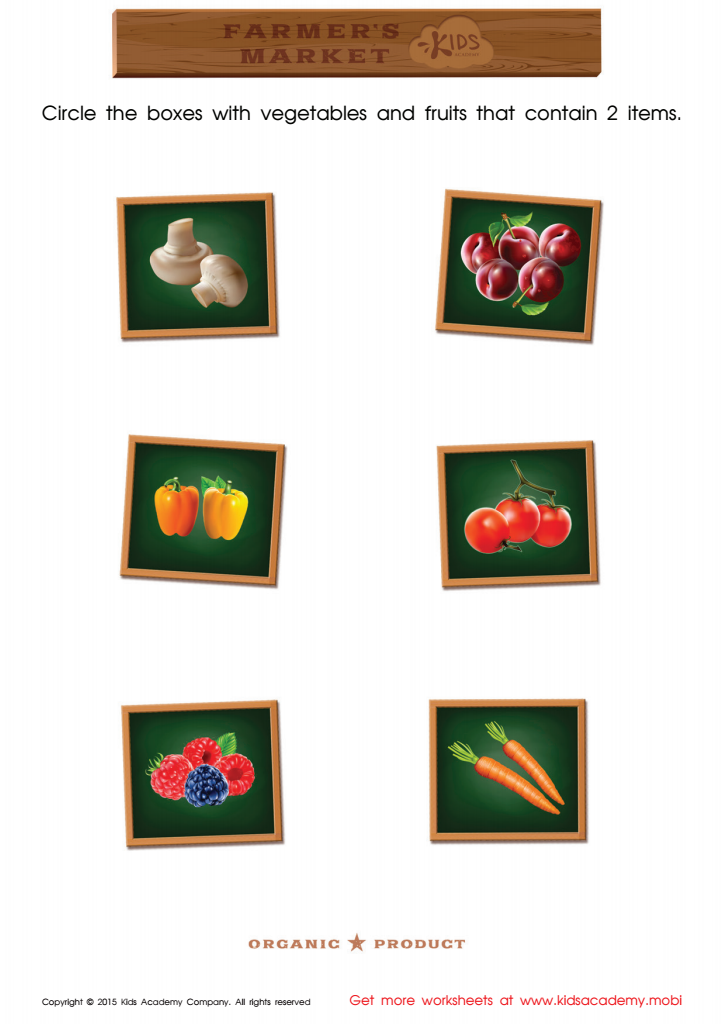
Count and Match Vegetables and Points Math Worksheet
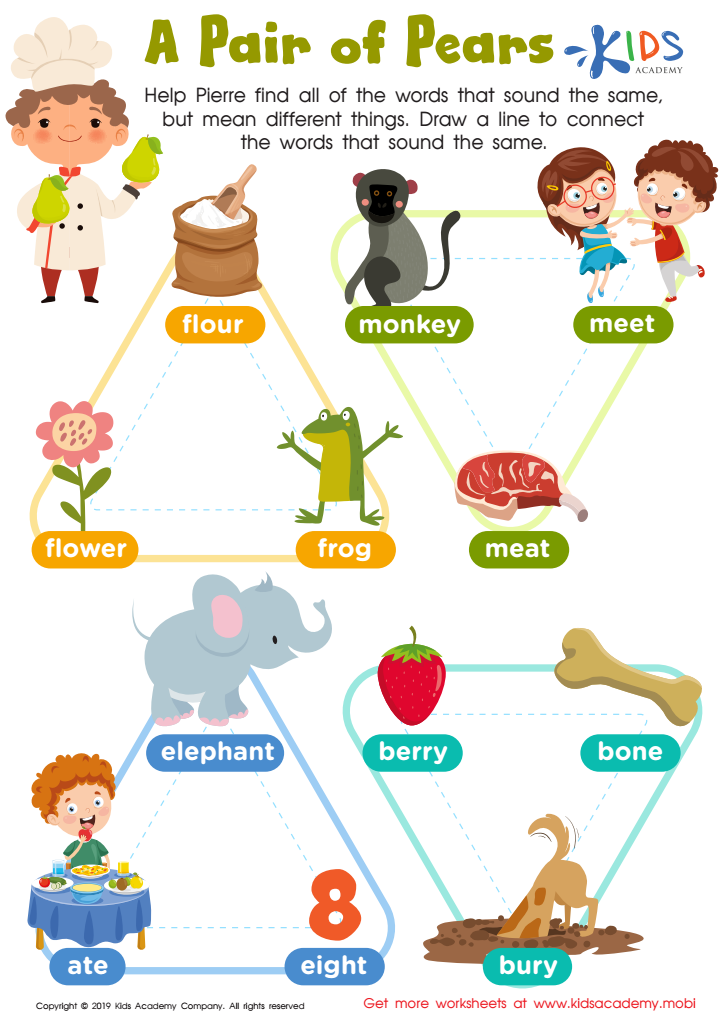
Pair Pears Worksheet







Matching numbers is a crucial skill for children aged 3 to 9, forming the foundation for their mathematical understanding. Parents and teachers should prioritize this skill for several reasons. First, it enhances cognitive development by fostering critical thinking and problem-solving abilities. When children match numbers, they practice recognizing and understanding quantity, which is essential in everyday life situations.
Moreover, matching numbers aids in the development of fine motor skills as children often manipulate physical objects, such as cards or counters, to make connections between numbers and quantities. This physical interaction promotes engagement in learning, making it more enjoyable and memorable.
Additionally, mastering matching numbers supports future mathematical learning, including addition and subtraction. Children who practice this skill early on are generally more prepared for advanced concepts in higher grades.
Encouraging number matching also promotes collaborative learning; parents and teachers can engage children in games that require teamwork, fostering communication and social skills.
Ultimately, matching numbers is not merely a sequence of activities; it lays the groundwork for a child’s overall academic success and fosters a love for learning that can last a lifetime. Thus, understanding its significance can drive effective educational practices and family involvement in children's early education.








