Mathematical reasoning Worksheets for Ages 3-9 - Page 2
69 filtered results
-
From - To
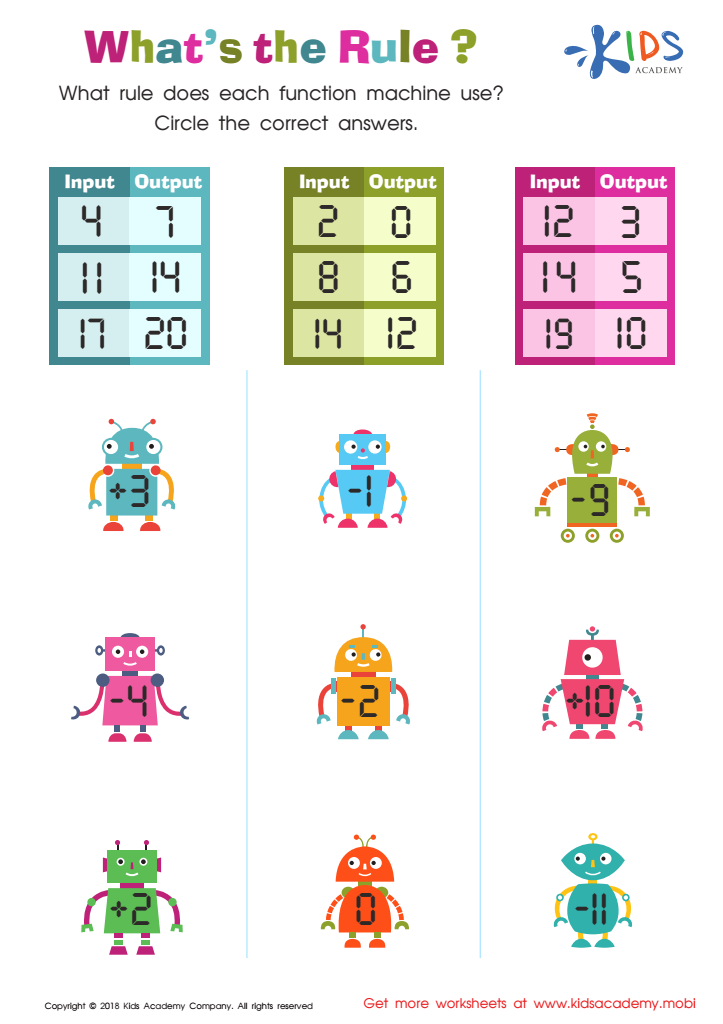
What's the Rule Worksheet
 Assign to My Students
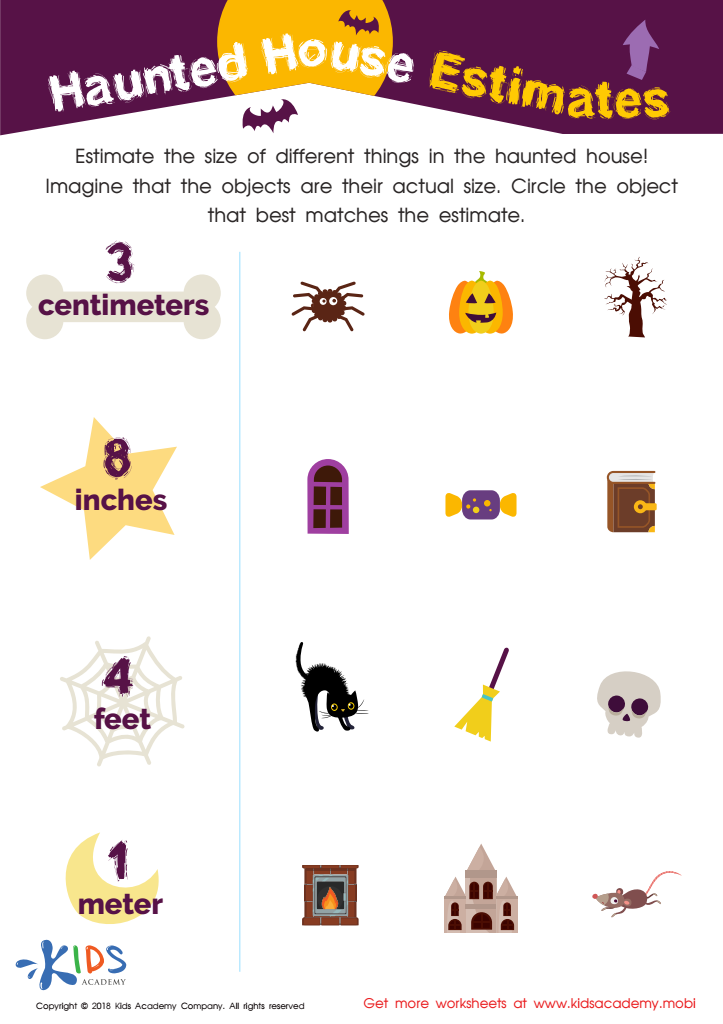
Haunted House Estimates Worksheet
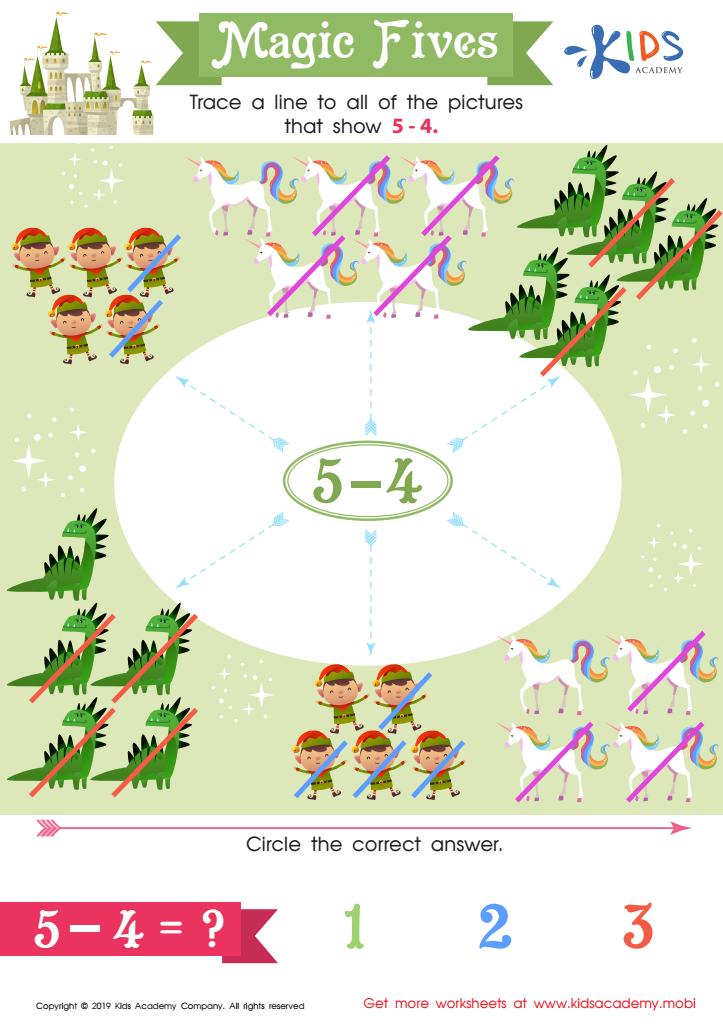
Magic Fives Worksheet
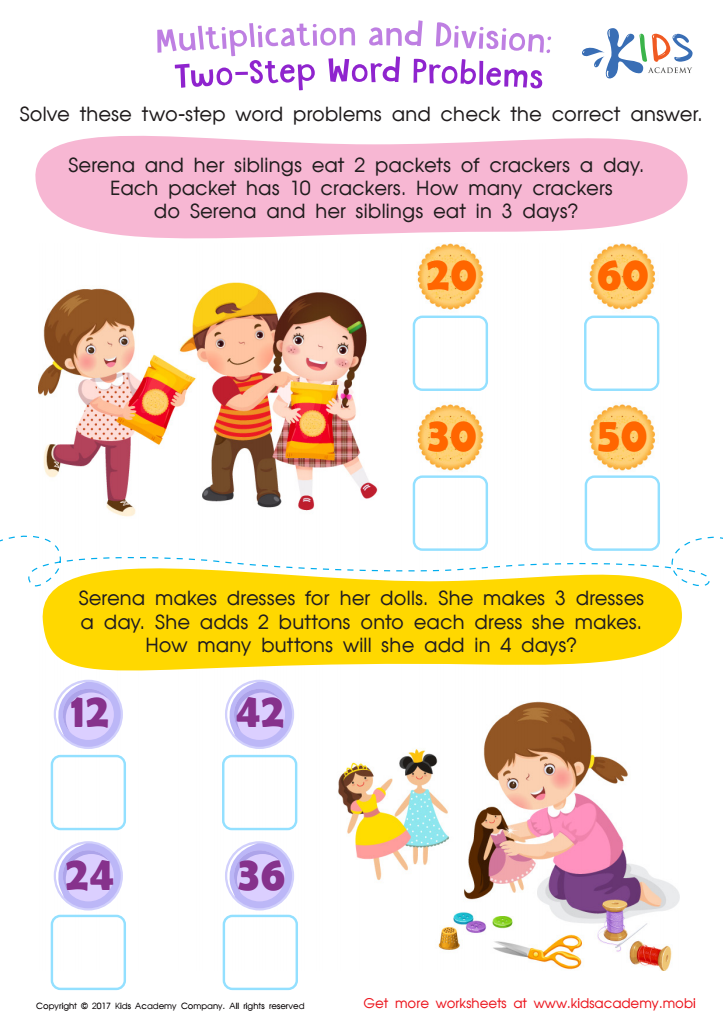
Two Step Word Problems Worksheet
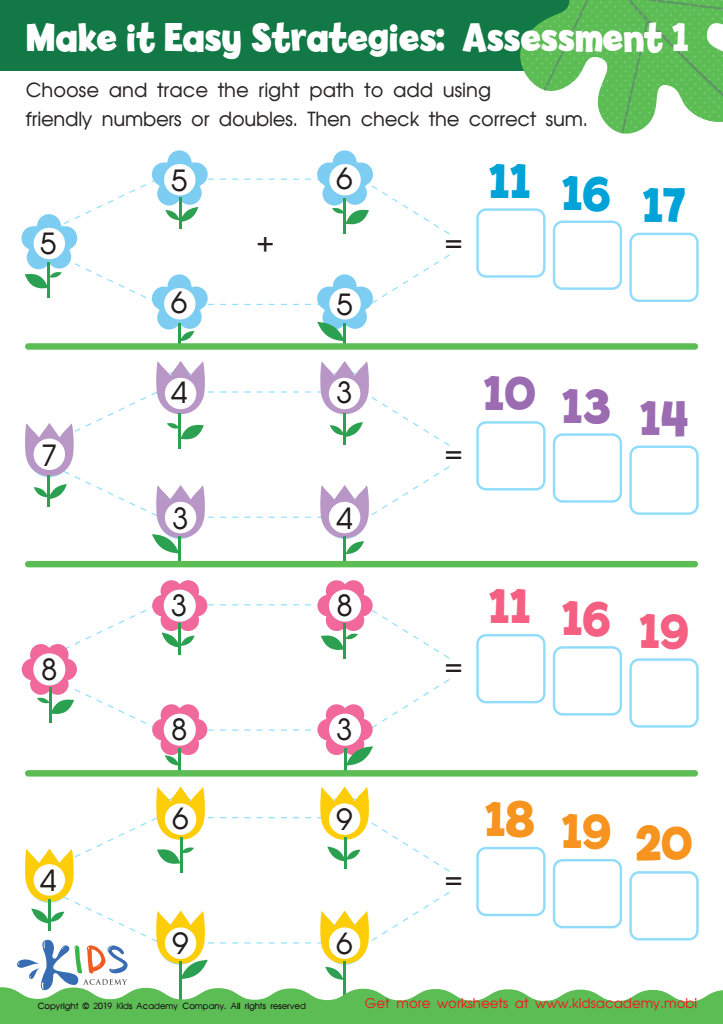
Make it Easy Strategies: Assessment 1 Worksheet
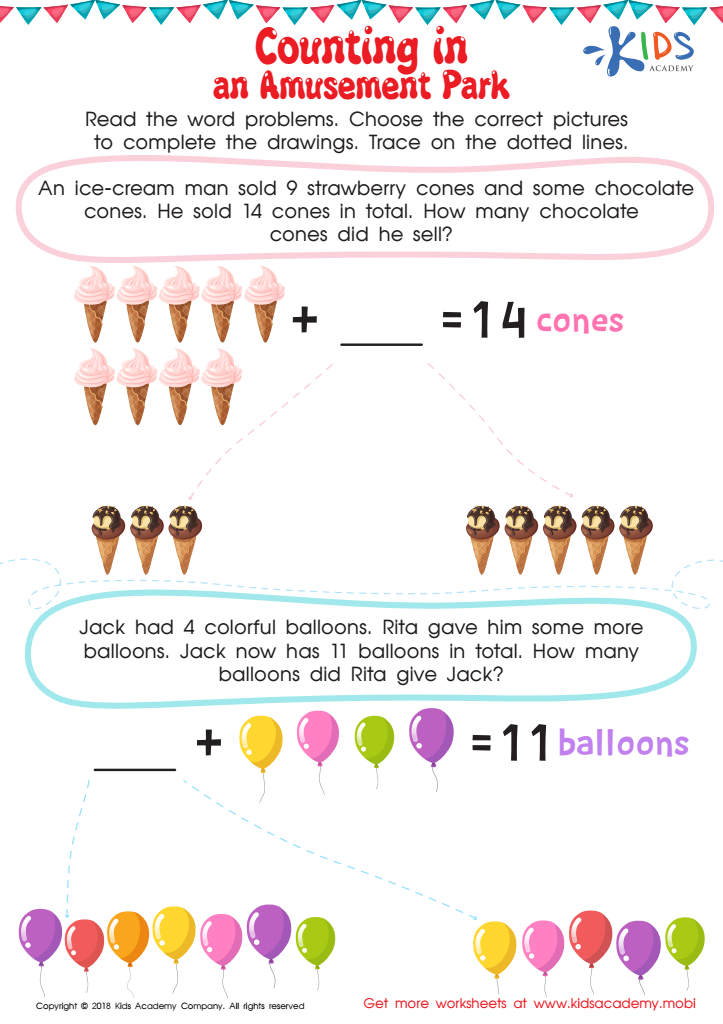
Counting in an Amusement Park Worksheet
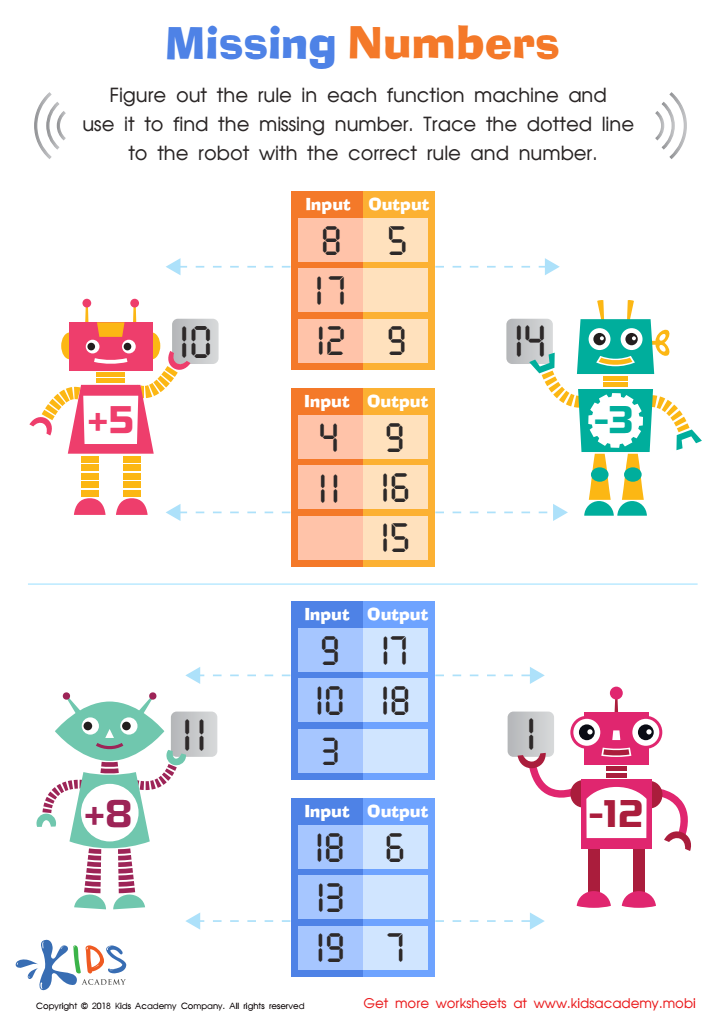
Missing Numbers Worksheet
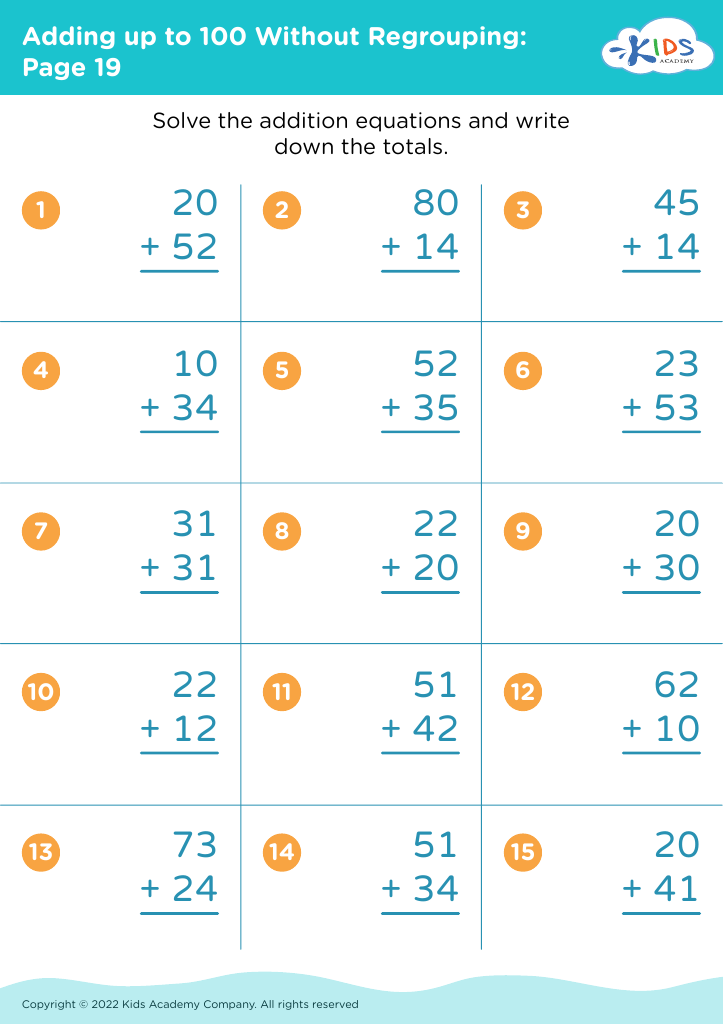
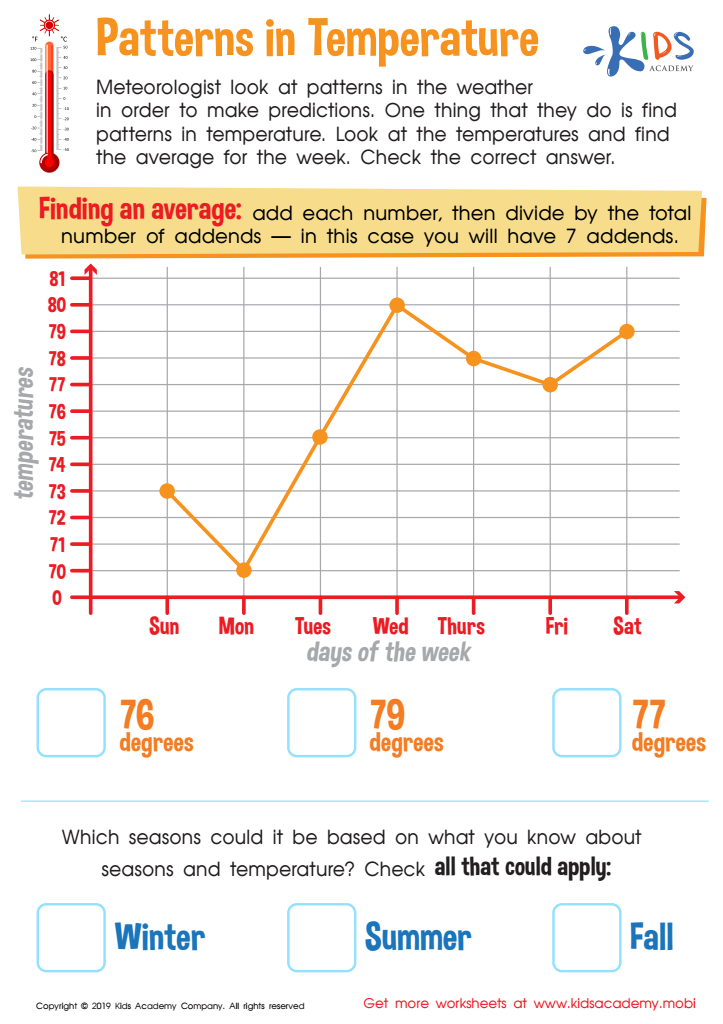
Patterns in Temperature Worksheet
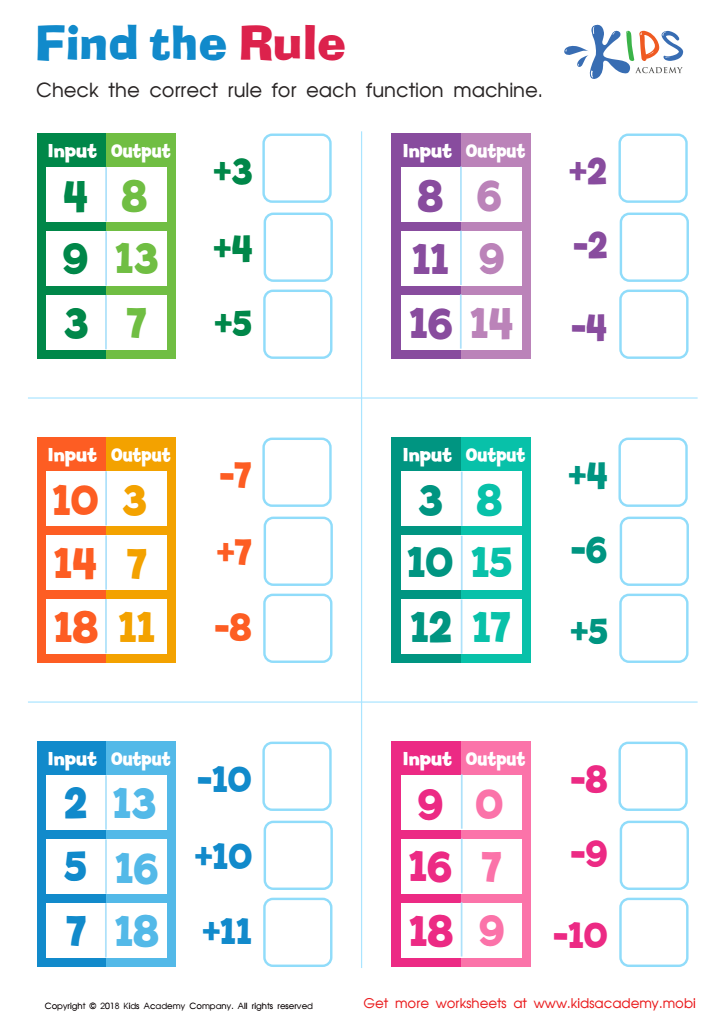
Find the Rule Worksheet
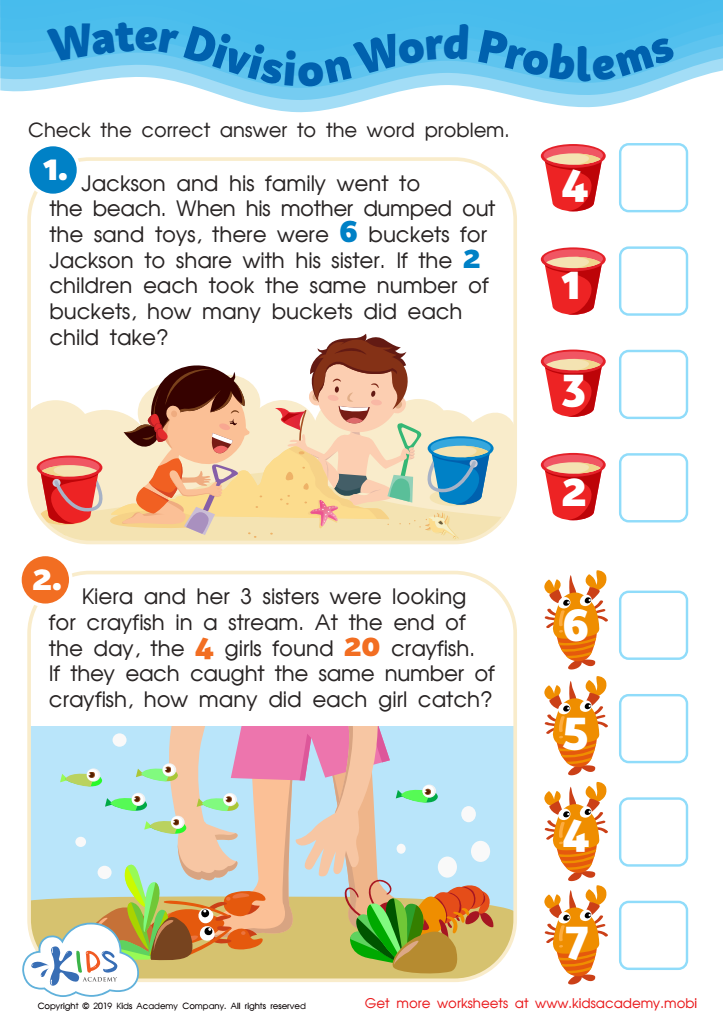
Water Division Word Problems Worksheet
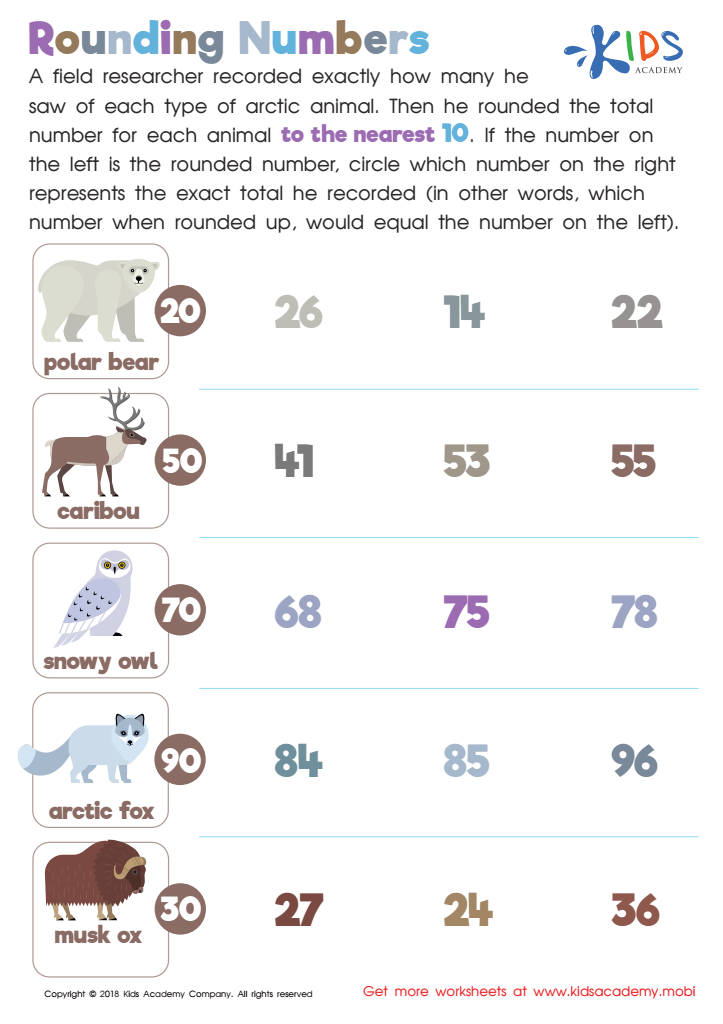
Rounding Numbers Worksheet
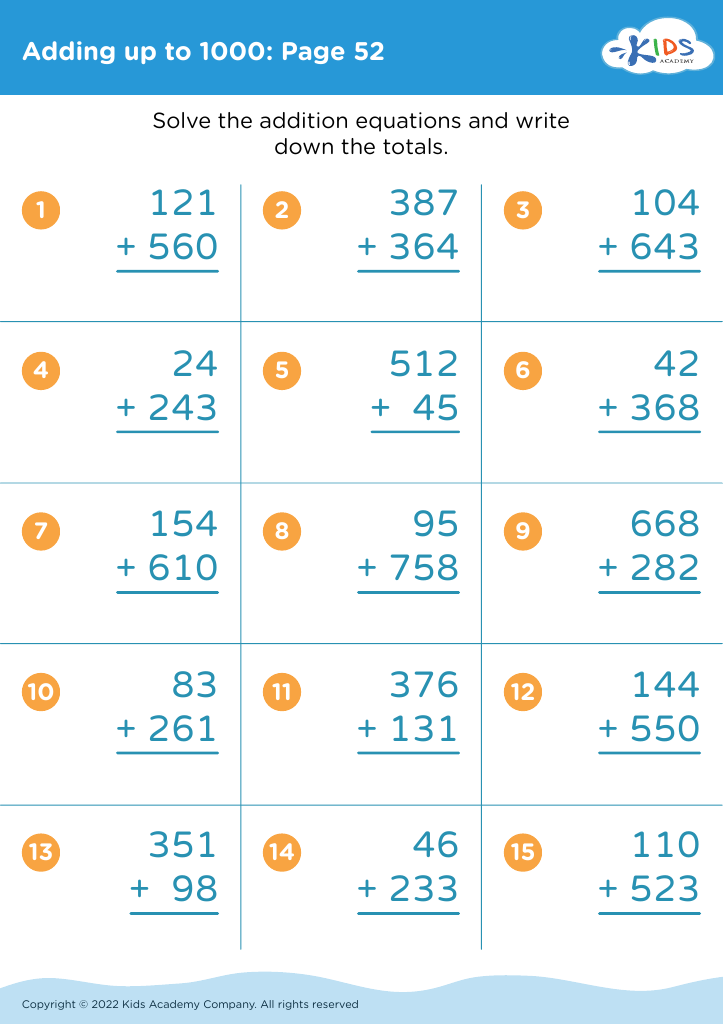
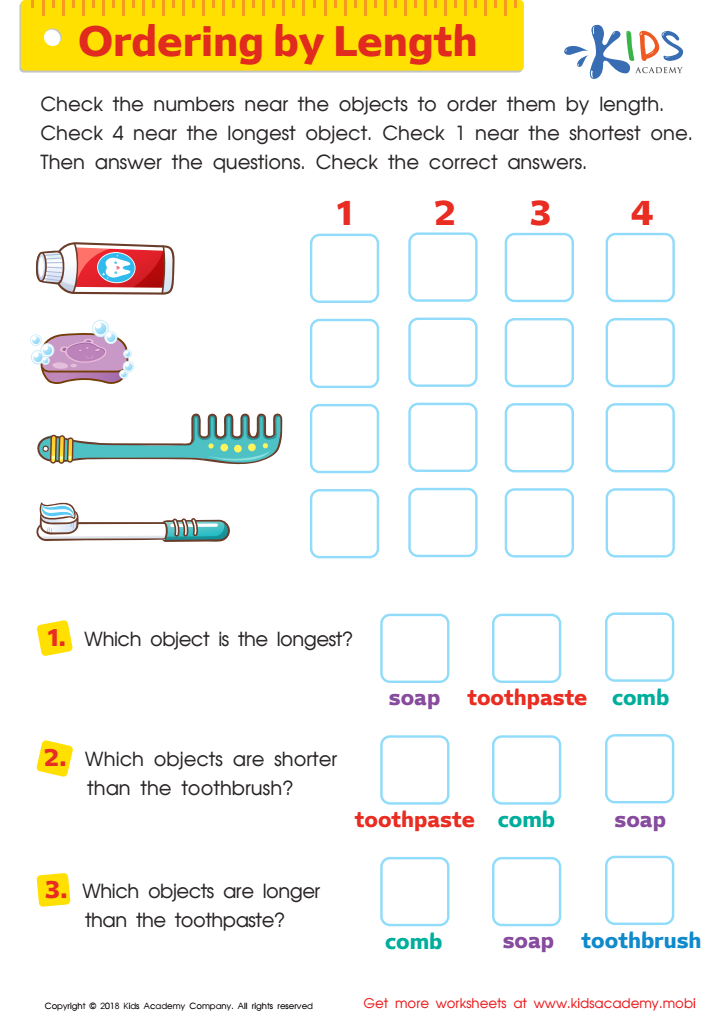
Ordering by Length Worksheet
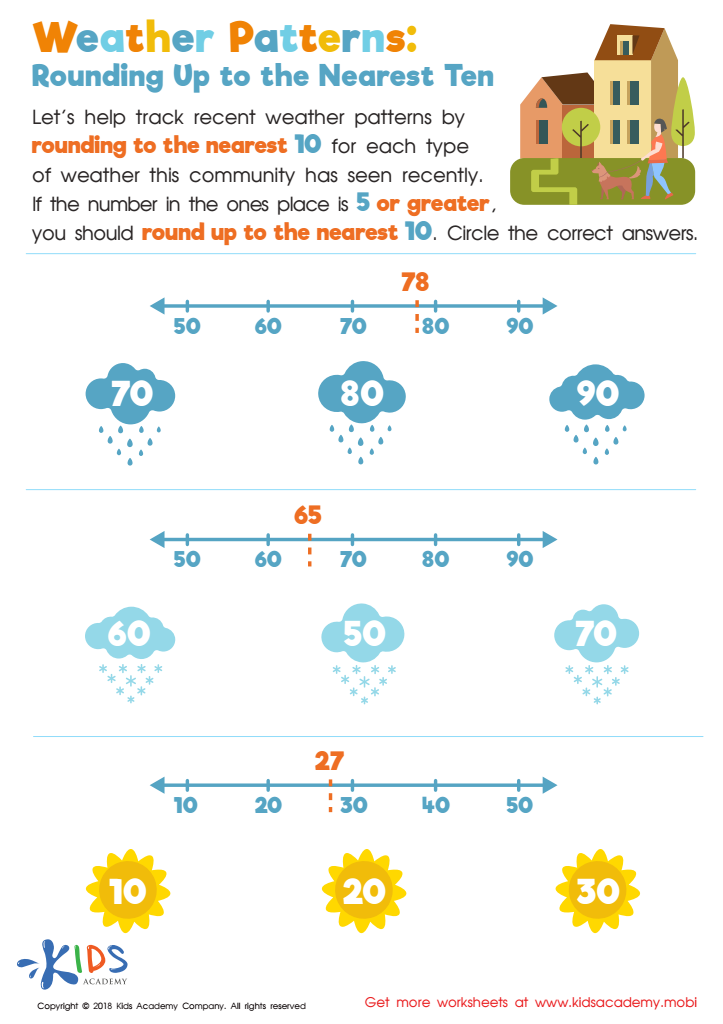
Weather Patterns Worksheet
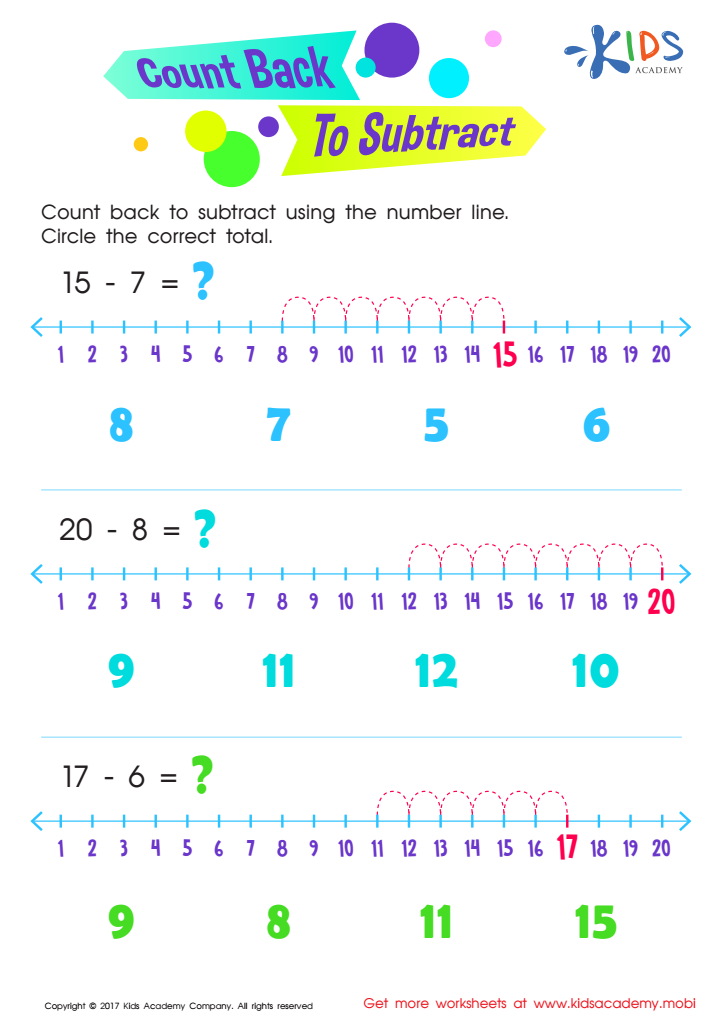
Count Back to Subtract Substraction Worksheet
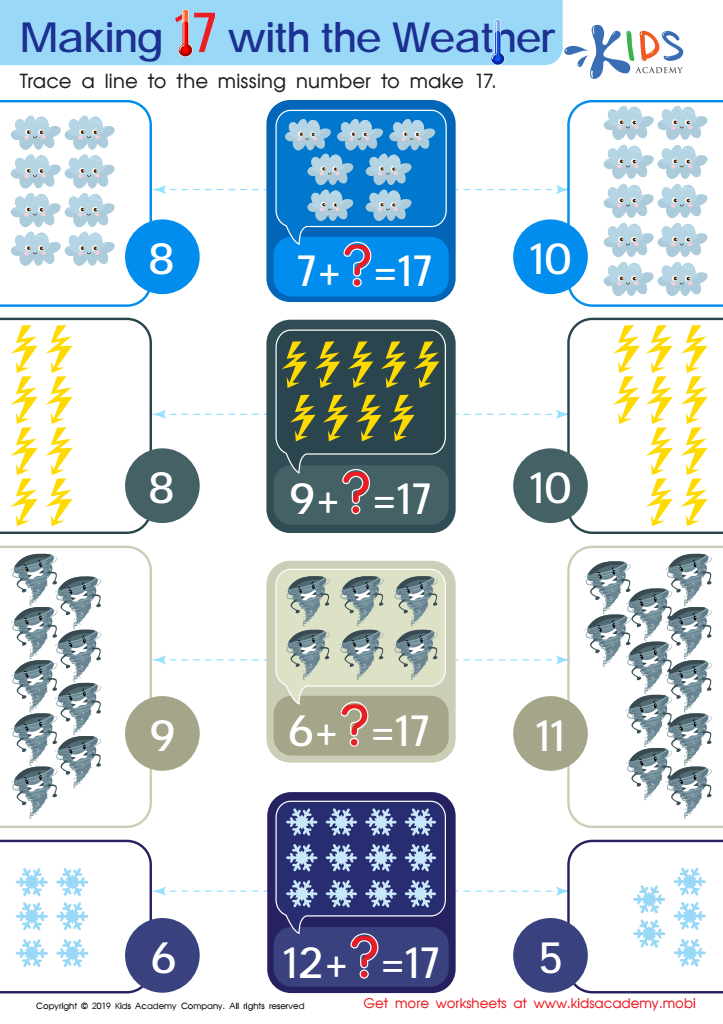
Making 17 with the Weather Worksheet
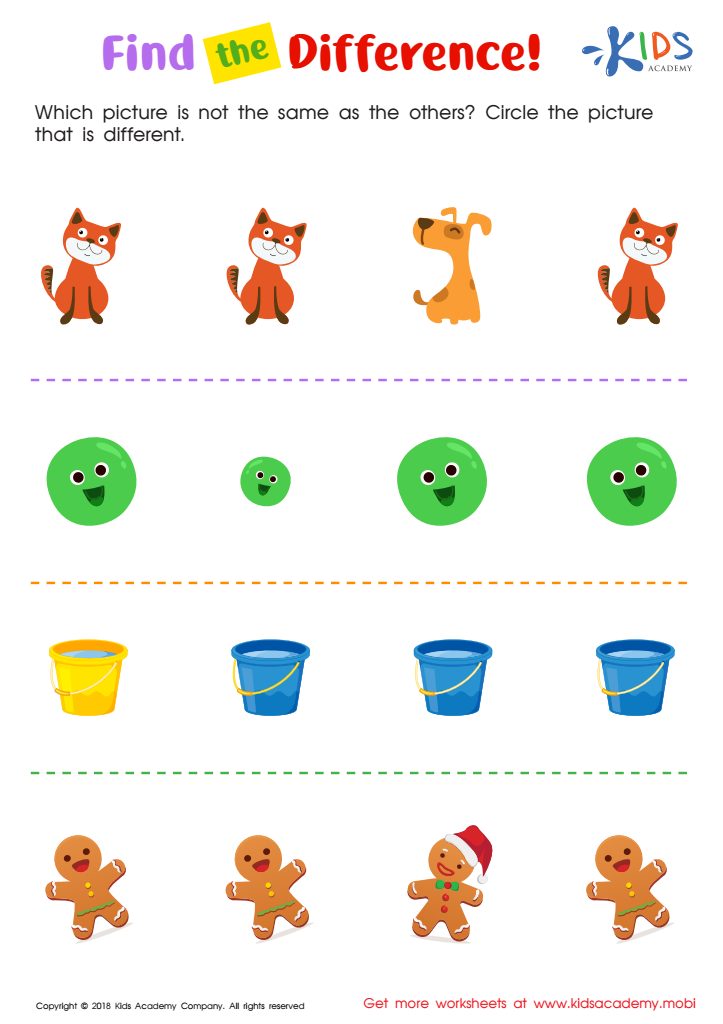
Find the Difference Worksheet
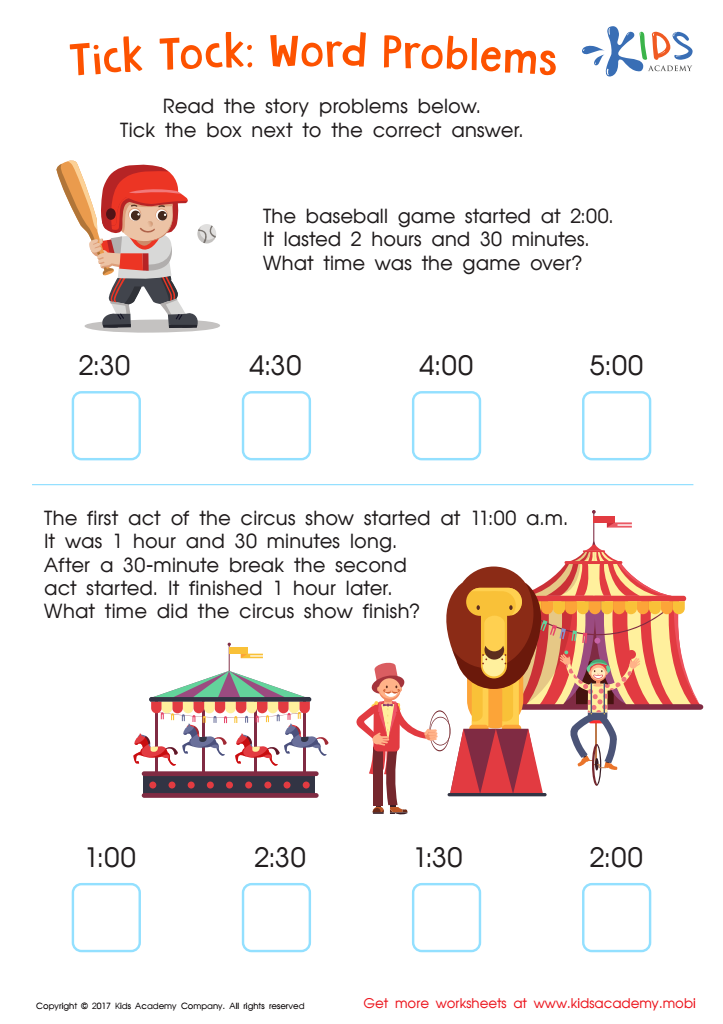
Tick Tock Word Problems Time Worksheet
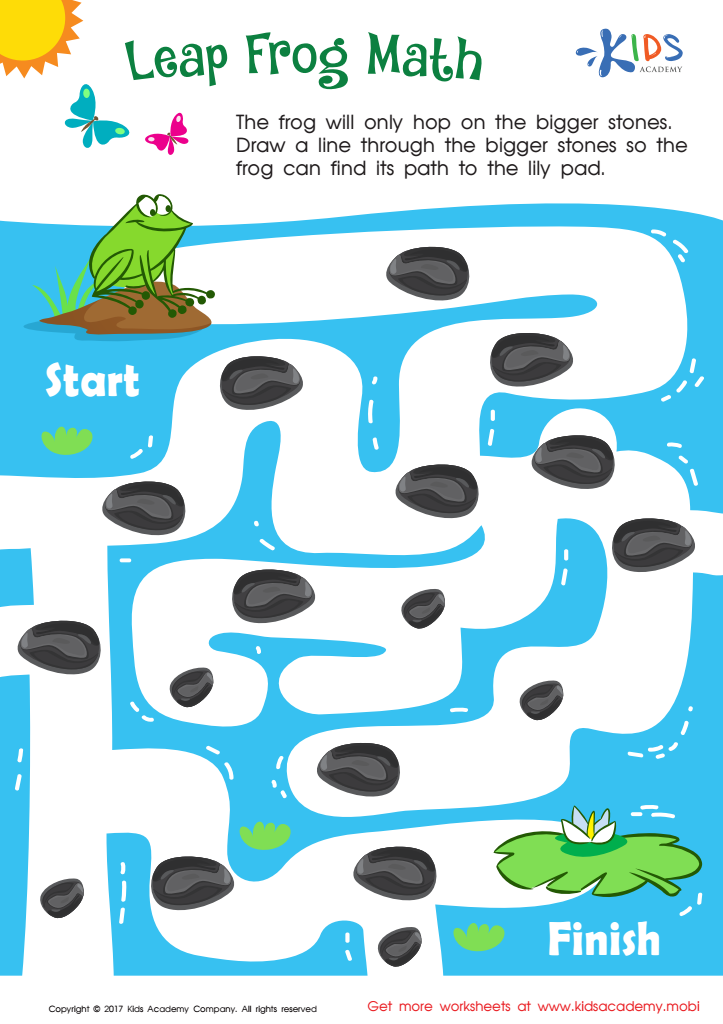
Math Puzzle Worksheet
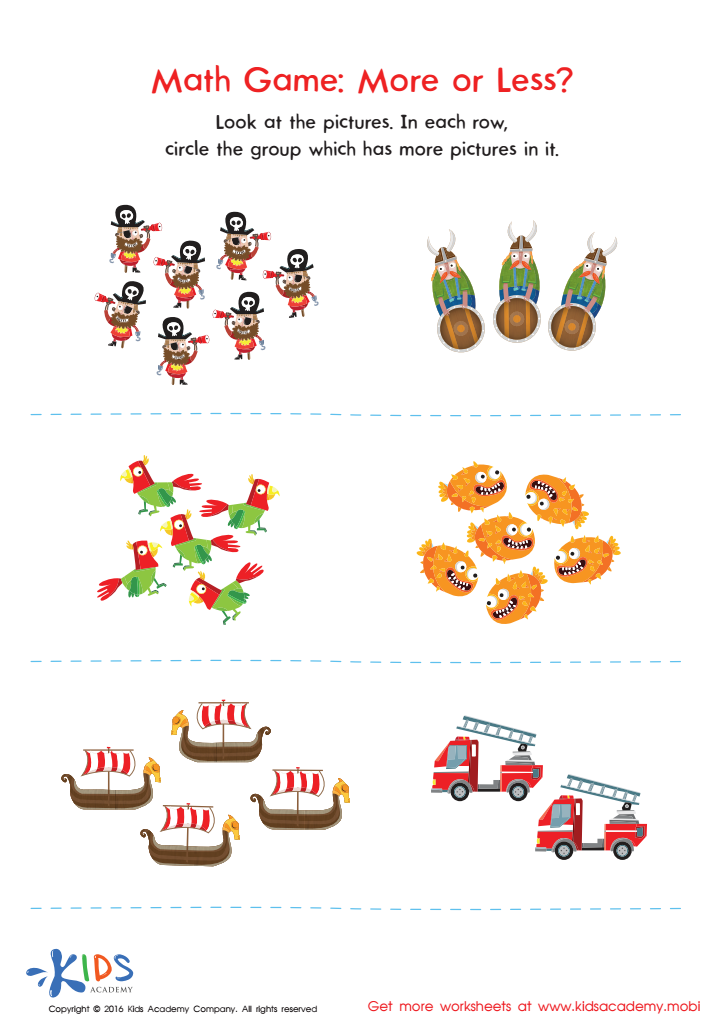
More or Less Worksheet
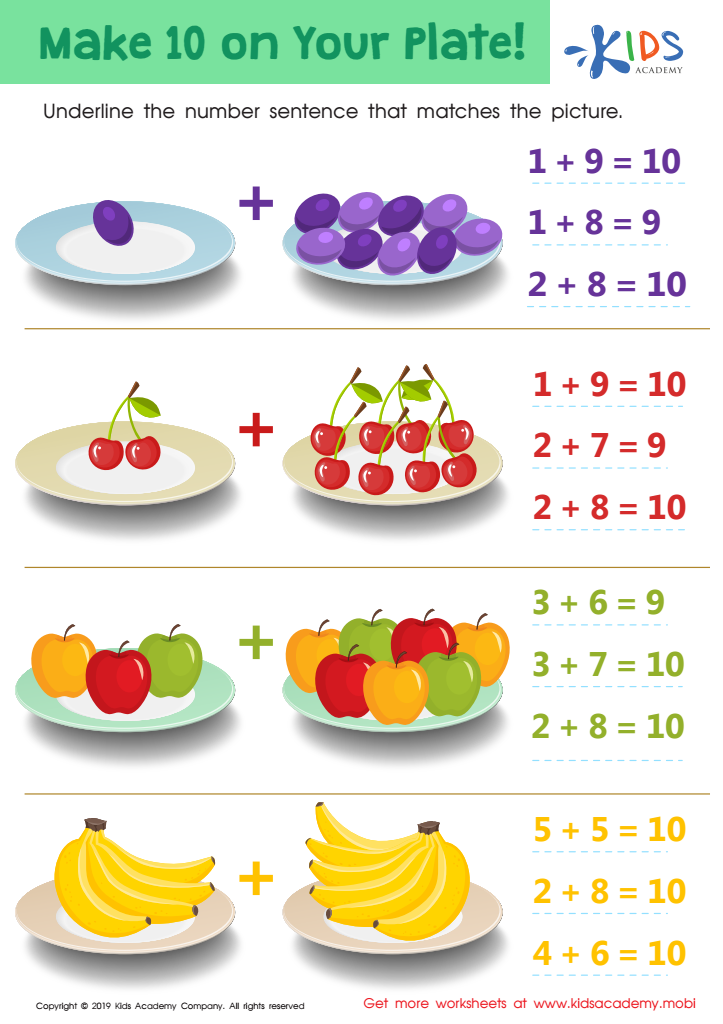
Make 10 on Your Plate! Worksheet




.jpg)

Mathematical reasoning is pivotal for children ages 3-9 as it lays the foundation for critical thinking and problem-solving skills essential throughout their lives. At this developmental stage, children's brains are highly receptive to new concepts, and fostering mathematical reasoning helps them understand not just numbers but patterns, relationships, and logical structures. This early foundation is crucial for academic success as math is a cumulative subject where each concept builds upon the previous one.
By encouraging mathematical reasoning from a young age, parents and teachers help children develop confidence in their abilities to tackle complex challenges. It goes beyond rote memorization, allowing children to grasp 'why' behind mathematical concepts, fostering deeper understanding and long-term retention. Engaging games, puzzles, and real-world problem-solving activities make learning fun and intuitive, linking abstract ideas to tangible experiences.
Furthermore, early mathematical reasoning is linked to better outcomes in other academic areas, such as reading comprehension and scientific inquiry. It nurtures perseverance, attention to detail, and adaptability—skills that are invaluable in and out of the classroom. Parents and teachers, therefore, play a crucial role in providing a rich, supportive environment that champions curiosity and analytical thinking, setting the stage for a lifetime of learning.








