Number formation Worksheets for Ages 3-9
3 filtered results
-
From - To
Welcome to our Number Formation Worksheets for Ages 3-9, where learning number writing becomes a fun adventure! Our comprehensive collection is designed to strengthen early math skills through engaging and interactive activities. Perfect for children from preschool to grade 3, these worksheets promote proper number formation, improve fine motor skills, and boost overall confidence in math. With a variety of exercises tailored to different learning stages, kids will enjoy tracing, coloring, and practicing their numbers. Foster a love for numeracy in your little learners with our playful and educational resources, making learning both enjoyable and effective! Download and start today!
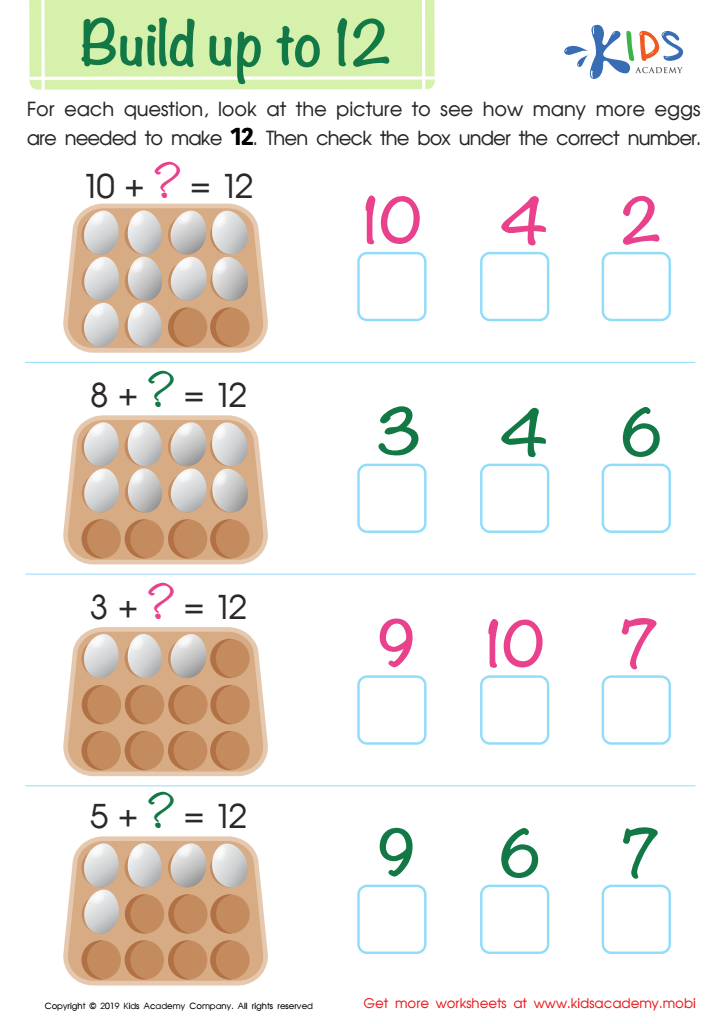
Build up to 12 Worksheet
 Assign to My Students
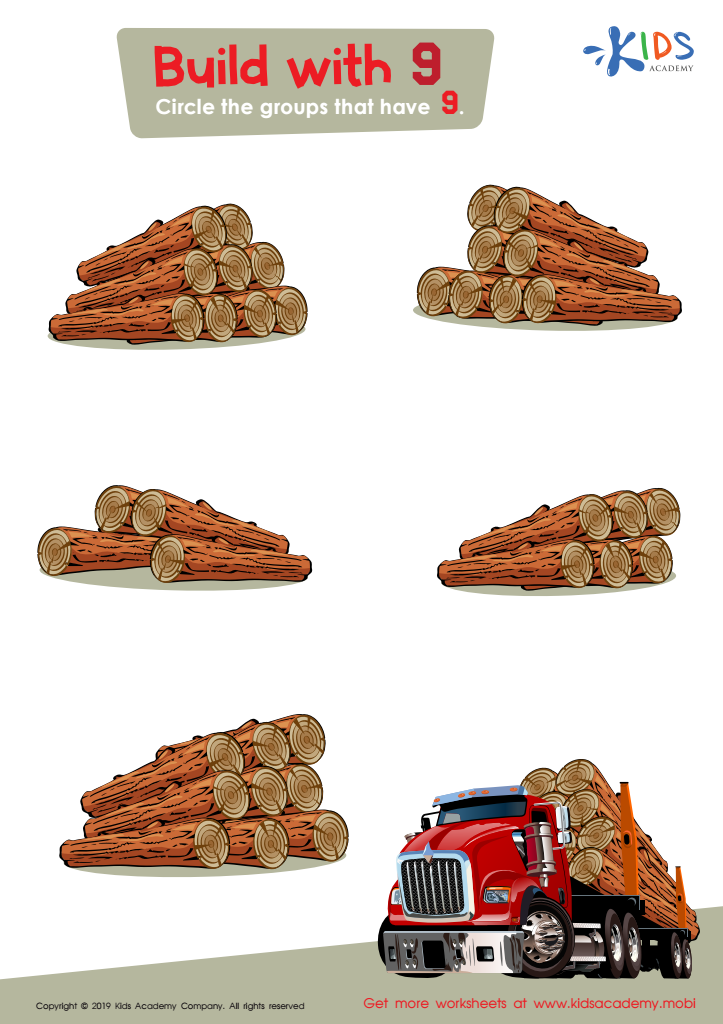
Build with 9 Worksheet
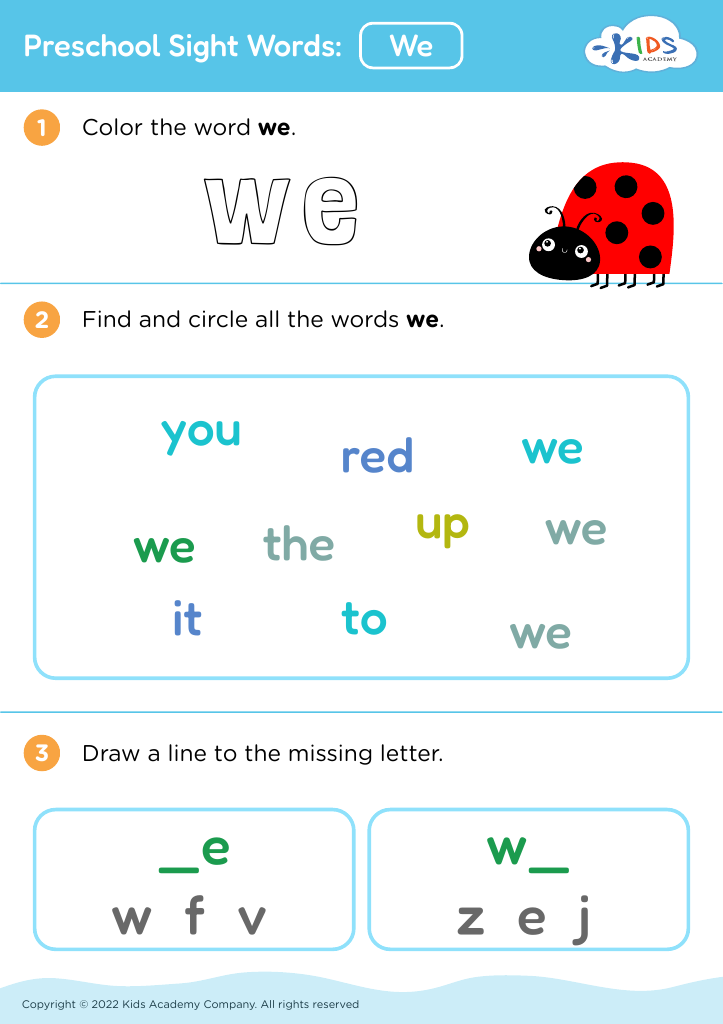





.jpg)


Number formation is a crucial skill for children ages 3-9 as it lays the foundation for their mathematical understanding and overall cognitive development. Mastering the correct formation of numbers not only enhances children's ability to write numerals legibly but also helps them recognize the relationship between numbers and their quantities.
For parents and teachers, fostering good number formation habits can lead to increased confidence in math skills, reducing anxiety associated with numerical tasks. When children learn to form numbers correctly, it boosts their engagement with mathematics, making it easier for them to grasp more complex concepts later on.
Additionally, proper number formation is tied to fine motor skills development. Encouraging children to practice this skill through fun and engaging activities can improve their hand-eye coordination and dexterity, which are essential for other academic tasks and everyday activities.
Moreover, early interventions in number formation establish a supportive learning environment that nurtures mathematical thinking from an early age. Understanding numbers and their formations promotes critical problem-solving skills essential for everyday life. Thus, the emphasis on teaching number formation holds long-term benefits, reinforcing a child's overall educational journey.








