
Number representation Worksheets for Ages 3-9
4 filtered results
Difficulty Level
Grade
Age
-
From - To
Subject
Activity
Standards
Explore our engaging Number Representation Worksheets designed for children aged 3-9! These interactive resources help young learners grasp essential numerical concepts through fun activities. Each worksheet focuses on diverse methods of representing numbers, ensuring a comprehensive understanding of quantity, symbols, and counting. From tracing and writing digits to matching quantities with corresponding numeral forms, these worksheets cater to varying learning levels. Perfect for home or classroom use, they promote critical thinking and enhance fine motor skills in a playful way. Foster your child’s love for math and help them build a strong foundation with our exciting, easy-to-use worksheets today!
Favorites
With answer key
Interactive
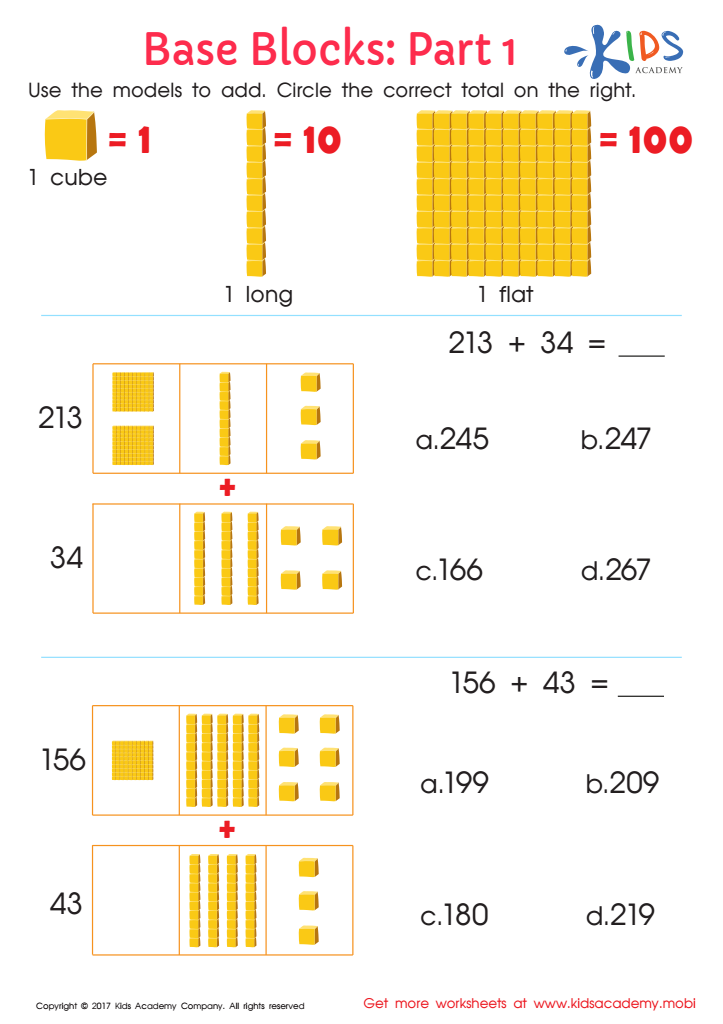
Base Ten Blocks Worksheet: Part 1
They promote numeracy and are a great substitute when kids don't have access to physical blocks.
 Assign to My Students
Base Ten Blocks Worksheet: Part 1
Worksheet
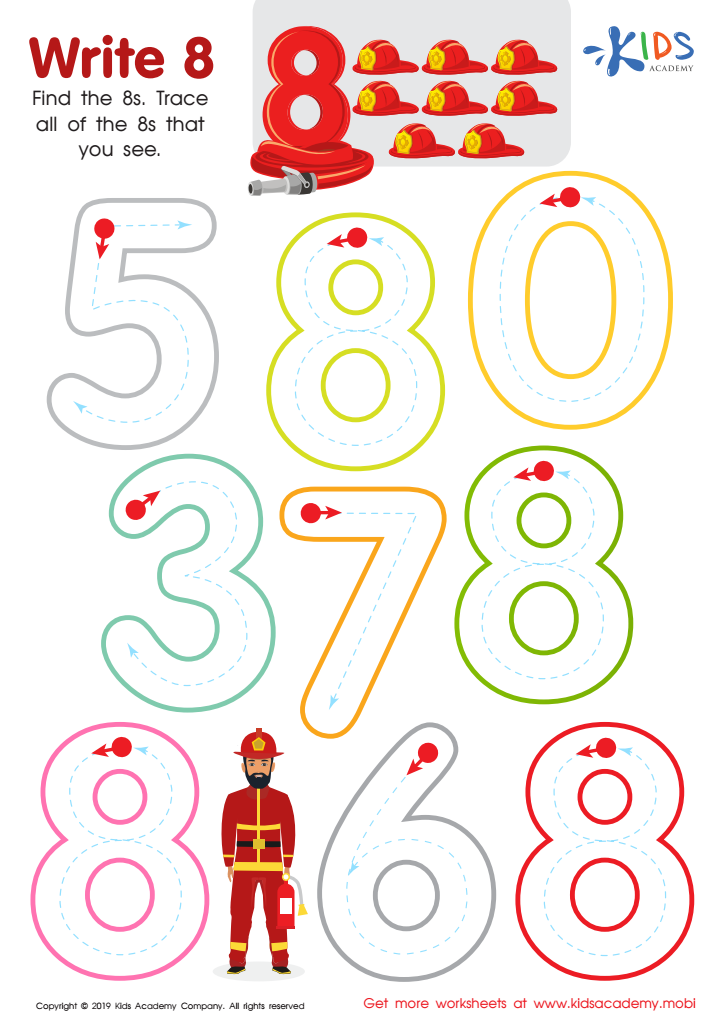
Write 8 Worksheet
Once your kids can count small numbers, it's time to learn how to write them. With your help and patience, they will soon be pros! This worksheet will make learning easier. Help them spot the 8s in the picture, then help them trace them.
Write 8 Worksheet
Worksheet
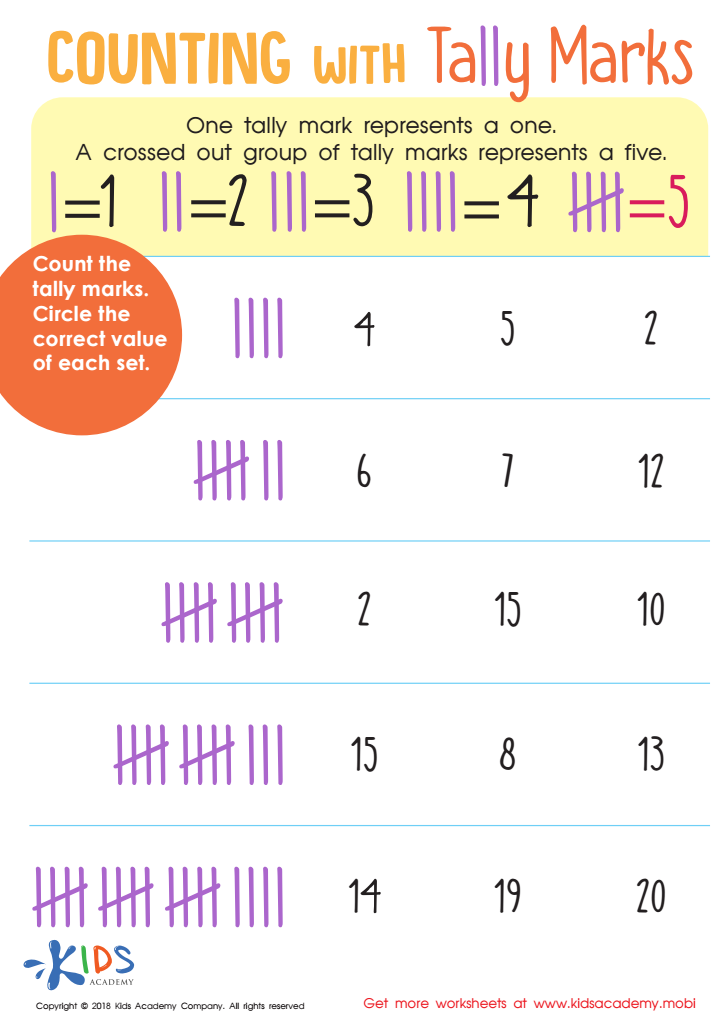
Counting with Tally Marks Worksheet
Young mathematicians can use tally marks to count on or back, and learn to give larger numbers value with efficiency. This PDF teaches them that each tally equals one and five can be grouped together to add/subtract quickly and accurately. They can then use tallies for math problems and scorekeeping during games with friends.
Counting with Tally Marks Worksheet
Worksheet
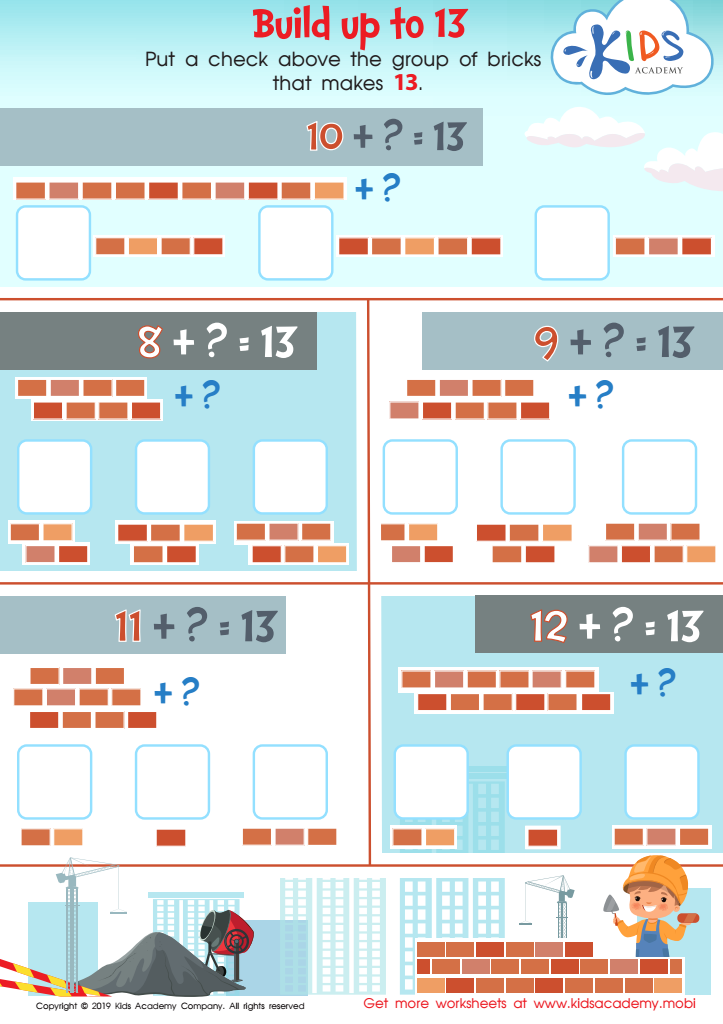
Build up to 13 Worksheet
Help your kids master addition and subtraction with this worksheet! It'll help clear up any confusion they may have with adding different numbers. Have them add up the simple equations and mark the group of bricks that makes 13. It's a great way for them to get familiar with the basics.
Build up to 13 Worksheet
Worksheet
Join Kids Academy for Free
Who is primarily going to use this learning content?








Number representation is a crucial concept for children aged 3-9, as it lays the foundation for their mathematical understanding and cognitive development. During these formative years, children begin to grasp the concept of numbers not merely as symbols, but as representations of quantities and values. Understanding number representation enhances children’s ability to recognize patterns, compare quantities, and solve problems, which are essential skills for their academic success.
For parents and teachers, nurturing this understanding is vital because early numeracy skills are linked to later mathematical proficiency. Engaging children in activities that promote number recognition, such as counting objects, playing number games, or using visual aids, fosters a positive attitude towards math, reducing the likelihood of math anxiety in later years.
Furthermore, understanding number representation encourages a child’s critical thinking and problem-solving skills, essential for various aspects of life beyond academics. A solid foundation in this area also supports developments in language skills, as discussing numbers enhances vocabulary and communication abilities. Investing time and resources into teaching children about number representation ultimately equips them with the necessary tools to navigate the world around them effectively. Thus, parents and teachers play a pivotal role in shaping children’s numerical literacy and confidence.








