
Phonics enhancement Worksheets for Ages 3-9
5 filtered results
Difficulty Level
Grade
Age
-
From - To
Subject
Activity
Standards
Boost your child's reading journey with our "Phonics Enhancement Worksheets for Ages 3-9". These expertly designed printable resources focus on phonemic awareness, letter recognition, and sound blending. Perfect for young learners, our activities transform phonics practice into an engaging adventure. Each worksheet is crafted by education professionals to ensure your child builds a solid foundation in reading. Ideal for parents and teachers, these worksheets support early literacy milestones and cater to different learning styles. With our phonics enhancement worksheets, watch your little one’s confidence and skills soar. Download now and make phonics practice fun and effective!
Favorites
With answer key
Interactive
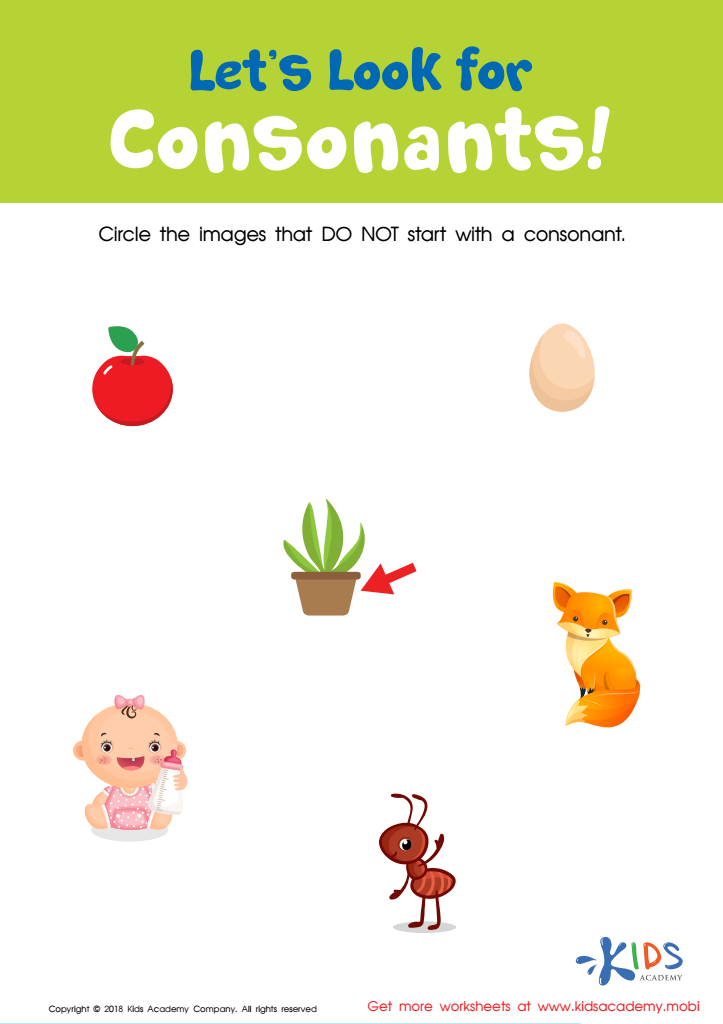
Let's Look for Consonants Worksheet
Help kids learn consonants and words that start with them. Ask them to recite the alphabet, then explain consonants are all letters but the 5 vowels. Use the worksheet to ask them to circle items without a consonant. Emphasize that's 21 consonants.
Let's Look for Consonants Worksheet
Worksheet
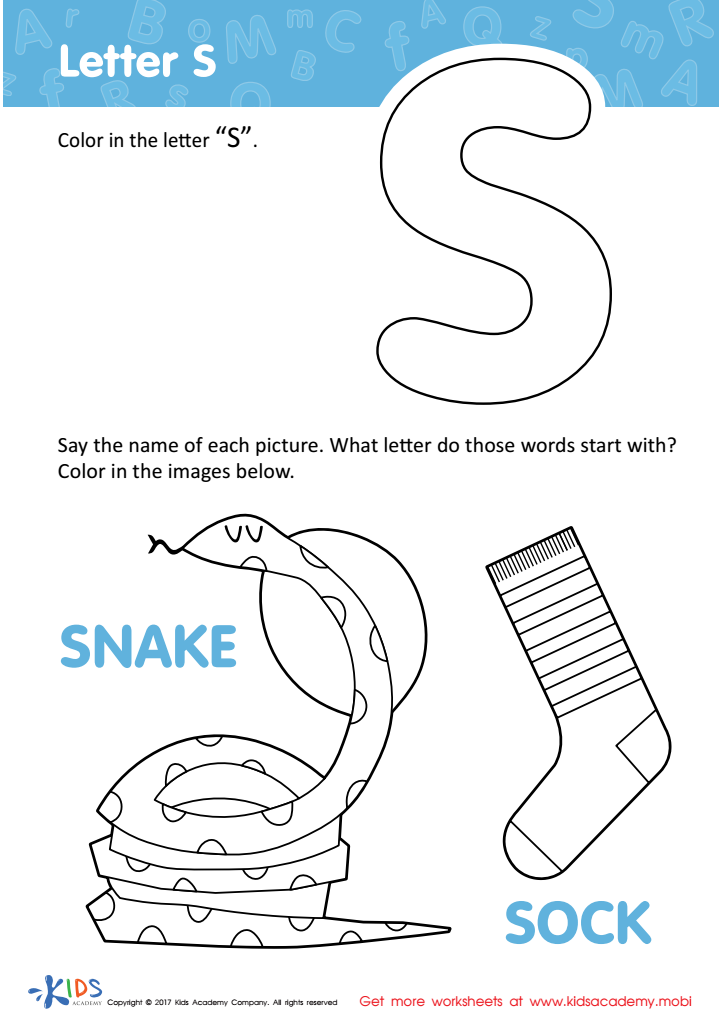
Letter S Coloring Sheet
Help your child practice recognizing the letter "S" and the sound it makes with this fun coloring page. It features a slippery snake, smelly sock and more! Give them extra practice by coming up with more "S" sounds and words.
Download (PDF)
 Assign to My Students
Assign to My Students
Letter S Coloring Sheet
Worksheet
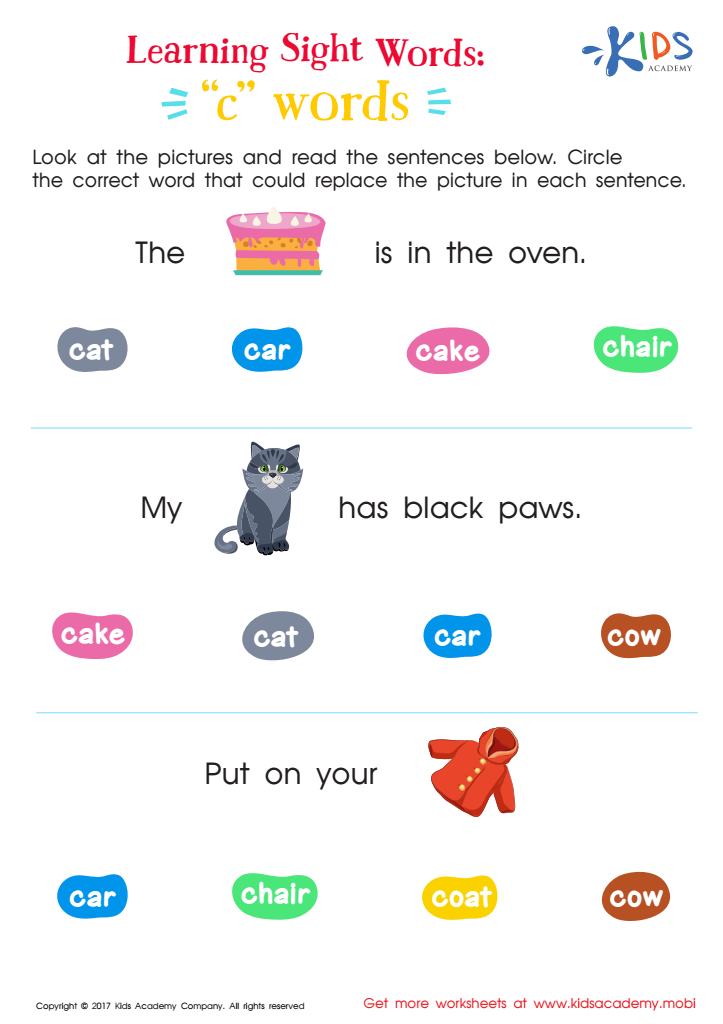
"C" Words Printable Sight Words Worksheet
This C Words worksheet will help them become familiar with common words that start with the letter 'c'. It's easy and fun!
"C" Words Printable Sight Words Worksheet
Worksheet
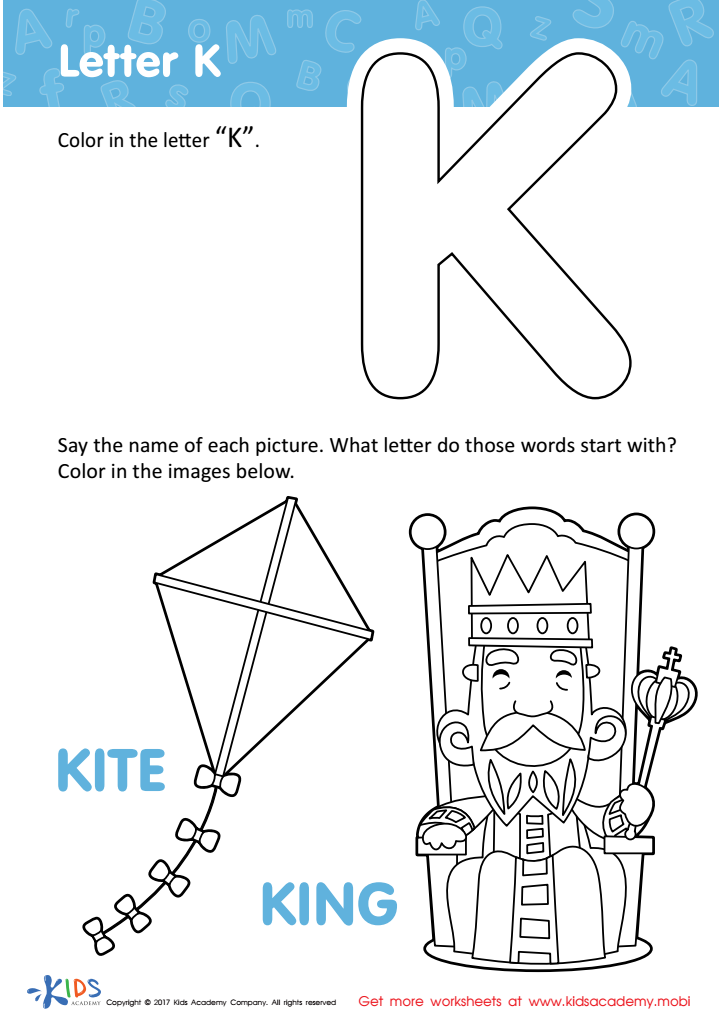
Letter K Coloring Sheet
This letter K coloring page captivates your child's creativity while learning the letter! Showcasing a king and kite, common words for their age group, it's sure to spark their imagination.
Download (PDF)
Assign to My Students
Assign to My Students
Letter K Coloring Sheet
Worksheet
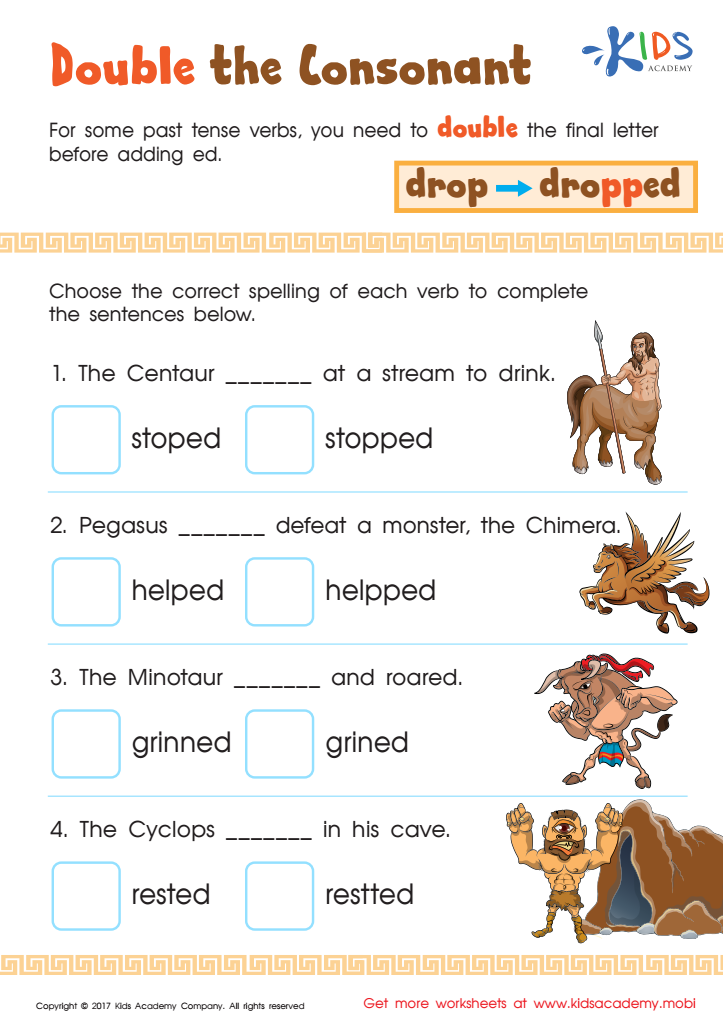
Double Consonant Spelling Worksheet
Rewrite:
This double consonant worksheet is perfect for 3rd graders to practice recognizing words with doubled letters in the past tense! With a mythology theme, your child can look through the answer choices to find the correct words.
Double Consonant Spelling Worksheet
Worksheet
Join Kids Academy for Free
Who is primarily going to use this learning content?


.jpg)





Phonics enhancement is crucial for children ages 3-9 as it lays the foundational stones for lifelong literacy skills. Phonics, the method of teaching reading by correlating sounds with symbols in an alphabetic writing system, helps children understand the relationships between letters and sounds. For young learners, mastering these basics is integral to their ability to decode new words, leading to improved reading fluency and comprehension.
For parents and teachers, investing in phonics at this stage ensures children develop strong reading skills early on, which is essential for academic success across all subjects. Studies have shown that children who receive systematic phonics instruction are more likely to become proficient readers compared to those who don't. This proficiency boosts their confidence and fosters a love for reading, facilitating independent learning and critical thinking.
Moreover, early phonics instruction can identify potential reading difficulties, allowing for timely intervention. Children who struggle with basic reading skills can receive the support they need before they fall too far behind. Thus, phonics enhancement is not just about teaching children how to read; it’s about equipping them with the skills they need for lifelong learning and success. Engaged parents and teachers play a vital role in this developmental phase, ensuring that children receive the encouragement and resources they need to thrive.








