Predicting outcomes Worksheets for Ages 3-9
3 filtered results
-
From - To
Discover the engaging "Predicting Outcomes Worksheets for Ages 3-9," specifically designed to boost critical thinking and comprehension skills. These printable activities by Kids Academy provide a fun way for children to practice making educated guesses about stories and scenarios. Suitable for kids from preschool to early elementary, each worksheet encourages young learners to observe details, draw inferences, and anticipate results. By enhancing these essential reading and cognitive skills, our predicting outcomes worksheets lay a solid foundation for future academic success.
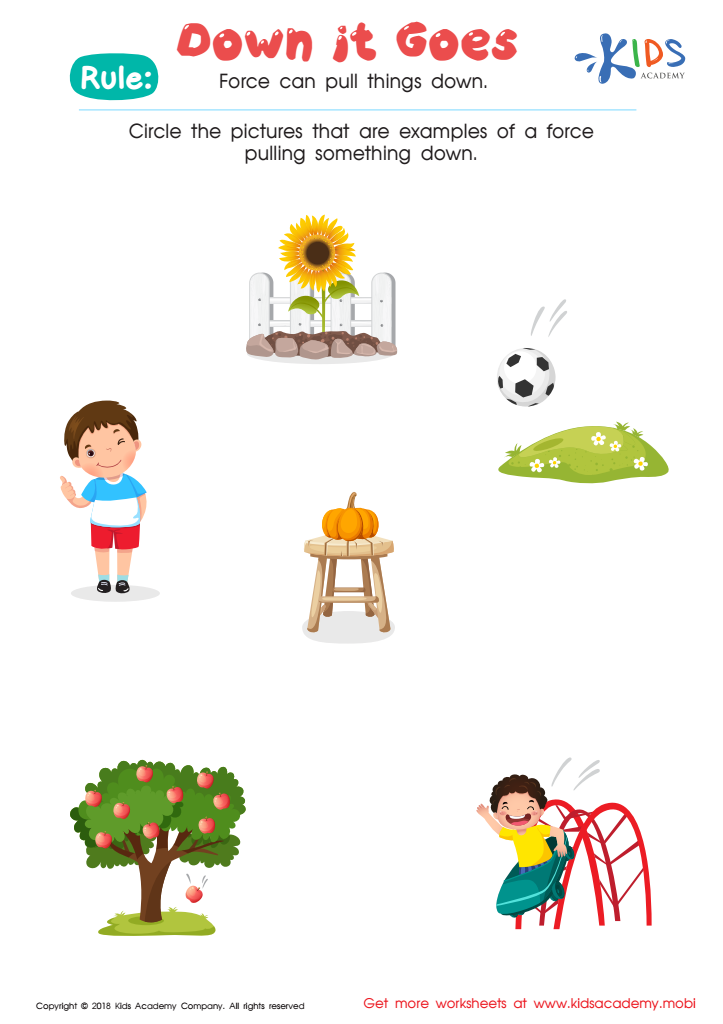
Down it Goes Worksheet
 Assign to My Students
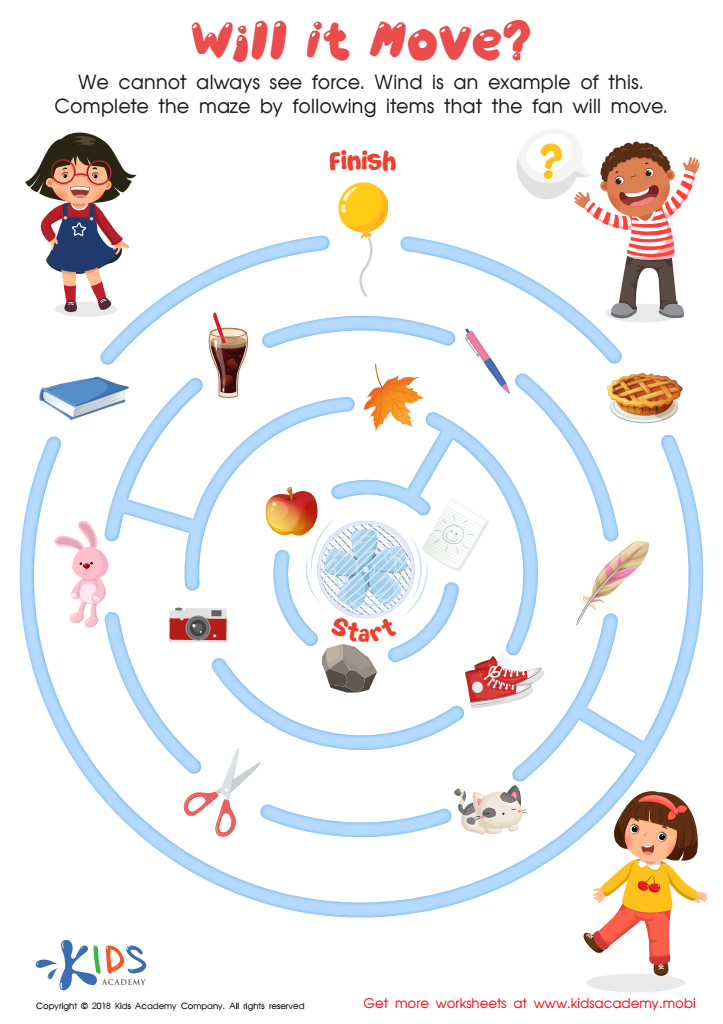
Will it Move? Worksheet

Race Car Ramp Worksheet





.jpg)

Predicting outcomes in children aged 3-9 is crucial for both parents and teachers as it aids in timely and targeted intervention, ensuring optimal development. Children's early years are formative, constituting a critical period where foundational skills in language, cognition, social interaction, and emotional regulation are developed. By predicting outcomes, caregivers and educators can identify potential developmental delays or learning difficulties early on.
This proactive approach allows for the introduction of tailored educational strategies or therapeutic interventions, significantly enhancing a child's ability to catch up to peers and succeed academically and socially. For example, recognizing early signs of reading difficulties enables phonics-based interventions that can prevent future literacy challenges.
Moreover, understanding potential outcomes aids in setting realistic expectations and fostering an optimal learning environment. Teachers can rapidly adapt curricula to meet emerging needs, while parents can provide supportive home environments that bolster their child’s learning trajectory.
Detecting and addressing issues early reduces future costs of intensive remediation and reduces psychological impacts linked to chronic academic struggles. In essence, a proactive focus on predicting outcomes leverages the plasticity of the young brain, securing a stronger and brighter future for every child.








