
Rhythm understanding Worksheets for Ages 3-9
3 filtered results
Difficulty Level
Grade
Age
-
From - To
Subject
Activity
Standards
Unlock your child's musical potential with our Rhythm Understanding Worksheets, designed for ages 3 to 9! These engaging activities foster a deep grasp of rhythm through fun, interactive exercises that encourage creativity and critical thinking. Each worksheet is carefully crafted to help children recognize and replicate rhythmic patterns, improving their musical skills while enhancing coordination and timing. Perfect for home or classroom use, our worksheets provide a vibrant way to introduce young learners to the world of music. Get ready to embark on an exciting auditory adventure that cultivates a lifelong appreciation for rhythm and sound! Explore our collection now!
Favorites
With answer key
Interactive
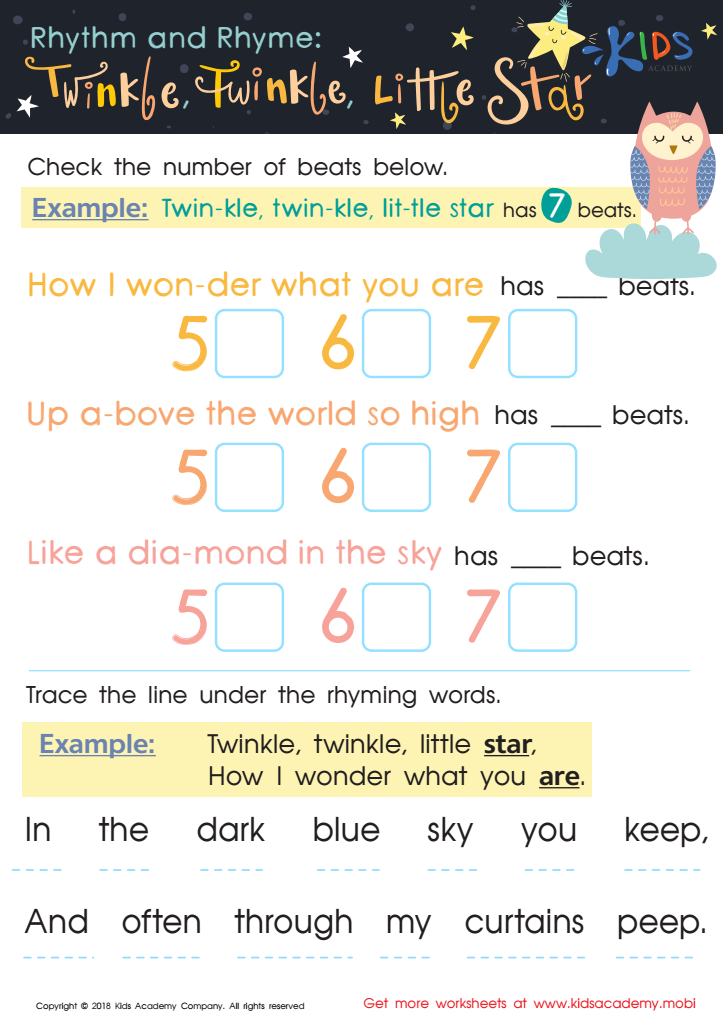
Rhythm and Rhyme: Twinkle, Twinkle, Little Star Worksheet
Kids will love learning about syllables in words with a fun children's song! Use the song Twinkle, Twinkle, Little Star to explain that each word has at least one beat. Have them clap out the beats in each word and check the boxes on this cute worksheet to identify the syllables.
 Assign to My Students
Rhythm and Rhyme: Twinkle, Twinkle, Little Star Worksheet
Worksheet
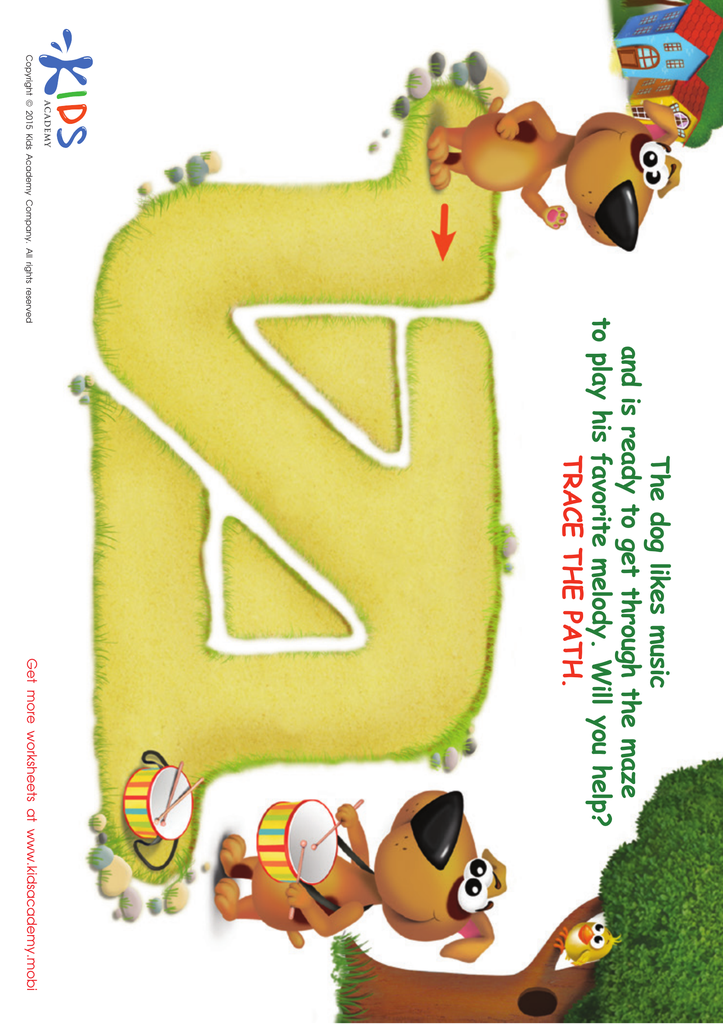
Drummer Maze Worksheet
Enjoy!
Kids Academy's new maze games are perfect for you and your little learners. Help the dog find the drum at the end of the maze! Once they reach it, you can play music together. Visit Kids Academy's website to find free printable mazes and other worksheets. Have fun!
Drummer Maze Worksheet
Worksheet
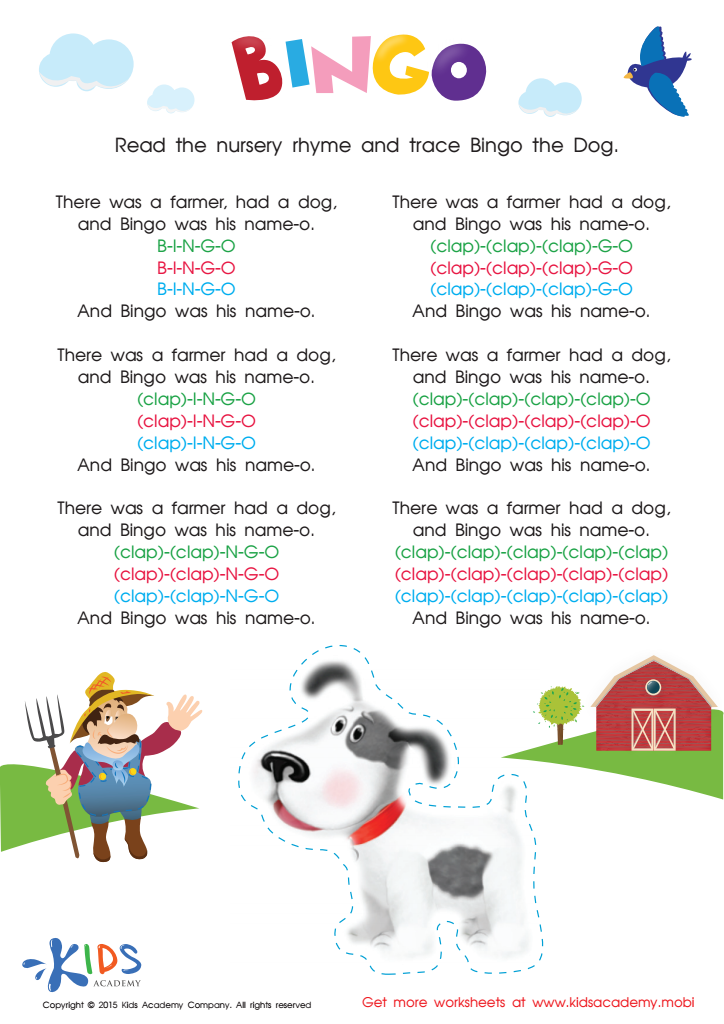
Nursery Rhymes: The Bingo Song Worksheet
Introduce The Bingo Song to your little ones. Have your kids sing some words and lines aloud, while you replace letters with claps. Add other activities: tapping, patting, jumping, and use your imagination. Print our free Bingo Song Coloring Pages and let your kids color them. Get more free worksheets at our website Kids Academy.
Nursery Rhymes: The Bingo Song Worksheet
Worksheet
Join Kids Academy for Free
Who is primarily going to use this learning content?







Rhythm understanding is crucial for children aged 3-9, as it forms the foundation for various cognitive, social, and emotional development skills. At this age, children's brains are rapidly developing, and engaging with rhythm can enhance their overall learning experiences. Rhythm helps improve listening skills, as children learn to pay attention to patterns in music and language, which can bolster literacy and numeracy skills.
Additionally, rhythm activities encourage motor skills development through movement and coordination, enabling children to express themselves physically and creatively. This can foster a sense of confidence in their abilities.
Moreover, rhythm plays a vital role in promoting social interaction. Activities like clapping games or singing in a group build teamwork skills, encouraging communication and cooperation among peers.
From an emotional perspective, rhythm can serve as a powerful tool for self-expression, helping children navigate their feelings and connect with others. Understanding rhythm also nurtures creativity, allowing for exploration in various art forms.
Overall, supporting children’s rhythm understanding is essential, as it cultivates critical skills that will benefit them academically and socially, laying the groundwork for lifelong learning and healthy relationships. Both parents and teachers should prioritize rhythm activities to enrich children’s development during these formative years.








