
Sequencing skills improvement Worksheets for Ages 3-9
3 filtered results
Difficulty Level
Grade
Age
-
From - To
Subject
Activity
Standards
Enhance your child's sequencing skills with our engaging worksheets designed for ages 3-9! These thoughtfully crafted activities help young learners understand the order of events and enhance their cognitive development. Our worksheets feature vibrant illustrations and interactive tasks that make learning fun and effective. From simple picture sequences to more complex story-based activities, each worksheet provides the perfect opportunity to practice logical thinking and critical analysis. Ideal for both home and classroom use, our sequencing skills improvement worksheets promote essential skills that lay the foundation for future learning success. Jumpstart your child's educational journey today!
Favorites
With answer key
Interactive
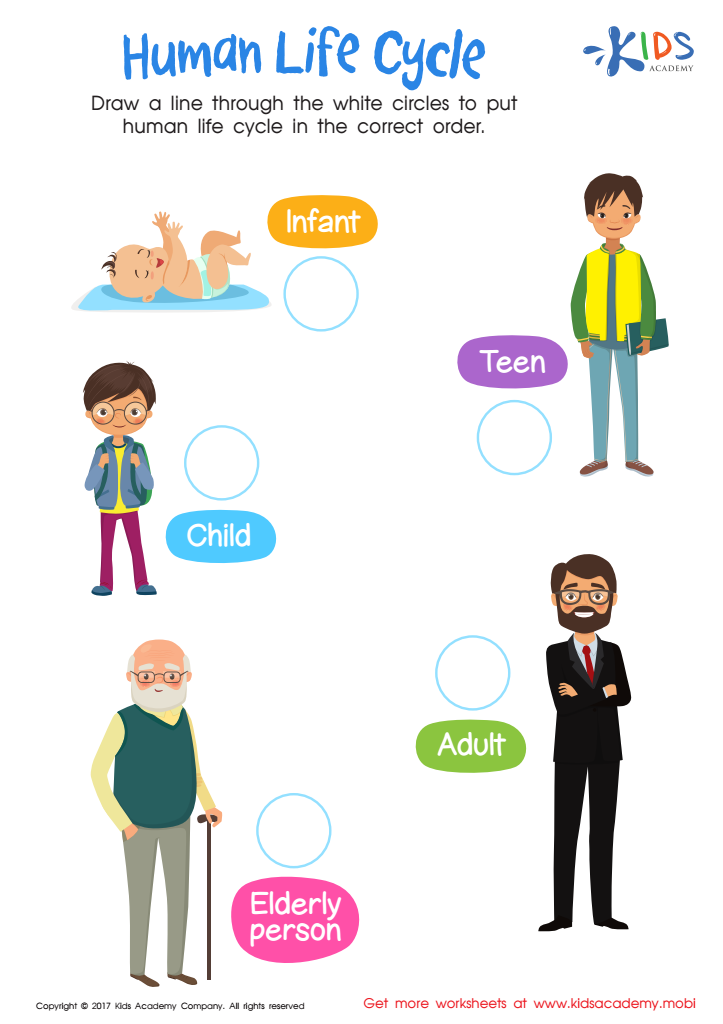
Human Life Cycle Worksheet
Kids can use this PDF to gain an understanding of their life cycle and important health concepts. It features colorful graphics to help solidify their learning.
 Assign to My Students
Human Life Cycle Worksheet
Worksheet
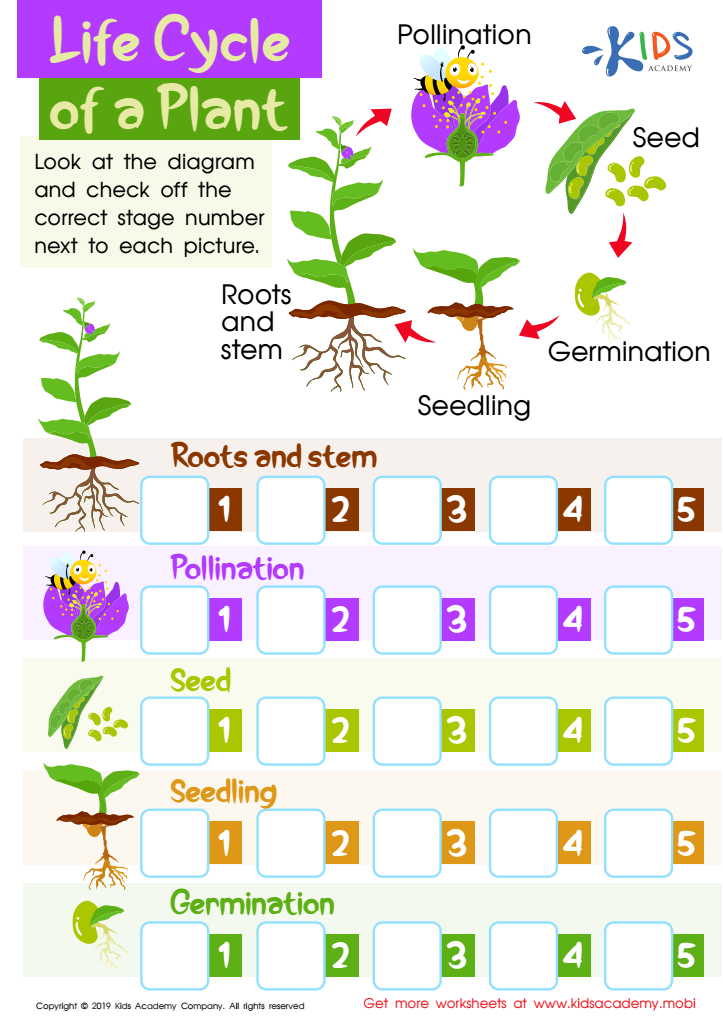
Life Cycle of a Plant Worksheet
This fun PDF worksheet lets young scientists explore the life cycle of plants. It features pictures to describe each stage: pollination, seed, germination, seedling, rooting and stems. They can check off each stage in the diagram, giving them a concrete understanding.
Life Cycle of a Plant Worksheet
Worksheet
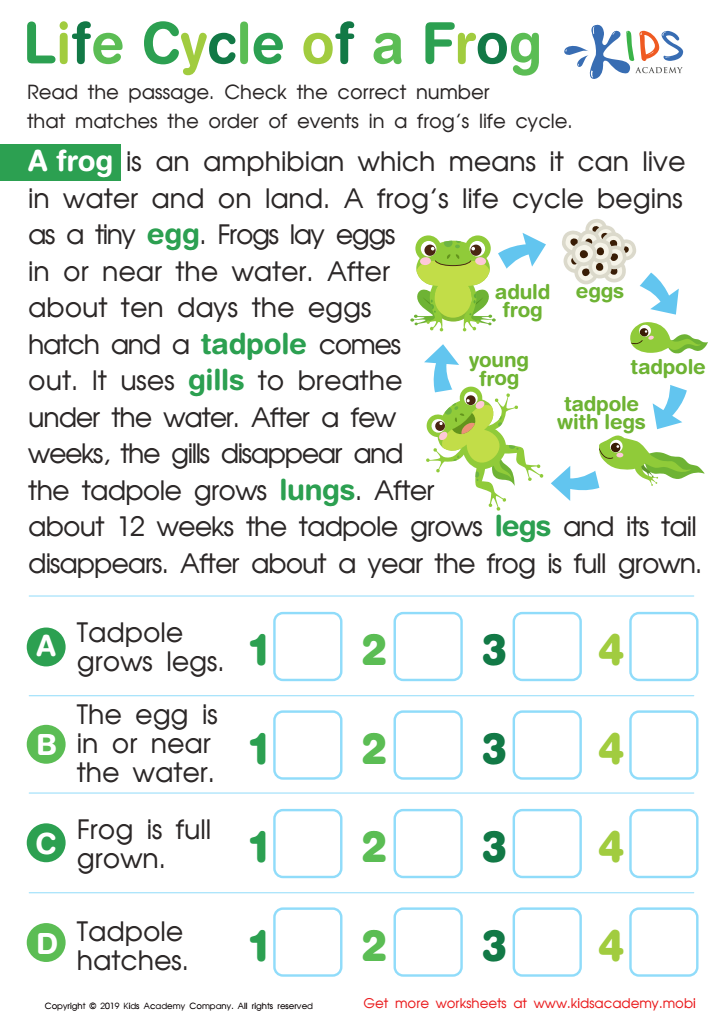
Life Cycle of a Frog Worksheet
Teach your kids to read and open their eyes to new knowledge. Frogs have fascinating life cycles. Show them the worksheet with pictures and guide them as they read the passage about it. Encourage them to check the number that matches the frog's life cycle order.
Life Cycle of a Frog Worksheet
Worksheet
Join Kids Academy for Free
Who is primarily going to use this learning content?








Sequencing skills are crucial for children aged 3-9 as they lay the foundation for critical thinking, language development, and problem-solving abilities. These skills enable children to understand and organize events in a logical order, which is essential for grasping narratives, following instructions, and eventually engaging with more complex concepts in academics.
Parents and teachers should prioritize sequencing skills because they directly impact preschool and early grade readiness. As children learn to sequence events, they become more adept at storytelling, enhancing their listening and speaking skills. Improved sequencing abilities also support mathematical understanding, as children begin to recognize patterns and relationships.
Furthermore, sequencing fosters independence and self-regulation. When children can break tasks down into sequential steps, they boost their ability to follow instructions, manage time effectively, and build confidence in their abilities. This structured thinking influences their emotional development, as they learn to navigate cause-and-effect relationships in both social interactions and daily activities.
In sum, investing in sequencing skills in early childhood not only fosters academic success but also builds essential life skills that will serve children throughout their educational journey and beyond.








