Understanding clocks Worksheets for Ages 3-9
6 filtered results
-
From - To
Discover the perfect "Understanding Clocks" worksheets for children aged 3-9! At Kids Academy, we offer a diverse collection of fun, engaging, and educational printables designed to help young learners grasp the concepts of time. From recognizing numbers on a clock face to mastering telling time in hours and minutes, these worksheets provide age-appropriate challenges. Tailored to stimulate curiosity and foster essential time-telling skills, our resources combine visual appeal with clear instructions. Enhance your child's cognitive development and time-management abilities with our meticulously crafted understanding clocks worksheets. Visit Kids Academy now and make learning to tell time a delightful adventure!
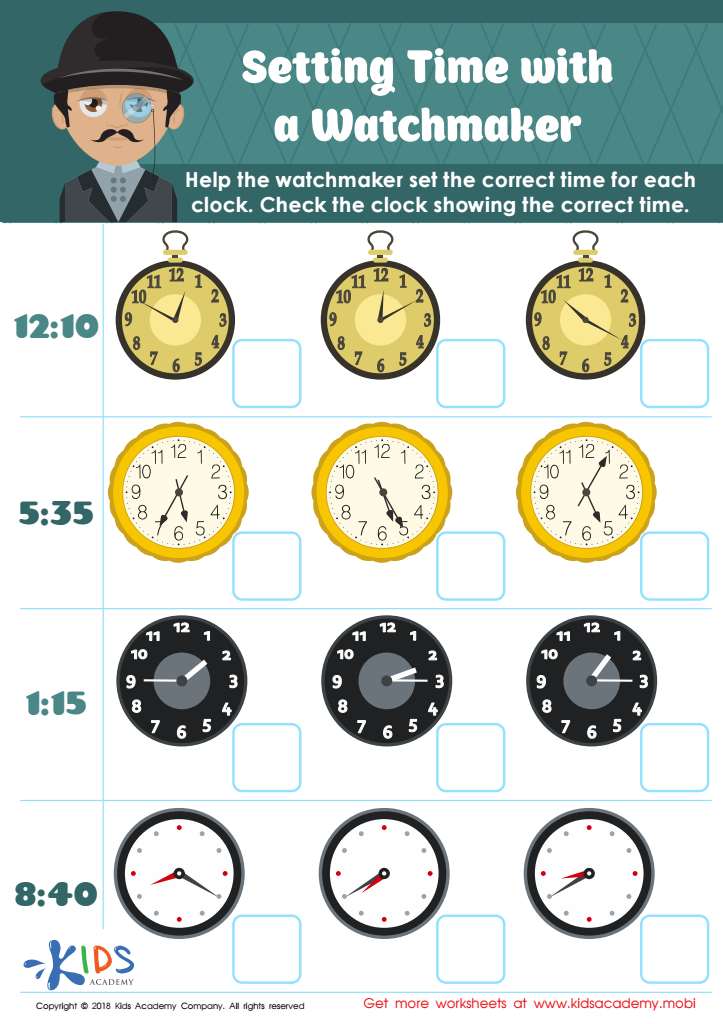
Setting Time with Watchmaker Worksheet
 Assign to My Students
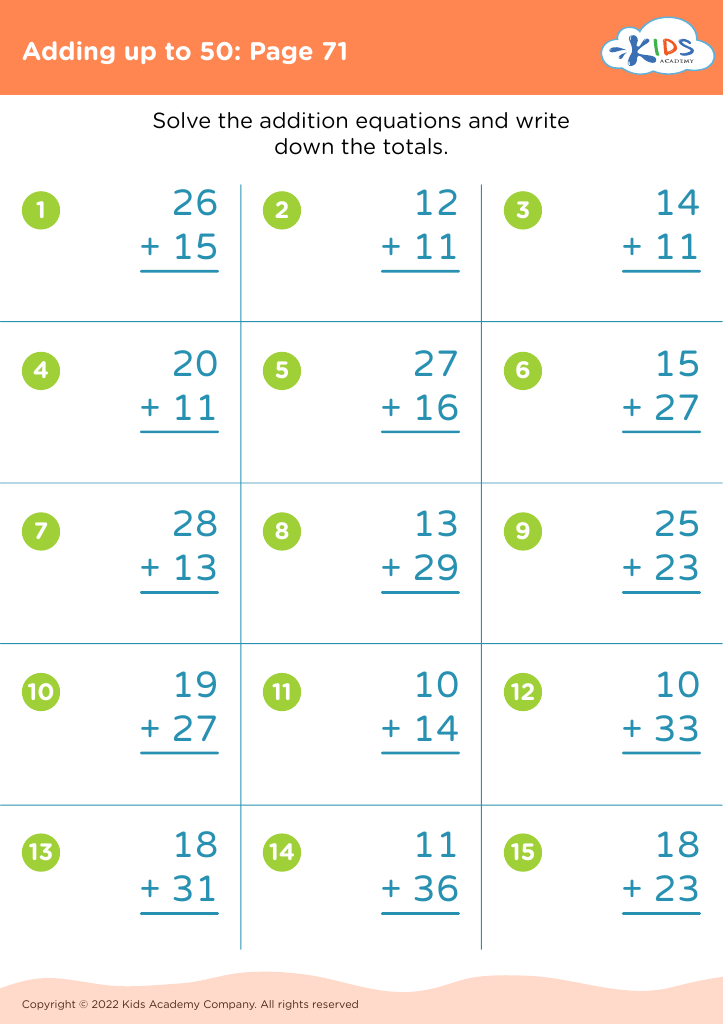
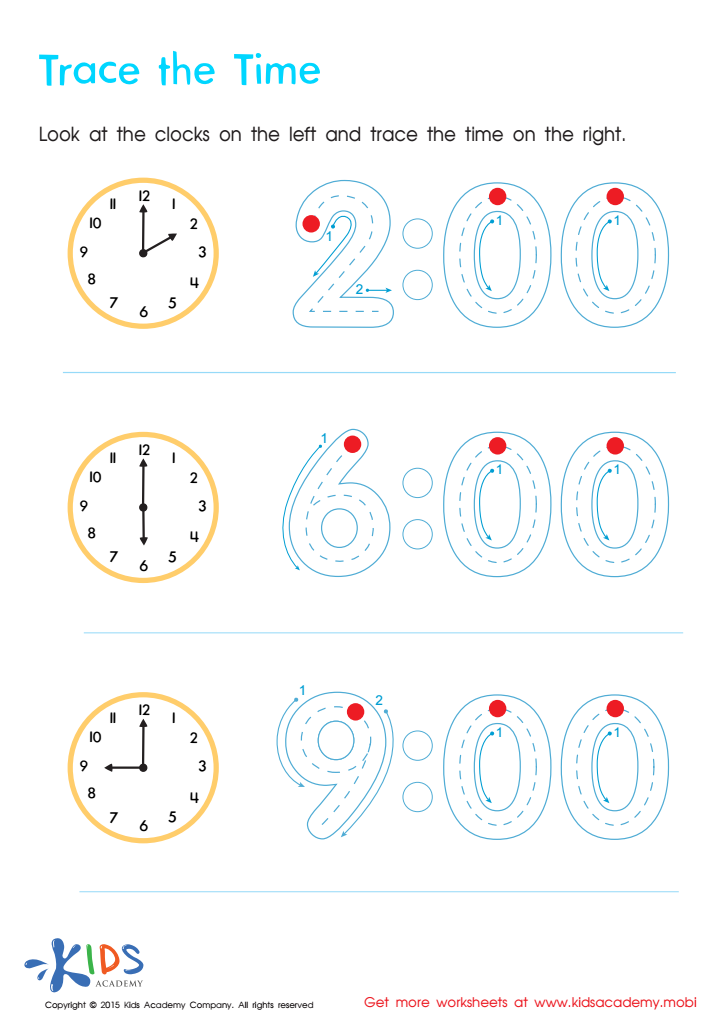
Telling The Time Worksheet: Part 2
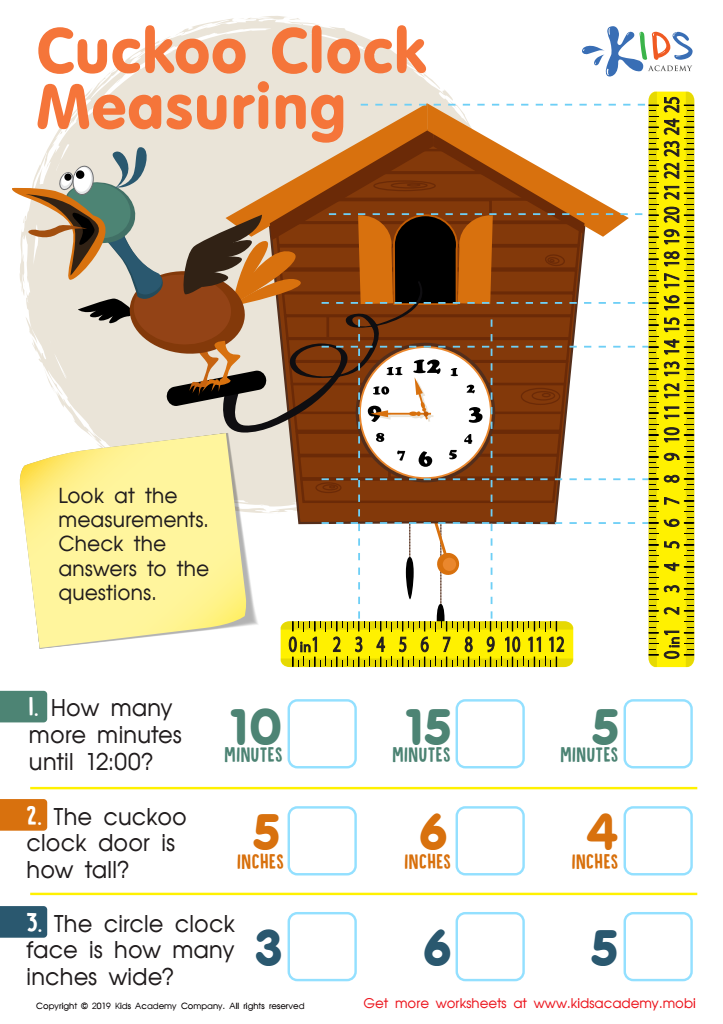
Cuckoo Clock Measuring Worksheet
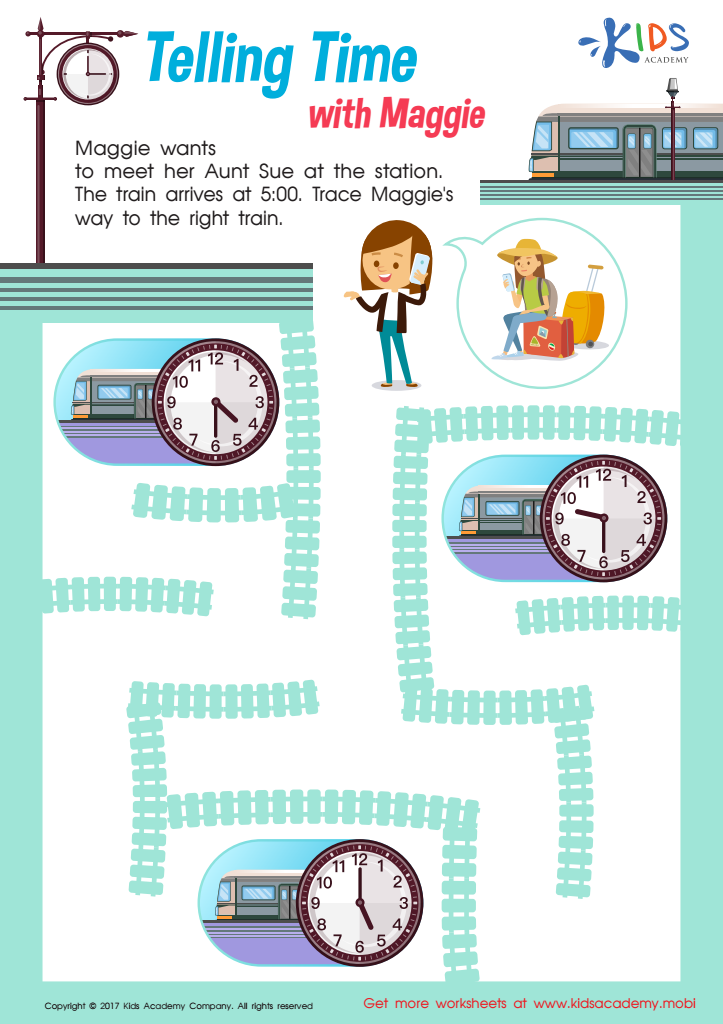
Telling Time With Maggie Time Worksheet








Understanding clocks and the concept of time are foundational skills for children ages 3-9, and parents and teachers should prioritize their development for several key reasons.
Firstly, time management skills foster independence and responsibility. As children learn to read clocks, they begin to grasp daily routines, which helps in organizing their day. This skill is crucial for school readiness and promotes autonomy in handling simple tasks, such as knowing when to start and finish homework or when to prepare for bedtime.
Secondly, understanding time nurtures numerical and cognitive skills. Reading the clock involves counting, recognizing numbers, and understanding intervals, thereby strengthening mathematical foundations. It also develops cognitive abilities as children learn concepts like "half-past" and "quarter to," enhancing their grasp of fractions and arithmetic.
Additionally, learning to tell time supports communication and social skills. It enables children to schedule playdates, adhere to lunch breaks, and participate in time-bound activities, fostering a sense of punctuality and respect for others’ time.
Overall, teaching children to read and understand clocks not only equips them with vital life skills but also lays the groundwork for academic achievement and personal growth. By integrating these concepts early, parents and teachers can support well-rounded development and prepare children for future responsibilities.








