Understanding numbers Worksheets for Ages 3-9
6 filtered results
-
From - To
Explore our comprehensive collection of "Understanding Numbers Worksheets" designed specifically for ages 3-9. These engaging and interactive resources help young learners grasp essential number concepts, including counting, number recognition, and basic arithmetic. Our worksheets feature vibrant illustrations and age-appropriate exercises to capture children's interest while making math fun. Whether you're a parent or educator, you'll find a variety of activities tailored to support foundational math skills. These worksheets promote independent learning, critical thinking, and skill retention, ensuring children develop confidence and proficiency in numbers. Dive into the world of numbers with our expertly crafted worksheets and watch your child's mathematical abilities flourish!
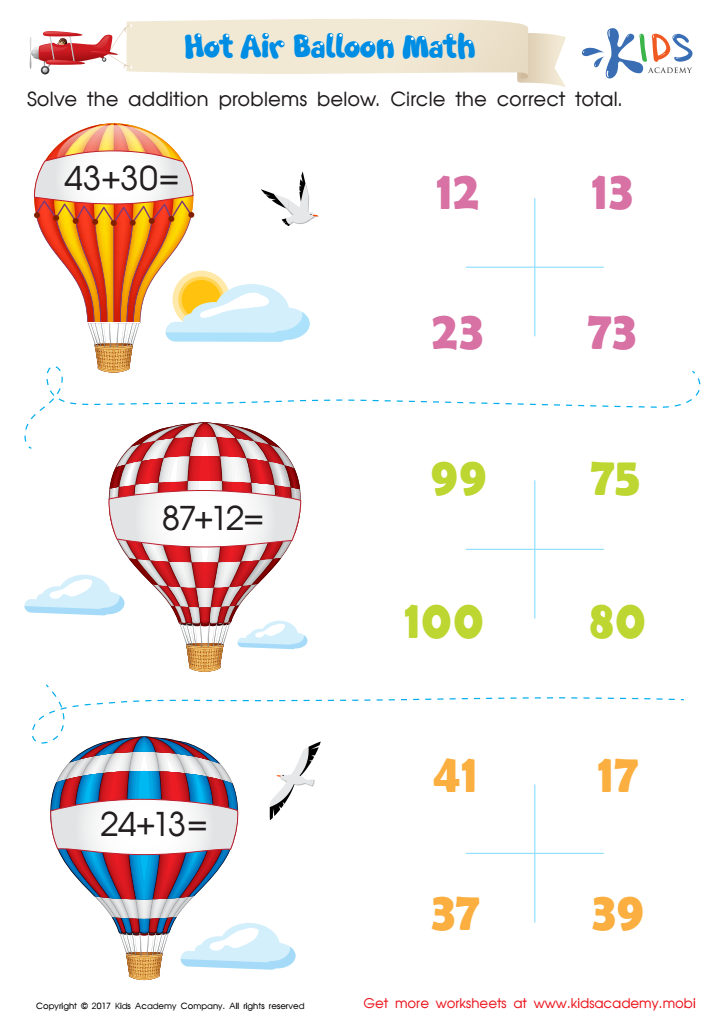
Hot Air Balloon Math Worksheet
 Assign to My Students
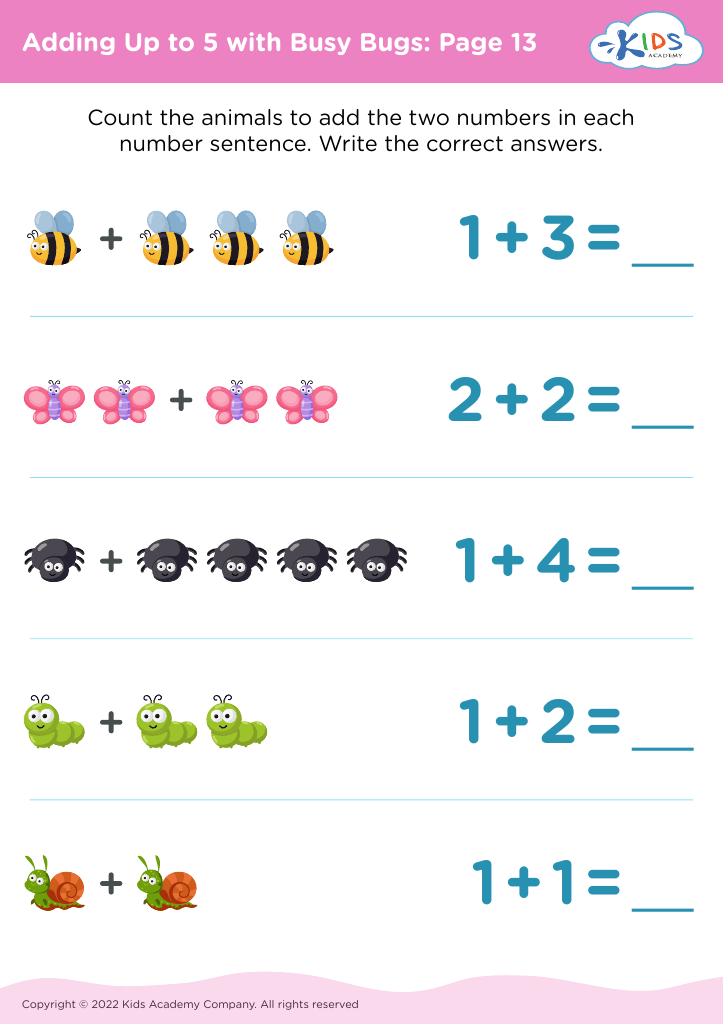
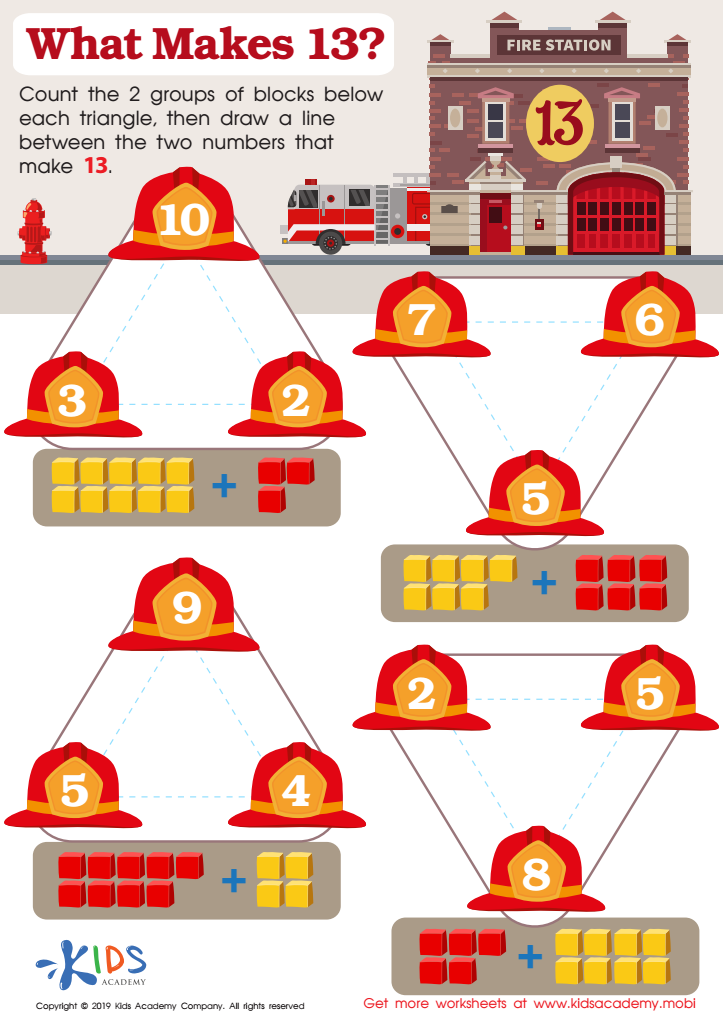
What Makes 13 Worksheet
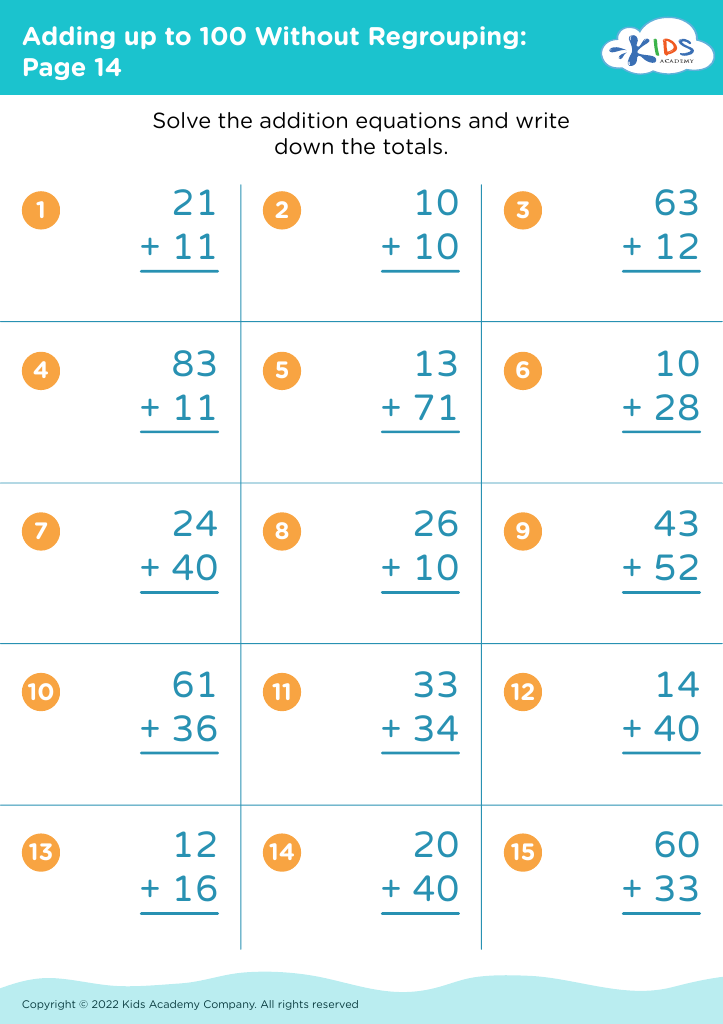








Understanding numbers during the ages of 3 to 9 is crucial for children's cognitive and academic development. This stage lays the foundation for essential math skills that can influence future learning. Early numerical concepts help children develop problem-solving abilities, critical thinking, and spatial awareness, which are important not only in math but also in everyday life.
For parents and teachers, fostering number comprehension early on can enhance children's confidence and attitudes toward learning. Engaging with numbers through playful activities, games, and real-life contexts sparks curiosity and excitement, making math enjoyable rather than intimidating. This can lead to a positive mindset that benefits children throughout their educational journey.
Moreover, early understanding of numbers supports literacy skills as children learn to recognize patterns, sequences, and relationships. Such foundational skills promote academic resilience, allowing children to navigate more complex mathematical concepts in later years with ease.
Lastly, early math proficiency has been linked to long-term academic success. By prioritizing number understanding, parents and teachers ensure that children are well-equipped to face future learning challenges, fostering a lifelong love for mathematics and a strong aptitude for critical thinking in various disciplines. Investing in early math education is investing in a child's overall intellectual growth.








