Understanding patterns Worksheets for Ages 3-9 - Page 3
61 filtered results
-
From - To
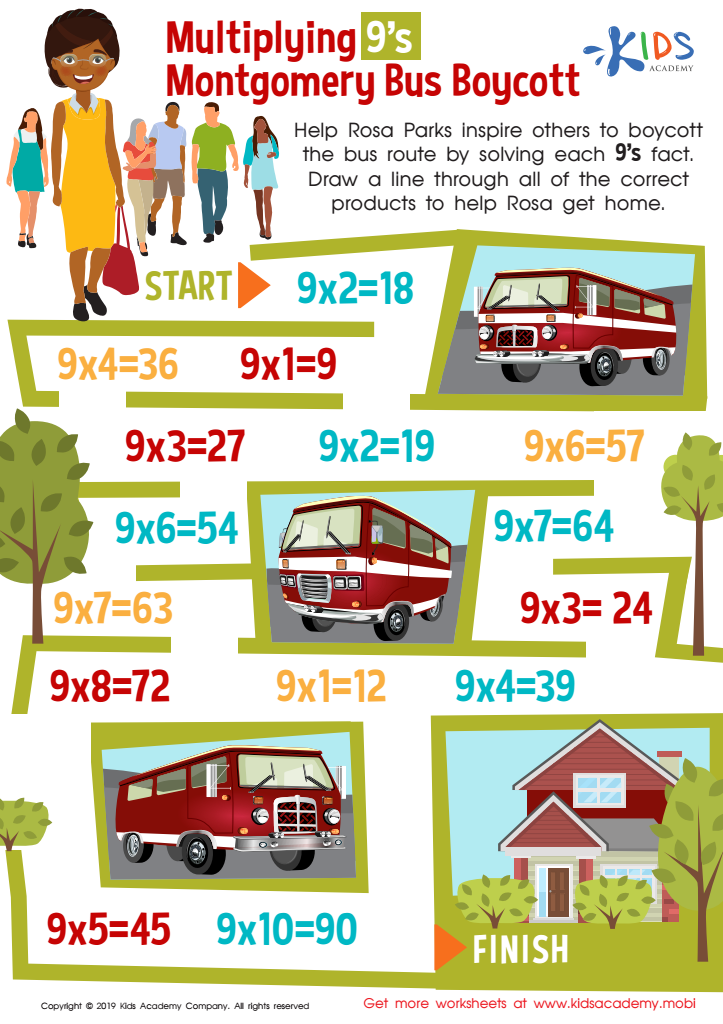
Multiplying 9’s Montgomery Bus Boycott Worksheet
 Assign to My Students
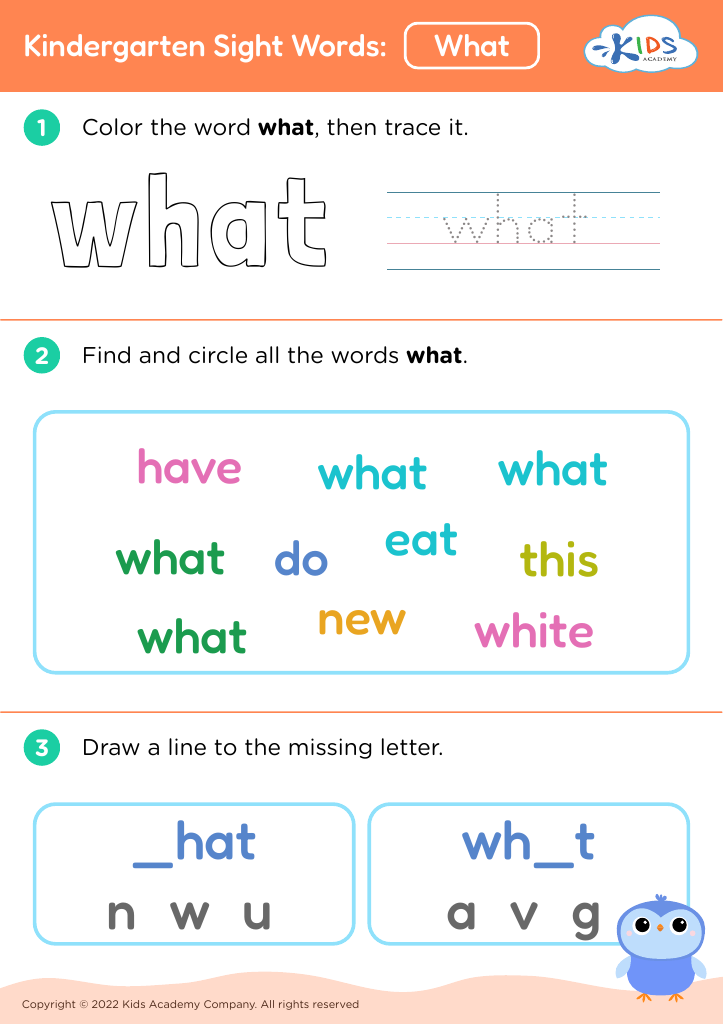
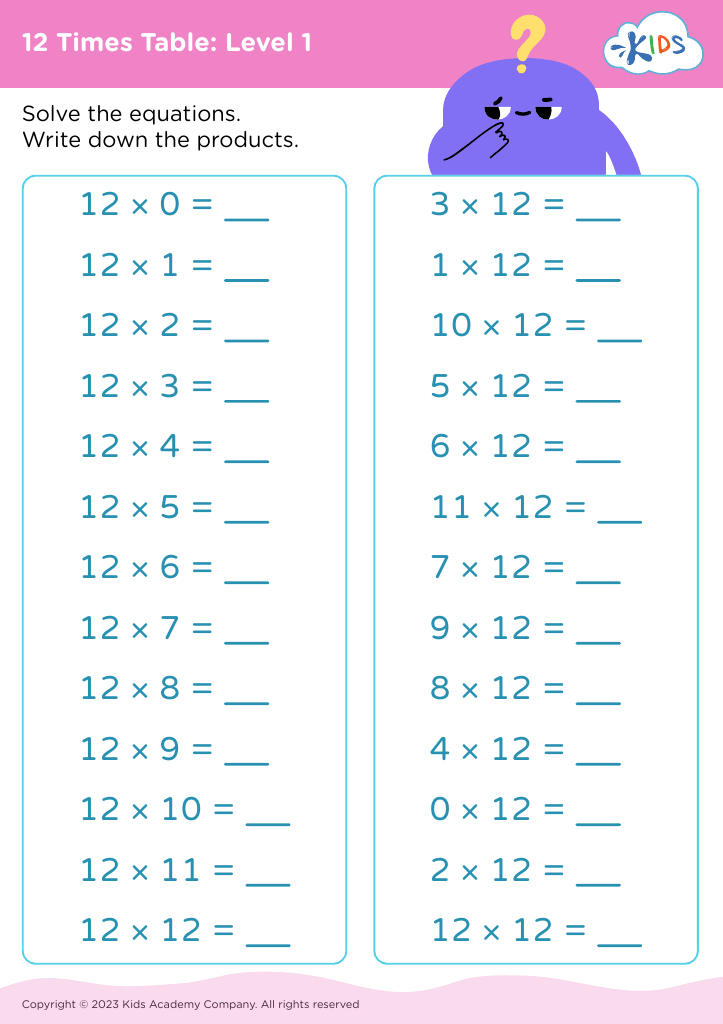
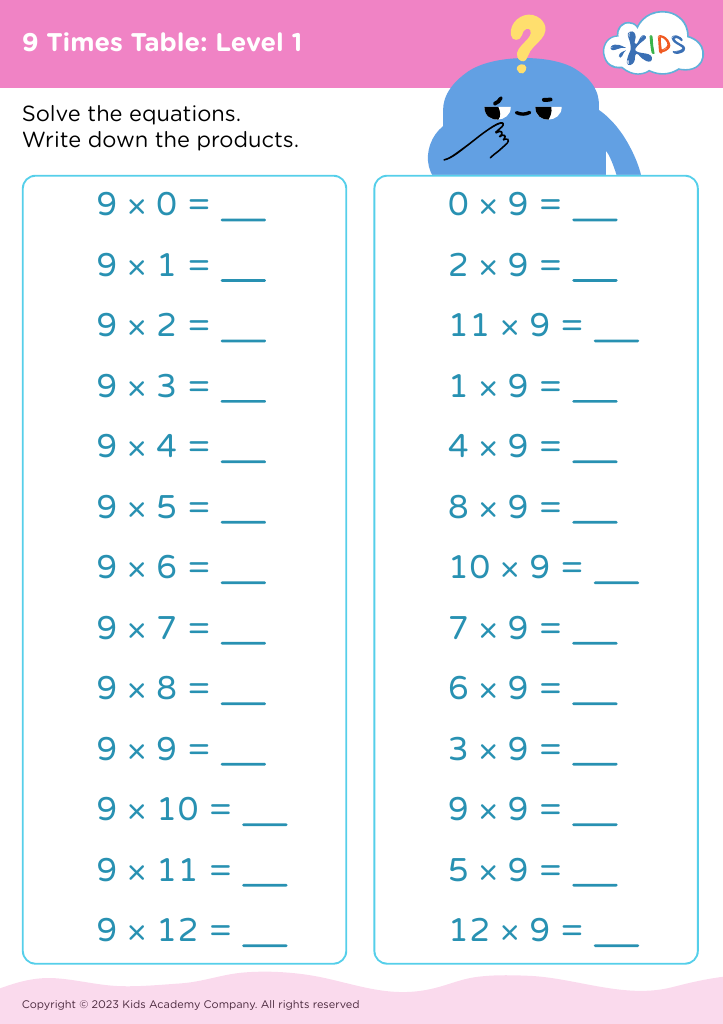
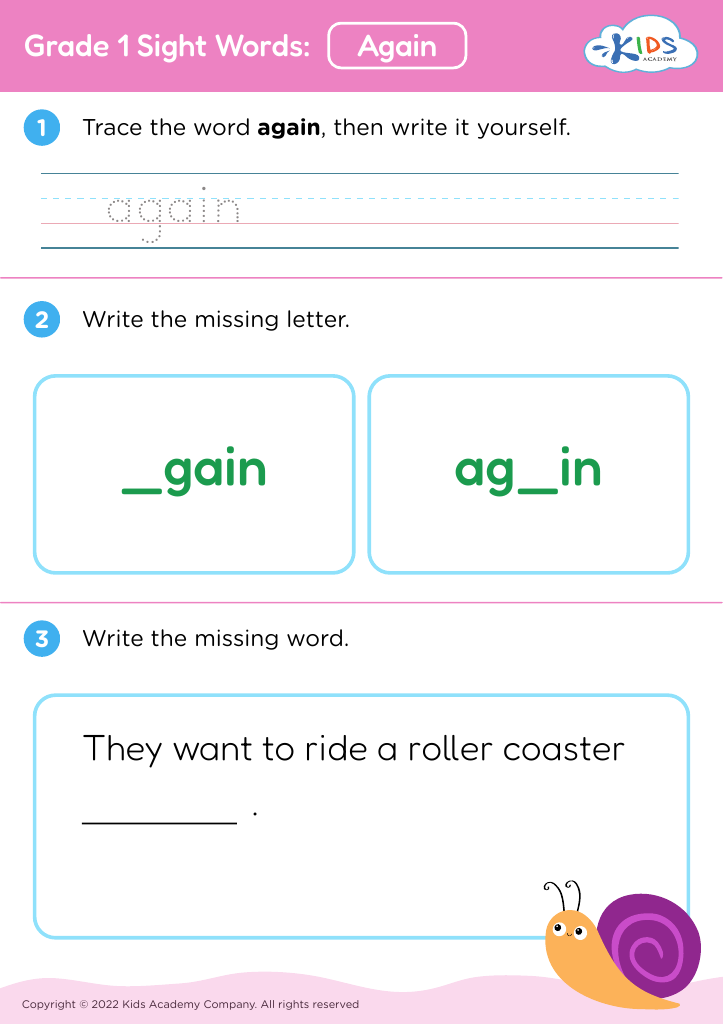








Understanding patterns is crucial for children aged 3-9 as it serves as the foundation for many cognitive and academic skills. Recognizing and creating patterns enhances children’s logical thinking and problem-solving abilities, essential for success in subjects like math and science. For instance, identifying patterns in numbers, shapes, or even daily routines aids in grasping concepts of sequencing and categorization, which are vital in early development.
Furthermore, engaging with patterns fosters critical thinking and creativity. It encourages children to predict outcomes and think analytically about their surroundings. Parents and teachers can facilitate learning through everyday activities, such as sorting objects, singing rhyming songs, or connecting related concepts, which makes learning both fun and meaningful.
Moreover, recognizing patterns helps with social-emotional development. Children learn to anticipate and understand social cues, laying the groundwork for better communication skills and relationships. Overall, nurturing pattern recognition in young learners not only strengthens core academic competencies but also supports holistic growth, preparing children for future challenges and enriching their learning experiences. Hence, it’s essential for parents and teachers to prioritize and engage in activities that build these foundational skills in early childhood.








