Understanding time Worksheets for Ages 3-9
12 filtered results
-
From - To
Introduce your little ones to the fascinating world of time with our engaging and educational "Understanding Time Worksheets for Ages 3-9." At Kids Academy, we've crafted a series of interactive activities designed to teach young minds how to tell time and understand time concepts. From recognizing clocks and learning hours and minutes to sequencing daily events, our worksheets offer a fun, hands-on approach for practical and memorable learning. Perfect for home or classroom settings, these resources aim to boost children's confidence and proficiency in time-telling, laying a solid foundation for their future math skills. Start exploring today!
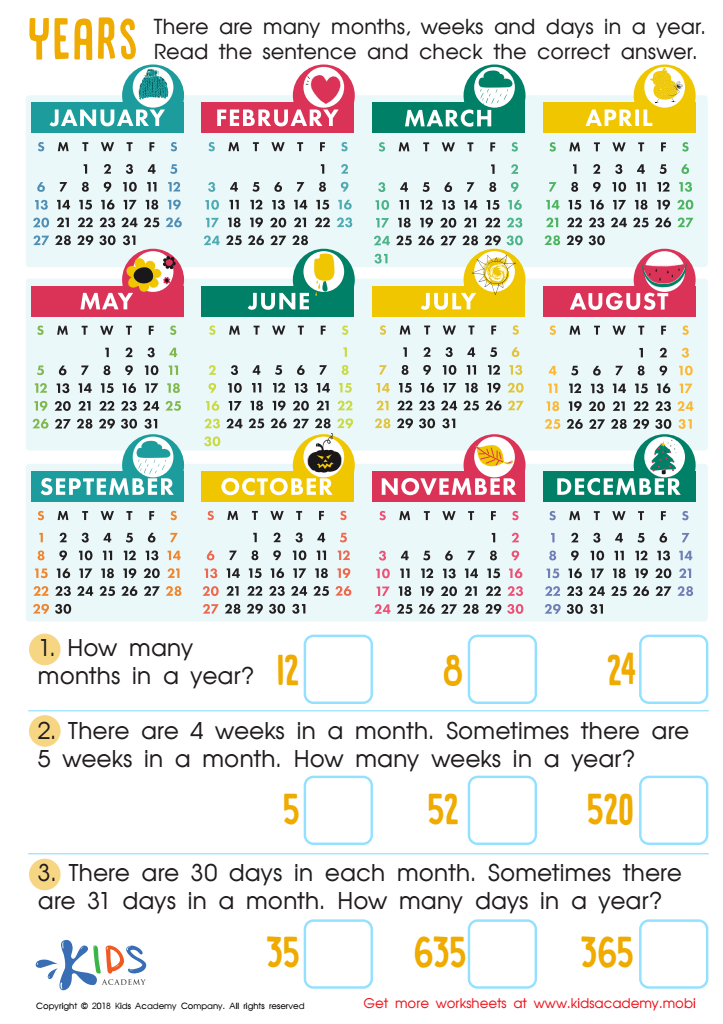
Years Worksheet
 Assign to My Students
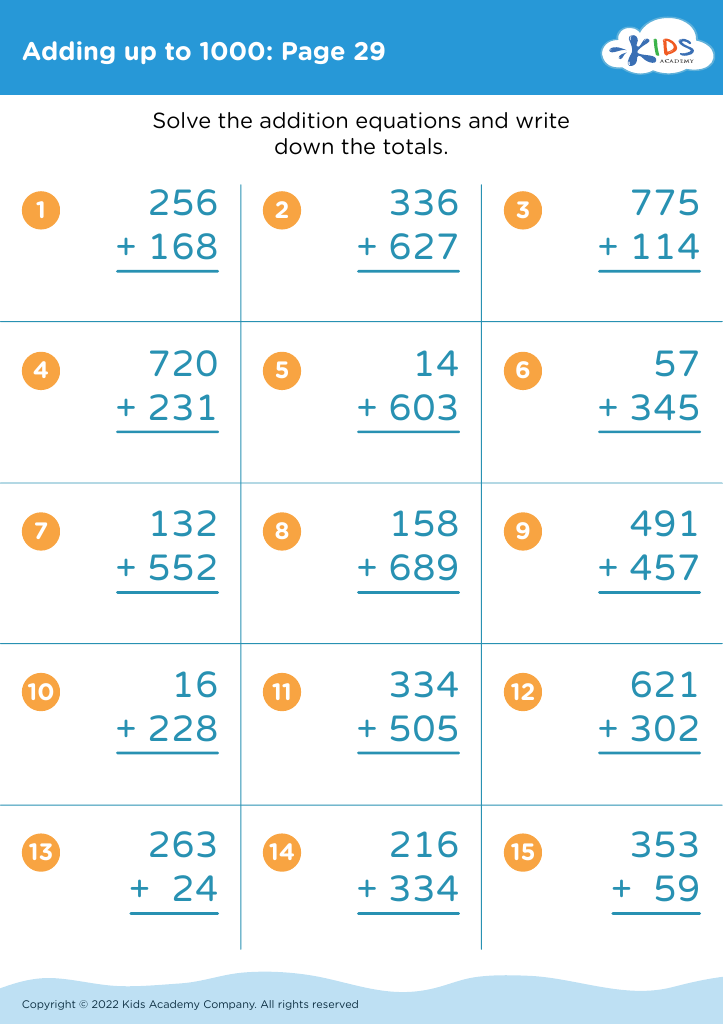
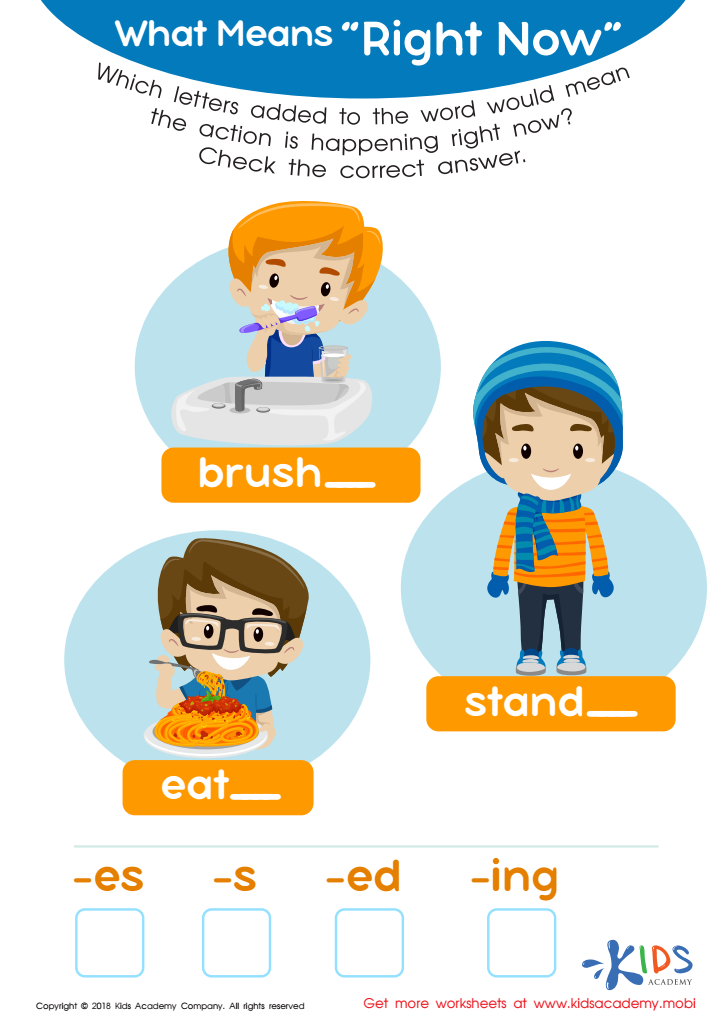
What Means "Right Now" Worksheet
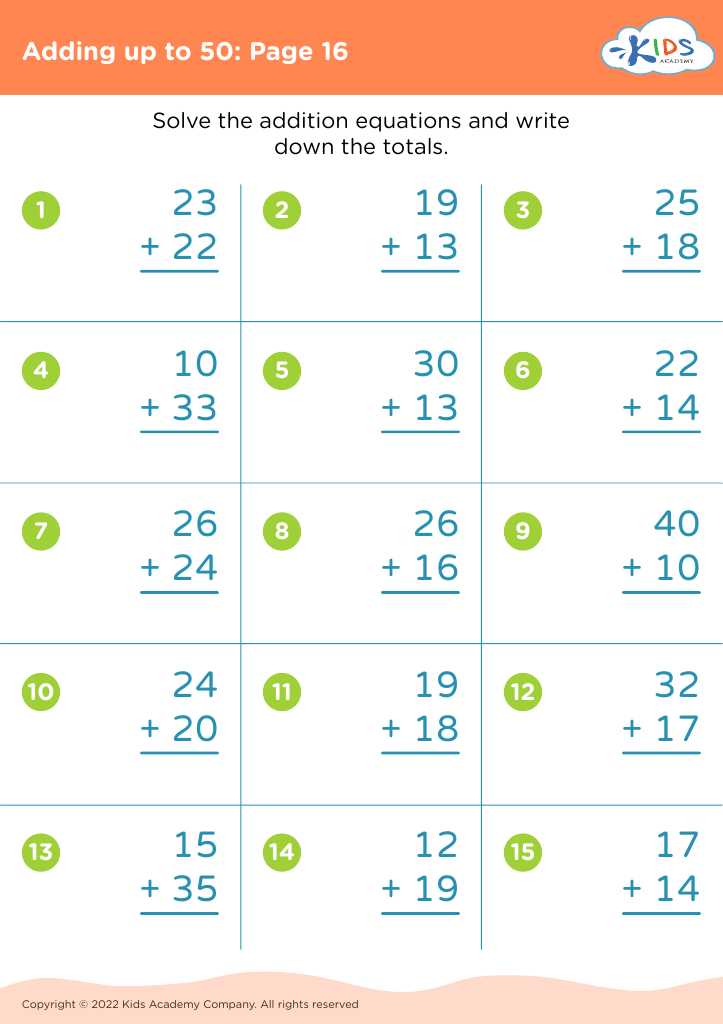
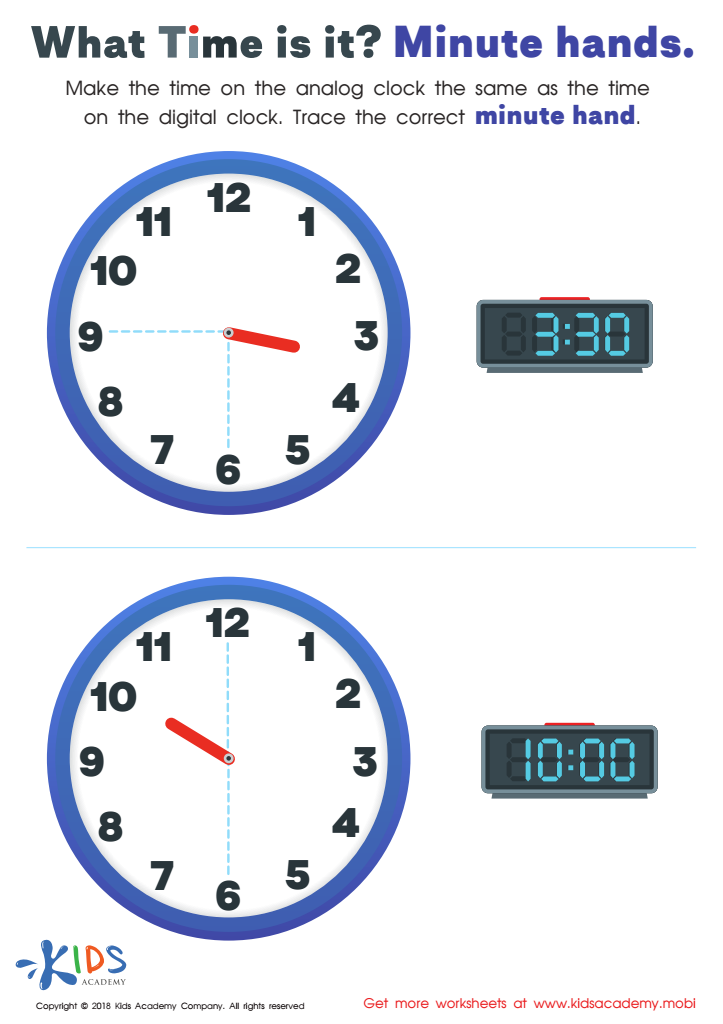
What Time Is it? Minute Hands Worksheet
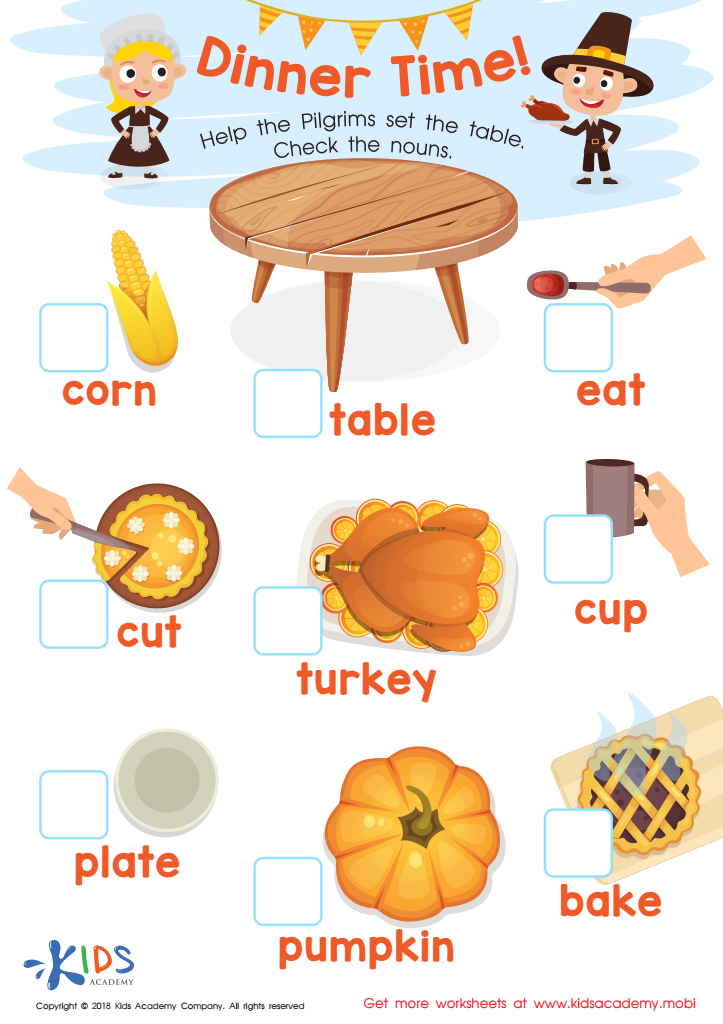
Dinner Time! Worksheet
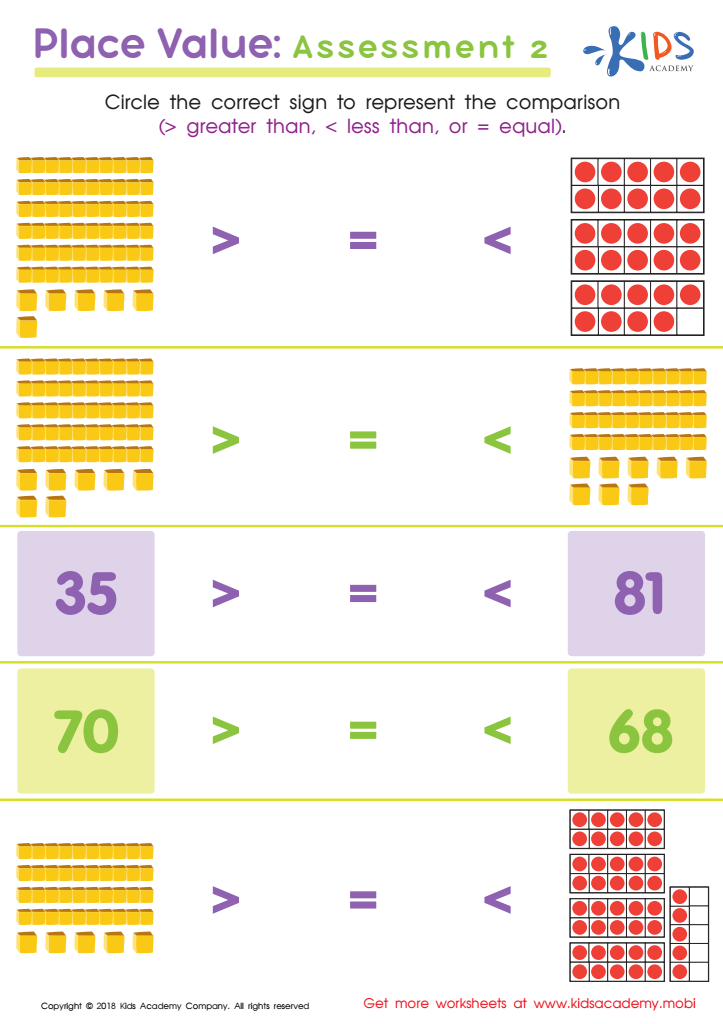
Place Value: Assessment 2 Worksheet
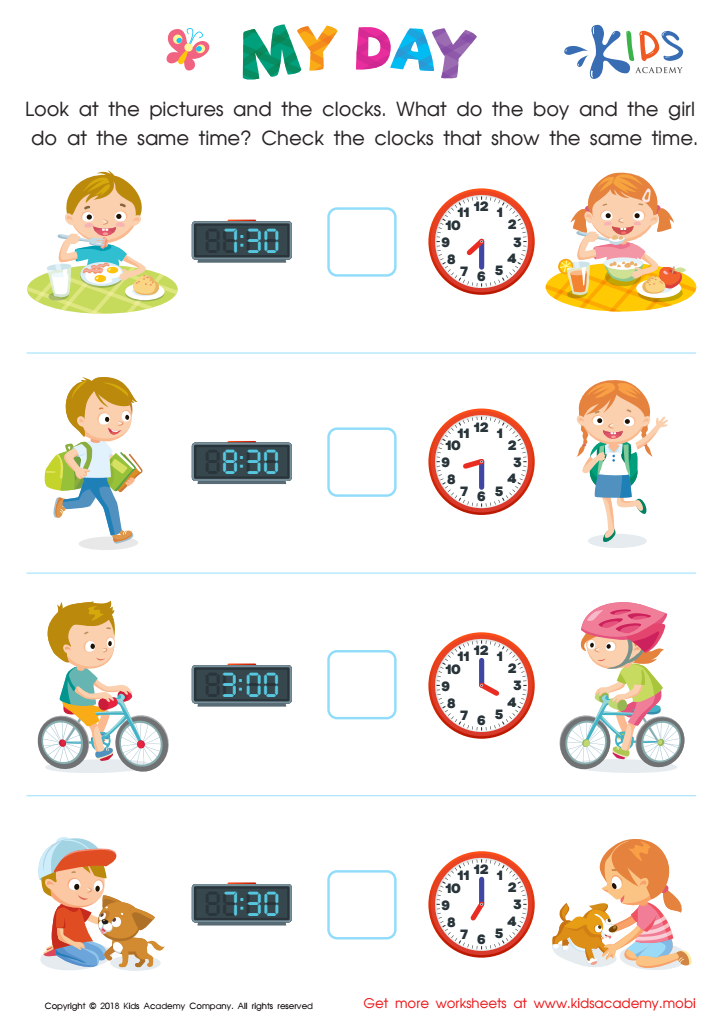
My Day Worksheet







Understanding time is a fundamental skill for children ages 3-9, and it's important for parents and teachers to support this development. Time concepts such as days, weeks, months, seasons, and the ability to tell time are crucial for organizing daily life. Introducing these concepts early helps kids gain a sense of predictability and routine, enhancing their sense of security.
Incorporating time-related activities strengthens cognitive skills, including memory and sequencing. For instance, knowing that lunchtime comes after playtime helps children understand order and cause-effect relationships. Learning to read clocks, whether analog or digital, enhances mathematical reasoning and numeracy skills. The ability to manage time fosters self-discipline and independence as kids start to gauge how long tasks should take and plan accordingly.
Moreover, time-telling is intrinsically linked to language development. Terms like "before," "after," "yesterday," and "tomorrow" help children communicate more effectively. Awareness of time also plays a critical role in social interactions and responsibilities. Meeting a friend at an agreed time or participating in time-bound classroom activities teaches respect for others' schedules and commitments.
By emphasizing the importance of understanding time, parents and teachers lay the groundwork for lifelong skills in time management, organization, and discipline. This knowledge profoundly impacts a child's academic success and their overall ability to navigate the world's structured demands.








