Visual recognition Worksheets for Ages 3-9
11 filtered results
-
From - To
Discover our engaging Visual Recognition Worksheets designed specifically for children aged 3 to 9! These interactive activities help young learners develop essential skills in identifying shapes, colors, and patterns, fostering early cognitive growth. Each worksheet is designed with vibrant visuals and age-appropriate challenges to captivate your child’s interest while enhancing their observational skills. Tailored to complement various learning styles, our worksheets promote independent exploration and strengthen visual memory. Whether at home or in the classroom, these resources are perfect for early education, ensuring children build a strong foundation for future learning. Explore our collection and spark your child’s love for learning today!
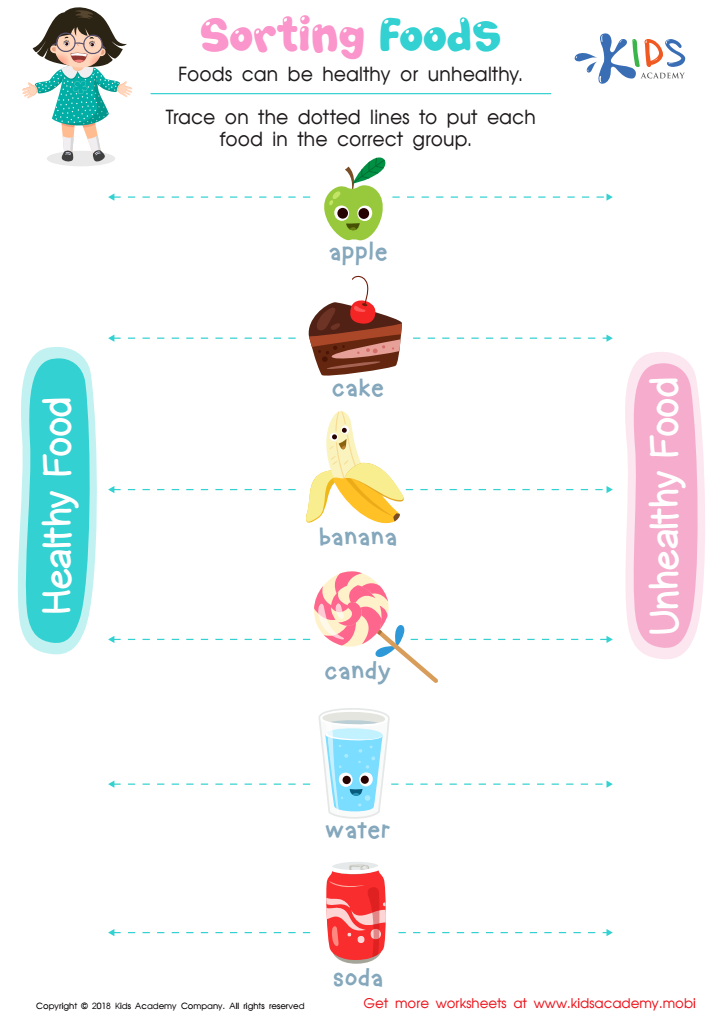
Sorting Food Worksheet
 Assign to My Students
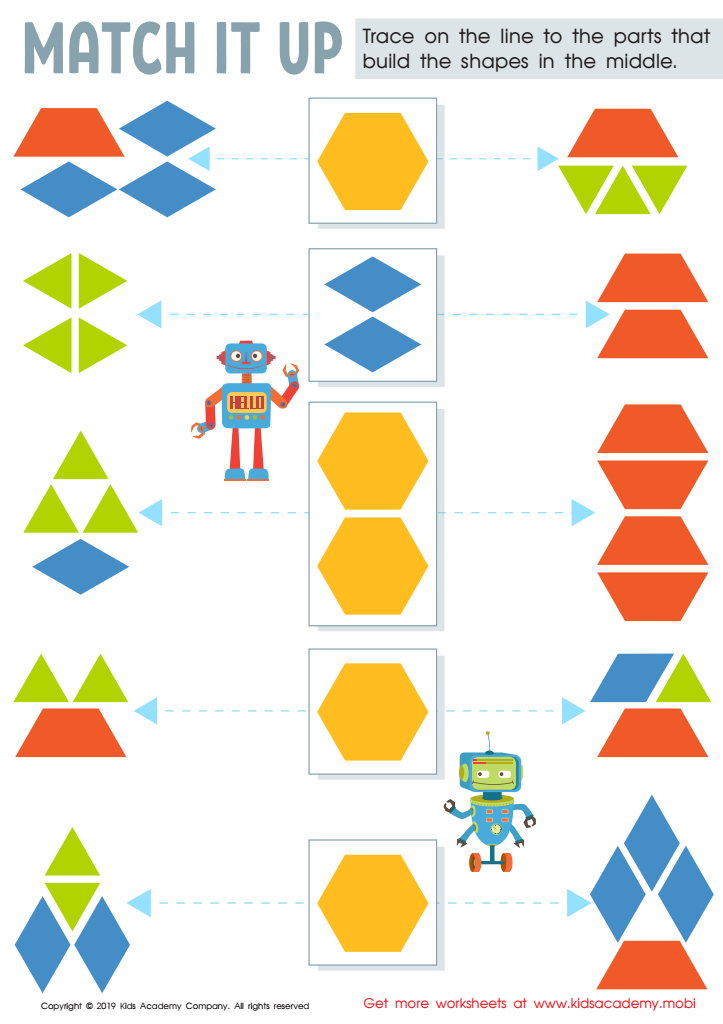
Match It up Worksheet
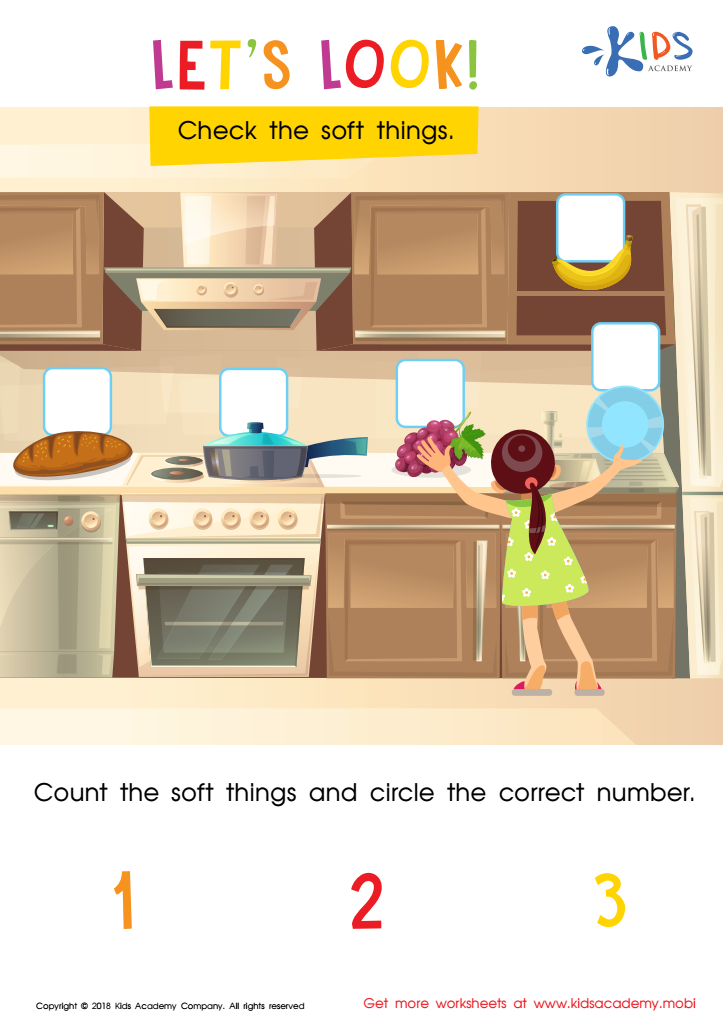
Let's Look! Assessment Worksheet
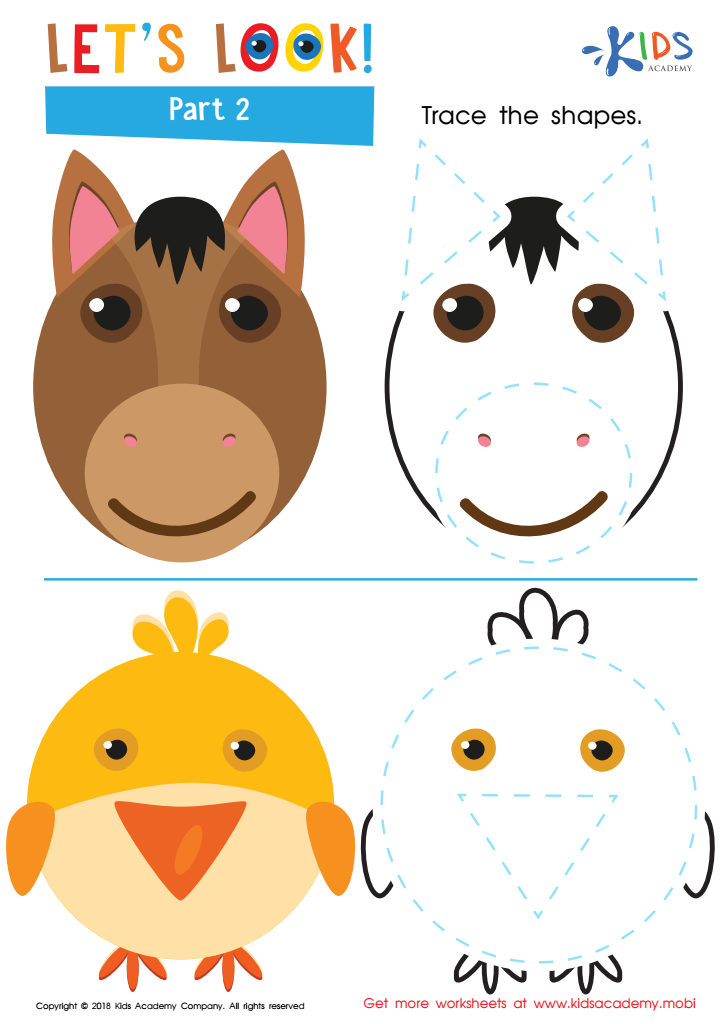
Let's Look! Part 2 Worksheet
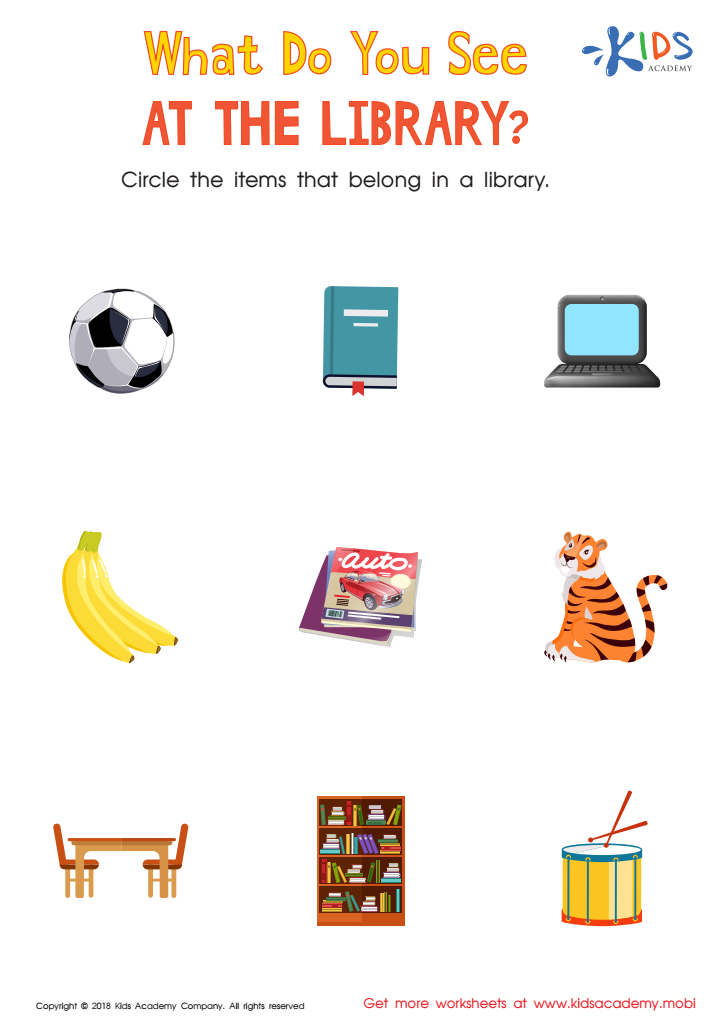
What Do you See at the Library? Worksheet
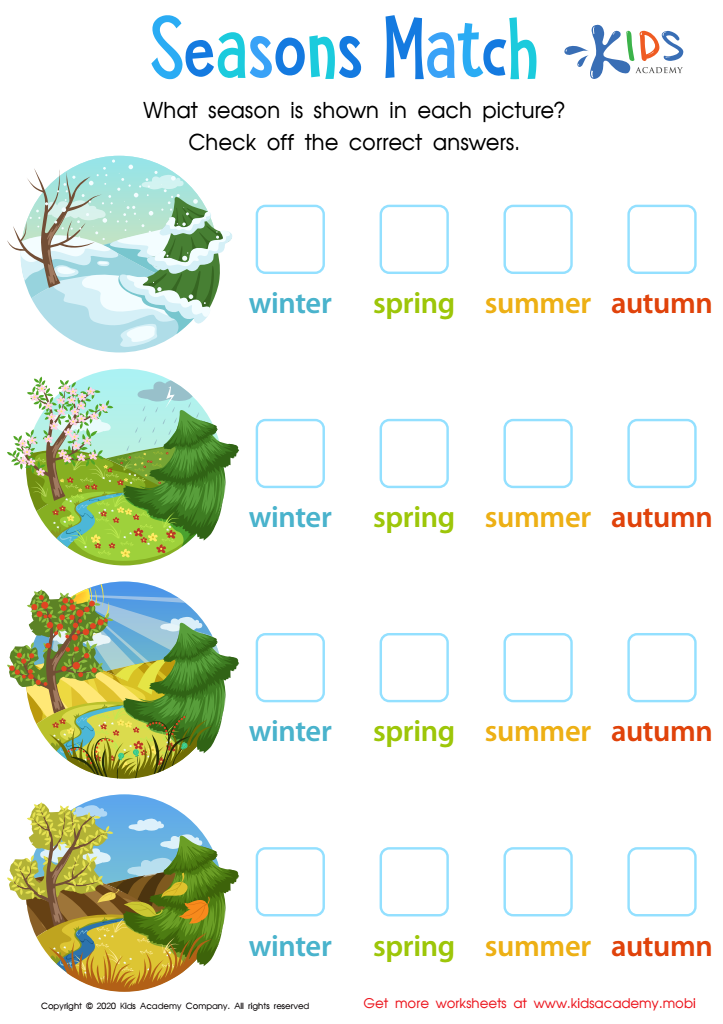
Seasons Match Worksheet
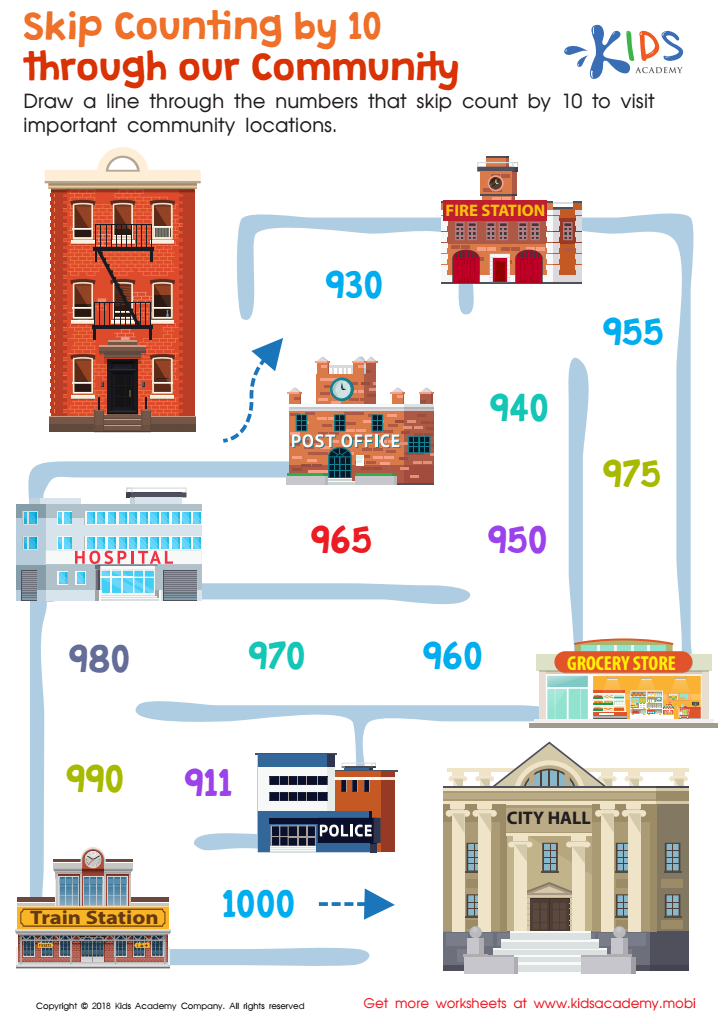
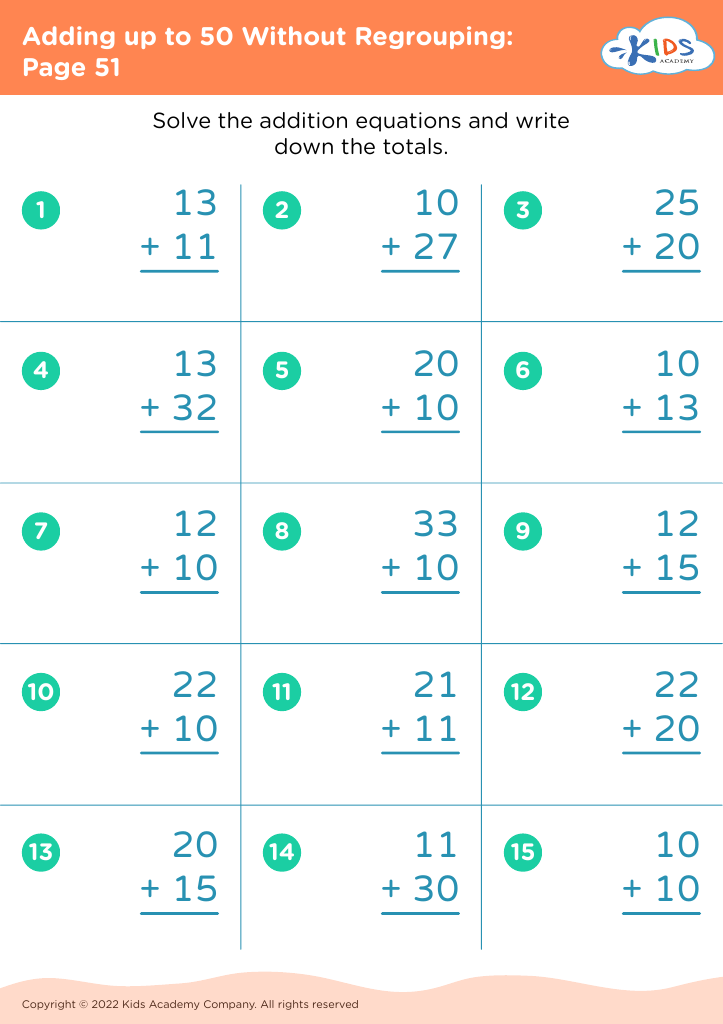
Skip Counting by 10 Through Our Community Worksheet
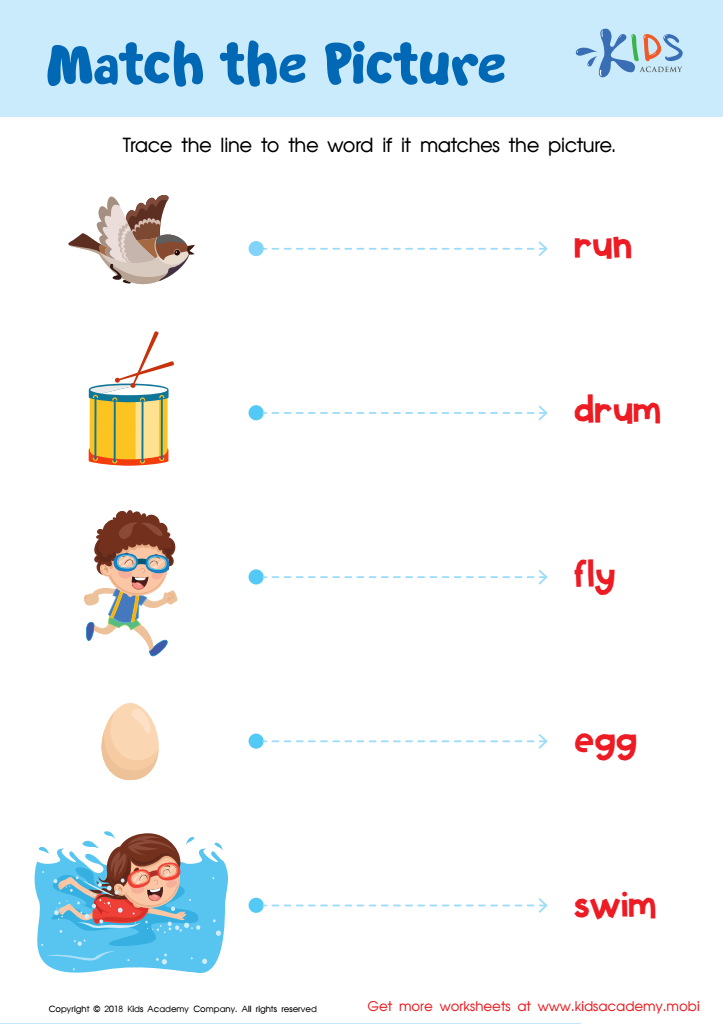
Match the Picture Worksheet
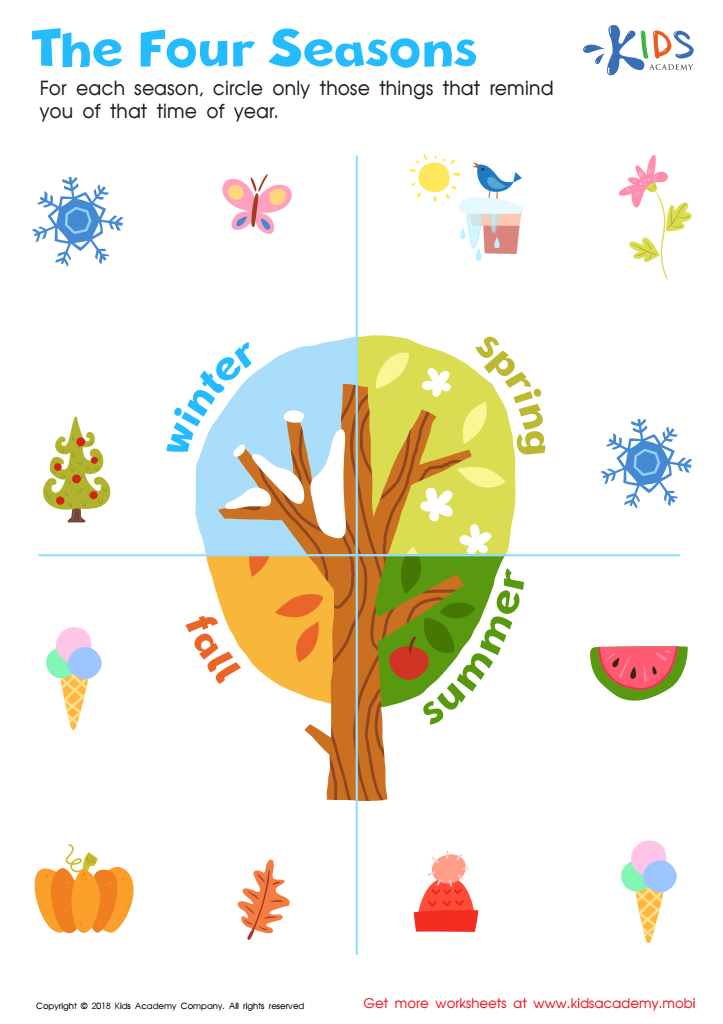
The Four Seasons Worksheet
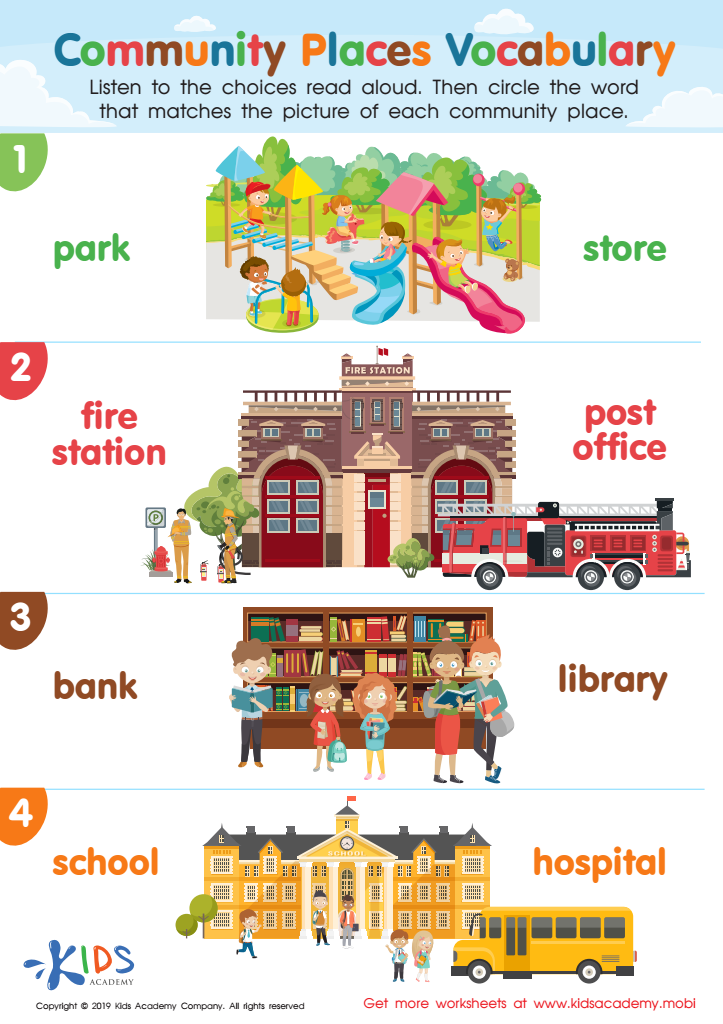
Community Places Vocabulary Worksheet







Visual recognition skills are crucial for children's development, particularly in the ages 3-9, as they form the foundation for a wide range of cognitive abilities. At this developmental stage, children are rapidly absorbing the world around them, and strong visual recognition helps them make sense of complex environments, identify objects, and understand visual information in their learning journeys.
For parents and teachers, fostering visual recognition skills is essential for enhancing literacy and numeracy. Children with well-developed visual recognition are better equipped to recognize letters, words, and numbers, which are fundamental in reading and mathematics. Additionally, these skills support problem-solving abilities, as kids learn to recognize patterns, shapes, and relationships in various contexts.
Moreover, visual recognition aids in social interactions. Children who can correctly interpret facial expressions and body language are more adept at navigating social situations, fostering empathy and communication skills.
Encouraging visual recognition through activities like matching games, puzzles, and stories can significantly enrich children's learning experiences. By focusing on these skills, parents and teachers set children up for greater academic success and social competence, ultimately preparing them for a more confident and engaged future.








