Visual representation comprehension Worksheets for Ages 3-9
11 filtered results
-
From - To
Explore our engaging Visual Representation Comprehension Worksheets, designed for children aged 3 to 9. These worksheets help young learners enhance their understanding of visual information through fun and interactive activities. Tailored to support developmental milestones, our resources promote critical thinking as children interpret images, charts, and diagrams. Suitable for home and classroom use, these worksheets make learning enjoyable while fostering essential comprehension skills. Parents and educators can track progress and encourage exploration through hands-on learning experiences. Discover a variety of themes that captivate young minds and cultivate a love for learning today! Perfect for little learners ready to explore!
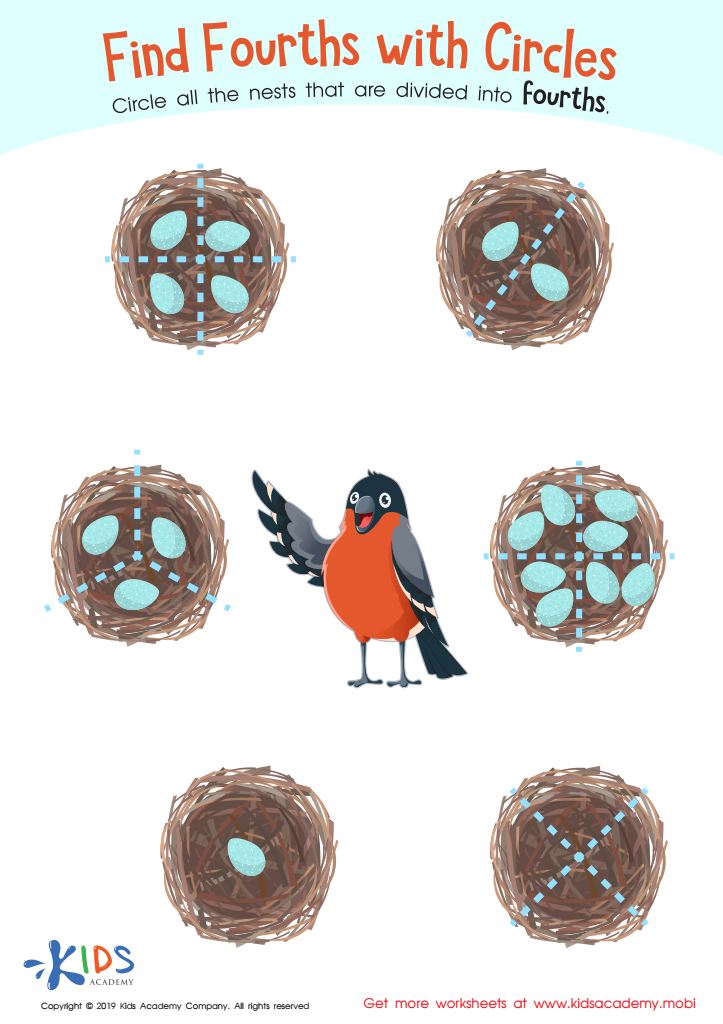
Find Fourths Circles Worksheet
 Assign to My Students
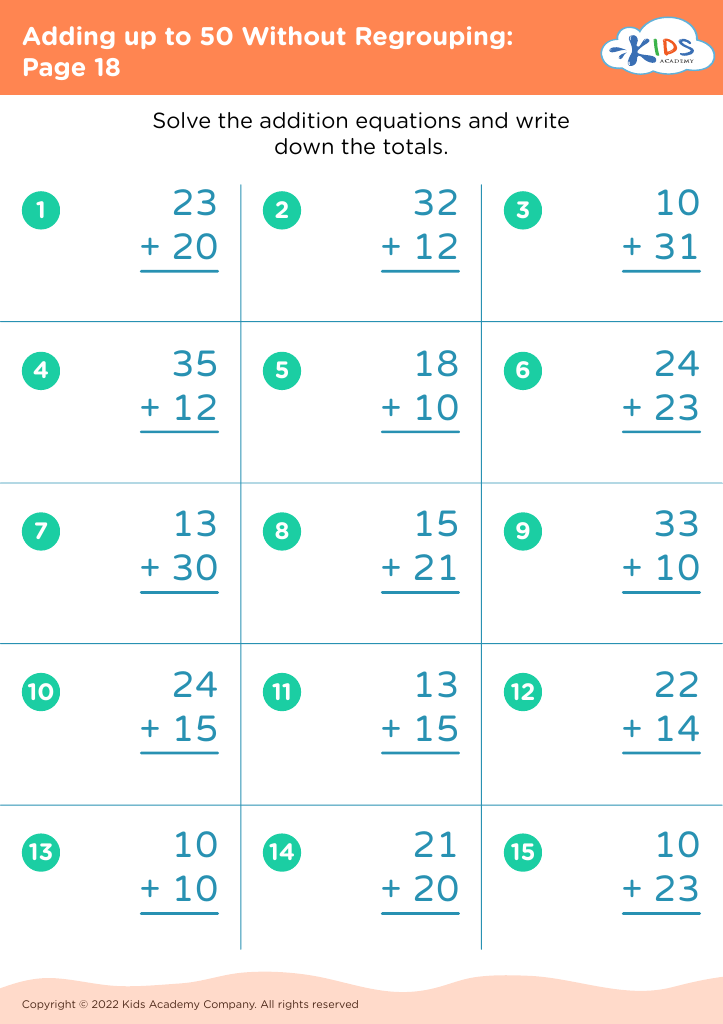
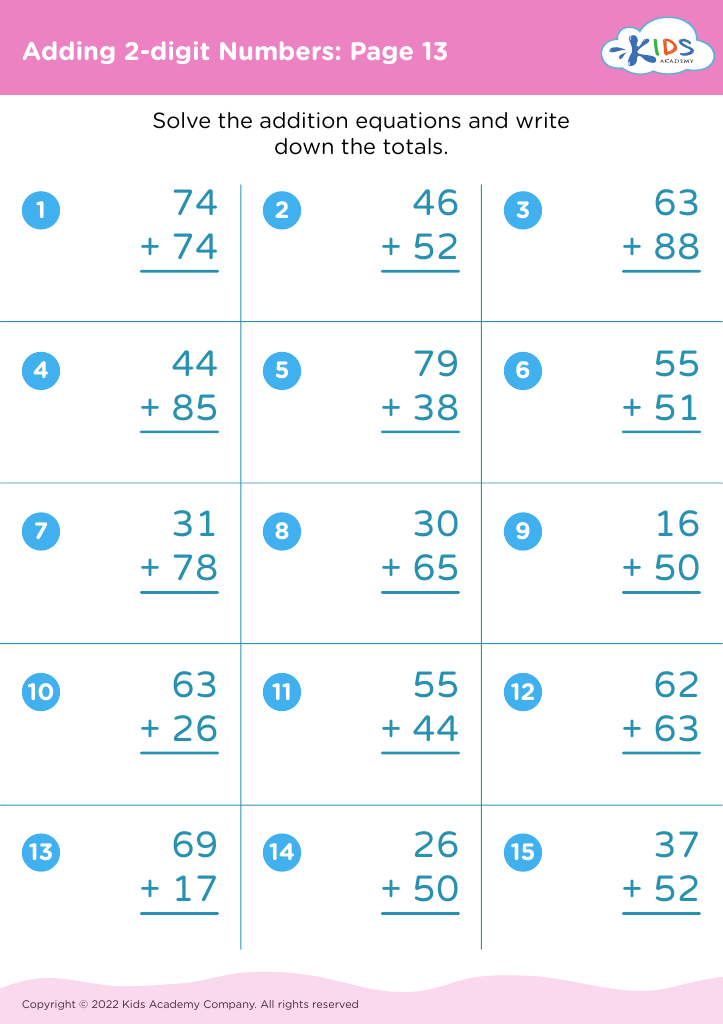
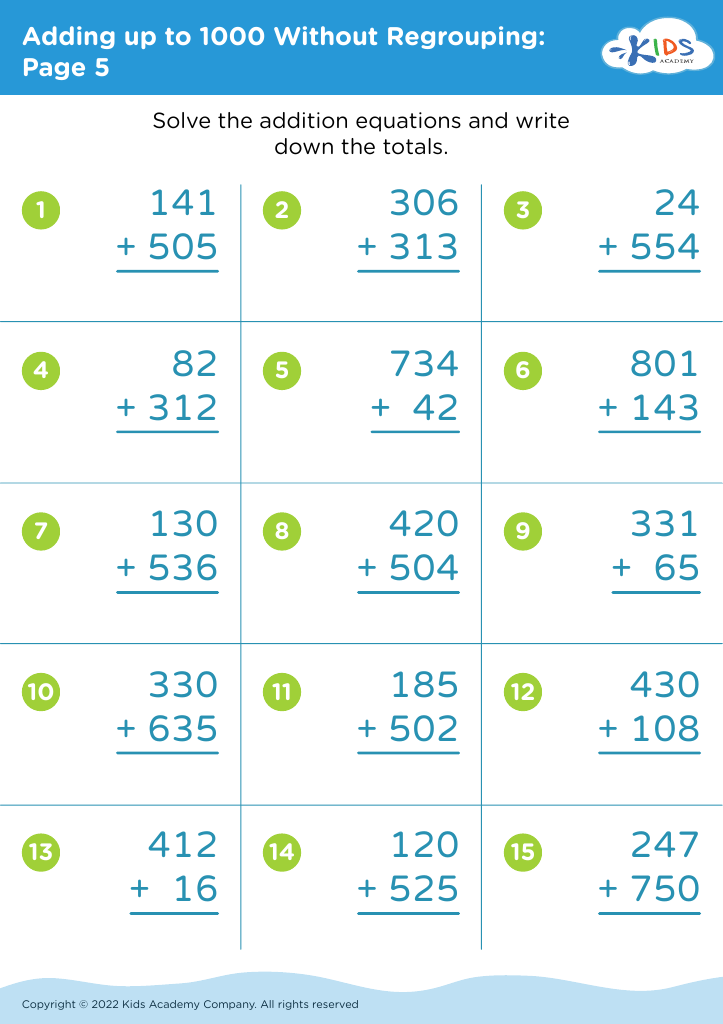
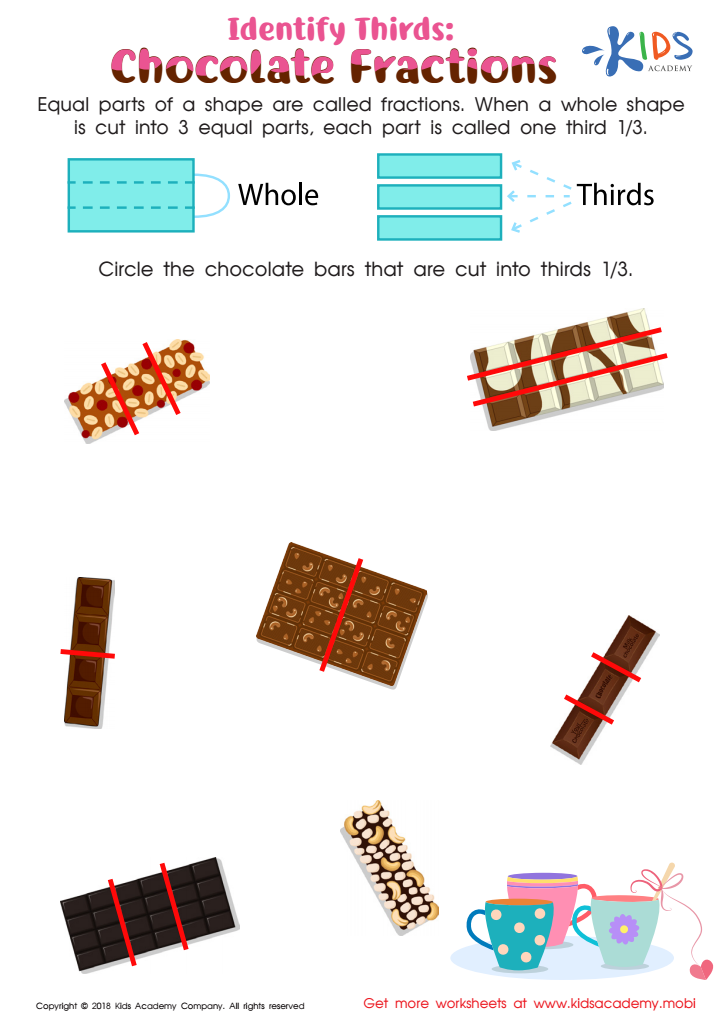
Identify Thirds: Chocolate Fractions Worksheet
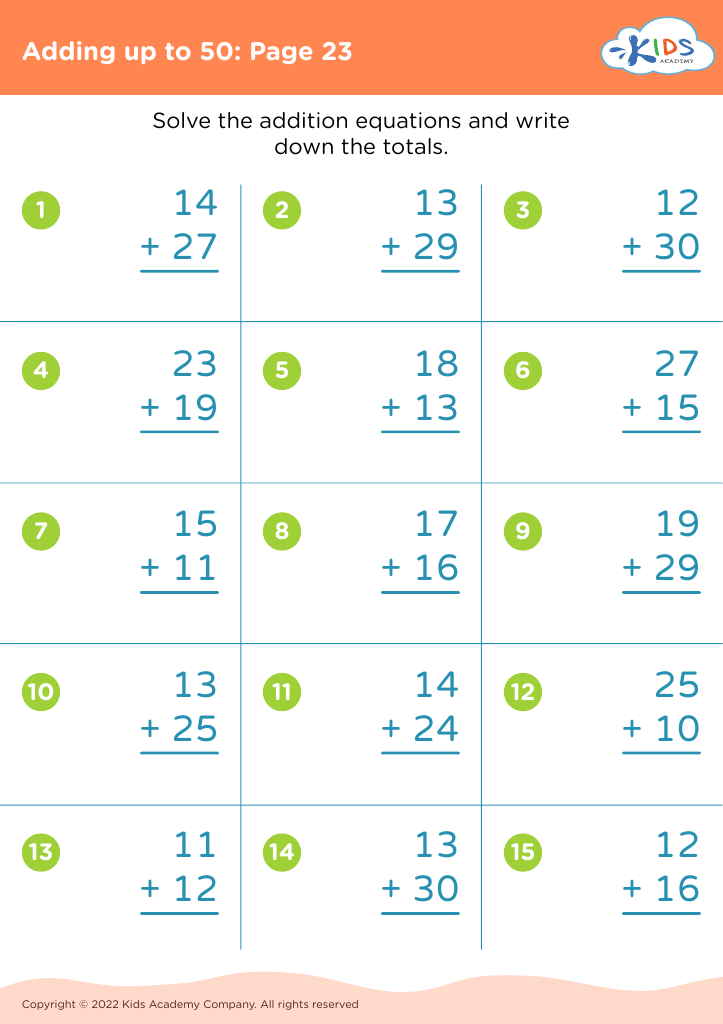
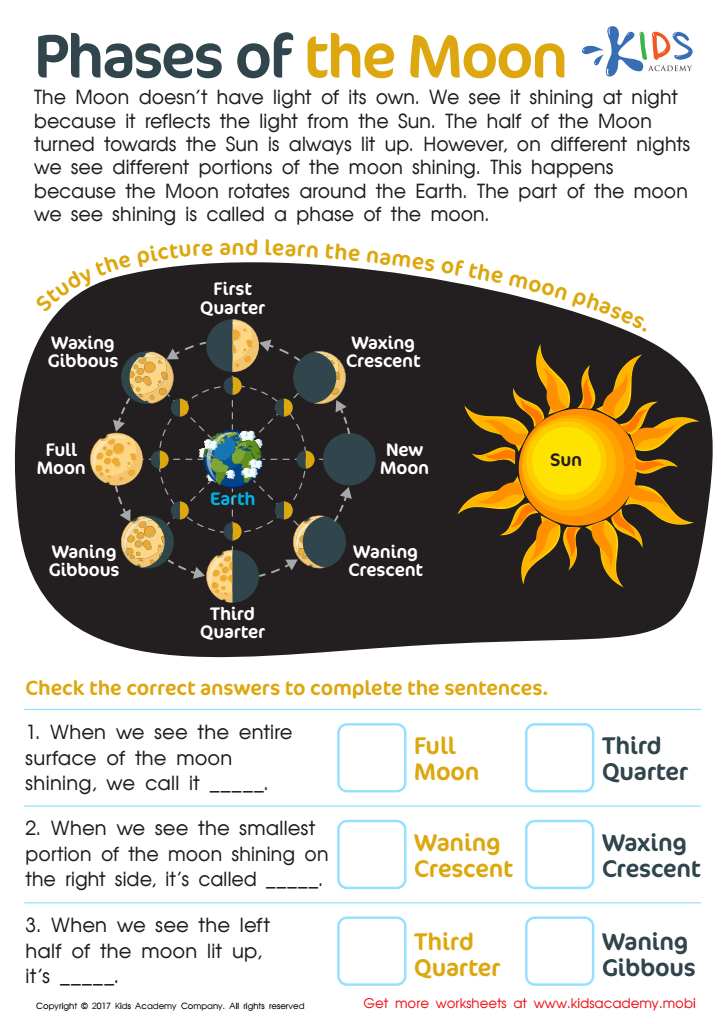
Phases of The Moon Worksheet
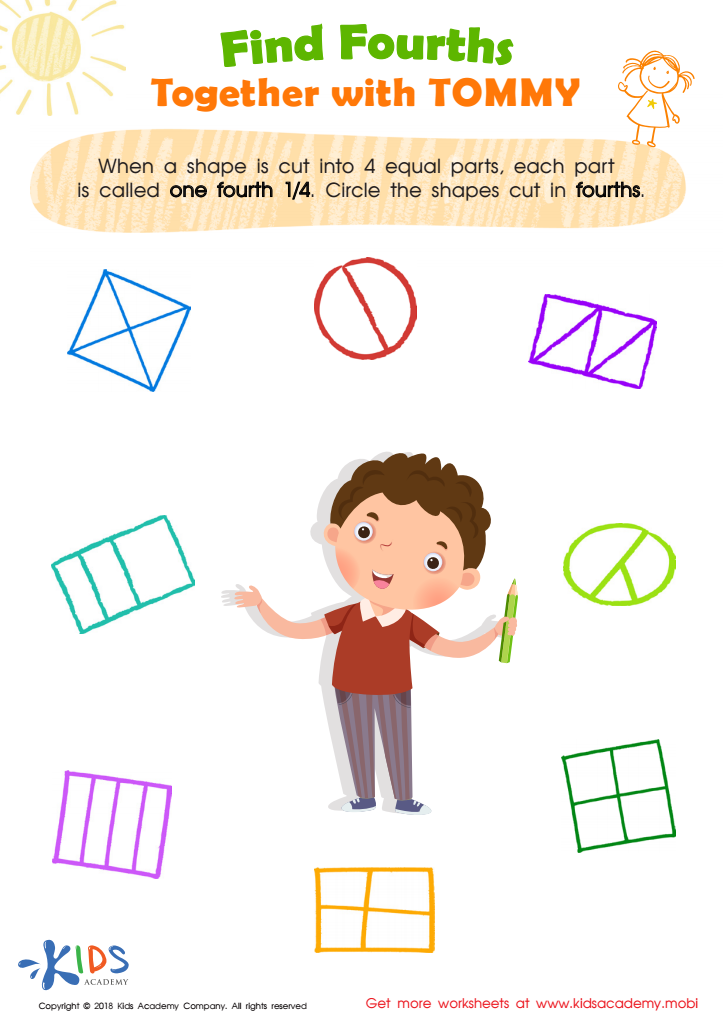
Find Fourths Together with Tommy Worksheet
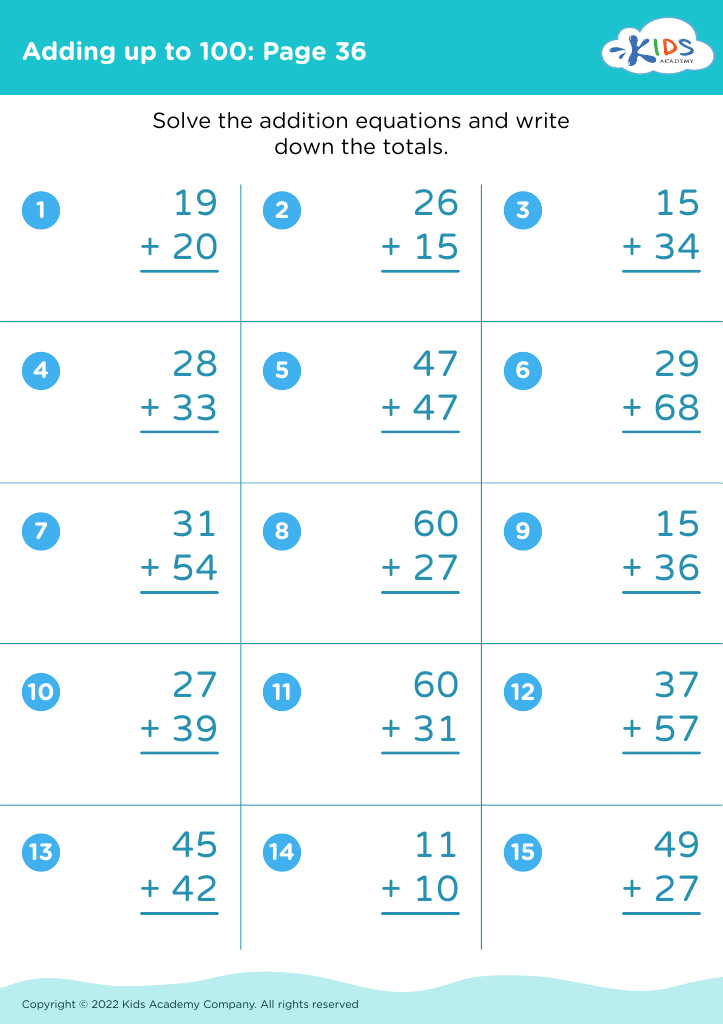
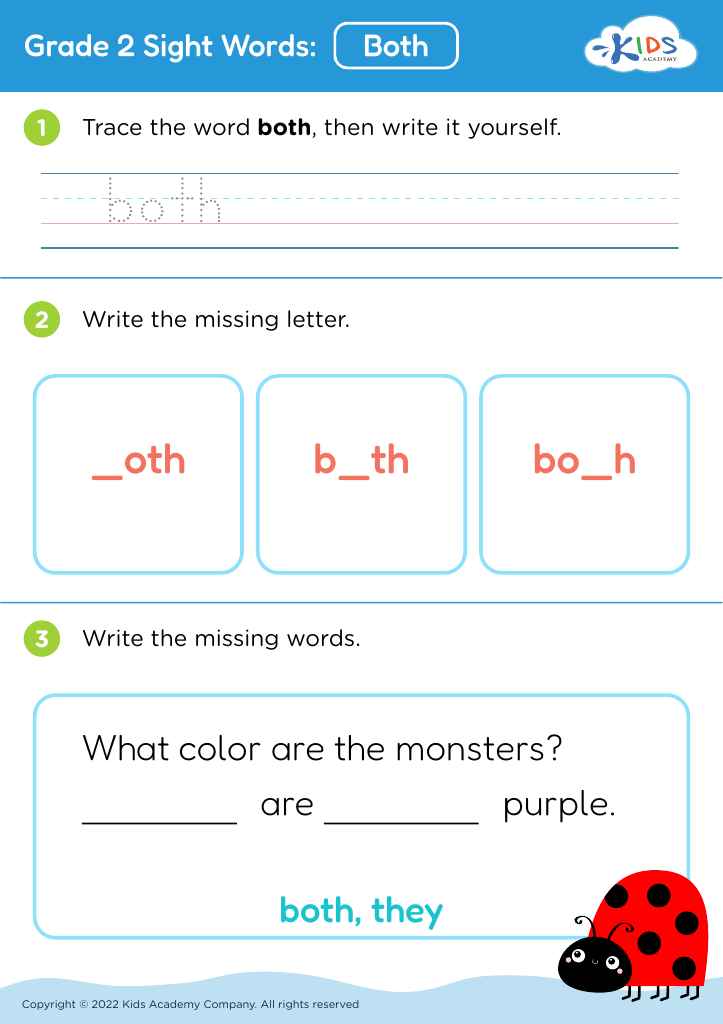
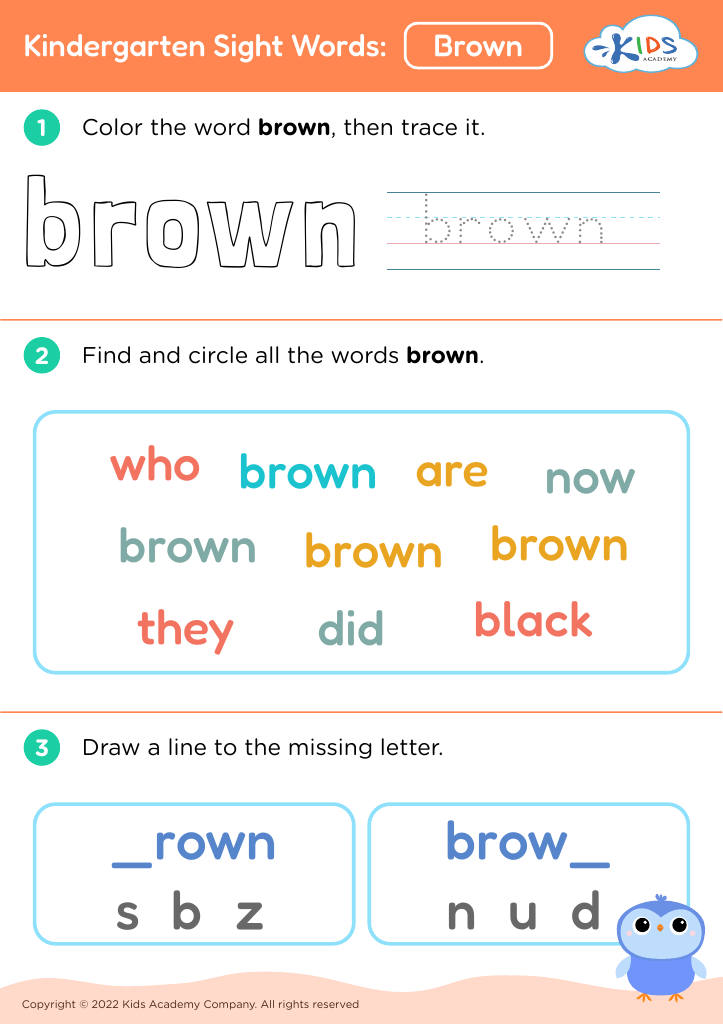







Visual representation comprehension is crucial for children aged 3-9 as it forms the foundation for their overall learning and cognitive development. At this age, children are naturally drawn to visual stimuli, making it an effective tool for enhancing understanding and retention of information. Parents and teachers should prioritize this aspect of learning because it helps children interpret images, decipher meaning from symbols, and understand spatial relationships.
As children engage with visual materials, such as charts, diagrams, and illustrated stories, they learn to connect concepts and ideas, promoting critical thinking and problem-solving skills. This comprehension fosters early literacy as children begin to recognize patterns in how images correspond to text, aiding in vocabulary acquisition and reading fluency.
Moreover, visual representation aids in bridging knowledge gaps for diverse learners, including those with varying degrees of language proficiency. By utilizing visual tools, educators and parents can create inclusive environments that cater to all learners' needs. Ultimately, supporting visual representation comprehension empowers children to become confident learners, cultivating a love for education that can last a lifetime. This investment in early understanding nurtures curiosity and prepares them for more complex learning experiences as they grow.








