Vocabulary Building Worksheets for Ages 3-9 - Page 4
83 filtered results
-
From - To
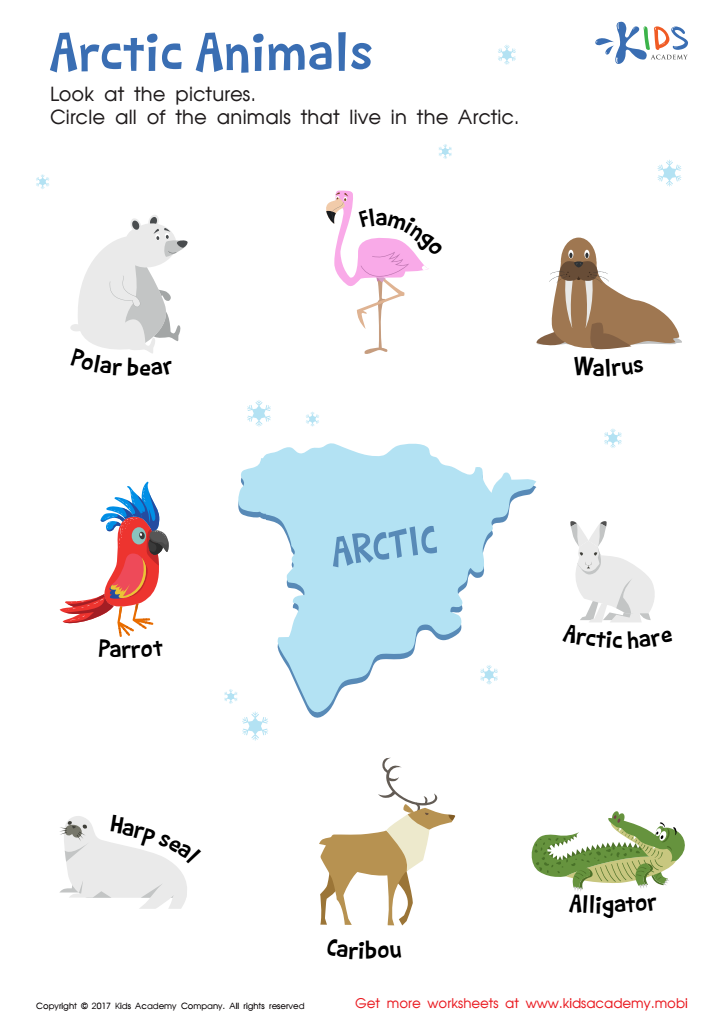
Arctic Animals Worksheet
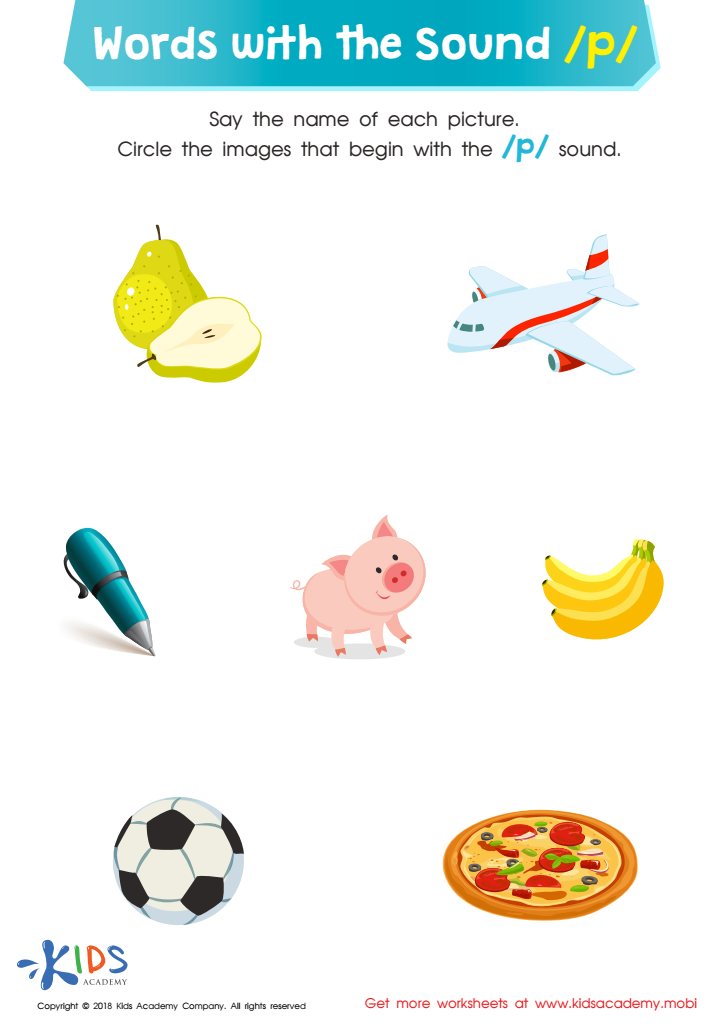
Words with sound p Reading Worksheet
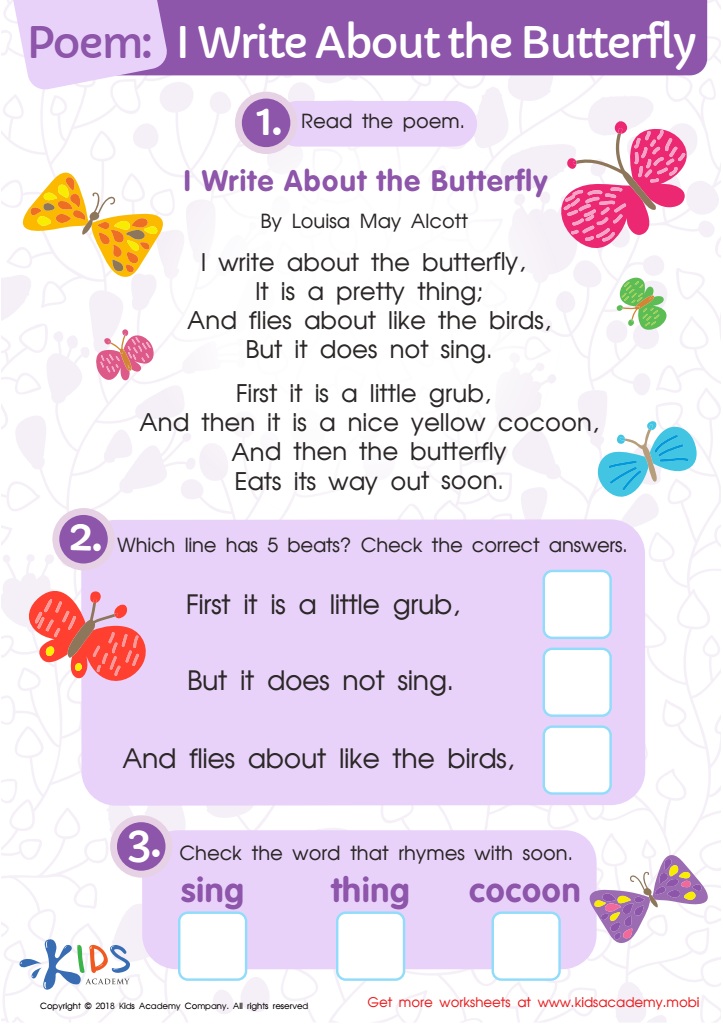
Poem: I Write About The Butterfly Worksheet
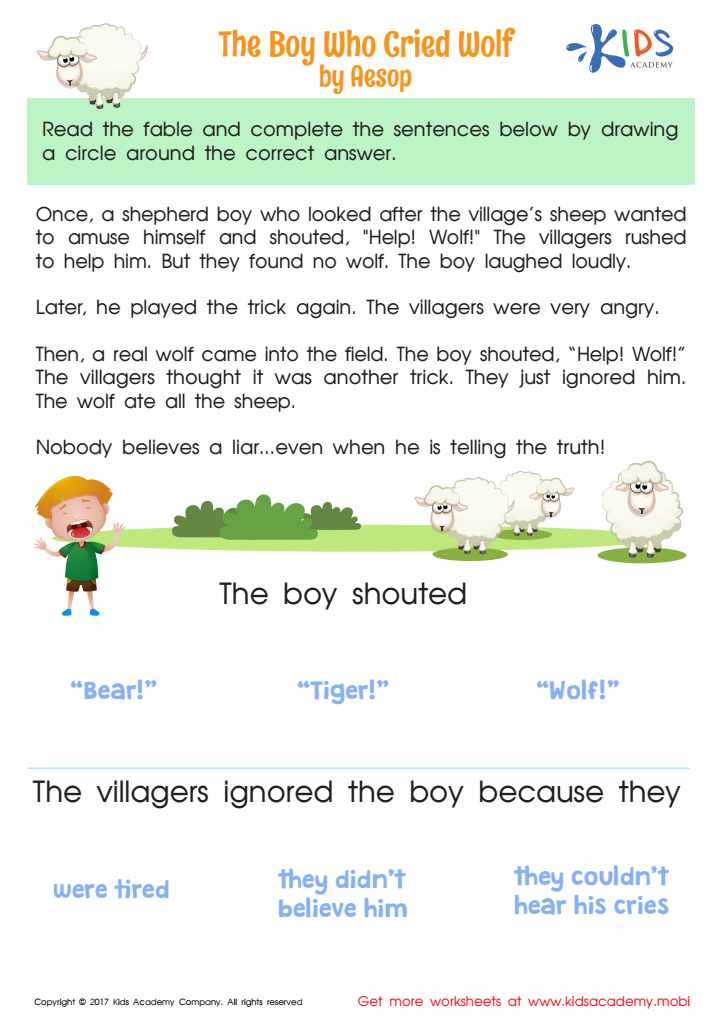
The Boy Who Cried Wolf Worksheet
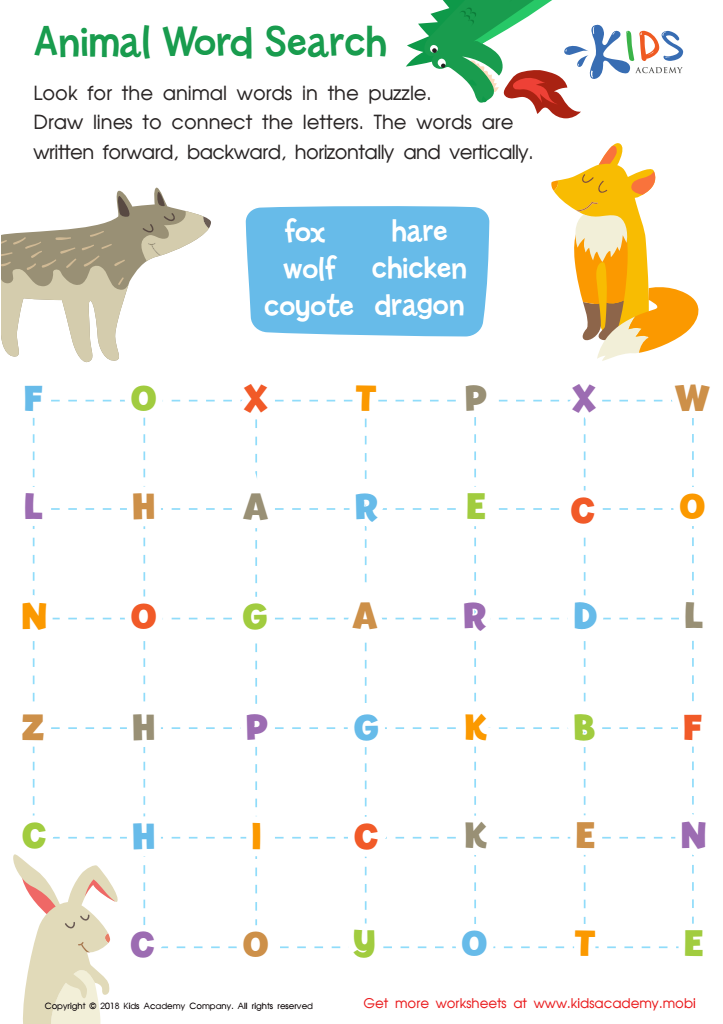
Animal Word Search Worksheet
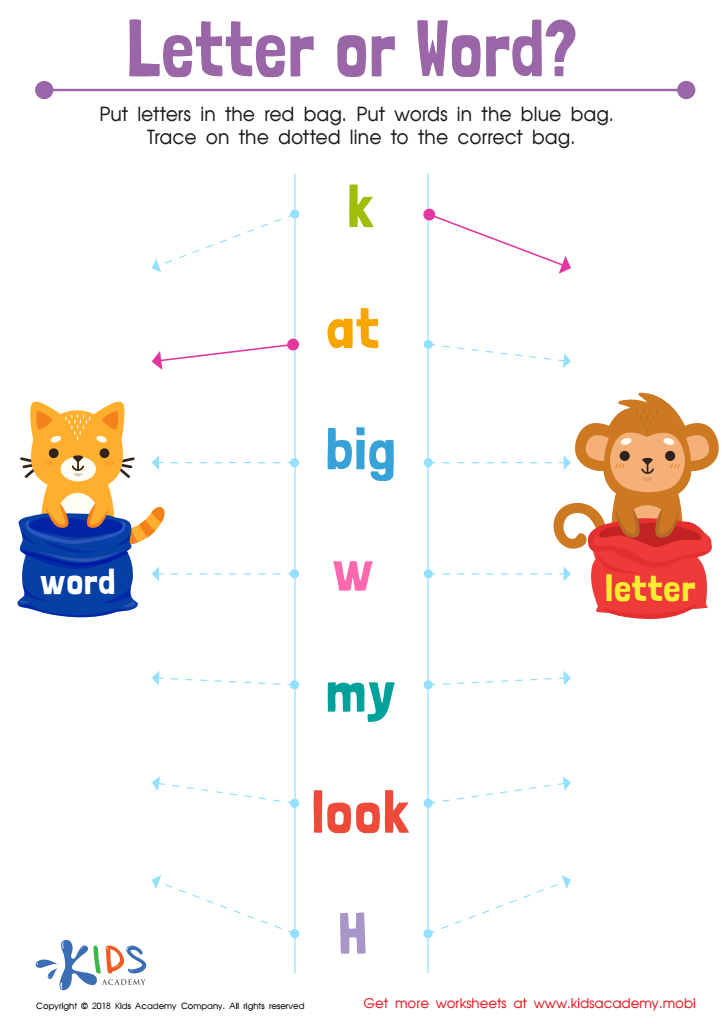
Letter or Word? Worksheet
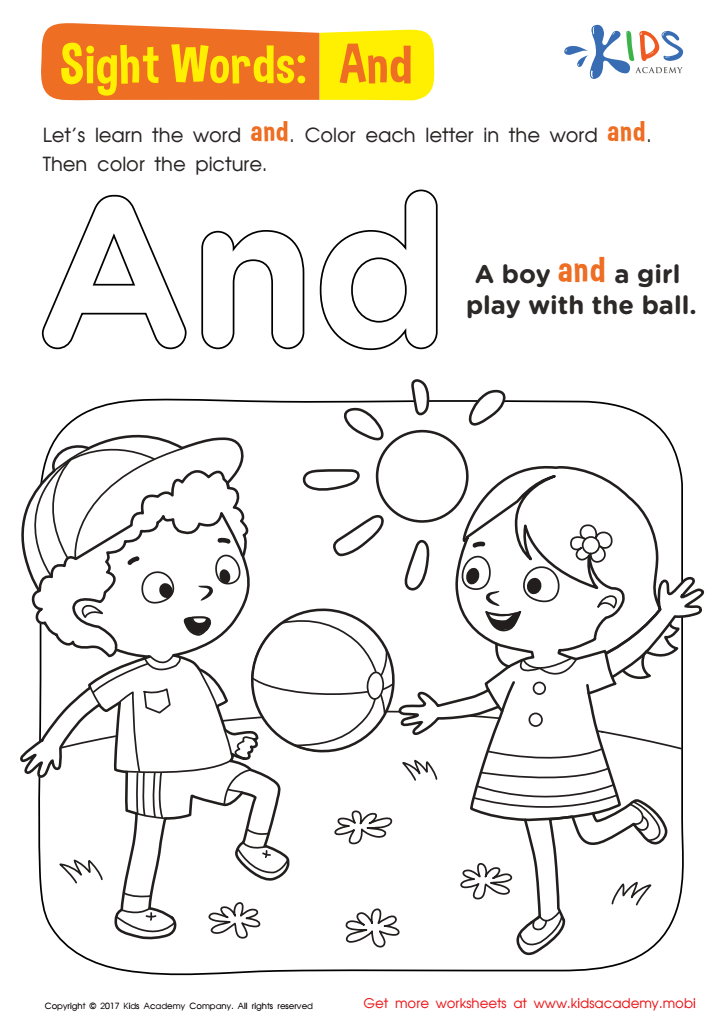
And Worksheet Sight Words Worksheet
 Assign to My Students








Vocabulary building is crucial for children aged 3-9, as it forms the foundation for effective communication, literacy skills, and overall cognitive development. During these formative years, children are rapidly acquiring language, and a rich vocabulary enhances their ability to express thoughts, feelings, and ideas. Improved vocabulary aids in reading comprehension and critical thinking skills, which are essential for academic success.
Research shows that a strong vocabulary in early childhood correlates with better performance in school and beyond. When parents and teachers engage in activities that promote vocabulary growth, such as reading aloud, storytelling, or discussing new words, they provide children with exposure to diverse language and concepts. This not only sparks curiosity but also boosts confidence as children become more adept at articulating themselves.
Furthermore, vocabulary building encourages social interactions. Children with a broader vocabulary can better navigate conversations and engage in meaningful exchanges with peers and adults, which is vital for developing social skills and emotional intelligence. In summary, investing time and effort in vocabulary development for young children enriches their learning experiences, fosters their academic growth, and equips them with essential life skills to thrive in an increasingly complex world.








