Color recognition Logic and Early Math Worksheets for Ages 3-9
4 filtered results
Difficulty Level
Grade
Age
-
From - To
Subject
Activity
Standards
Discover an enriching selection of color recognition logic and early math worksheets designed for kids aged 3-9. Our expertly crafted printable worksheets provide exciting opportunities for young learners to enhance their ability to identify colors, improve critical thinking skills, and build a strong foundation in basic math concepts. Engaging and visually appealing, these activities feature fun themes and characters that kids love, making learning an enjoyable adventure. Perfect for home or classroom use, our worksheets support the development of essential learning skills, preparing children for future academic success. Explore our wide variety of resources today and watch your child thrive!
Favorites
With answer key
Interactive
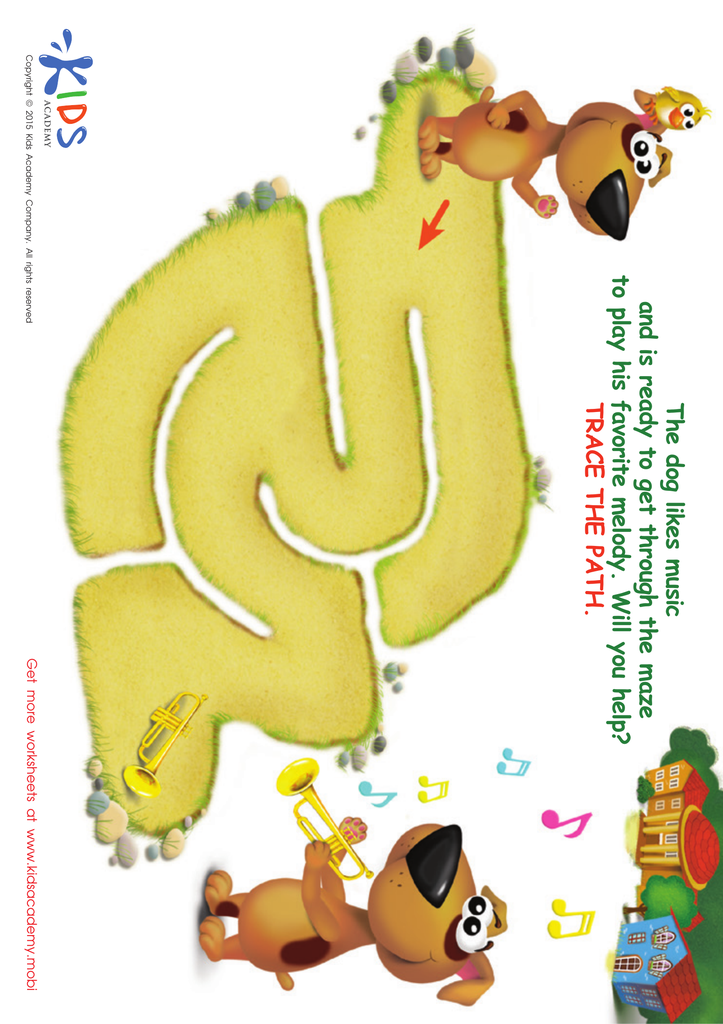
Trumpeter Maze Worksheet
Help your kid to find the way out of the maze to hear their favorite melody! Visit Kids Academy now and explore plenty of fun and educational resources.
Trumpeter Maze Worksheet
Worksheet
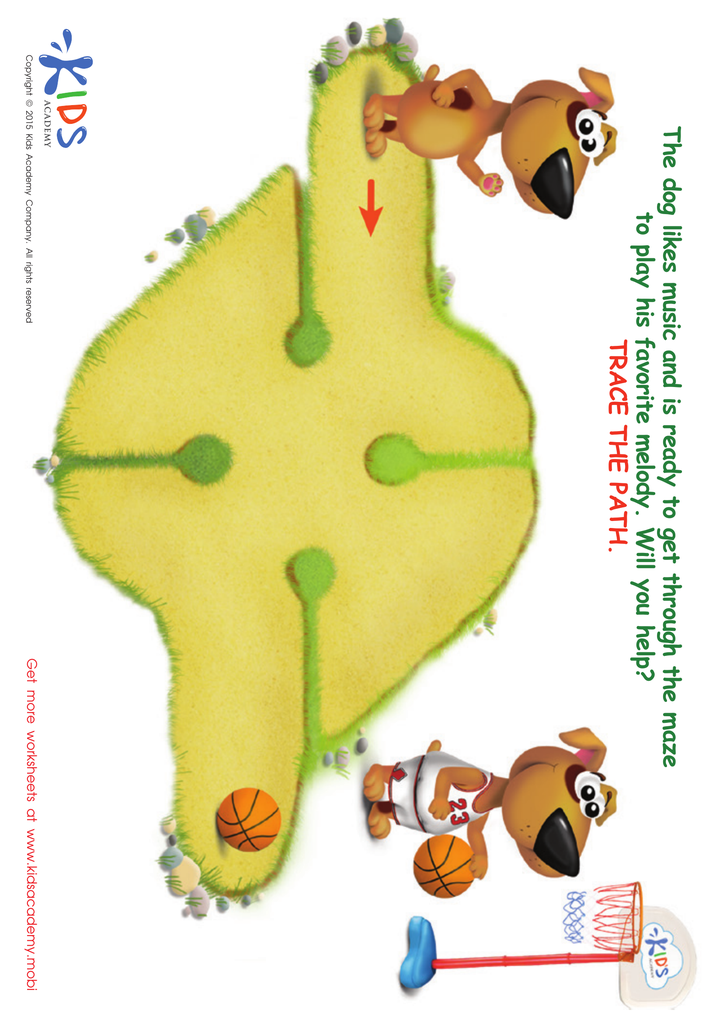
Basketball Player Maze Worksheet
Test your skills with our new printable maze worksheets, and help the little dog get his basketball! Trace the path carefully to get the ball and play together.
Basketball Player Maze Worksheet
Worksheet
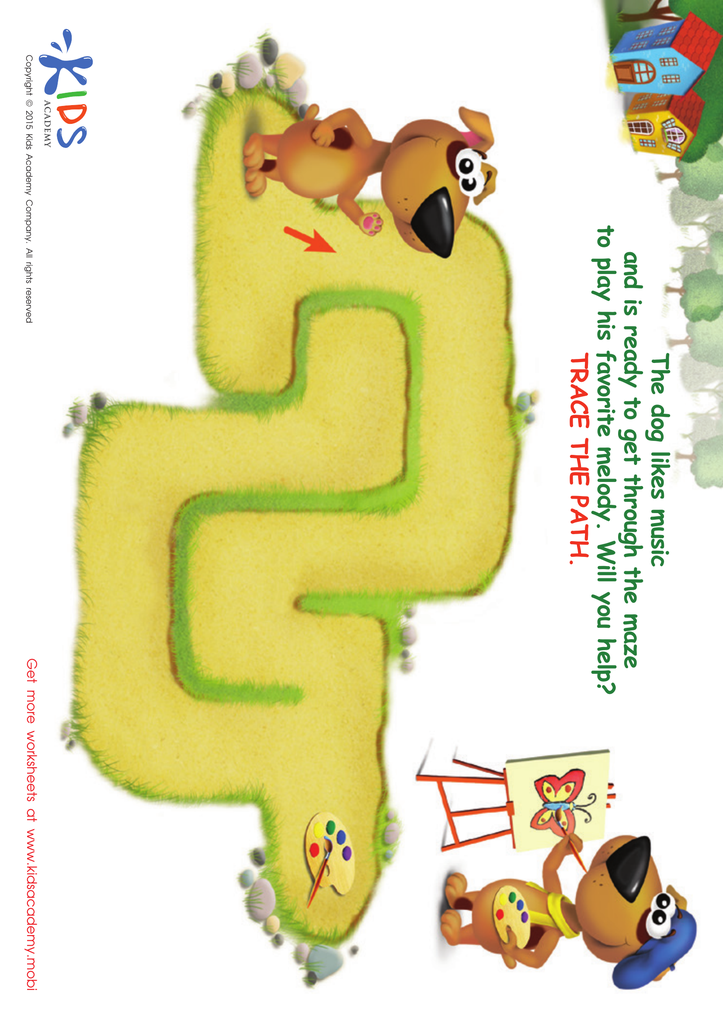
Artist Maze Worksheet
Try this new maze worksheet to help your child develop problem-solving skills. Let the pup traverse the path and create a masterpiece with the brush and paints on the other side! Give it a go now.
Artist Maze Worksheet
Worksheet
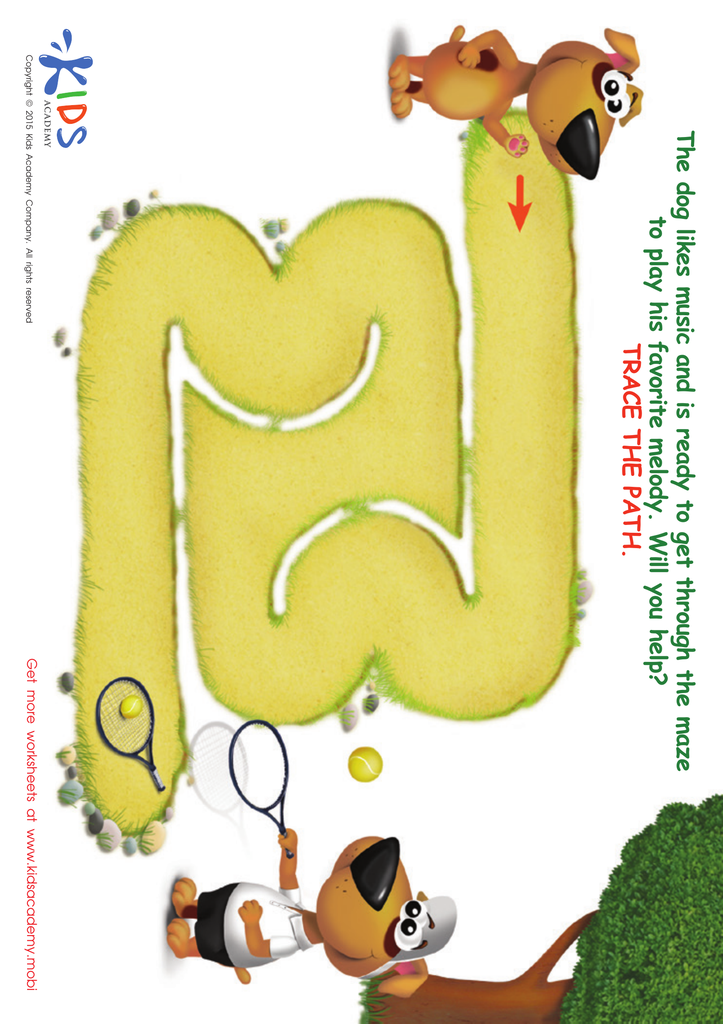
Tennis Player Maze Worksheet
Get them now and play together with your kids! Trace paths and help the dog find the racquets and balls. Fun and learning await.
Tennis Player Maze Worksheet
Worksheet
Join Kids Academy for Free
Who is primarily going to use this learning content?








Parents and teachers should prioritize color recognition, logic, and early math during the critical developmental window between ages 3-9 as these skills lay the foundational blocks for future learning. Color recognition enhances visual discrimination, a vital cognitive process that helps children differentiate and categorize their environment. This skill bolsters their ability to follow instructions, develop language through color-related vocabulary, and even perceive nuances in emotions and the natural world.
Logical reasoning equips young minds to understand patterns, make connections, and solve problems. Introducing logical thinking at an early age nurtures mental flexibility, enabling kids to approach challenges methodically and creatively. Skills like sequencing, grouping, and simple reasoning exercises prepare children for more complex tasks in school and everyday life.
Early math skills embed essential numerical concepts that translate to every academic subject and practical scenario. Familiarity with numbers, basic arithmetic operations, and spatial awareness sets the stage for advanced math skills and fosters confidence. Activities related to math inspire critical thinking and analytical skills, which are crucial beyond just academic success. Integrating color recognition, logic, and math in a playful, engaging manner during early childhood encourages a natural, lifelong interest in learning, setting the stage for well-rounded cognitive, academic, and social development.