Reading comprehension 2D Shapes Worksheets for Ages 3-9
4 filtered results
-
From - To
Explore our engaging collection of Reading Comprehension 2D Shapes Worksheets, specially designed for children aged 3 to 9. These interactive resources aid young learners in understanding key concepts of 2D shapes while enhancing their reading skills. Each worksheet integrates fun illustrations and simple sentences to captivate and motivate children, making it easy for them to identify shapes like circles, squares, and triangles. Perfect for independent practice or classroom activities, these worksheets foster critical thinking and strong literacy foundations. Encourage a love for learning with our thoughtfully crafted materials that make mastering shapes and reading comprehension enjoyable and effective!
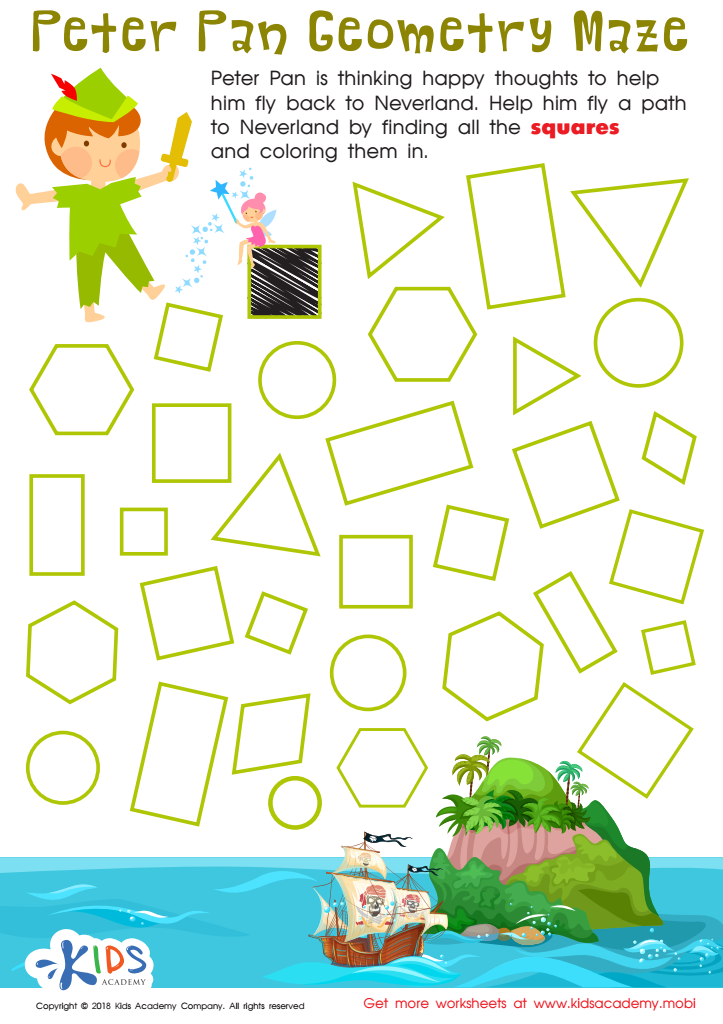
Peter Pan Worksheet
 Assign to My Students

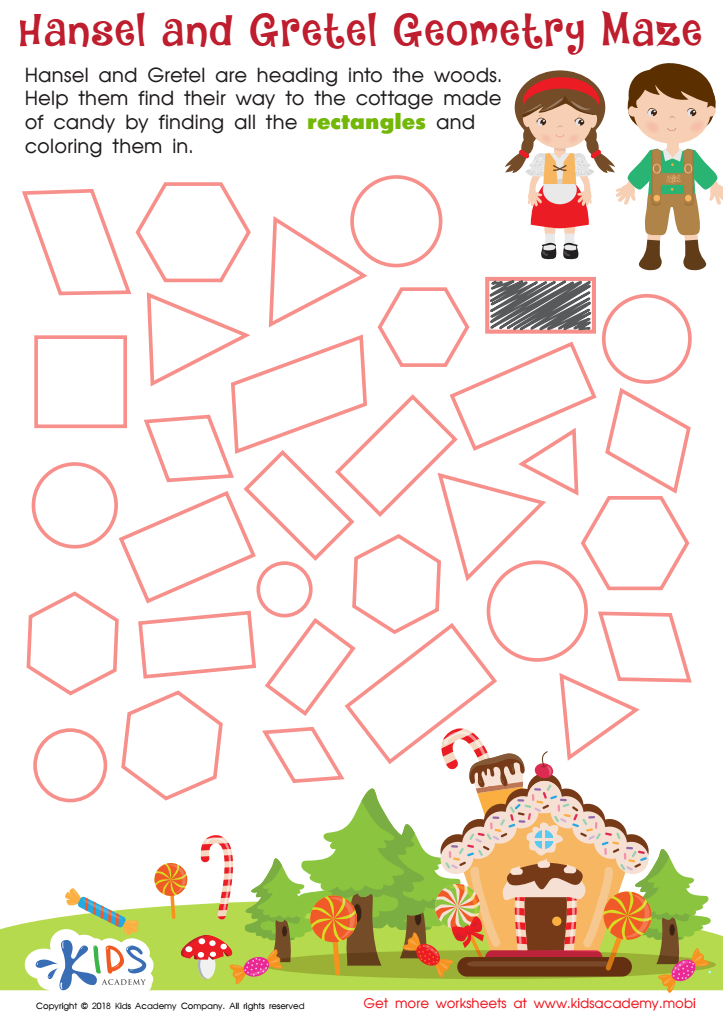
Hansel and Gretel Geometry Maze Worksheet
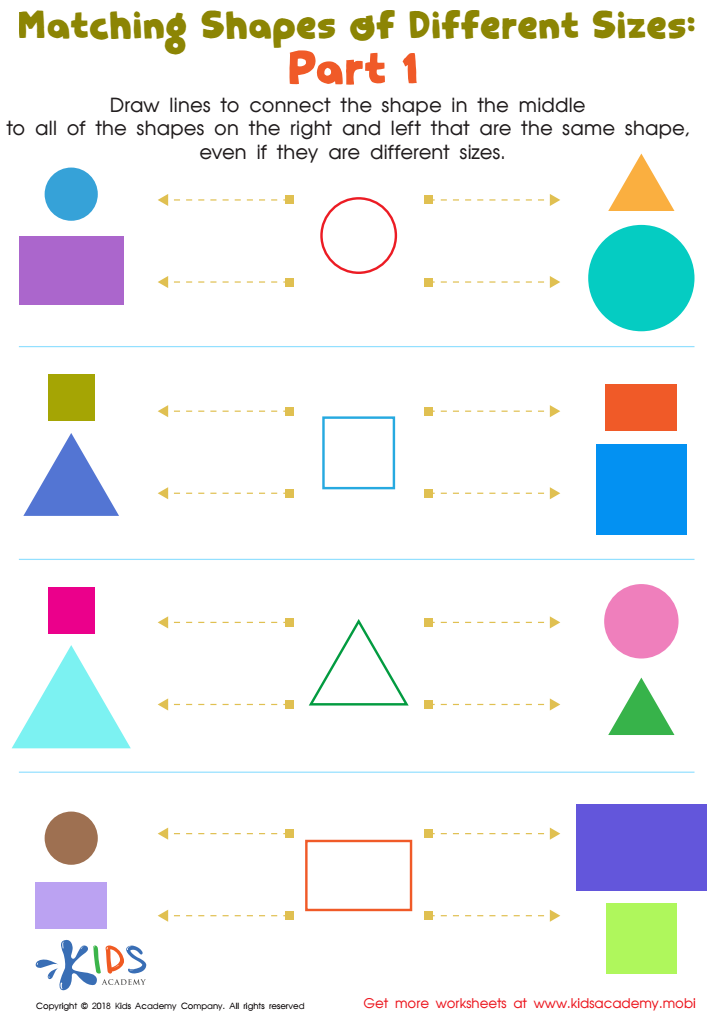
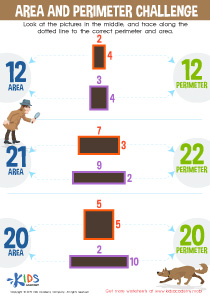
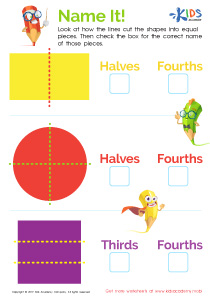
Geometry: part 1 Worksheet
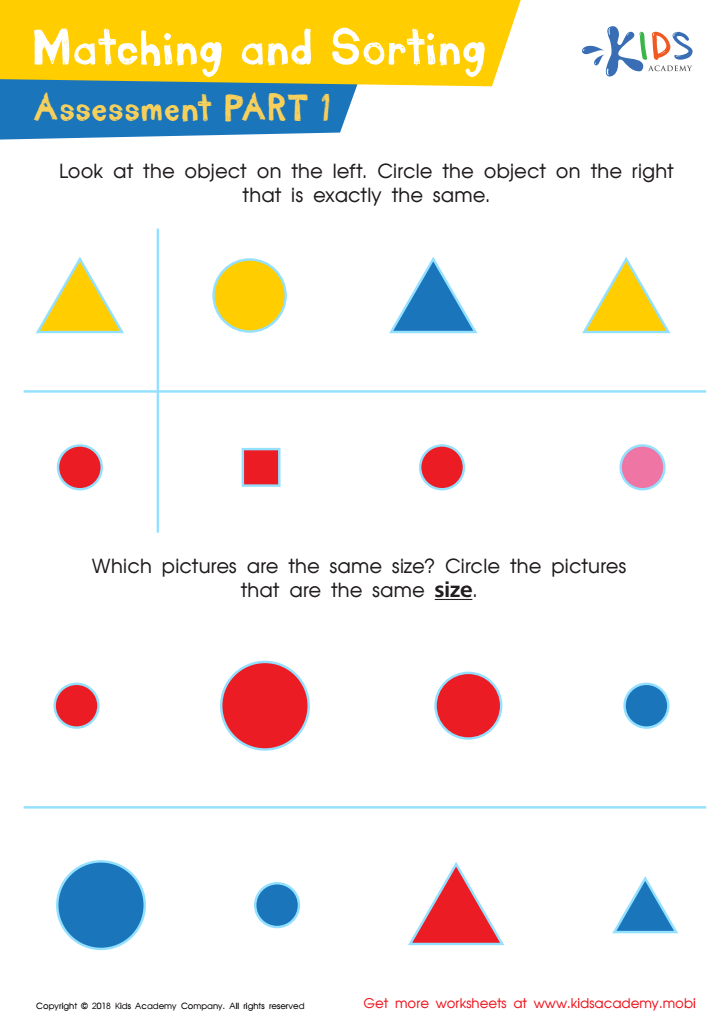
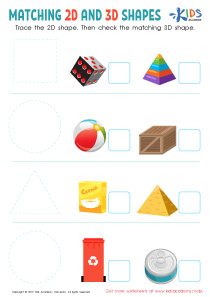
Matching and Sorting for Kindergarten: Assessment 1 Worksheet








Reading comprehension and understanding 2D shapes are foundational skills critical for children's early development. For parents and teachers, fostering these skills in children aged 3-9 is essential for several reasons.
Firstly, reading comprehension helps children decode and understand language, which is integral for academic success. When children learn to comprehend various texts, they enhance their vocabulary, improve their communication skills, and spark a love for reading that can last a lifetime. This foundational skill will serve them well as they progress through grades and face increasingly complex texts.
Simultaneously, understanding 2D shapes cultivates spatial awareness and critical thinking. Recognizing shapes and their properties is vital for problem-solving in mathematical concepts later on. By integrating art and play-based activities, teachers and parents can make learning about 2D shapes enjoyable, fostering creativity along the way.
Moreover, these skills are interconnected; stories often feature geometric themes, and recognizing shapes in texts can enhance a child's comprehension abilities. Ultimately, prioritizing reading comprehension alongside understanding 2D shapes helps create well-rounded learners equipped for holistic success in both academic and everyday contexts, making it a key focus for parents and educators.