Counting practice Adding with Busy Bugs Worksheets for Ages 3-9
49 filtered results
-
From - To
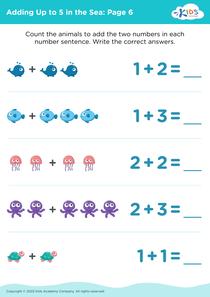
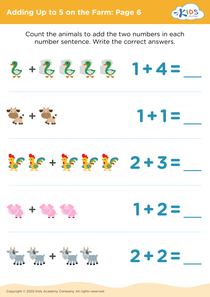
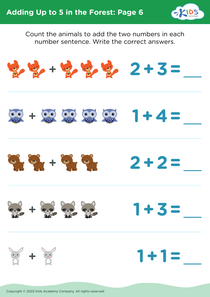
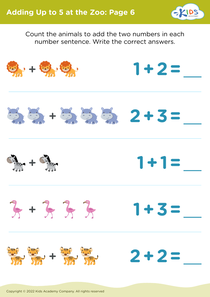
Enhance your child's math skills with our engaging Counting Practice: Adding with Busy Bugs Worksheets, designed for ages 3-9. With colorful, fun-filled activities featuring friendly bugs, these worksheets help young learners master the basics of addition. Perfect for early grade students, our exercises encourage counting, problem-solving, and number recognition, all while keeping kids entertained. Each worksheet is crafted to support different learning levels, ensuring a solid foundation in math. Download now and watch your child's confidence grow as they navigate through these interactive and educational addition challenges. Ideal for both classroom and at-home learning!
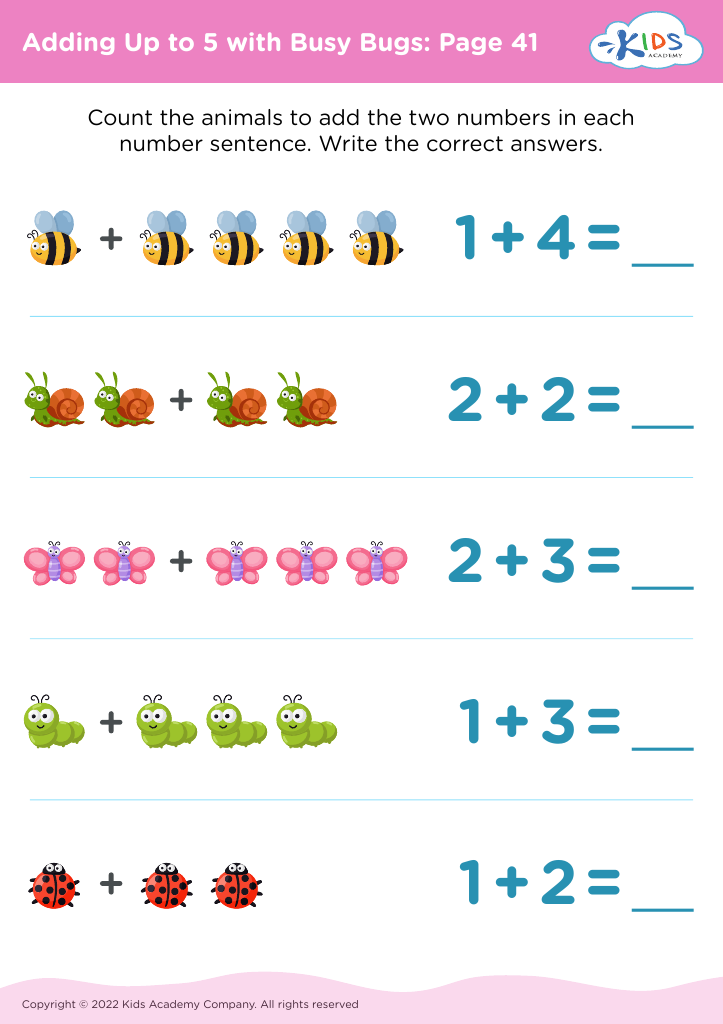
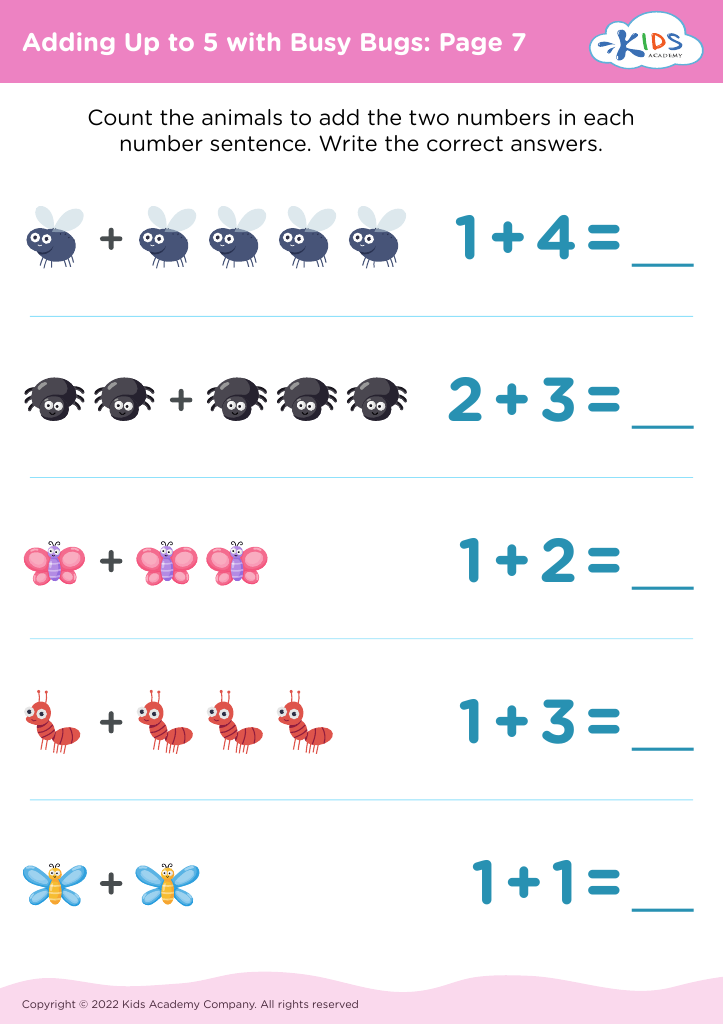
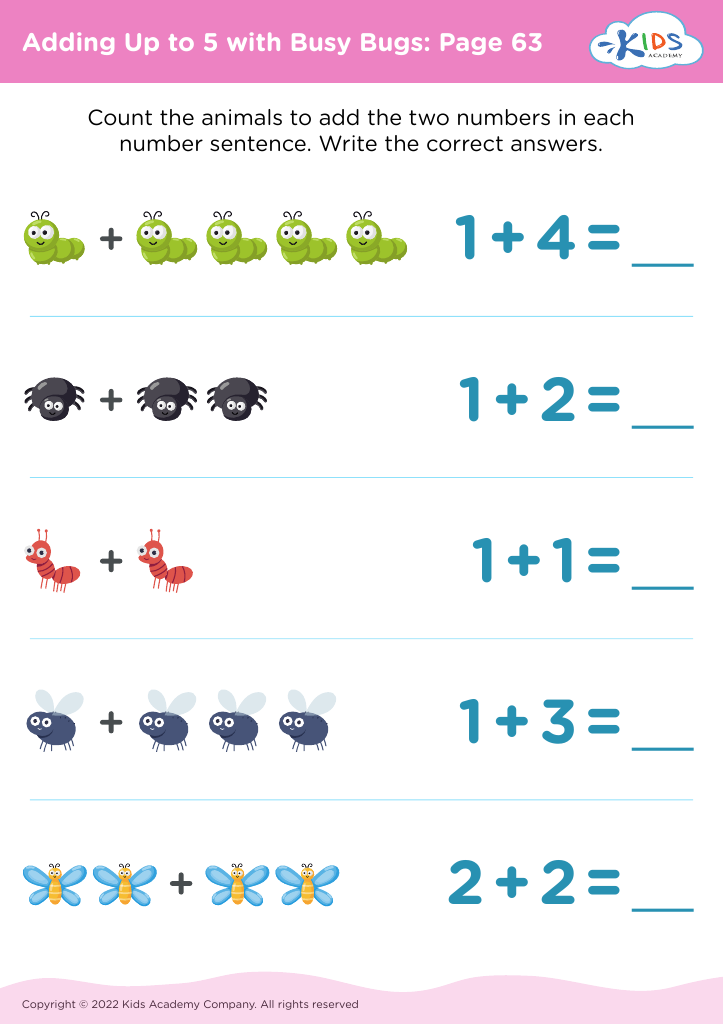
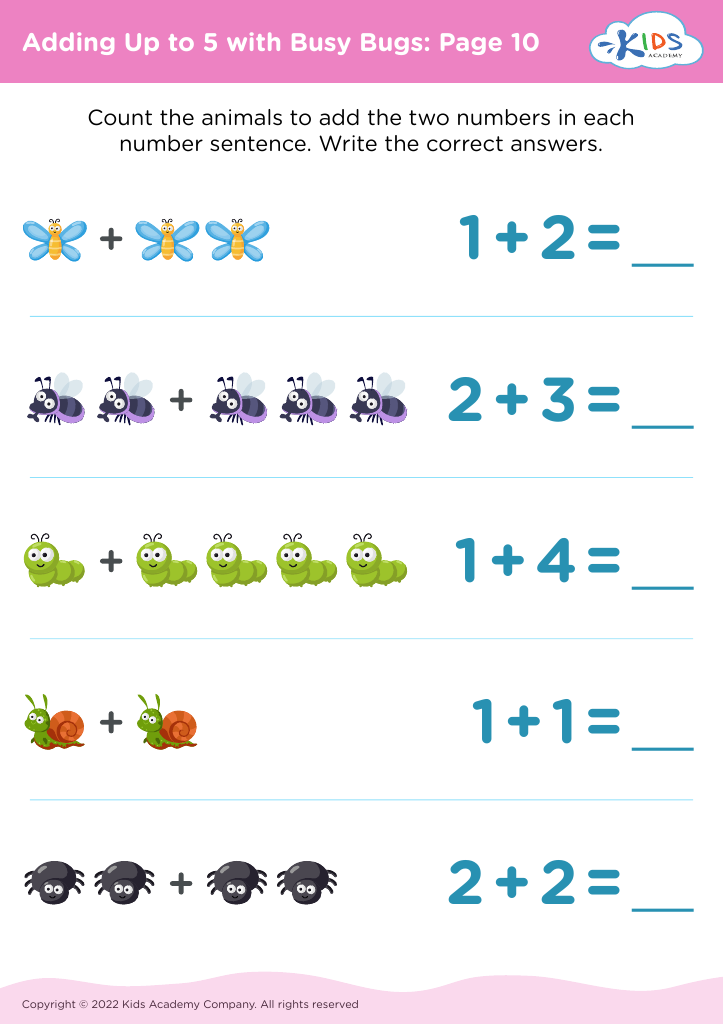
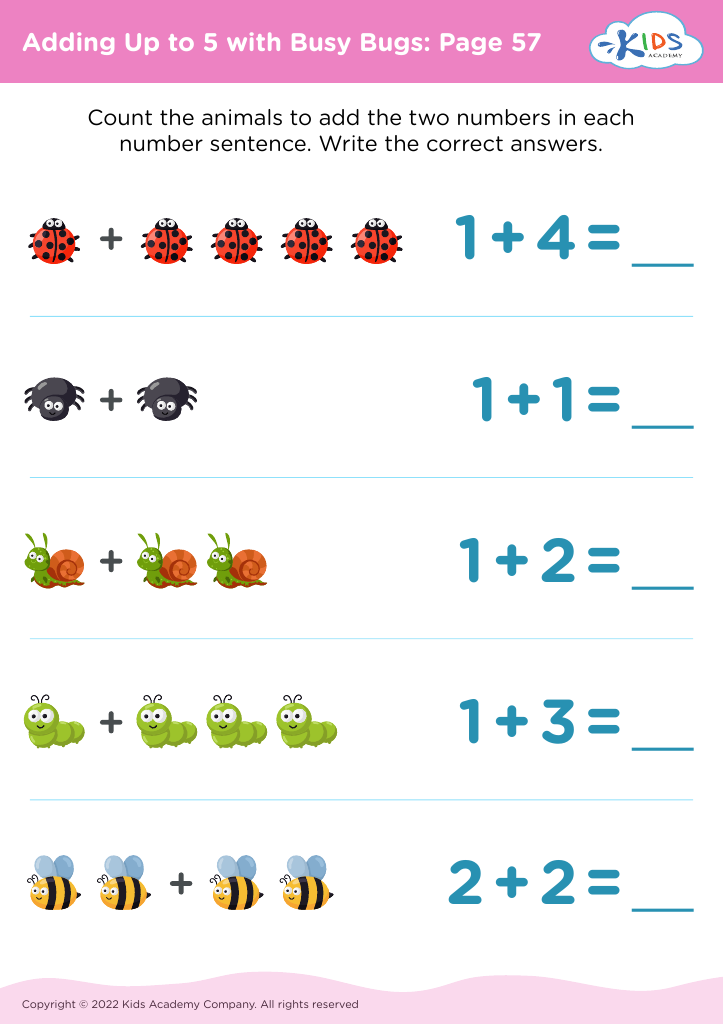
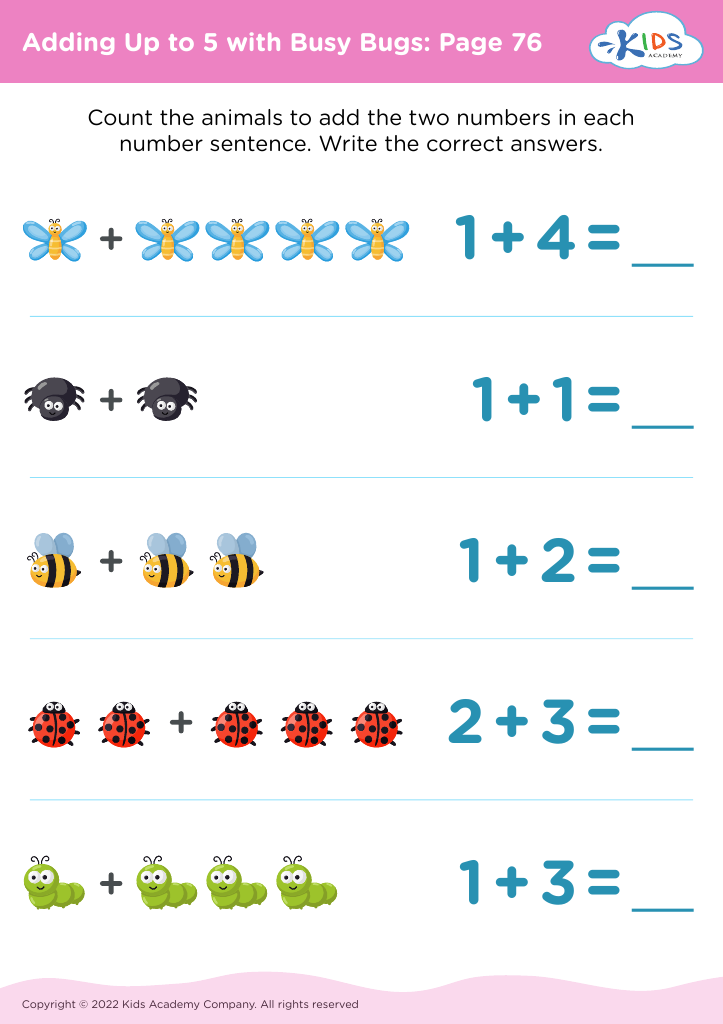
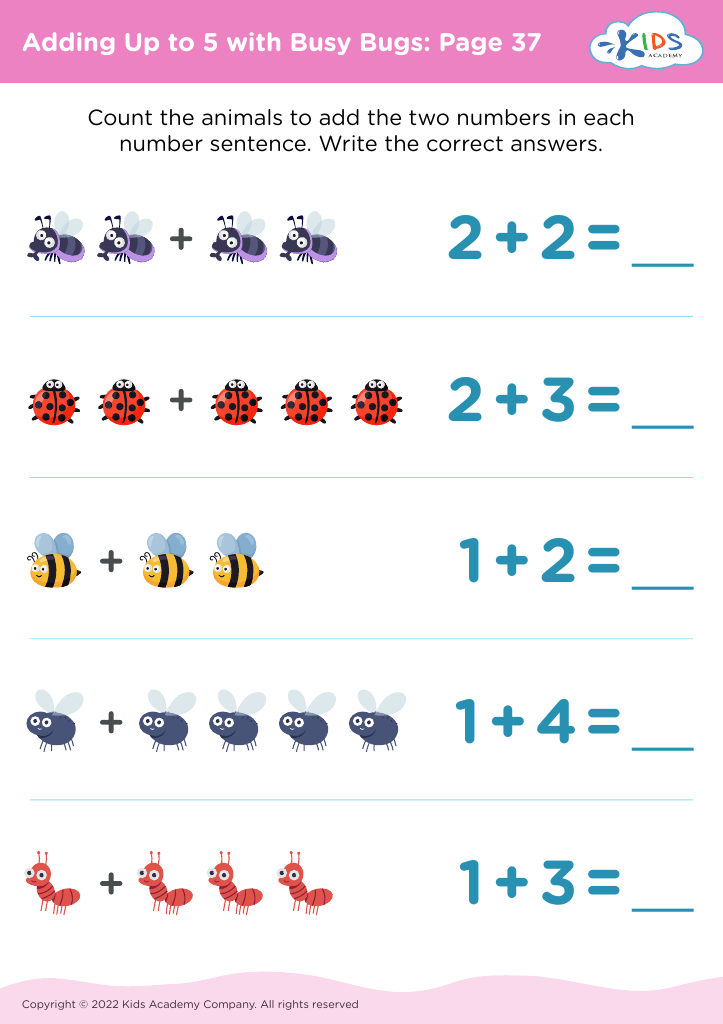
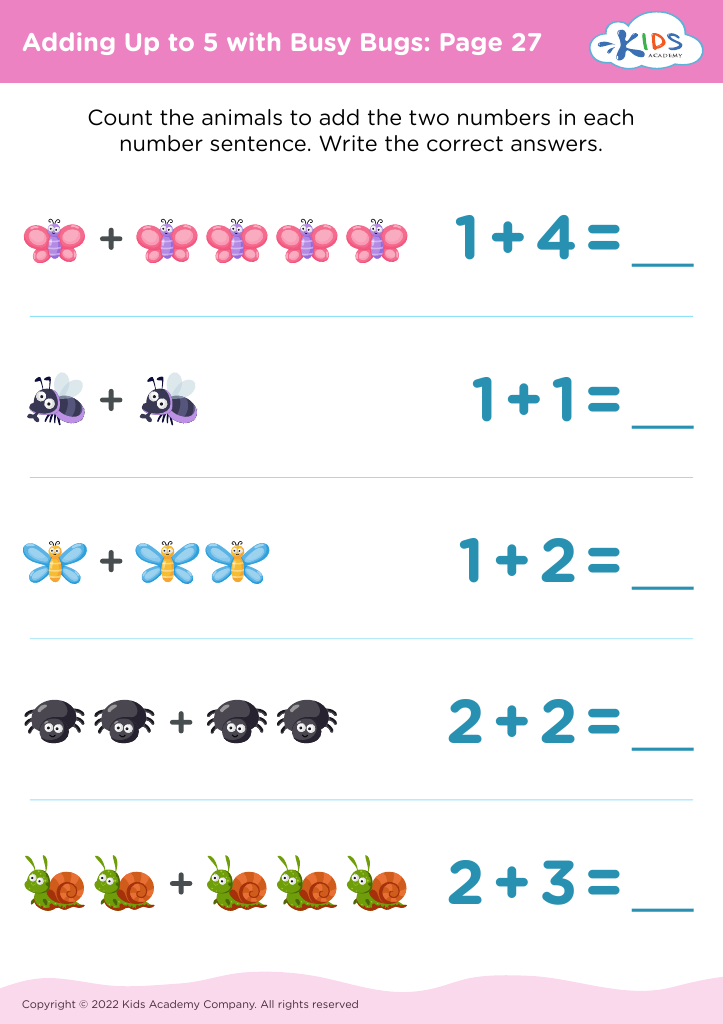
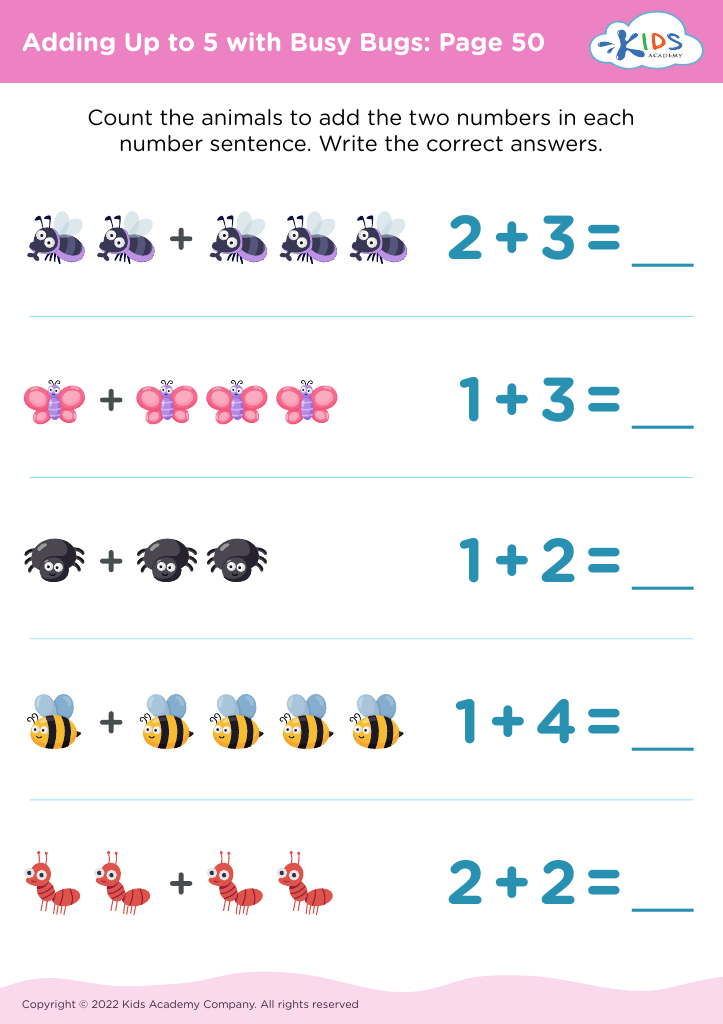
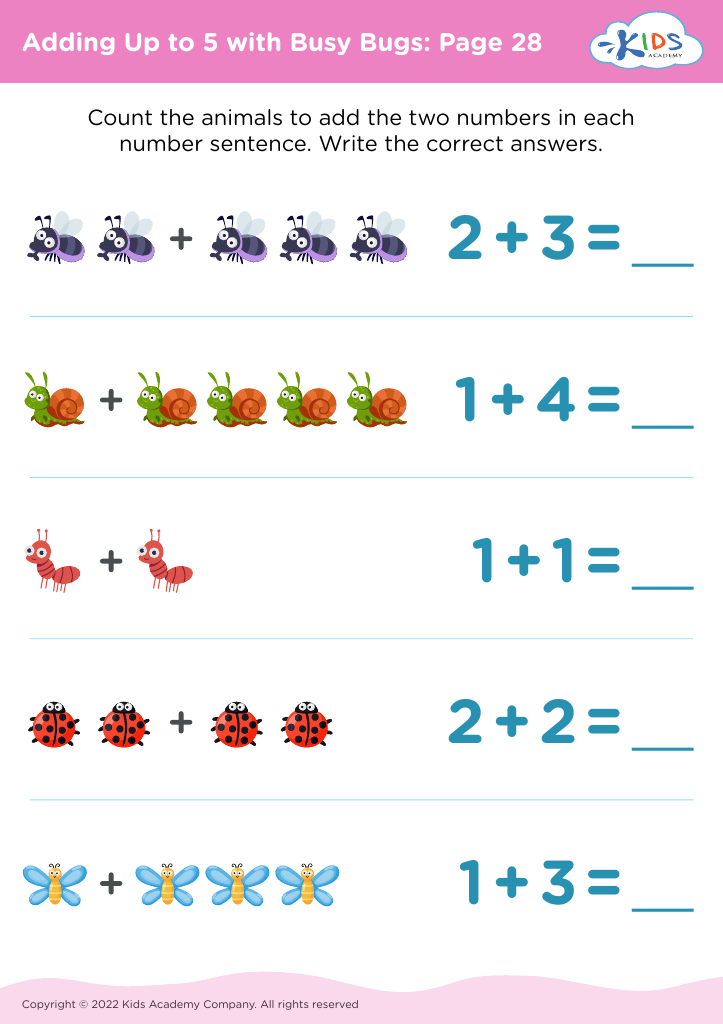
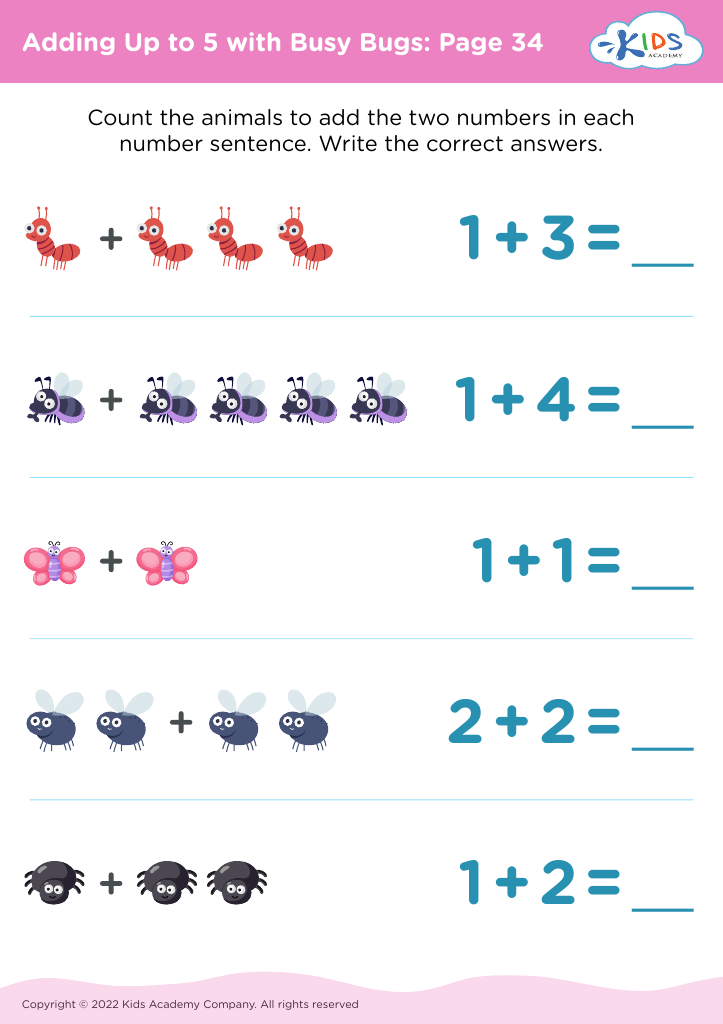
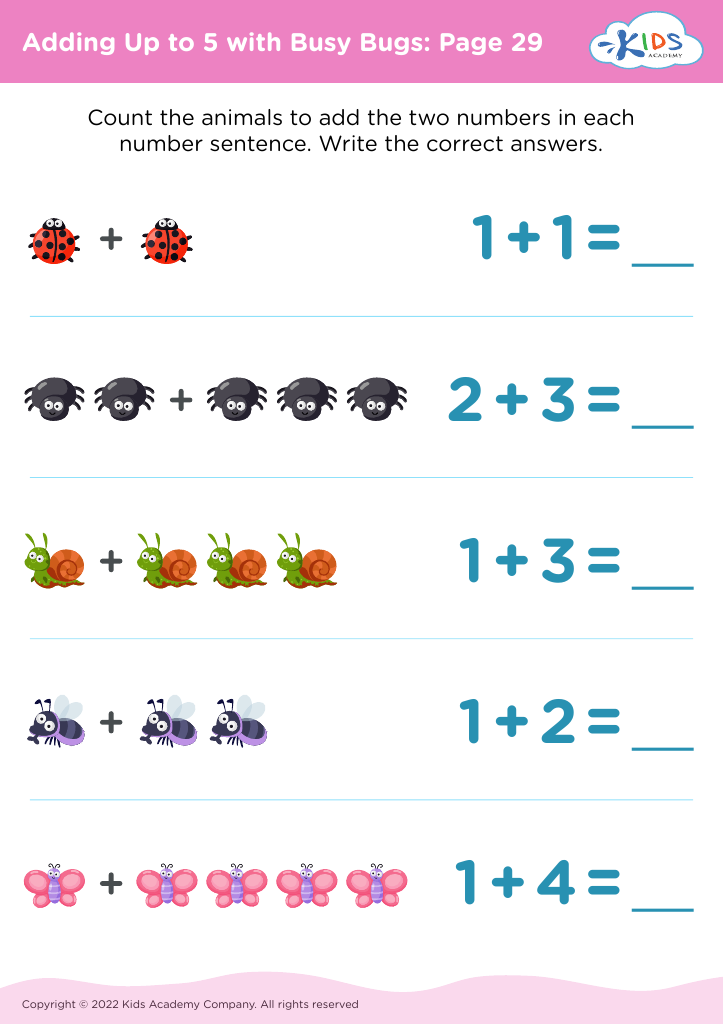
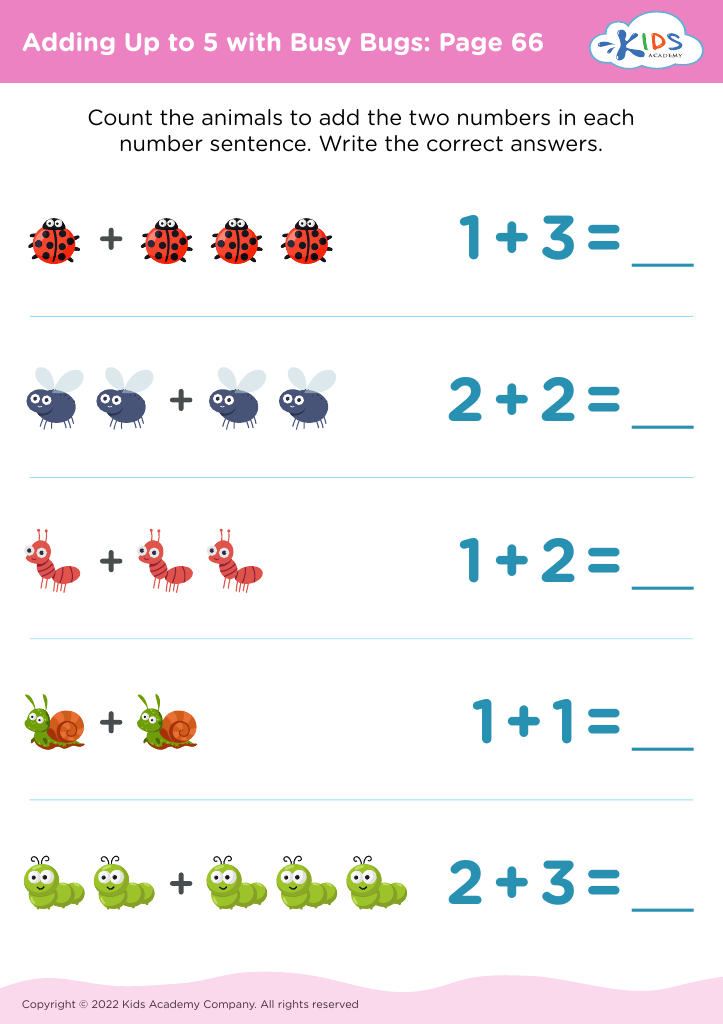
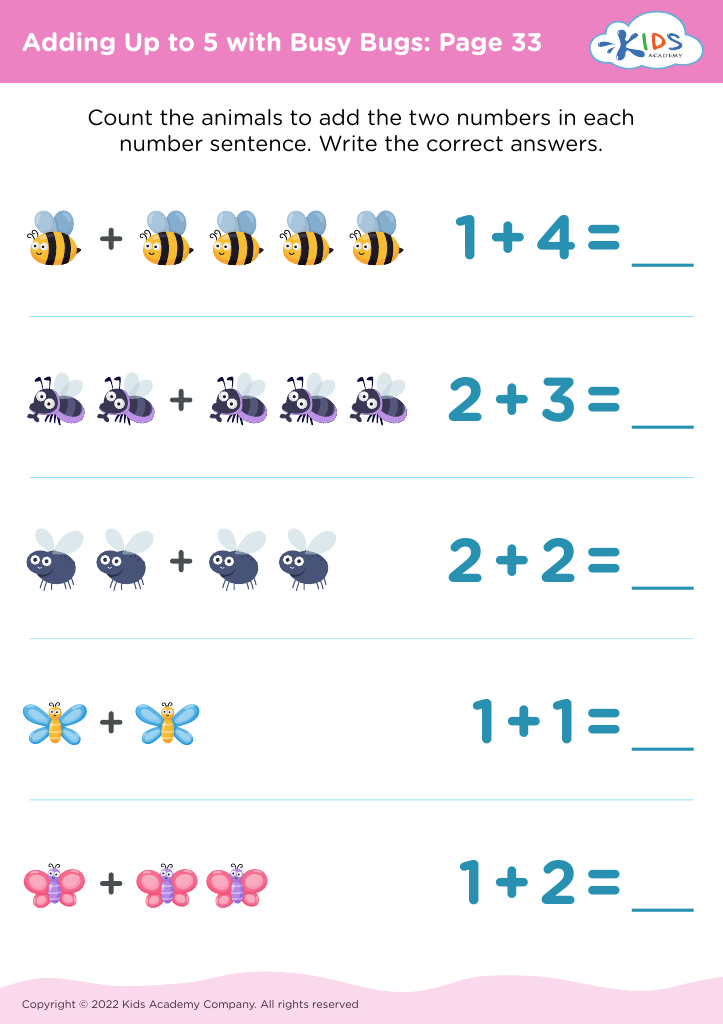
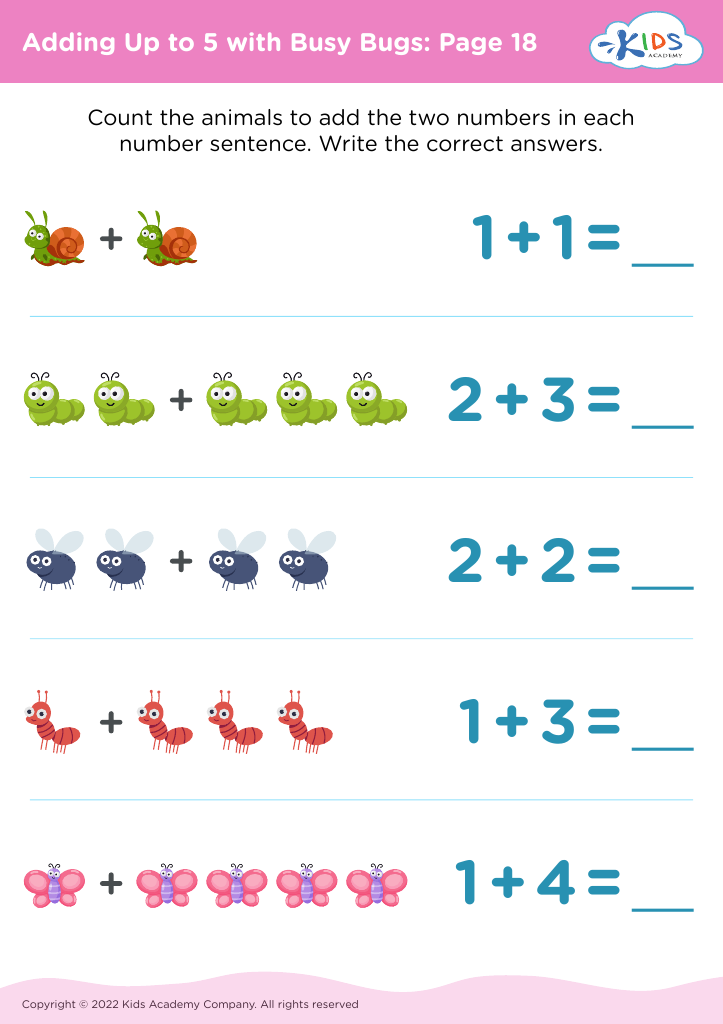
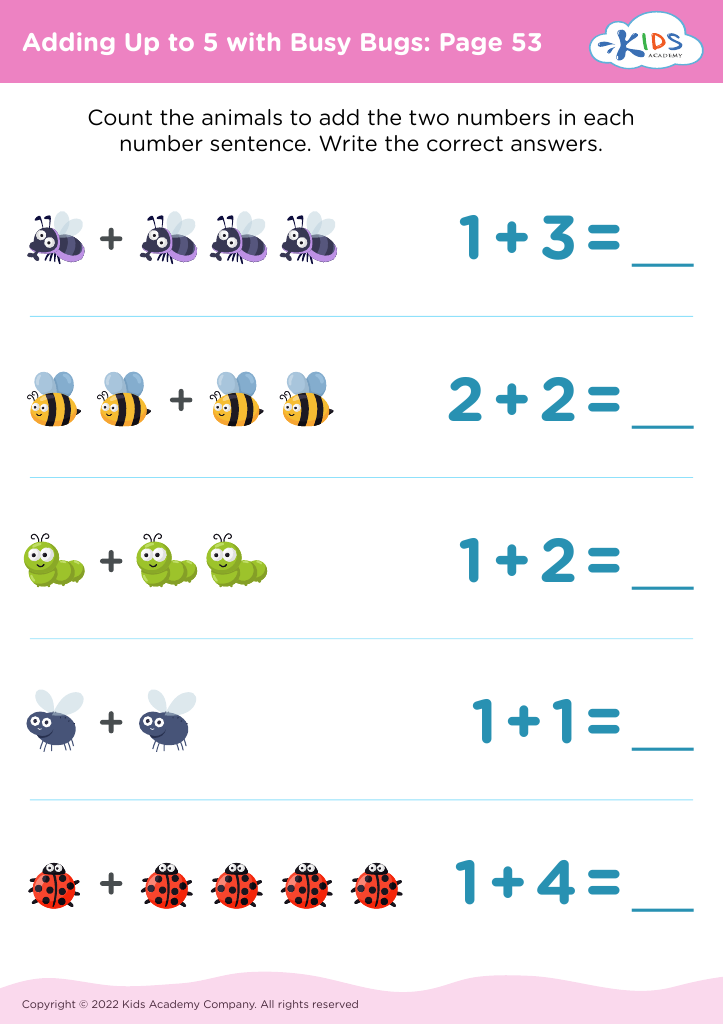
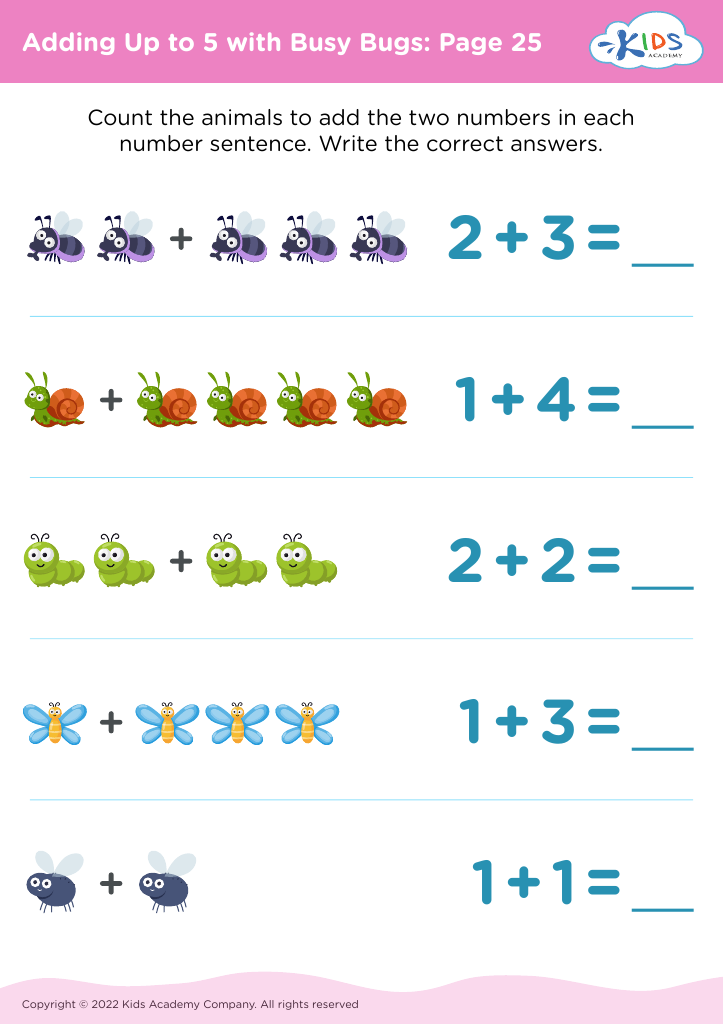
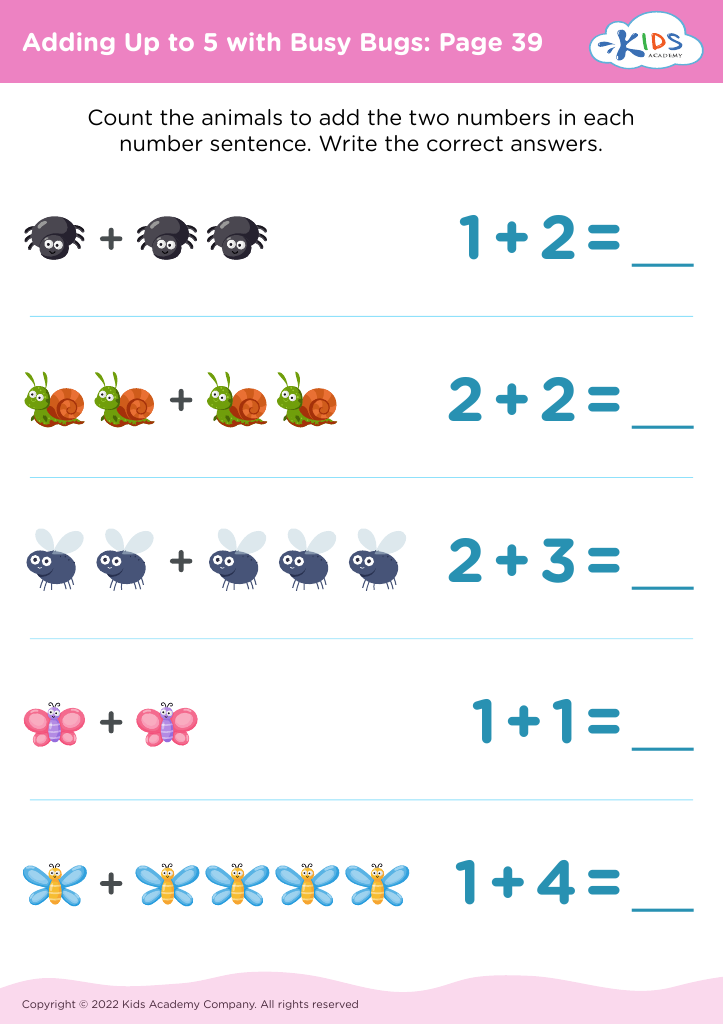
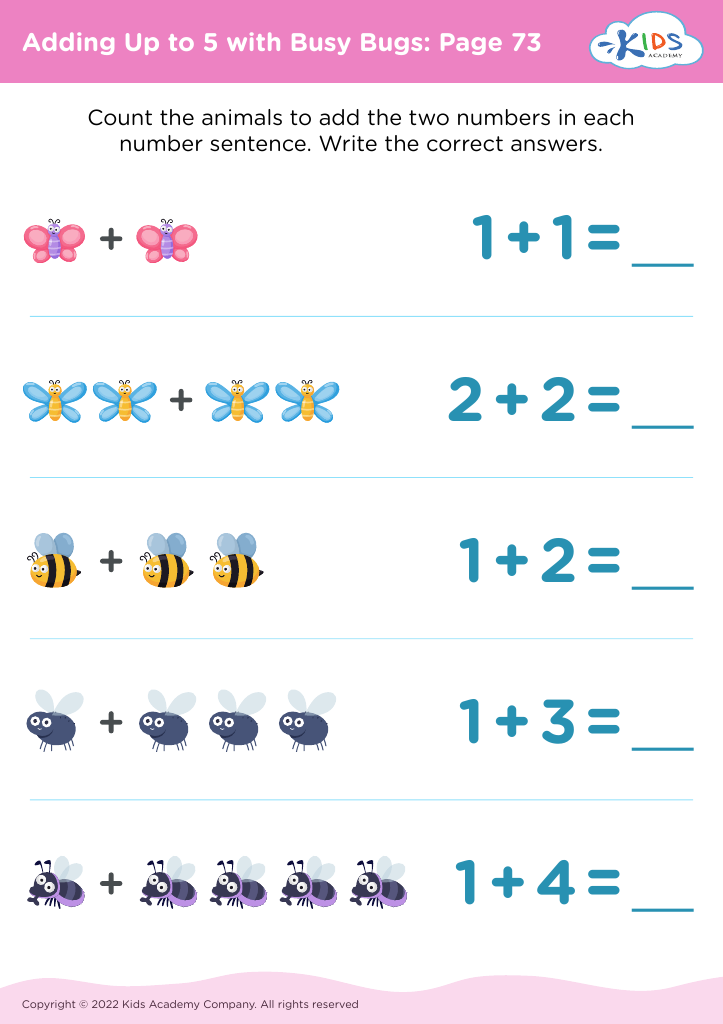
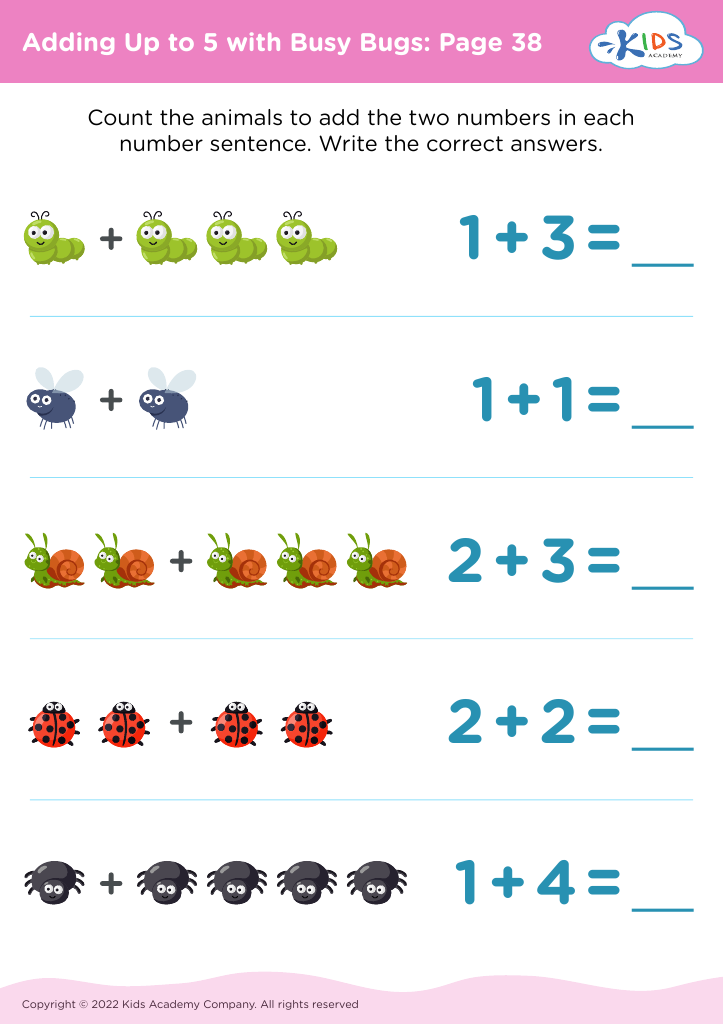
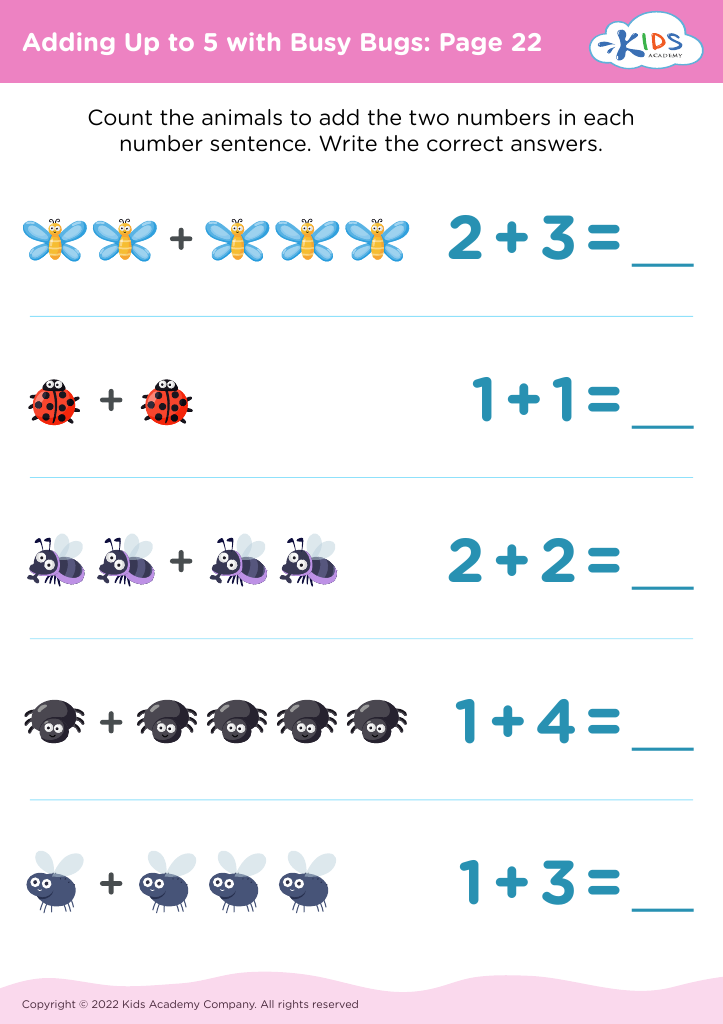
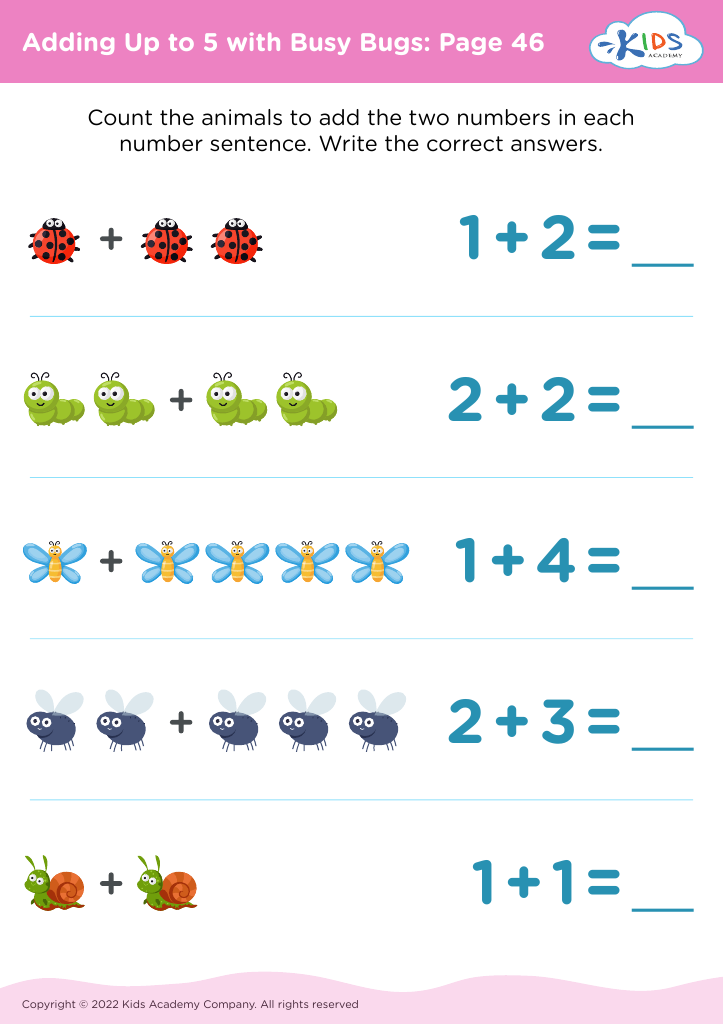
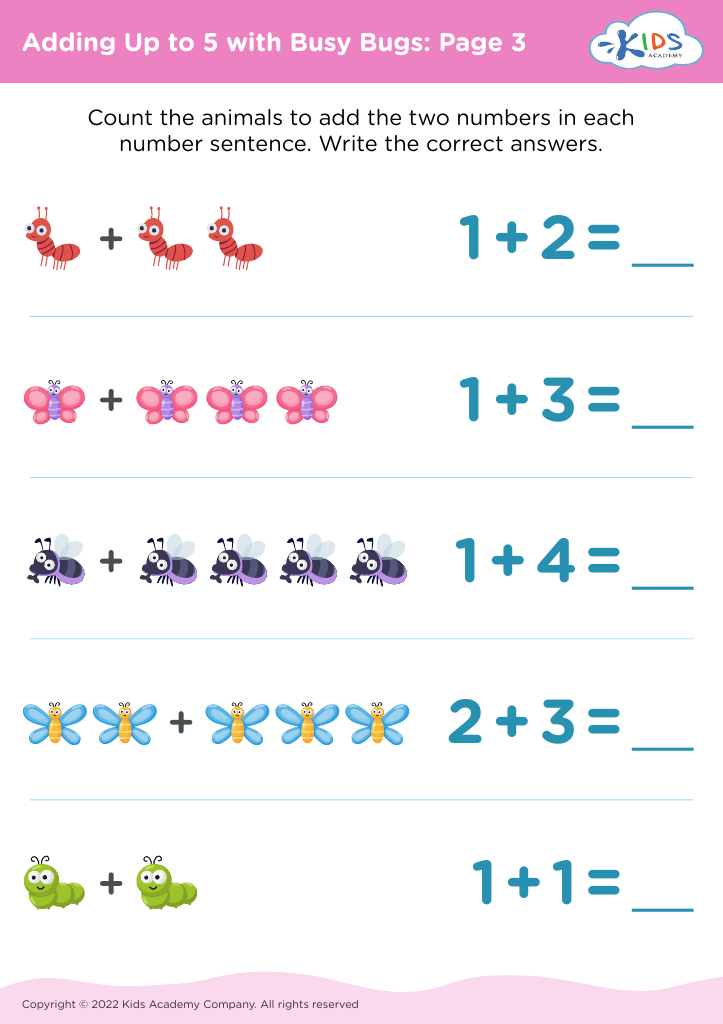
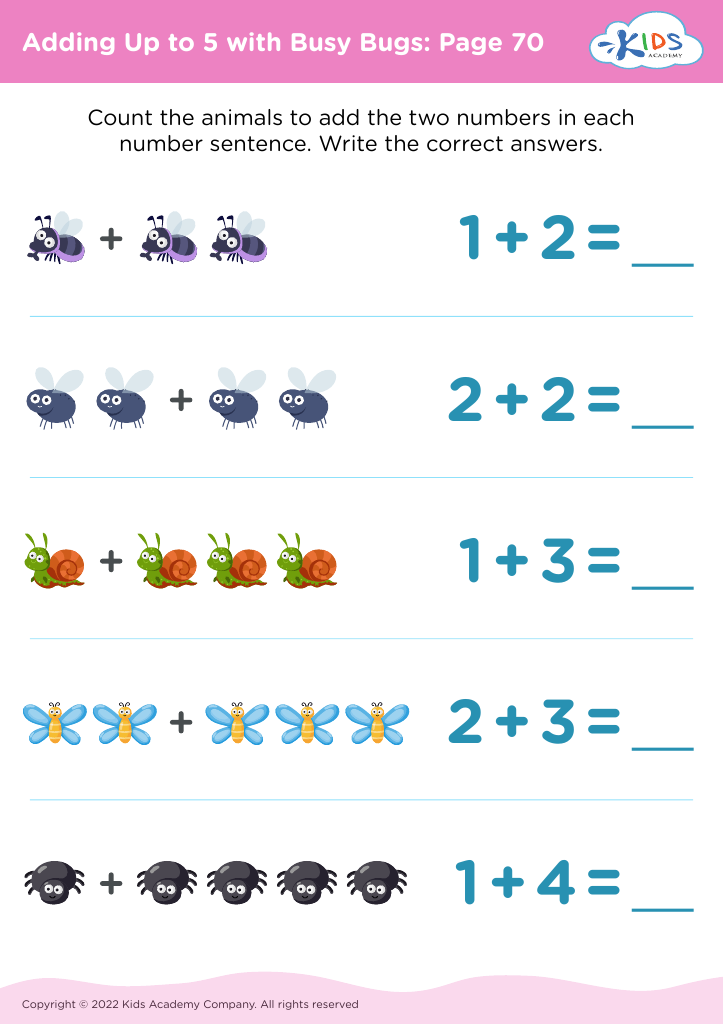



Counting practice and adding with Busy Bugs is an invaluable educational tool for children aged 3-9. Firstly, engaging in counting activities enhances numeracy skills, forming a foundational block for future mathematics learning. Early exposure to numbers and basic addition promotes cognitive development and improves critical thinking.
Busy Bugs makes counting and adding relatable and exciting by incorporating colorful, animated bugs. This visual stimulation captures young learners' attention, making learning a joyous experience rather than a chore. By interacting with these bright visuals, children are more likely to stay engaged and retain information better.
Moreover, these activities cater to different learning styles. Visual learners benefit from seeing the bugs and numbers, while kinesthetic learners gain from physically moving bugs or using props to visualize counting and adding. This multi-sensory approach caters to the individual needs of each student, making the learning process more effective and inclusive.
Additionally, counting with Busy Bugs improves fine motor skills and hand-eye coordination as children manipulate objects or touch the screen. It provides immediate feedback, which is crucial for building confidence and self-esteem.
By integrating counting with Busy Bugs into early education, parents and teachers can create a robust foundation for mathematical literacy, establishing both enthusiasm and competence in young learners.