Basic Math Skills Addition & Subtraction Worksheets for Ages 3-9 - Page 4
97 filtered results
-
From - To
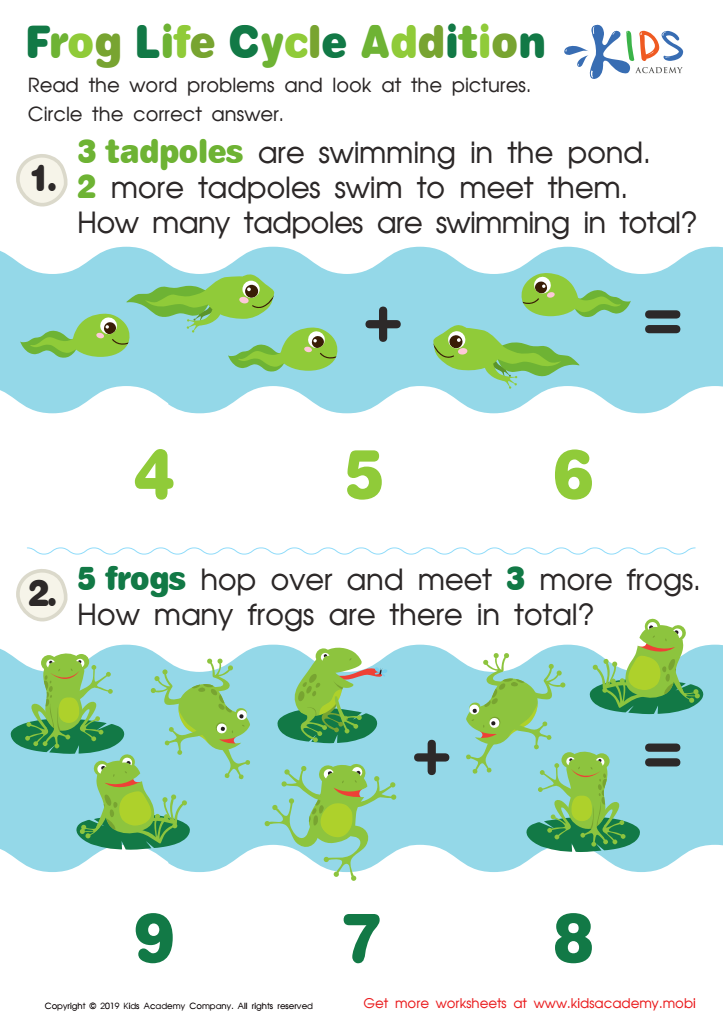
Frog Life Cycle Addition Worksheet
 Assign to My Students
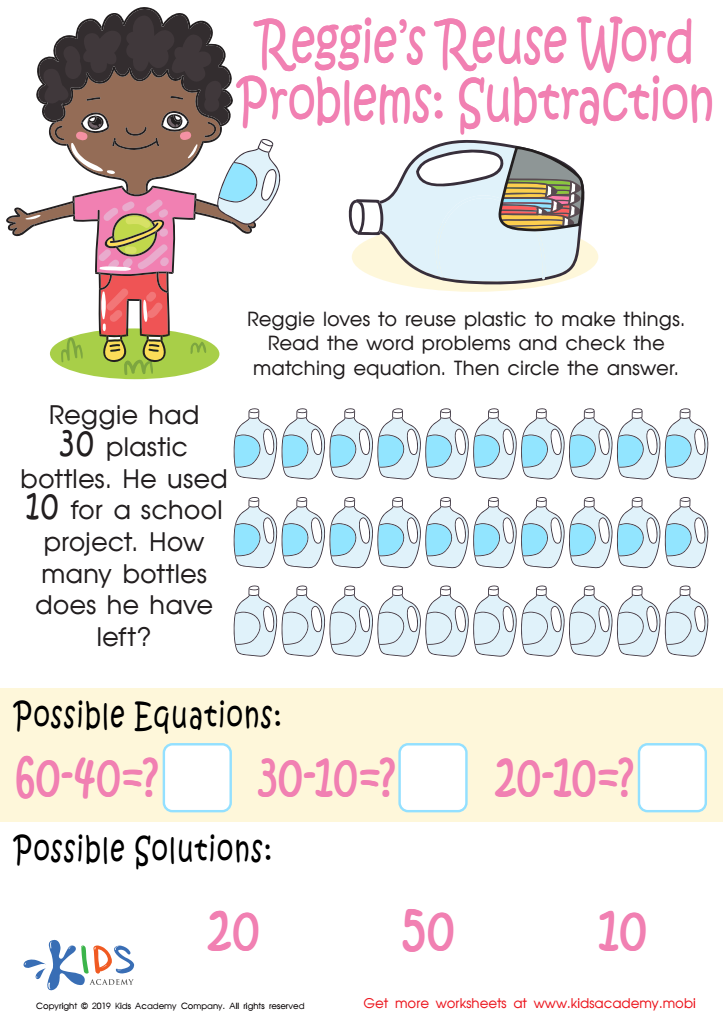
Reggie's Reuse Word Problems: Subtraction Worksheet
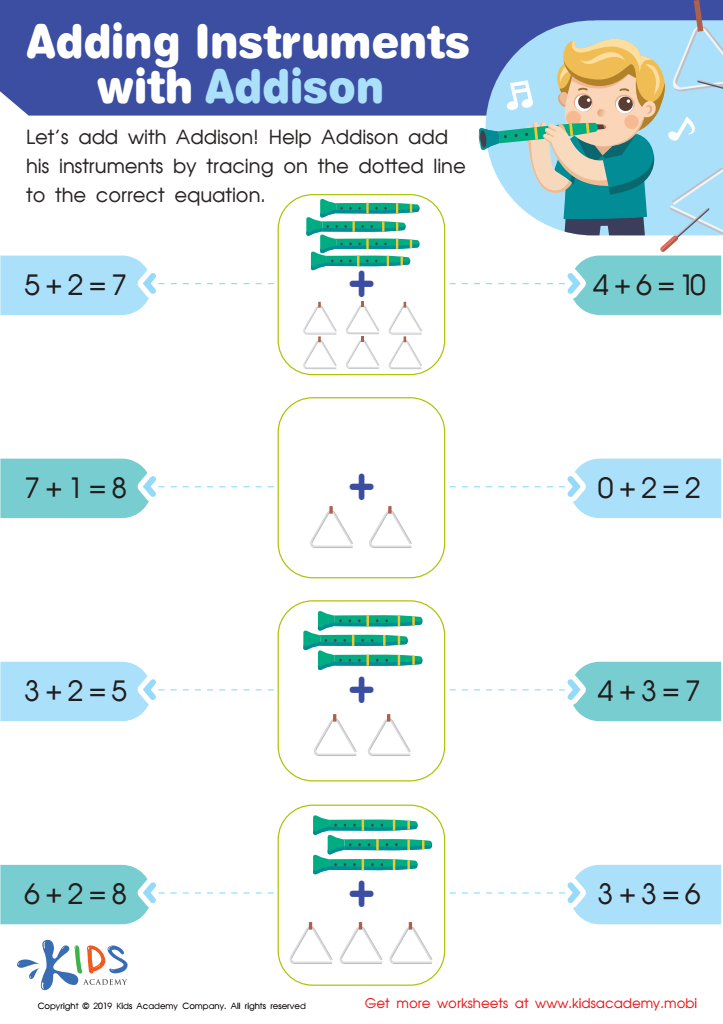
Adding Instruments with Addison Worksheet
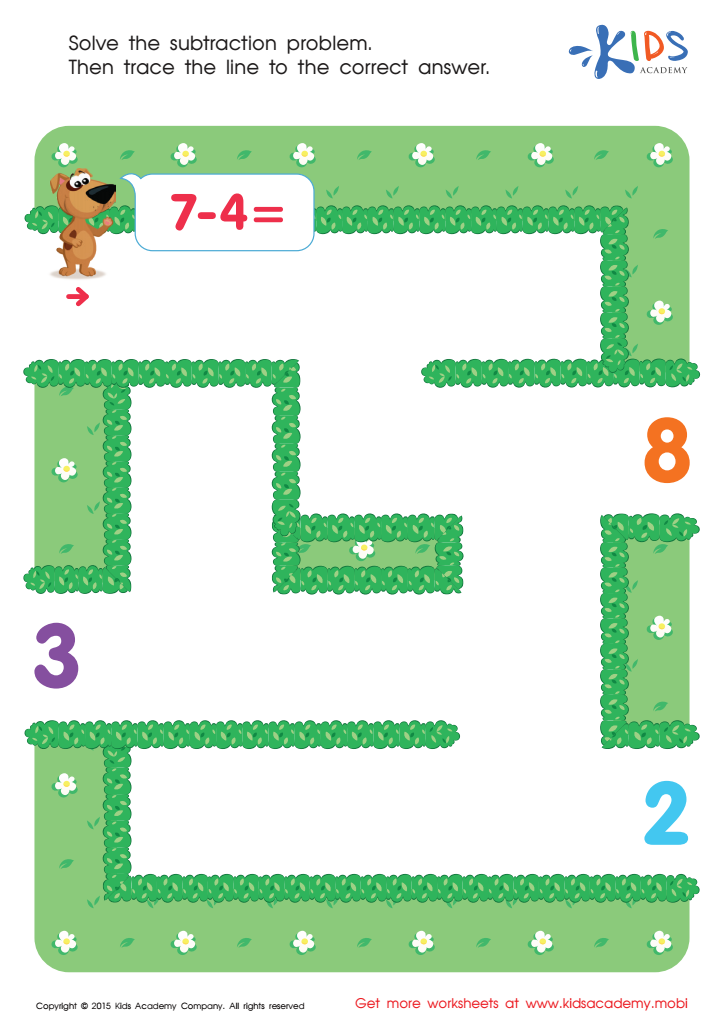
Subtraction Seven Minus Four Worksheet
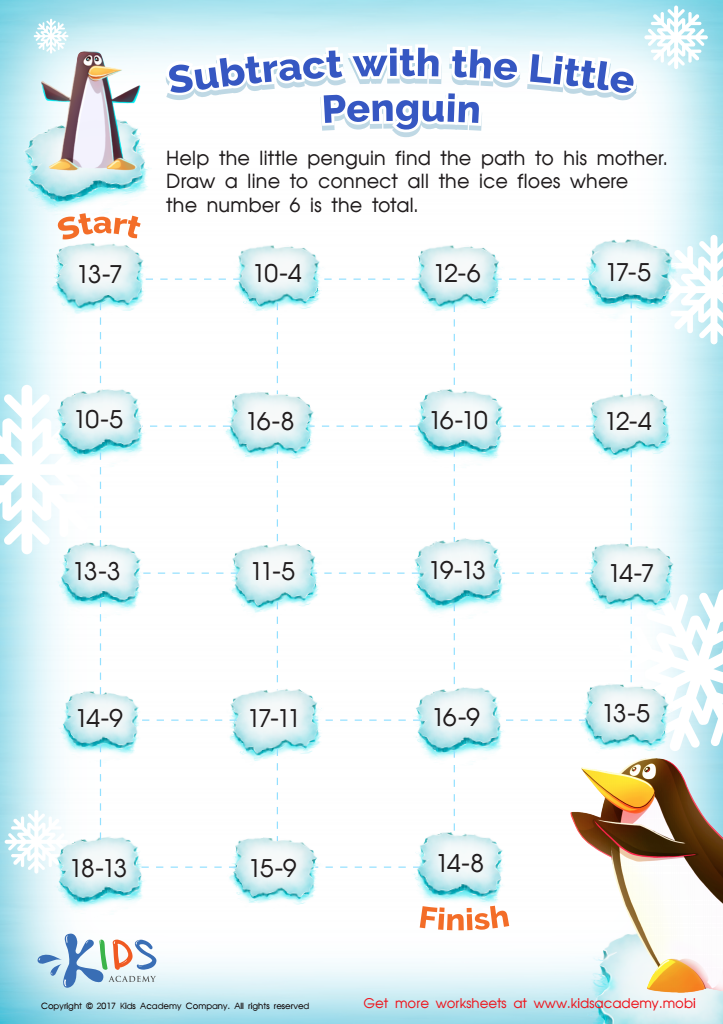
Subtract With The Little Penguin Substraction Worksheet
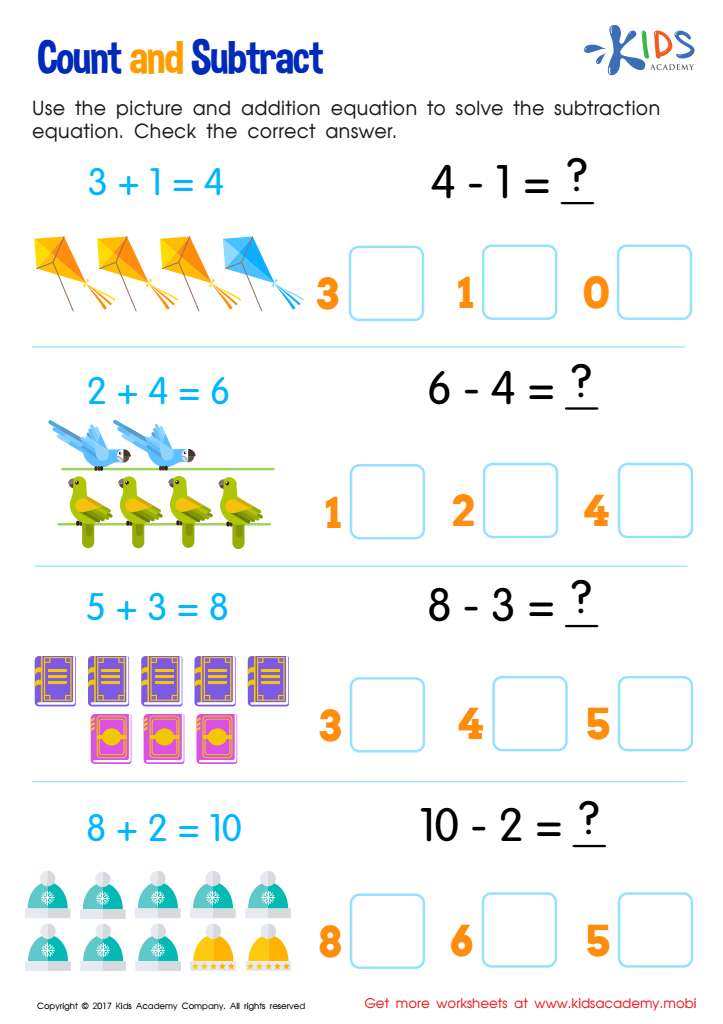
Count and Subtract Worksheet
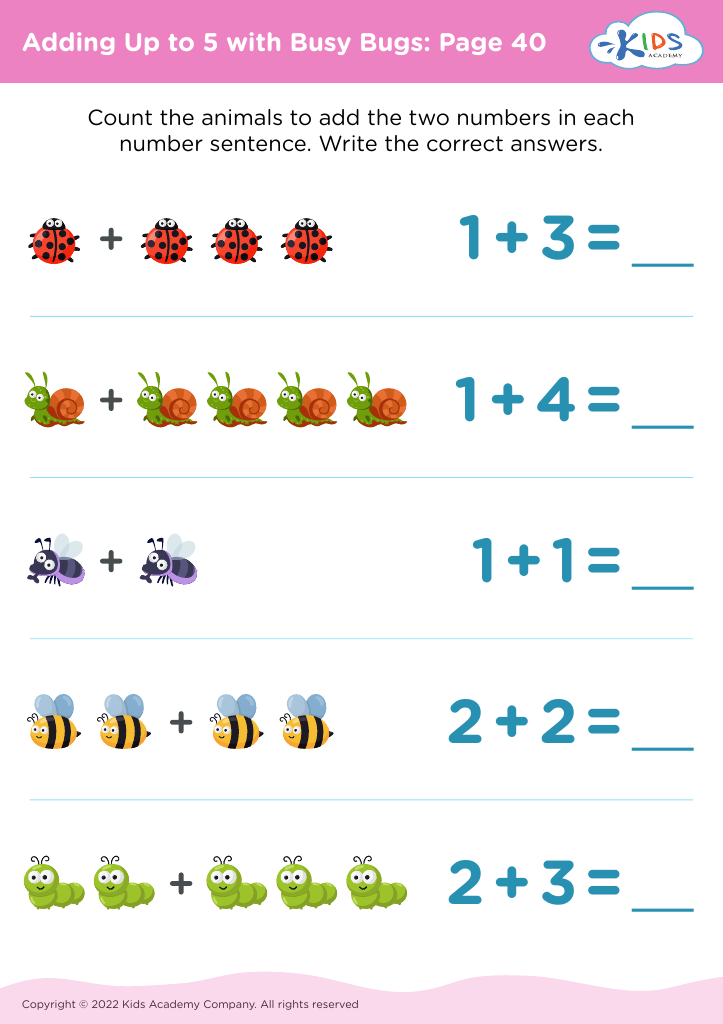
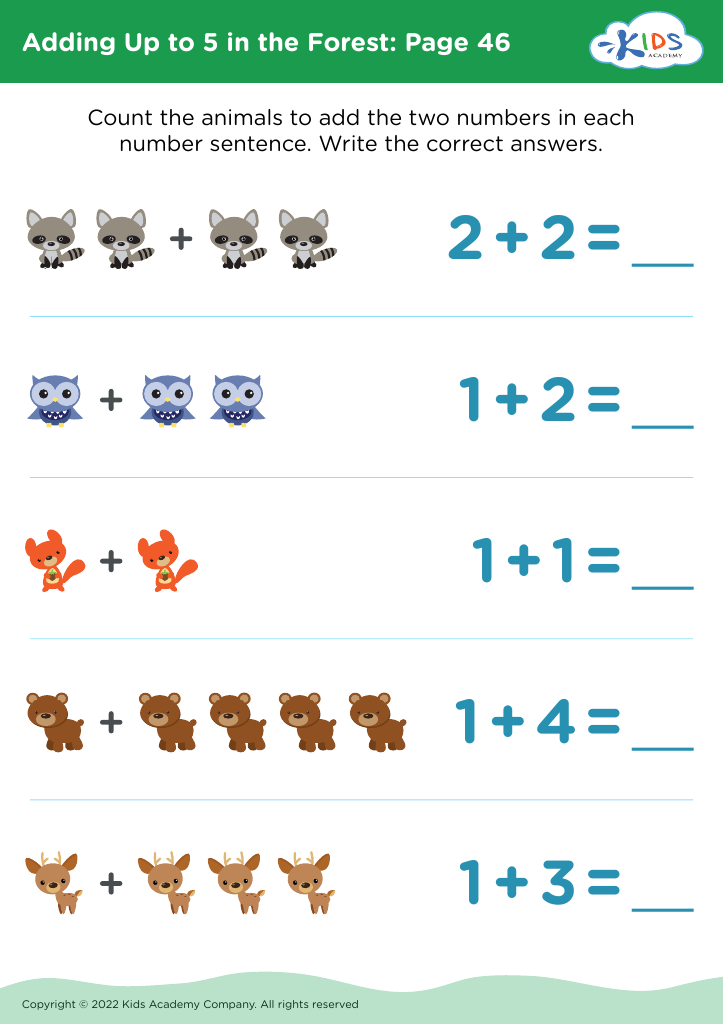
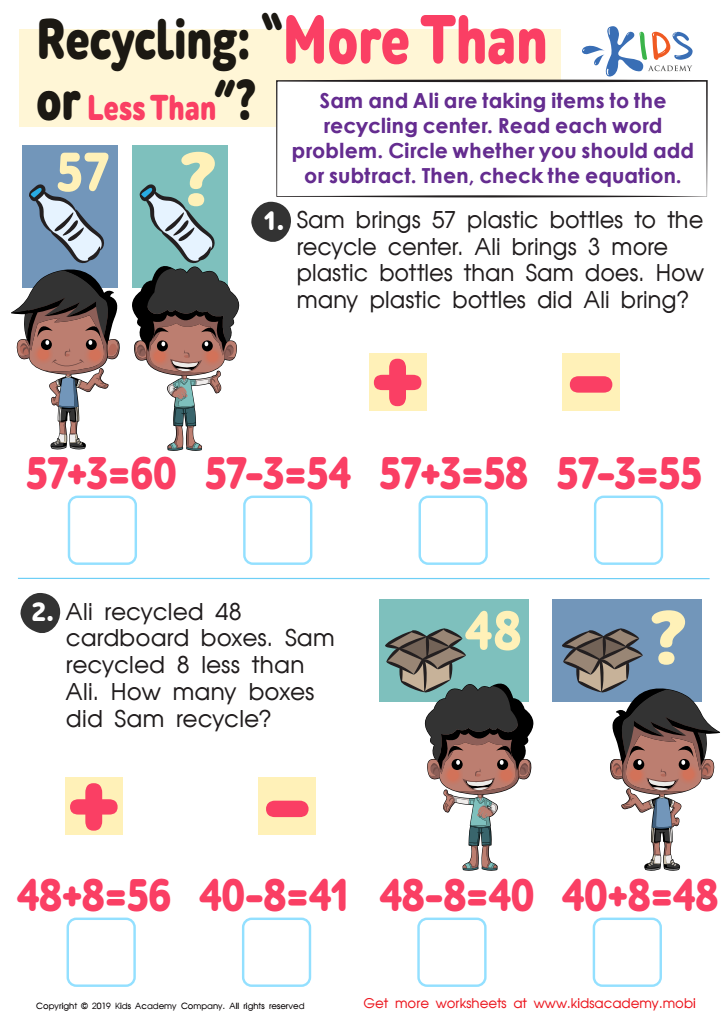
Recycling - More or Less Worksheet
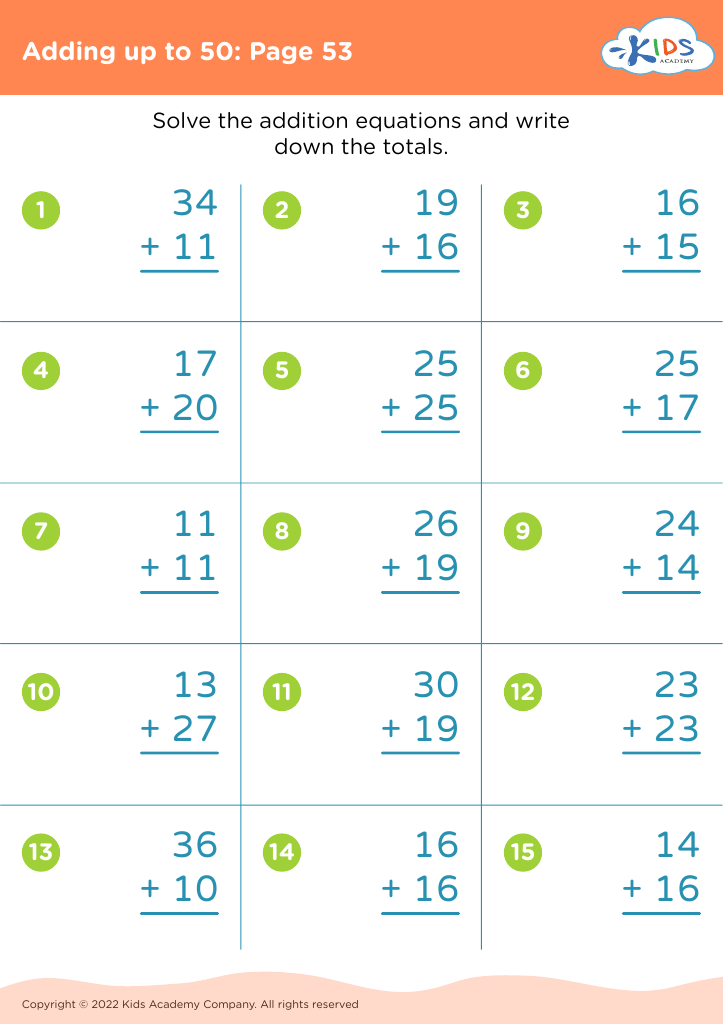
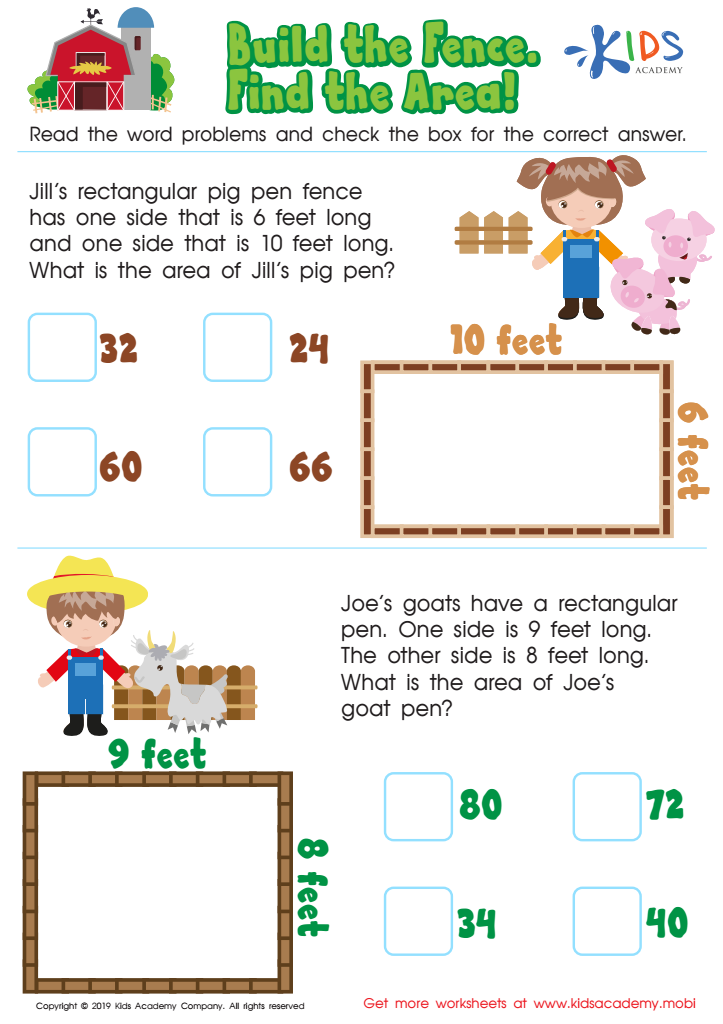
Build the Fence, Find the Area Worksheet








Parents and teachers should prioritize teaching basic math skills, such as addition and subtraction, to children ages 3-9 because these foundational skills are crucial for overall cognitive development and future academic success. Learning addition and subtraction at a young age builds a strong foundation for more advanced mathematical concepts that children will encounter later in their educational journey. These early math experiences enhance problem-solving abilities and logical thinking, which are essential life skills beyond the classroom.
Moreover, understanding and mastering basic math skills is linked to better performance in other subjects. For instance, children who are proficient in math often show improved reading and comprehension skills, as both subjects require similar cognitive processes like pattern recognition and sequencing.
Additionally, early proficiency in math instills confidence and a positive attitude towards learning. When children feel confident in their abilities to solve problems, they are more likely to enjoy the learning process and tackle more challenging subjects with a positive outlook. This confidence can lead to sustained academic motivation and persistence.
Furthermore, math skills are practical and applicable in everyday life. From counting money to telling time and even cooking, these skills are indispensable. By prioritizing basic math skills, parents and teachers are equipping children with the tools they need for real-world success and everyday problem-solving.








