Comparing Fractions Addition & Subtraction Worksheets for Ages 3-9 - Page 4
87 filtered results
-
From - To
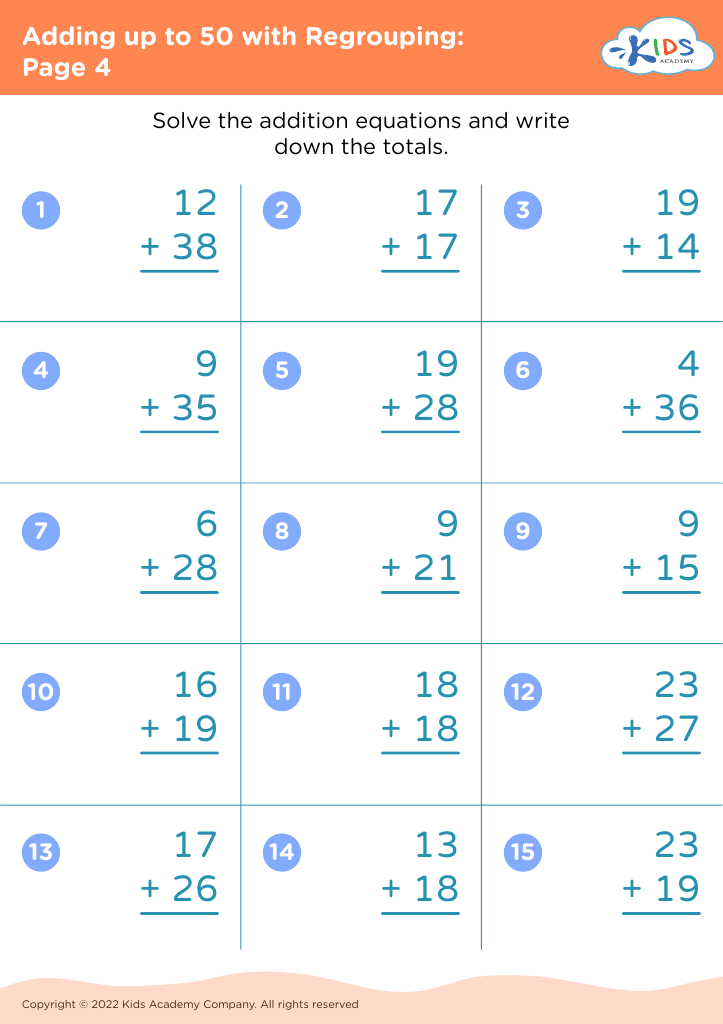
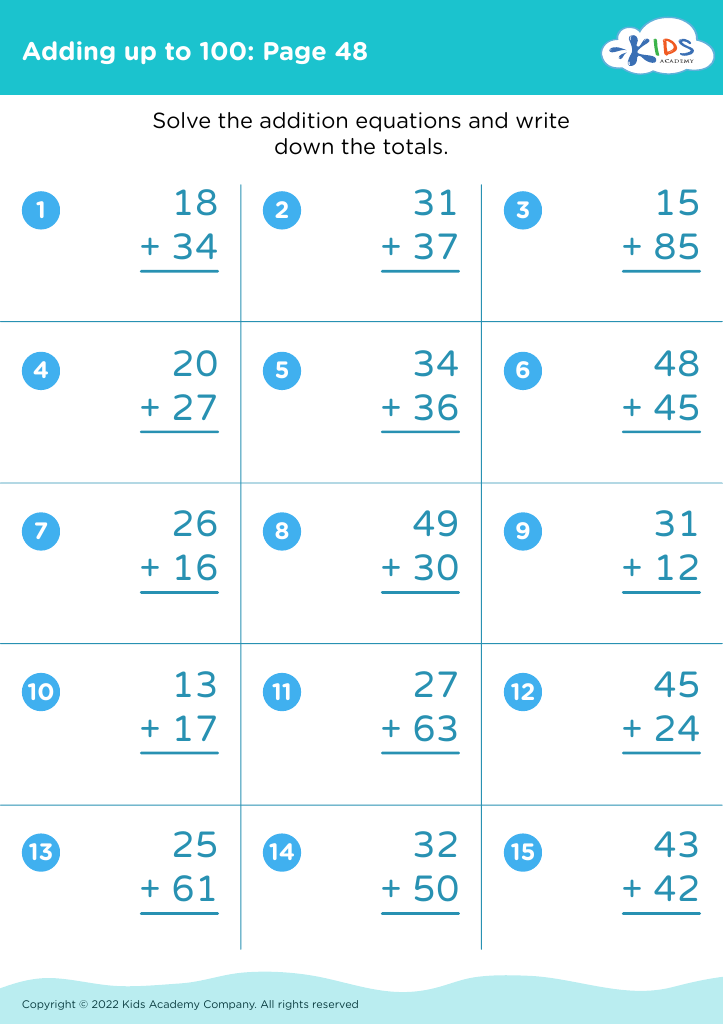
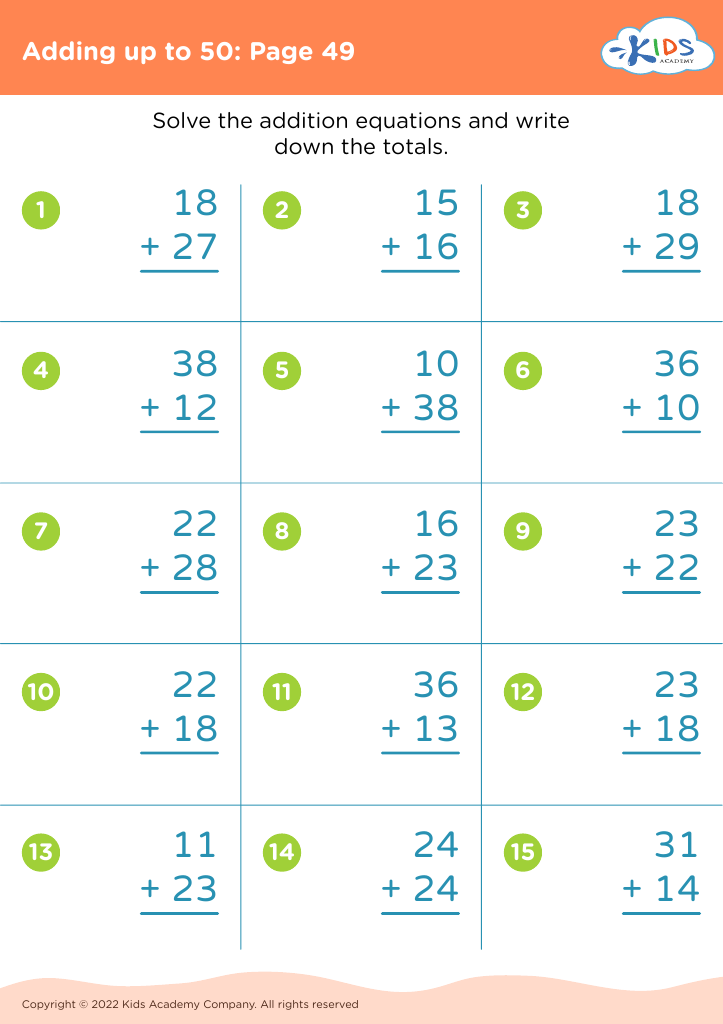
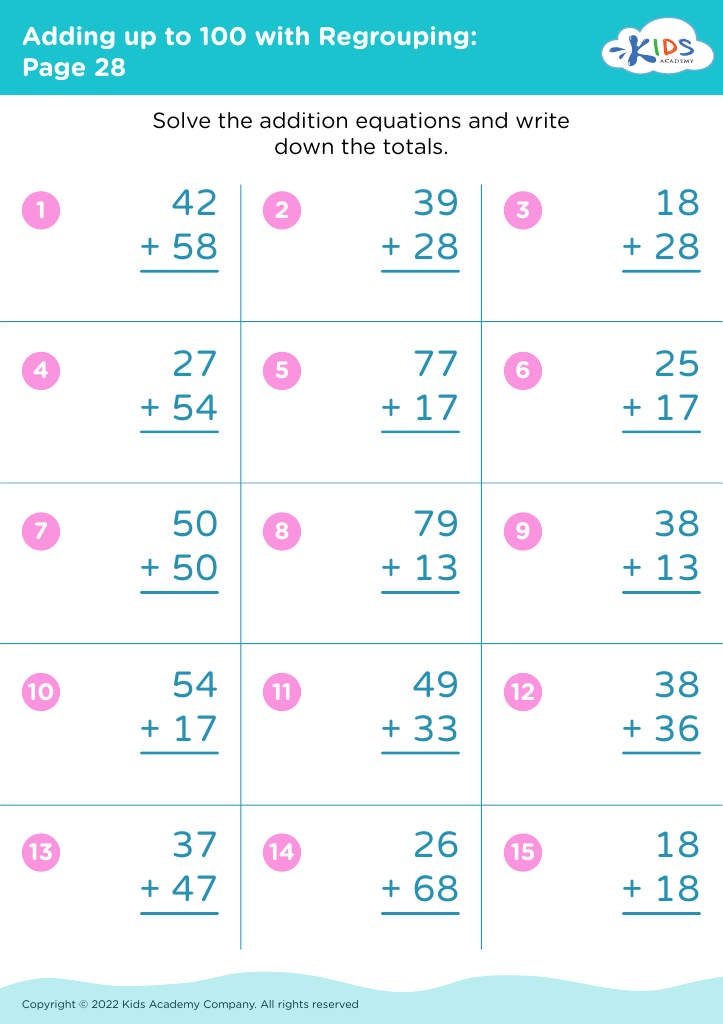
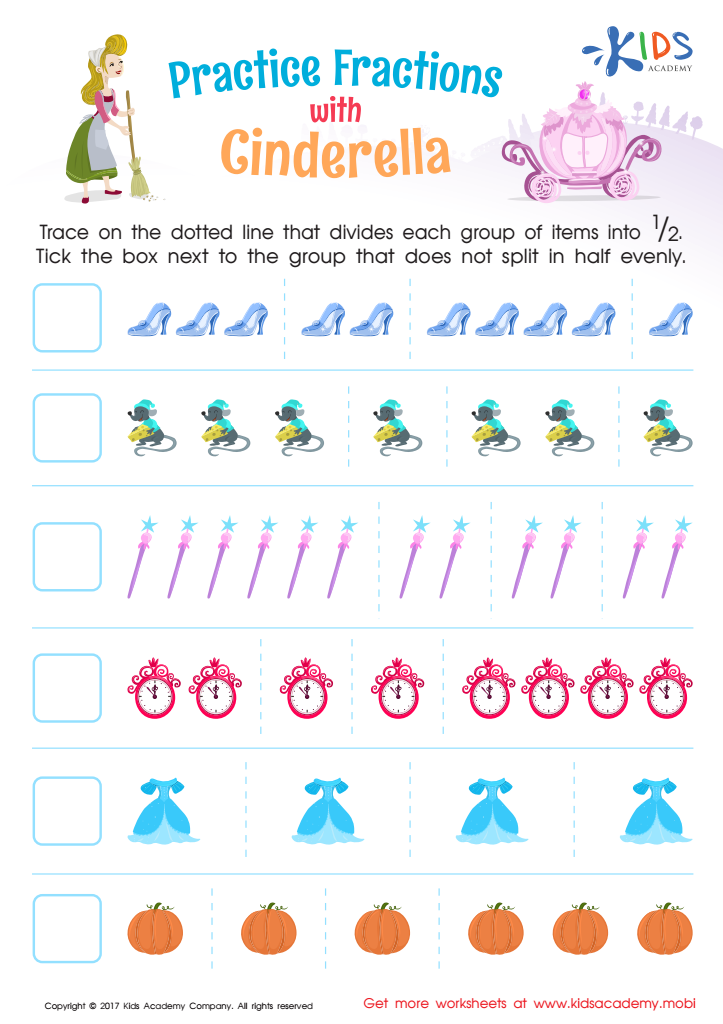
Fractions: Cinderella Printable
 Assign to My Students
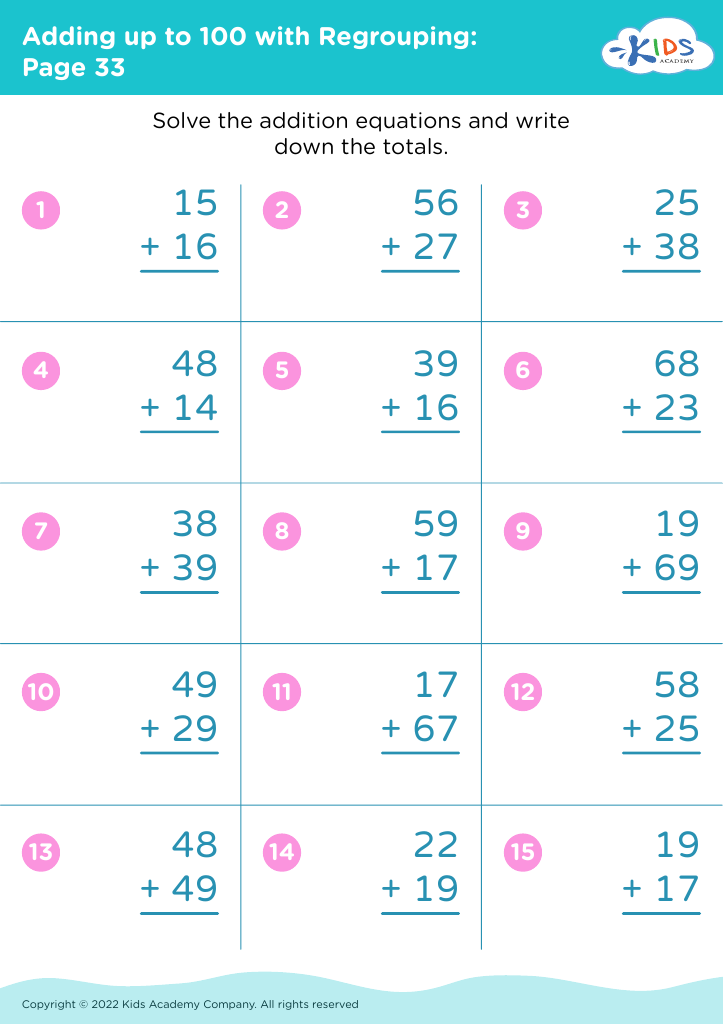
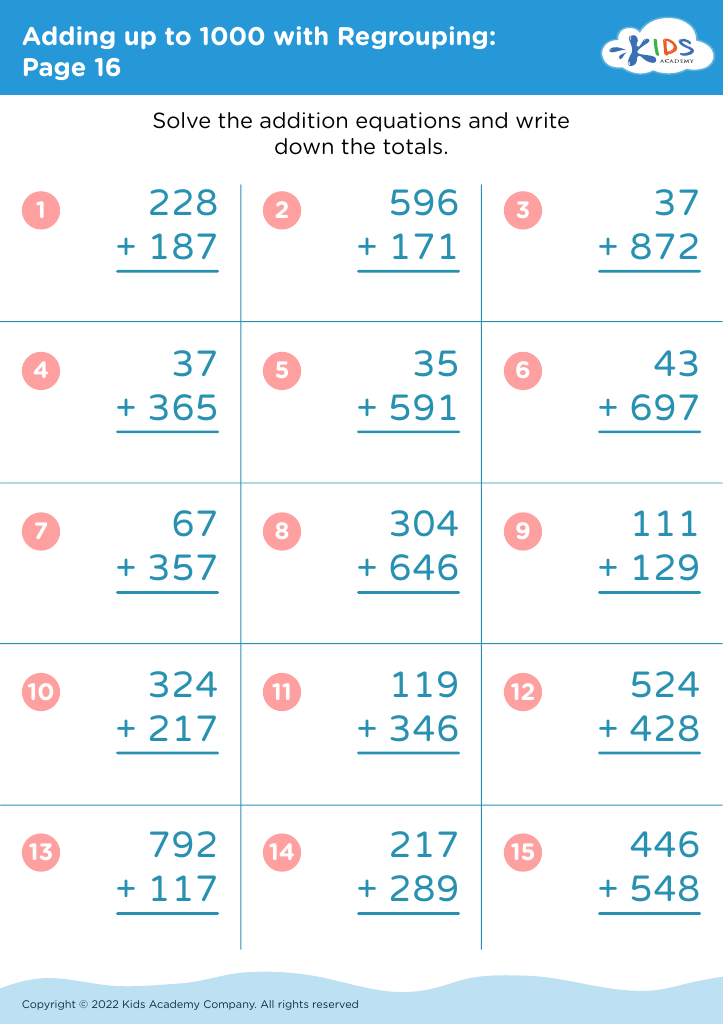
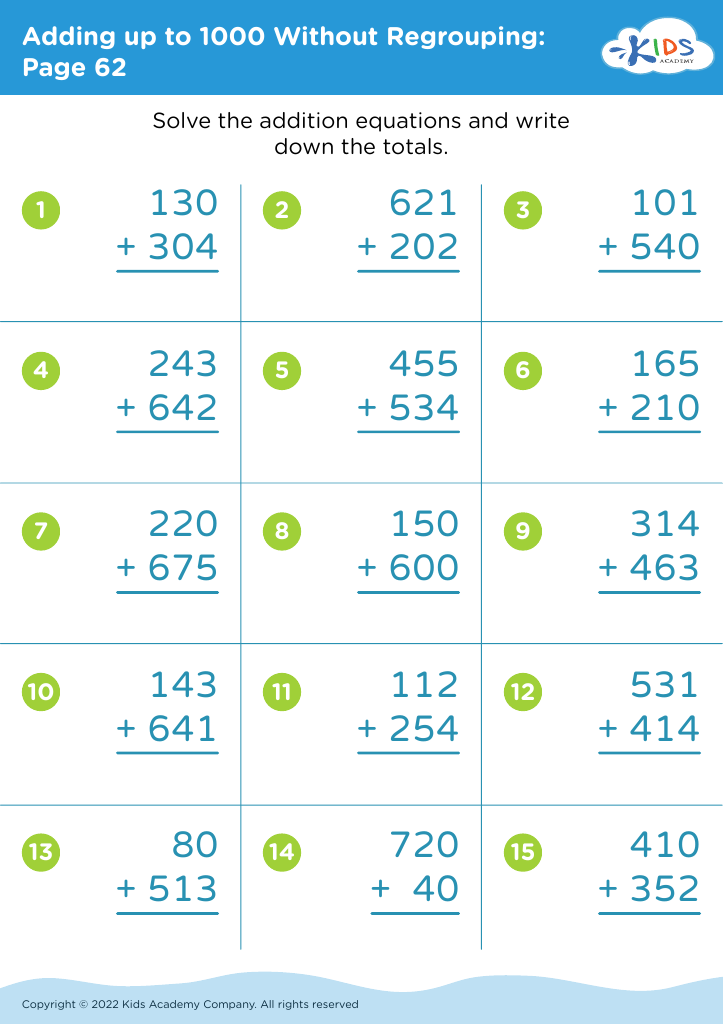








Comparing fractions and performing addition and subtraction with them are crucial skills for children aged 3-9, laying a strong foundation for their mathematical understanding. Parents and teachers should care about this concept as it cultivates critical thinking and enhances cognitive development. Understanding fractions fosters skills in problem-solving, measurement, and proportional reasoning, which are vital for everyday life.
At a young age, learners begin to understand the idea of parts and wholes, making it essential to grasp how different fractions relate to one another. Comparing fractions helps children develop an intuitive sense of size, quantity, and equivalence. This lays the groundwork for more advanced mathematical concepts, such as ratios, percentages, and algebra, typically introduced later in their academic journey.
Furthermore, activities involving the addition and subtraction of fractions promote collaboration and communication among students. They learn to articulate their reasoning, ask questions, and work together to solve problems. Engaging with fractions also ties into real-world applications, from cooking to sharing and dividing items, making math relatable and fun. Empowering children with these skills early on not only boosts their confidence in math but also prepares them for future academic success.








