Develop fine motor skills Addition & Subtraction Worksheets for Ages 3-9
10 filtered results
-
From - To
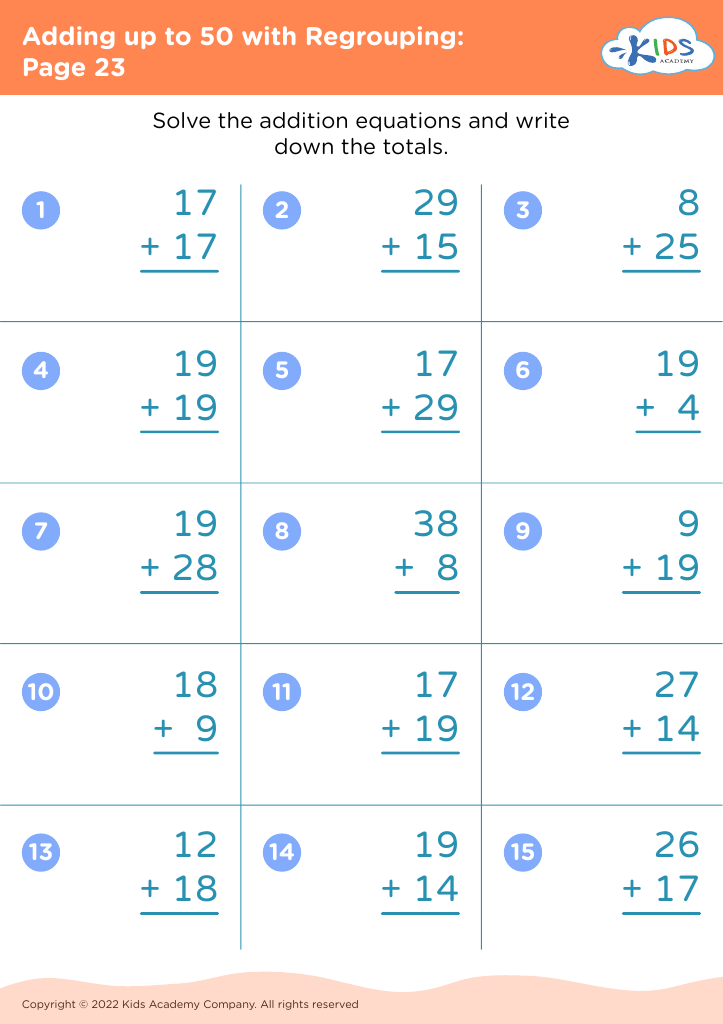
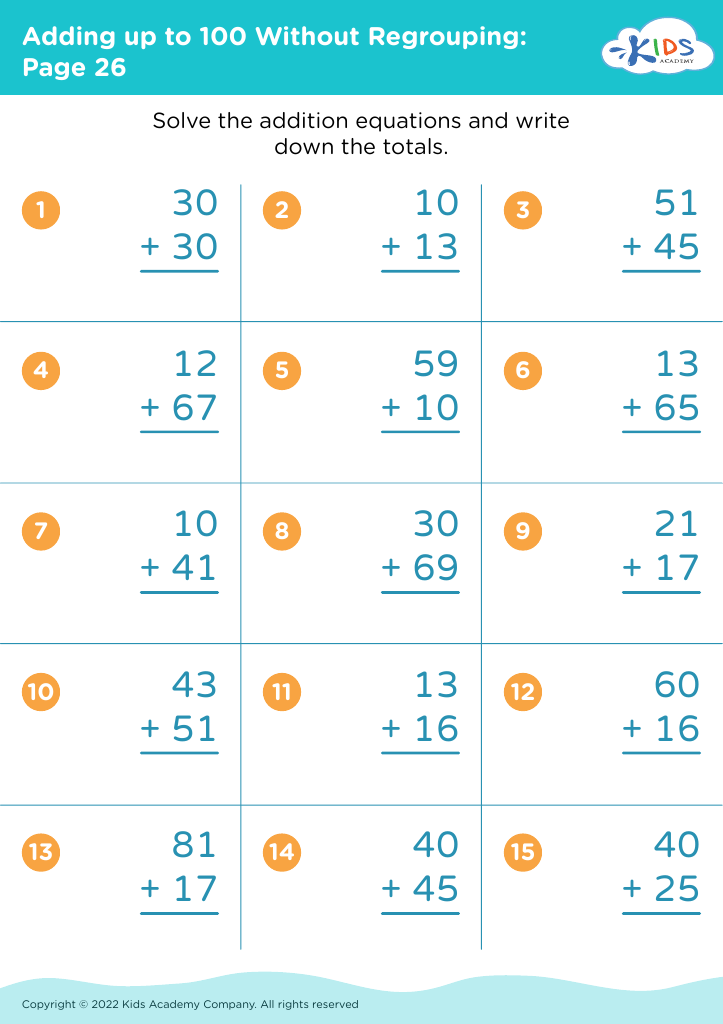
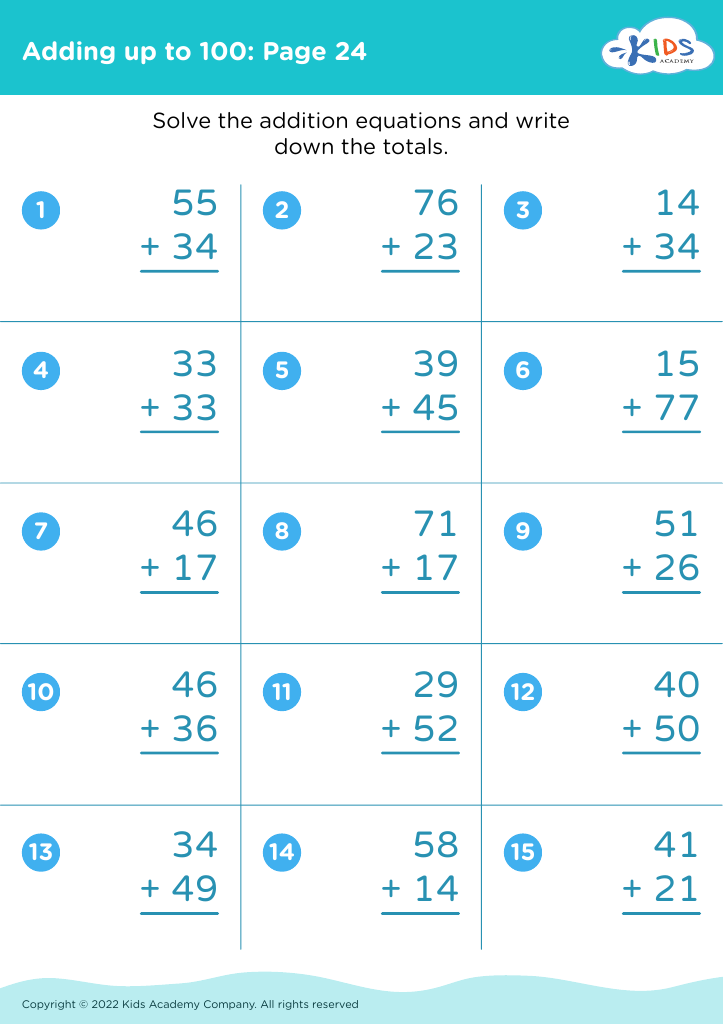
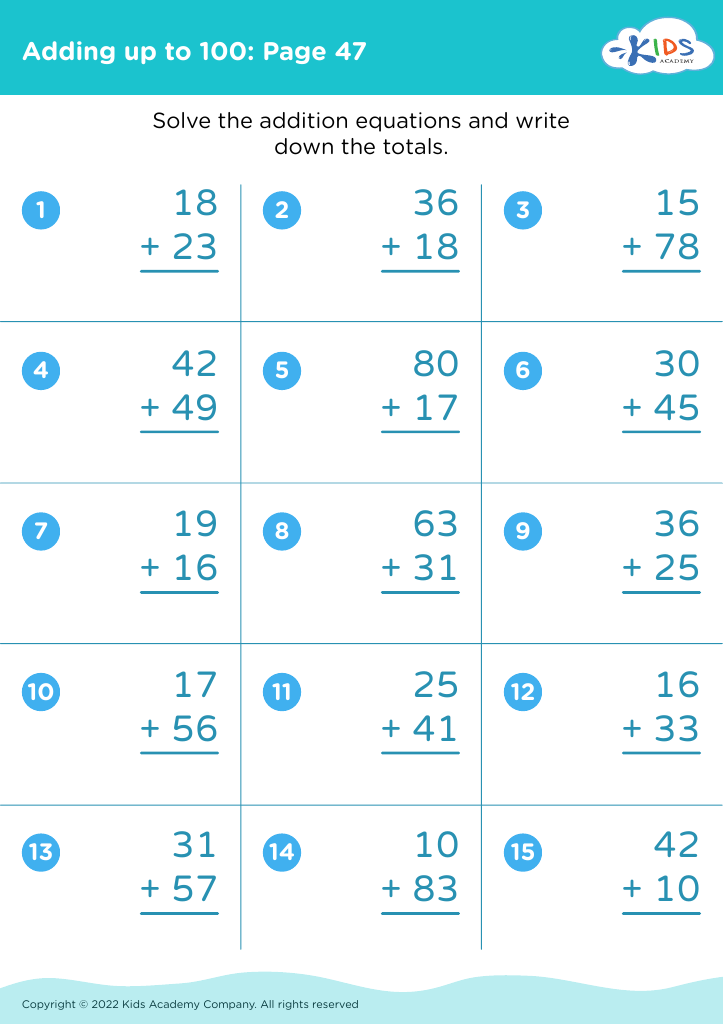
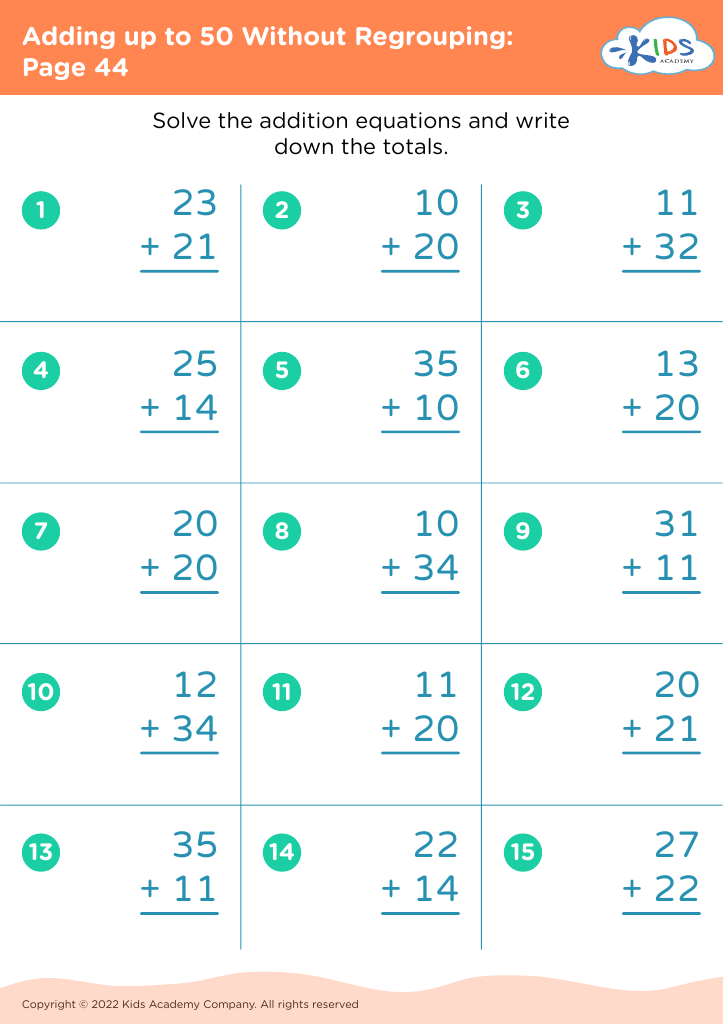
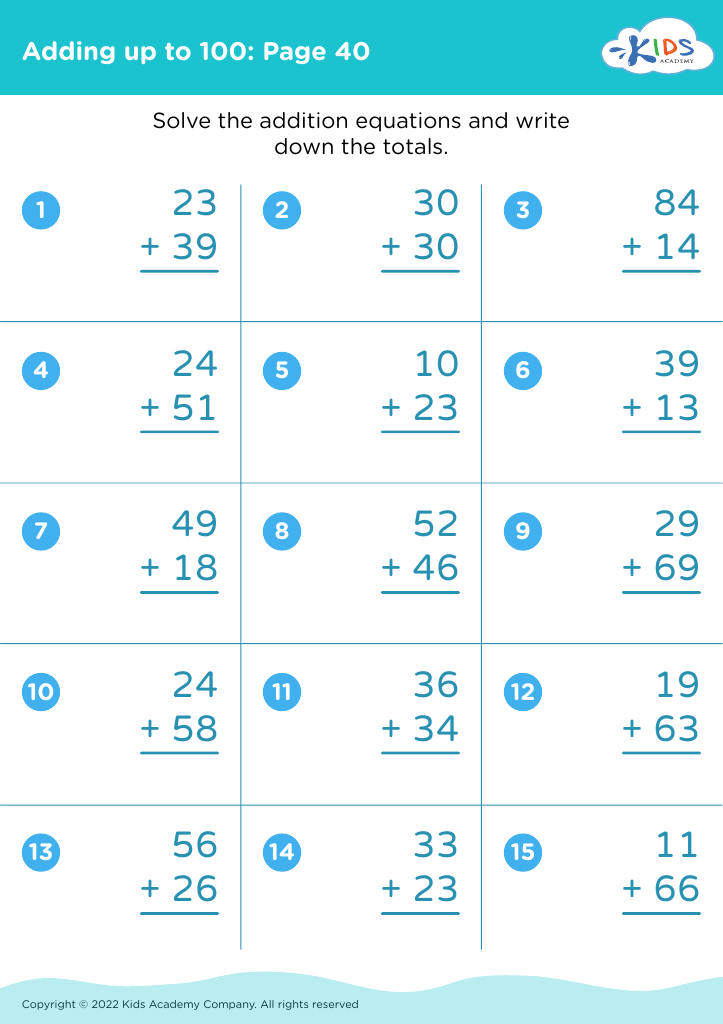
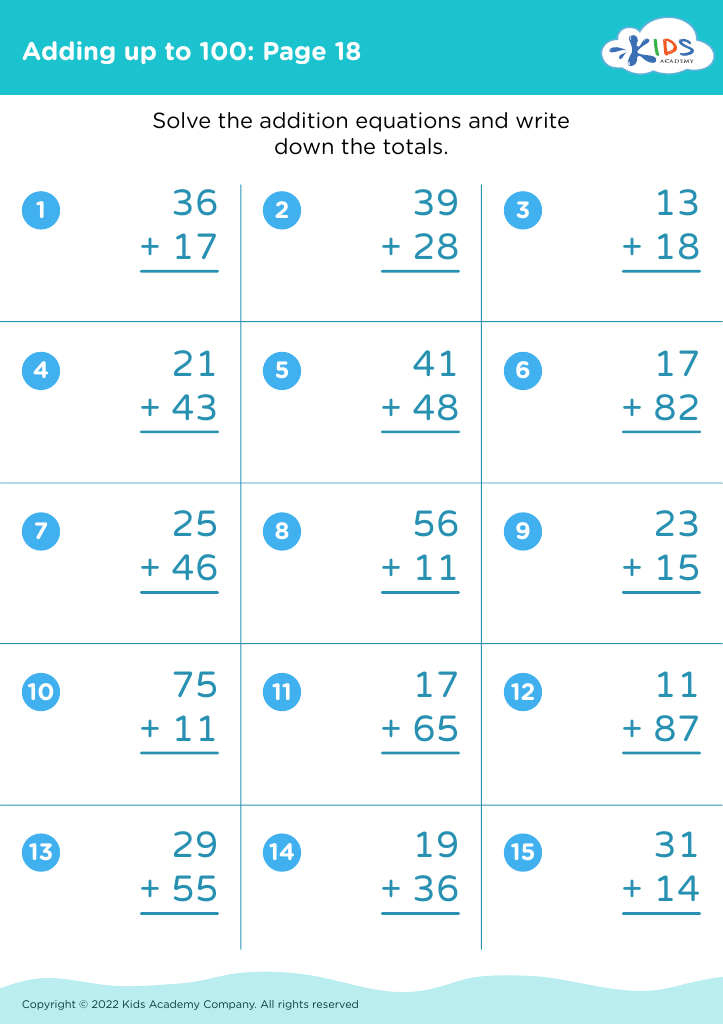
Our "Develop Fine Motor Skills: Addition & Subtraction Worksheets for Ages 3-9" are expertly designed to merge essential math practice with the development of fine motor coordination. These engaging, age-appropriate worksheets guide children through addition and subtraction problems while captivating their interest with fun, tactile activities. Highly illustrative and interactive, our resources enhance young learners' numerical proficiency and a range of motor skills, such as hand-eye coordination and handwriting. Ideal for preschool to third grade, these worksheets offer a perfect blend of education and play, ensuring foundational skills are built effectively and enjoyably. Let learning bloom with our dynamic worksheets!
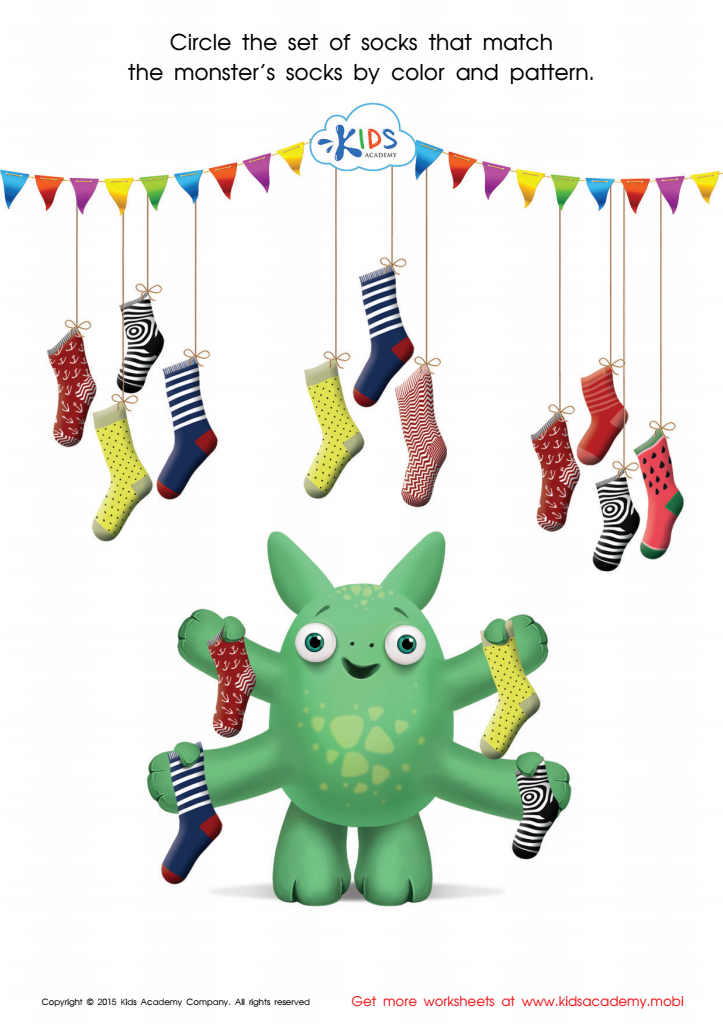
Connecting the Monster's Socks Printable
 Assign to My Students








Developing fine motor skills and understanding addition and subtraction are crucial components of early childhood education for ages 3-9. Fine motor skills involve the coordination of small muscles in actions like using scissors, holding a pencil, or buttoning a shirt. These abilities are foundational for everyday tasks and academic success. For instance, being able to write letters and numbers neatly is directly tied to fine motor development, which thereby influences a child's ability to express themselves and communicate effectively in writing.
Simultaneously, mastering basic addition and subtraction is vital for developing mathematical reasoning. At this young age, mathematical concepts shape how children understand and interpret their environment. Addition and subtraction provide the building blocks for more complex math skills, enhancing problem-solving abilities and logical thinking. Early proficiency in these subjects sets the stage for future academic achievements in STEM (Science, Technology, Engineering, and Mathematics).
Together, fine motor skills and math competencies create a well-rounded foundation for a child's education. Parents and teachers who prioritize these areas are not only supporting immediate learning but are also equipping children with essential tools for lifelong success. Consequently, activities that engage and develop these skills should be integral to early childhood programs.








