Develop problem-solving skills Addition & Subtraction Worksheets for Ages 3-9
8 filtered results
-
From - To
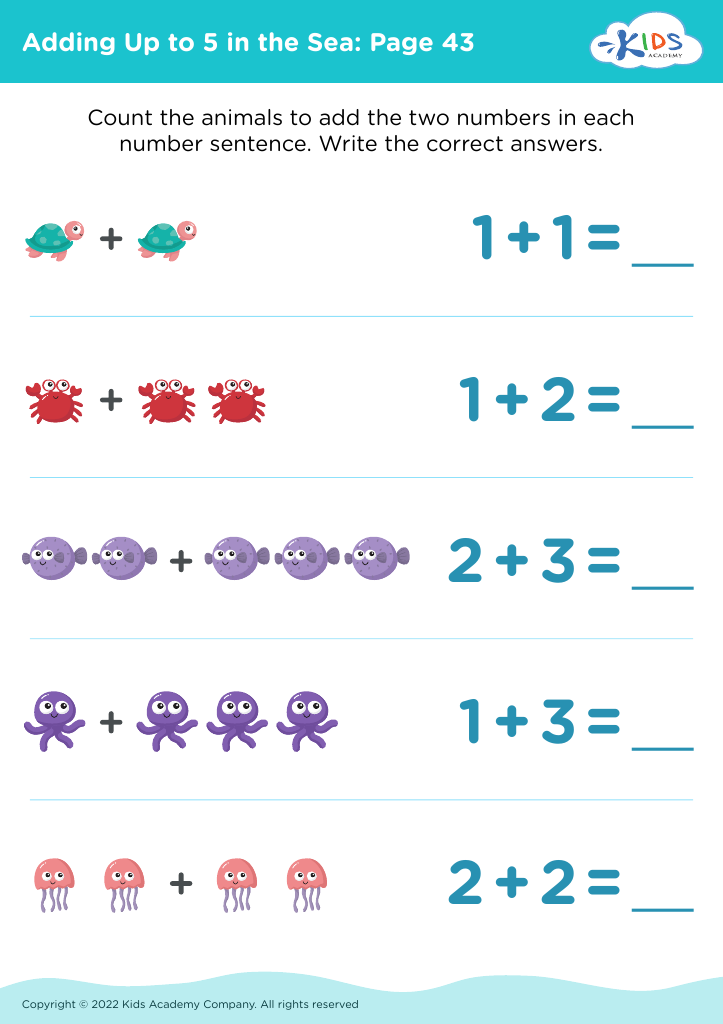
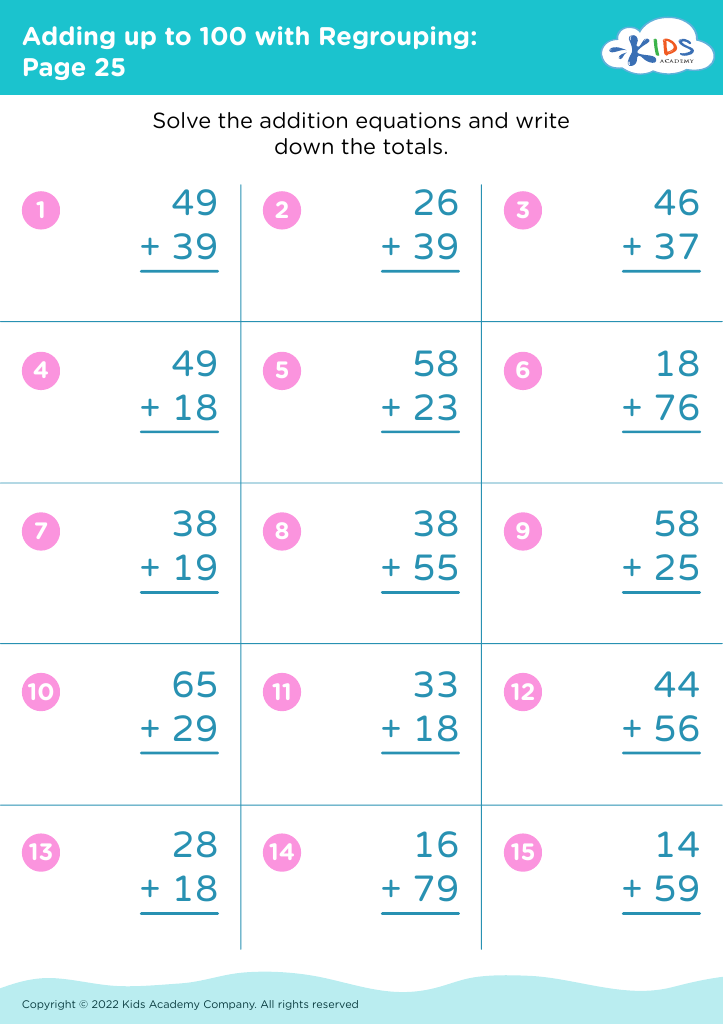
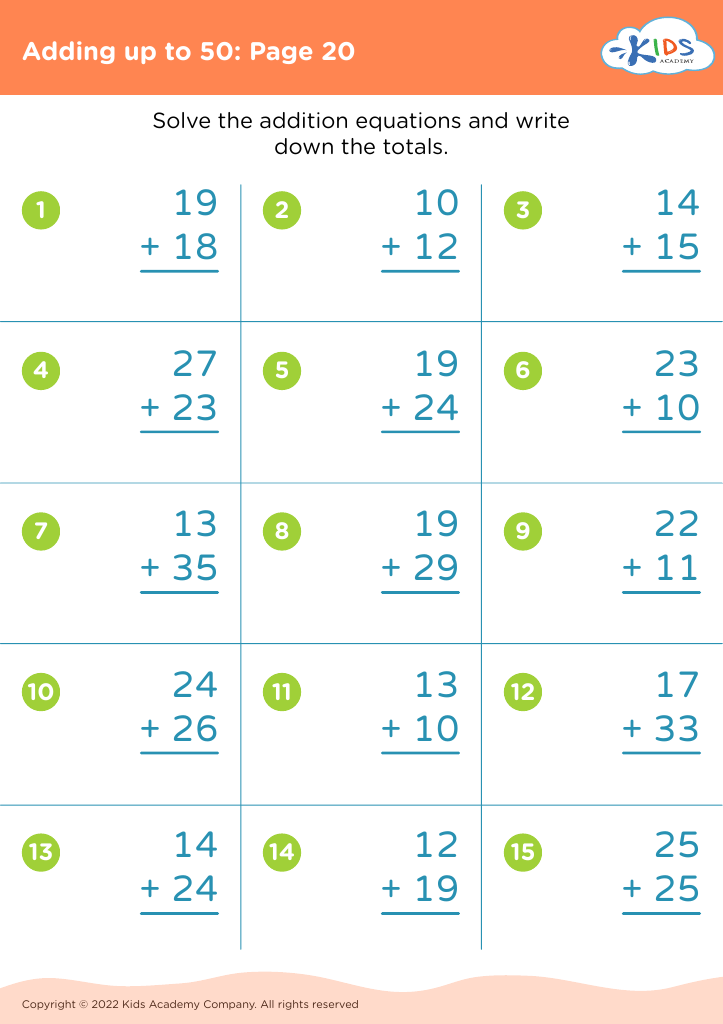
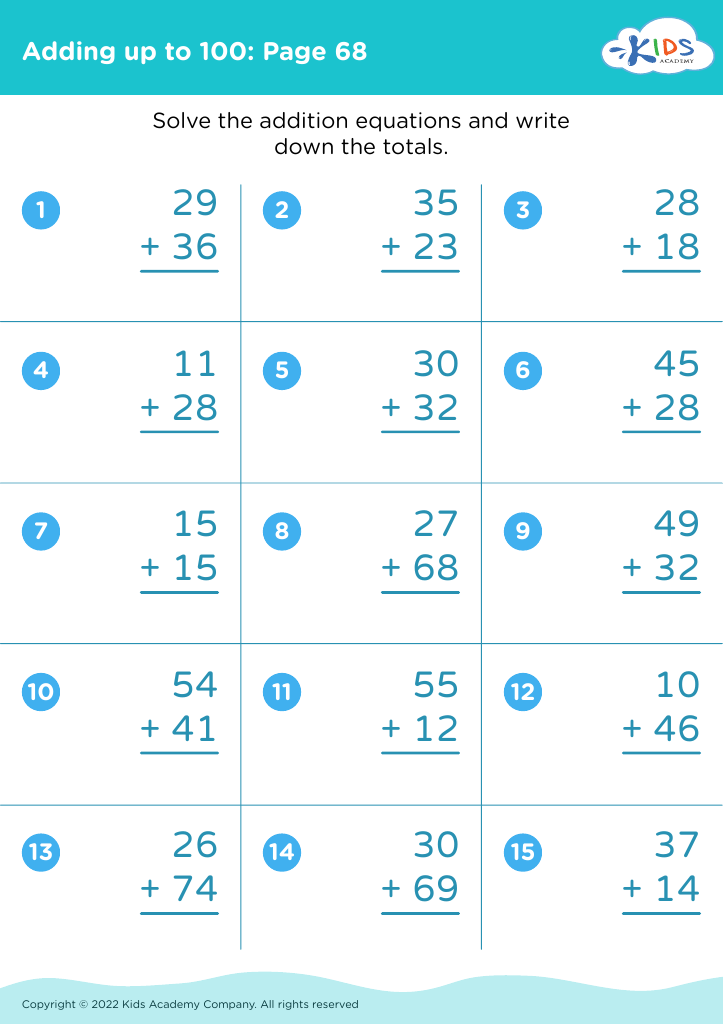
Explore our engaging "Develop Problem-Solving Skills: Addition & Subtraction Worksheets" designed for children ages 3 to 9. These worksheets provide a fun and interactive way for young learners to master essential math concepts. By incorporating relatable scenarios and colorful visuals, kids will enhance their critical thinking while practicing addition and subtraction. Each worksheet encourages problem-solving strategies, fostering a deeper understanding of mathematical principles. Perfect for home or classroom use, our resources help build confidence and promote a love for learning. Download our worksheets today to make math an enjoyable and rewarding experience for your young learners!
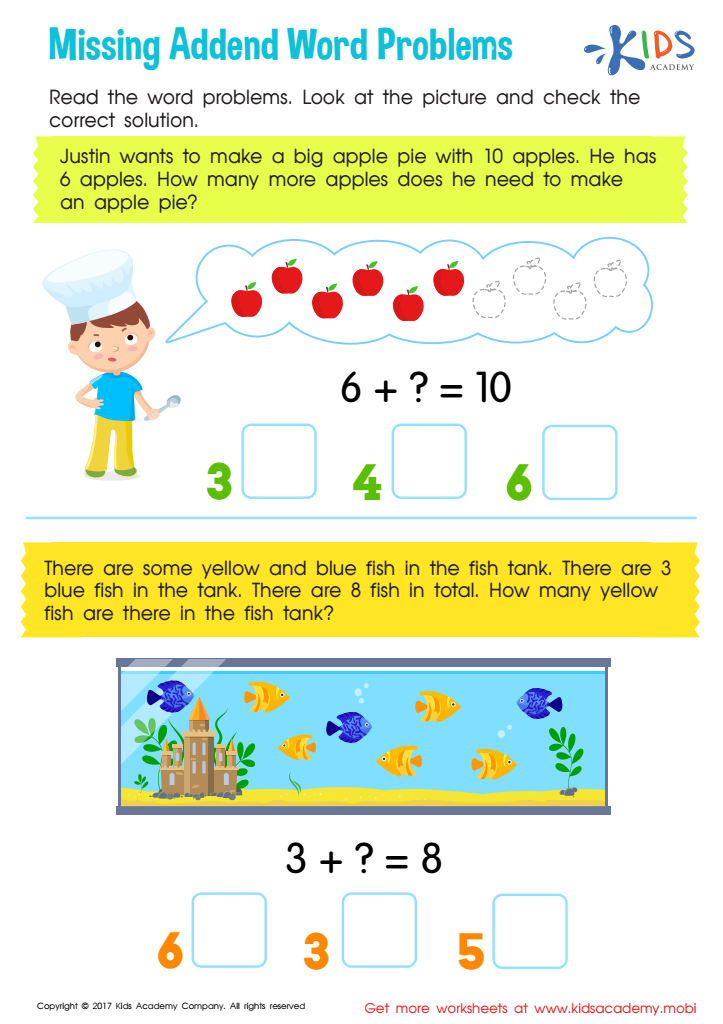
Missing Addend Word Problems Worksheet
 Assign to My Students








Developing problem-solving skills in addition and subtraction for children aged 3-9 is crucial for several reasons. First, mathematics forms the foundation for logical reasoning, critical thinking, and analytical skills that are essential in everyday life. When teachers and parents encourage children to solve problems through addition and subtraction, they help foster a sense of curiosity and resilience in learners, enabling them to tackle challenges confidently.
Moreover, these early math skills prepare children for future academic success. A solid understanding of basic arithmetic creates a strong framework for more advanced mathematics in later years, reducing anxiety and building self-esteem in school settings. Engaging in these activities promotes not just cognitive development but also language skills, as children learn to articulate their thoughts and reasoning processes.
Additionally, problem-solving in math can enhance social skills when done collaboratively. Children learn to discuss strategies, share ideas, and appreciate different approaches among their peers. Ultimately, emphasizes the development of a growth mindset, promoting the idea that effort leads to improvement. This not only benefits children's academic journeys but also equips them with lifelong skills that are valuable in various career paths and day-to-day situations, making it an essential focus for parents and educators alike.








